Source Sonic USB Rechargeable Electric Toothbrush for Home, Hotel, Travel
Find and compare 30 Sonic USB Rechargeable Electric Toothbrush options from verified suppliers. Explore models with soft nylon bristles, battery power, and features like two-minute timers suitable for home, hotel, and travel use.
Key considerations
Products List

Rechargeable Head Case Ultrasonic Smart Dental Cleaner Sonic Electric Toothbrush
$0.92 - $0.95
MOQ: 100 Pieces


Rechargeable Waterproof USB Charging Automatic Silicone Electric Toothbrush
$1.68 - $1.71
MOQ: 150 Pieces

6 Level Sonic Electric Ultrasonic Automatic USB Rechargeable Tooth Brush
$1.70 - $1.72
MOQ: 200 Pieces

USB Rechargeable Ultra Sonic Pulse Whitening Electric Toothbrush for Adults
$9.25 - $9.29
MOQ: 100 Pieces

USB Charging Frequency Sonic Electric Waterproof Multi-Function Toothbrush
$1.22 - $1.26
MOQ: 150 Pieces
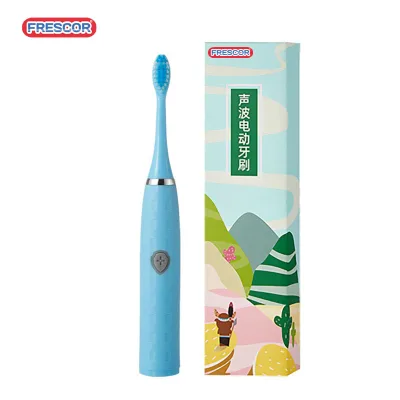


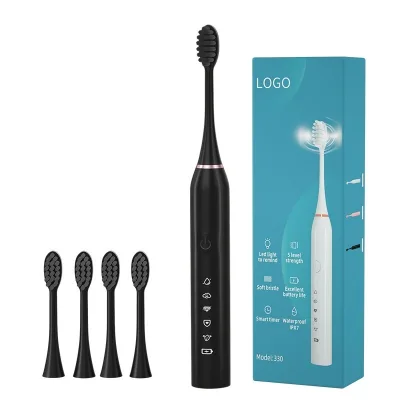

OEM Electric Waterproof Battery Powered Vibrate Sonic Electric Toothbrush
$1.92 - $3.64
MOQ: 500 Pieces


Waterproof for Daily Three-Colour Personal Care Sonic Electric Toothbrush
$0.75 - $3.00
MOQ: 1000 Pieces

OEM Rechargeable Oral Automatic Rechargeable Travel Sonic Electric Toothbrush
$4.00 - $8.00
MOQ: 1000 Pieces


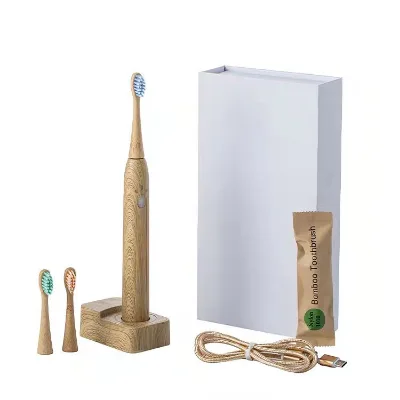

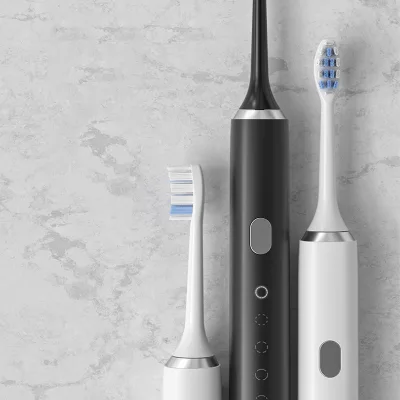

New Arrival Adult Waterproof Ipx7 Rechargeable Sonic Electric Toothbrush
$14.99 - $19.99
MOQ: 3 Pieces
Comprehensive Sourcing Guide
Strategic Sourcing Guide for Sonic USB Rechargeable Electric Toothbrushes
Understanding the Sonic Technology and Core Specifications
When sourcing sonic USB rechargeable electric toothbrushes, buyers must first distinguish the underlying technology from traditional oscillating-rotating models. The core keyword implies a device that utilizes high-frequency vibrations to create fluid dynamics that clean between teeth and along the gumline, rather than relying solely on mechanical scrubbing. In the current market, the observed vibration frequency for these devices typically ranges between 32,000 and 42,000 times per minute. This specific numerical range is a critical benchmark for sonic performance; frequencies below this threshold may not deliver the advertised sonic cleaning effect, while those significantly higher may require more robust battery management systems.
The charging mechanism is a primary differentiator in this category. While many modern devices utilize inductive charging bases, the specific requirement for "USB rechargeable" indicates a direct port interface, often micro-USB or USB-C, which offers greater portability and reduced dependency on proprietary charging docks. This feature is particularly valuable for the travel and hotel segments, where space is at a premium. The power source is consistently battery-driven, meaning the internal battery capacity and charging efficiency directly impact the device's usability cycle. Buyers should verify that the battery chemistry supports the high-frequency vibration demands without rapid degradation.
Furthermore, the physical design often incorporates a "Two-Minute Timer" function, a standard feature for effective oral hygiene routines. This function ensures that users brush for the dentist-recommended duration, often with a 30-second interval alert to switch zones, a feature observed in several high-confidence product attributes. The bristles themselves are predominantly made of nylon, selected for their flexibility and durability. The bristle type is generally classified as "soft" to protect enamel and gum tissue, which aligns with the "Special Care" branding observed in the market data.
Compliance, Certification, and Safety Standards
Navigating the regulatory landscape for electric toothbrushes requires a rigorous approach to compliance, as these devices are classified as personal health care products. While specific certification statuses like FSC, CE, and ROHS appear in background data, buyers must not assume that every listed product automatically possesses these certifications without verification. The absence of explicit certification claims in the primary product attributes necessitates a proactive verification process during the supplier evaluation phase.
Buyers should request valid test reports and certificates of conformity for the specific model numbers they intend to source, such as LJQ-171, LJQ-0165, or SC002. The verification process must confirm that the electrical components meet the safety standards of the target market. For instance, if the product is intended for the European market, the CE mark is mandatory, indicating compliance with health, safety, and environmental protection standards. Similarly, for markets concerned with environmental impact, ROHS compliance ensures that the device is free from specific hazardous substances.
The "2.522cm" and "1.19.45inch" dimensions listed in the product standards provide a baseline for physical size, but these measurements must be cross-referenced with packaging standards to ensure they meet local import regulations regarding product dimensions and weight. Additionally, the "1 Year" warranty observed in the product attributes serves as an indicator of the manufacturer's confidence in their product's durability and compliance with quality expectations. However, a warranty is a commercial promise, not a regulatory substitute. Buyers must ensure that the product's electrical safety is independently verified by accredited laboratories before placing large orders.
Cost Drivers and Pricing Structure Analysis
The pricing structure for sonic USB rechargeable electric toothbrushes is influenced by a complex interplay of factors, including material costs, manufacturing complexity, and order volume. The observed price range in the market spans from $0.08 to $29.00 USD. This wide variance suggests that the market includes both basic manual-style electric units and advanced sonic models with premium features. The lower end of the price spectrum likely corresponds to models with simpler battery systems, fewer features, or lower MOQs, while the higher end reflects devices with advanced sonic technology, superior build quality, and comprehensive packaging.
The Minimum Order Quantity (MOQ) is a significant cost driver, with observed ranges from 3 to 28,800 units. Suppliers often offer tiered pricing structures where the unit cost decreases as the order volume increases. For a buyer looking to minimize initial capital expenditure, starting with a lower MOQ might be necessary to test the market, but this will result in a higher per-unit cost. Conversely, securing a volume of 28,800 units could significantly reduce the cost basis, provided the supplier has the supply chain capacity to maintain quality at that scale.
The "Supply Ability" of 10,000 pieces per day is a critical metric for buyers assessing the scalability of their procurement. A supplier with this capacity can handle large orders without significant lead time delays, which is essential for maintaining inventory levels. However, buyers must also consider the "Packaging Details," which can vary from single blister cards to export cartons containing 288 pieces. Customized packaging, while adding value, can increase the unit cost and lead time. The "Carton" packing standard is common, but the specific configuration of the export carton must be negotiated to optimize shipping costs and minimize damage during transit.
Typical Applications and Market Segmentation
The versatility of sonic USB rechargeable electric toothbrushes makes them suitable for a diverse range of applications, primarily categorized into Home, Hotel, and Travel segments. The "Usage" attributes consistently highlight these three areas, indicating that the product design is optimized for both personal daily use and commercial hospitality settings. In the home segment, the focus is on long-term durability, advanced features like the 30-second smart zone change, and aesthetic appeal, such as the available Black and Pink color options.
For the hotel and travel segments, the "USB rechargeable" feature becomes a paramount selling point. Travelers often face challenges with incompatible power outlets and the inconvenience of carrying charging bases. A USB-rechargeable device eliminates the need for a dedicated charger, allowing users to charge the toothbrush via power banks, laptop ports, or standard USB adapters. This portability aligns with the "Folded: Unfolded" or "Non-Foldable" design observations, where compactness is key. The "Disposable: Non-Disposable" attribute confirms that these are durable goods intended for repeated use, which is crucial for the hotel industry where cost-per-use is a significant consideration.
The "Applications" listed as "Family, Hotel, Travel" further reinforce the product's broad appeal. In a family setting, the "Two-Minute Timer" and "Soft" bristles cater to the needs of all age groups, from adults to children, although the primary "Age Group" observed is "Adults." For hotels, the "Eco-friendly" and "Anti-Static" features observed in some product attributes can be leveraged as sustainability selling points for eco-conscious travelers. The "OEM Service: Acceptable" status indicates that suppliers are willing to customize branding, which is essential for hotels looking to provide branded amenities that align with their corporate identity.
Supplier Evaluation and Quality Control Protocols
Selecting the right supplier requires a multi-faceted evaluation strategy that goes beyond price and lead time. Buyers should prioritize suppliers who demonstrate transparency in their manufacturing processes and are willing to provide detailed product specifications. The presence of multiple model numbers, such as LJQ-0116, LJQ-0167, and 6403, suggests that a single supplier may offer a wide range of options, allowing buyers to compare features and pricing across different SKUs.
Quality control is paramount in the electric toothbrush industry due to the direct contact with the human body and the electrical nature of the product. Buyers should implement a rigorous QC protocol that includes pre-production sample approval, in-line production checks, and final random inspections. The "Return and Replacement" after-sales service provided by suppliers is a strong indicator of their commitment to quality, but it should not be the sole metric for trust. Buyers must verify the supplier's ability to handle defects promptly and efficiently.
The "Customization: Available" attribute is a significant advantage for buyers seeking to differentiate their products. Whether it involves customizing the packaging, the color, or the branding, the supplier's flexibility in meeting these requirements is a key performance indicator. However, customization often introduces complexity into the supply chain. Buyers should ensure that the supplier has the necessary infrastructure to handle custom orders without compromising on the core quality of the sonic technology or the safety of the electrical components.
Long-Term Procurement and Sustainability Considerations
Long-term procurement of sonic USB rechargeable electric toothbrushes requires a strategic approach that balances cost, quality, and sustainability. The "1 Year" warranty is a standard offering, but buyers should negotiate extended warranty terms for large volume contracts to mitigate long-term risks. The "Supply Ability" of 10,000 pieces per day suggests that the supplier can support long-term growth, but buyers must establish clear communication channels to manage demand fluctuations.
Sustainability is increasingly becoming a critical factor in procurement decisions. The "Eco-friendly" attribute observed in some product listings indicates a growing trend towards environmentally conscious manufacturing. Buyers should inquire about the materials used in the bristles and the body of the toothbrush, ensuring they align with global sustainability goals. The "Anti-Static" feature also contributes to the overall user experience and product longevity, reducing the accumulation of dust and debris.
Finally, the "Package Size: Customized" option offers flexibility in logistics. By optimizing the packaging dimensions, buyers can reduce shipping costs and minimize the carbon footprint associated with transportation. However, this customization must be balanced against the need for robust protection during transit. The "288pc/export carton" standard provides a baseline for logistics planning, but buyers should work with suppliers to determine the most efficient packing configuration for their specific distribution channels. By focusing on these long-term considerations, buyers can build a resilient and sustainable supply chain for sonic USB rechargeable electric toothbrushes.
Comparative Analysis of Key Product Attributes
To facilitate decision-making, the following table summarizes the key attributes observed in the market data, highlighting the variations that buyers should consider during the sourcing process.
| Attribute Category | Observed Values | Sourcing Implication |
|---|---|---|
| Vibration Frequency | 32,000-42,000 times/Min | Verify this range is consistent across all units to ensure sonic performance. |
| Charging Type | Battery Driven, USB Rechargeable | Confirm USB port type (Micro/Type-C) and battery capacity for travel suitability. |
| Bristle Material | Nylon | Ensure "Soft" bristle type is specified to prevent gum damage. |
| Warranty | 1 Year | Negotiate terms for extended coverage in bulk orders. |
| MOQ Range | 3 - 28,800 units | Align order volume with budget and storage capacity; lower MOQs have higher unit costs. |
| Packaging | Carton, Blister Card, Customized | Optimize for shipping efficiency and retail presentation. |
| Applications | Home, Hotel, Travel | Tailor feature sets (e.g., timer, USB charging) to specific market segments. |
| Color Options | Black, Pink | Assess demand for color variety in target markets. |
| Customization | Available (OEM) | Leverage for branding and differentiation in competitive markets. |
This comparative overview underscores the importance of aligning specific product attributes with the buyer's strategic goals. By carefully evaluating these factors, buyers can make informed decisions that optimize cost, quality, and market fit for sonic USB rechargeable electric toothbrushes.
FAQs
What vibration frequency do these sonic toothbrushes operate at?
These devices typically operate between 32,000 and 42,000 vibrations per minute. This specific range ensures effective sonic cleaning while protecting enamel and gum tissue during daily use.
How long is the warranty period for these electric toothbrushes?
The standard warranty period provided is one year. This coverage indicates manufacturer confidence in durability, though buyers should verify specific terms for custom orders or bulk purchases.
Can I customize the packaging for these electric toothbrushes?
Yes, customization is available for packaging details and branding. Suppliers offer options ranging from blister cards to export cartons, allowing alignment with specific corporate or retail requirements.
What materials are used for the bristles on these brushes?
The bristles are made of nylon, selected for flexibility and durability. They are generally classified as soft to ensure safe cleaning for adults without damaging tooth enamel or gums.
Which charging type is used for these battery-driven toothbrushes?
These units are battery-driven and designed for USB rechargeability. This feature enhances portability for travel and hotel use by eliminating the need for proprietary charging docks.
What is the minimum order quantity for these electric toothbrushes?
The minimum order quantity ranges from 3 to 28,800 units depending on the supplier. Lower MOQs allow for market testing, while higher volumes often secure better per-unit pricing.