Find Sport Kia EV5 Electric Vehicle for fleet, urban, and family use
Explore 30 listings of Sport Kia EV5 Electric Vehicle options to compare specifications, pricing, and configurations. This guide helps buyers evaluate key attributes like range and battery type for their specific operational needs; compare the available evidence and request quotations based on your requirements.
Key considerations
Products List
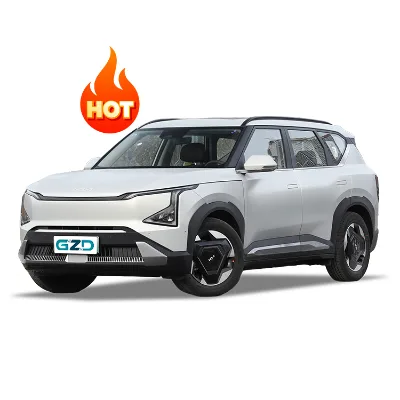
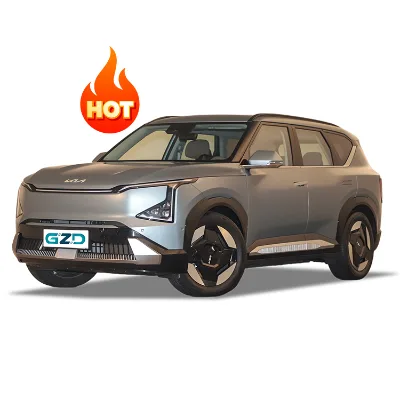
2025 Electric Vehicles KIA EV5 Electric SUV Compact SUV 2024 Pure Electric Vehicles
$14222.91 - $19239.34
MOQ: 1 pieces
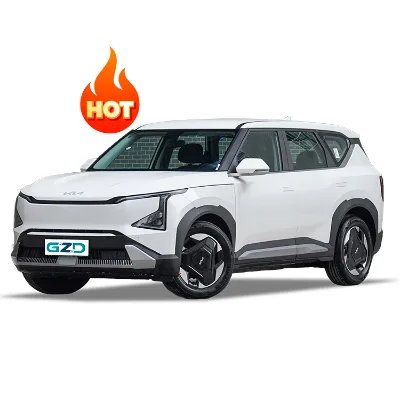
2024 New Energy Vehicle Fast Charge Luxury EV Car Adult Kia Ev 5 Long Range Car Kia Ev5 Sale
$13965.10 - $18890.60
MOQ: 1 pieces


KIA EV5 Electric Vehicle Stylish and Efficient Electric Car: KIA EV5
$16121.21 - $21800.00
MOQ: 1 Pieces


KIA EV5 Electric SUV Vehicle Comfortable 5 Seater for Urban Commute & Family Travel EV
$23790.00 - $23890.00
MOQ: 1 Pieces

KIA EV5 2025 Fwd & Awd EV SUV Vehicle530/580/630/720km Multiple Driving Range Available
$23790.00 - $23890.00
MOQ: 1 Pieces
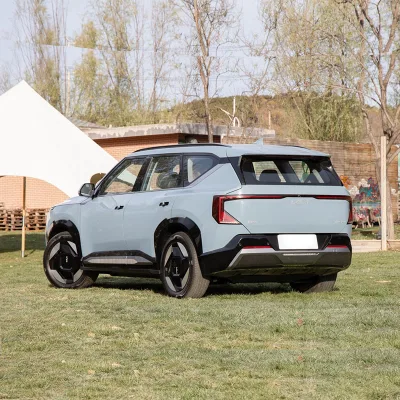


Discover The KIA EV6: Affordable Electric Vehicle for Eco-Friendly Driving
$9846.87 - $11227.25
MOQ: 1 sets
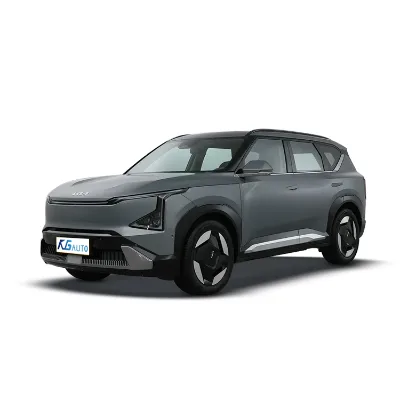
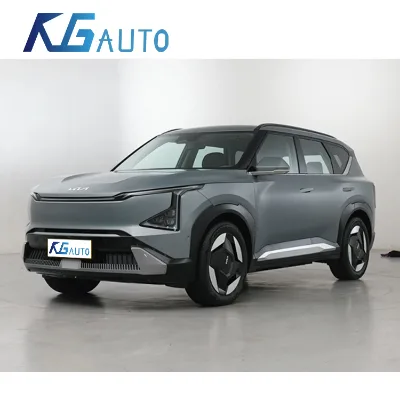
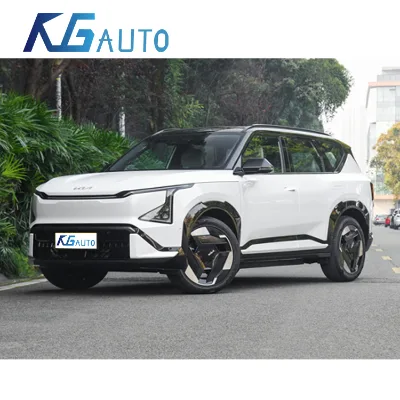
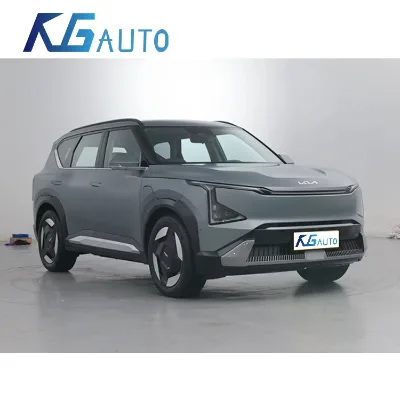
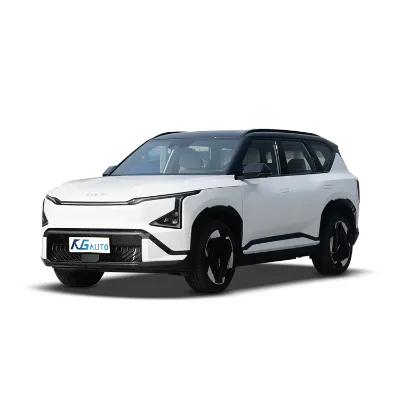

KIA EV5 Made in China Electric New Energy SUV Vehicle 5-Seater Cheap Electric Car
$19000.00 - $19400.00
MOQ: 1 Pieces

KIA EV5 Electric Vehicle 5 Seats SUV Left-Hand Driving New Energy Car
$19000.00 - $19400.00
MOQ: 1 Pieces

KIA EV5 New Energy Vehicle 5 Seats SUV Left-Hand Driving Electric Car
$19000.00 - $19400.00
MOQ: 1 Pieces

KIA EV5 Used New Energy Vehicle 5 Seats SUV Left-Hand Driving Electric Car
$19000.00 - $19400.00
MOQ: 1 Pieces

KIA EV5 New Car KIA EV5 Made in China Electric New Energy Vehicle Deluxe SUV Vehicle
$19000.00 - $19400.00
MOQ: 1 Pieces

KIA EV5 New Energy Vehicle 5 Seats SUV Acc Left-Hand Driving Electric Car
$19000.00 - $19400.00
MOQ: 1 Pieces
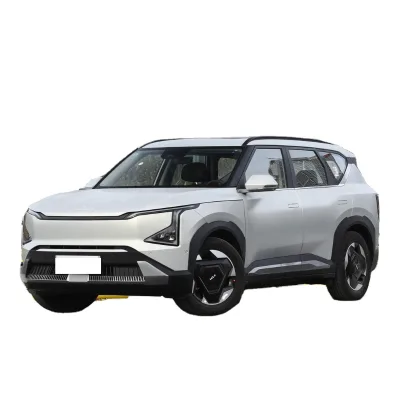
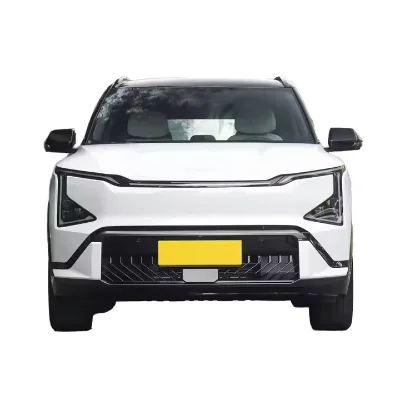
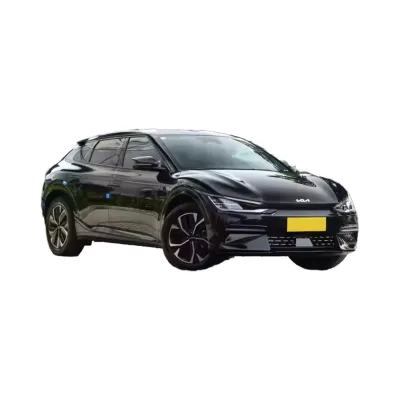
Comprehensive Sourcing Guide
Sport Kia EV5 Electric Vehicle Sourcing Guide
Procuring a sport-oriented Kia EV5 electric vehicle requires navigating a complex landscape of manufacturer specifications and third-party supplier listings. Buyers must distinguish between official OEM channels and independent export agents, particularly when sourcing from regions like Henan, China. The market presents a wide variance in product descriptions, with some listings referencing the KIA EV5 while others cite different model numbers such as the KIA K3 EV or generic identifiers like heyiqian01. This inconsistency necessitates rigorous due diligence to ensure the vehicle matches the intended performance profile and regulatory requirements for the destination market.
The term "sport" in this context often implies specific performance attributes, such as higher maximum speeds or advanced drivetrain configurations. Observed data suggests a range of capabilities, with some units claiming speeds up to 185 km/h and others listing lower limits. Buyers should focus on verifying the actual powertrain configuration, including motor type and battery chemistry, rather than relying solely on marketing titles. Understanding the distinction between pure electric vehicles and hybrid variants is crucial, as some listings contain contradictory information regarding fuel types and energy sources, which can significantly impact operational costs and maintenance requirements.
Product Scope and Observed Listing Signals
The current market for electric vehicles labeled as Kia EV5 shows significant variation in technical claims and physical specifications. Listings frequently cite a wheelbase of 2800mm and a seating capacity for five people, which aligns with standard compact SUV dimensions. However, buyers must carefully review the body structure details, as some entries describe the vehicle as a sedan while others identify it as an SUV. This discrepancy highlights the importance of verifying the exact body style and dimensions, such as the standard size of 4660x1780x1456 mm or 4615x1875x1715 mm, to ensure compatibility with storage and transportation logistics.
Another critical signal is the diversity of battery technologies and performance metrics presented in supplier catalogs. Some products specify a Ternary Lithium battery, while others mention Lithium Iron Phosphate options, each with distinct thermal stability and longevity characteristics. Maximum torque figures vary between 310 Nm and 390 Nm, indicating different powertrain calibrations. Buyers should treat these observed attributes as potential configurations rather than universal standards. It is essential to request detailed specification sheets for each unit to confirm whether the vehicle meets the desired balance of range, acceleration, and energy efficiency for the intended use case.
Technical Specifications to Verify
When evaluating the technical core of a sport Kia EV5, the powertrain and battery system are the primary areas of focus. Buyers should verify the motor configuration, noting that some listings indicate a single motor setup while others may imply all-wheel-drive capabilities. The maximum power output is often cited around 187 kW, but this should be cross-referenced with the engine description, which may list a 2.0T 254hp L4 configuration in some inconsistent entries. Clarifying whether the vehicle is purely electric or includes hybrid components is vital, as this affects charging infrastructure needs and long-term energy costs.
Charging efficiency and cruising range are also key technical parameters that require confirmation. Observed data suggests a charging time of approximately 0.58 hours for certain fast-charging scenarios, which is a significant advantage for commercial or high-utilization fleets. The cruising range is reported to reach up to 700 km under WLTC conditions, but buyers must verify the testing standards used. Additionally, the interior and exterior customization options, such as leather seats and color choices like white, black, or orange, should be confirmed to ensure they meet brand identity or customer preference requirements without compromising structural integrity.
Compliance and Safety Documentation
Navigating the regulatory landscape for imported electric vehicles requires strict adherence to certification standards. Listings often mention a broad array of certifications, including CE, EEC, DOT, CCC, and EPA. Buyers must determine which of these apply to their specific target market, as compliance with one region does not guarantee acceptance in another. For instance, EPA certification is critical for the United States, while EEC standards are relevant for European markets. Verifying the authenticity and scope of these certifications with the issuing bodies is a necessary step to avoid customs delays or legal liabilities.
Safety documentation should include detailed crash test results, battery safety reports, and electromagnetic compatibility certificates. Buyers should request evidence that the vehicle meets local safety regulations for lighting, braking, and structural integrity. The presence of a left-hand drive configuration is noted in some listings, but this must be confirmed against local traffic laws. Furthermore, understanding the warranty terms for the battery and electric motor is essential, as these components represent the highest cost of ownership. Ensuring that the supplier provides comprehensive technical manuals and service guides in the local language is also part of the compliance and operational readiness process.
Cost Drivers and Commercial Terms
The price range for these vehicles is substantial, observed between $4,846.87 and $162,526.95, reflecting differences in specifications, battery capacity, and supplier positioning. Buyers should analyze what drives these cost variations, such as the type of lithium battery, motor power, and included features like advanced driver-assistance systems. The minimum order quantity is often listed as one unit, which allows for flexible procurement but may result in higher per-unit costs compared to bulk purchases. Understanding the total landed cost, including shipping, insurance, and import duties, is crucial for accurate budgeting.
Commercial terms such as payment methods, delivery schedules, and after-sales support significantly impact the overall procurement strategy. Buyers should negotiate clear terms for customization, as many suppliers offer options for interior colors and branding. It is important to clarify who bears the responsibility for packaging, with some listings specifying nude packing while others use standard export packaging. The single package size of 460x200x200 cm and gross weight of 2200 kg are key factors in determining logistics costs. Establishing a transparent agreement on quality assurance and return policies helps mitigate financial risks associated with international trade.
Supplier Qualification and Quality Control
Selecting a reliable supplier for electric vehicles involves assessing their manufacturing capabilities and quality control processes. Buyers should verify the supplier's location, with many originating from Henan, China, and confirm their ability to produce vehicles that meet international standards. Requesting factory audits or third-party inspection reports can provide insight into the production line's consistency and adherence to safety protocols. It is also important to evaluate the supplier's experience in exporting electric vehicles, as this indicates familiarity with international logistics and regulatory requirements.
Quality control should extend beyond the final product to include component sourcing and assembly processes. Buyers should inquire about the origin of critical parts, such as the battery cells and electric motors, to ensure supply chain resilience. Establishing a pre-shipment inspection protocol is recommended to verify that the delivered vehicle matches the agreed-upon specifications. This includes checking the battery health, motor performance, and electronic systems. Building a long-term relationship with a supplier who demonstrates transparency and commitment to quality can lead to better pricing and support over time.
Long-Term Procurement Checks
Sourcing electric vehicles is not a one-time transaction but an ongoing relationship that requires continuous monitoring and evaluation. Buyers should establish key performance indicators to track vehicle reliability, maintenance frequency, and customer satisfaction. Regular feedback loops with end-users can help identify potential design flaws or operational issues early in the product lifecycle. Additionally, staying informed about advancements in battery technology and regulatory changes ensures that future procurement decisions remain aligned with market trends and legal requirements.
Supply chain diversification is another critical aspect of long-term strategy. Relying on a single supplier can pose risks related to production delays or quality inconsistencies. Buyers should consider developing relationships with multiple qualified suppliers to ensure continuity of supply. Regularly reviewing contract terms and performance metrics allows for adjustments based on changing business needs. By maintaining a proactive approach to supplier management and market analysis, buyers can optimize their procurement strategy and achieve sustainable cost savings and operational efficiency.
FAQs
What is the maximum speed of the KIA EV5 electric vehicle?
The maximum speed for this model is listed as 180 km/h in the primary specifications. Some variations may indicate 165 km/h or 185 km/h depending on the specific trim or configuration. Buyers should verify the exact speed rating against the final product sheet before ordering.
What battery type does the KIA EV5 electric vehicle use?
The vehicle utilizes a Ternary Lithium Electricity battery system as the primary energy source. This configuration supports the electric drive train and is standard for this model. Specific capacity details should be confirmed with the supplier to ensure compatibility with local charging infrastructure.
What is the wheelbase of the KIA EV5 electric vehicle?
The wheelbase for this electric vehicle is 2800mm. This dimension contributes to the vehicle's stability and interior space for five passengers. It is a key specification for buyers evaluating the vehicle's handling characteristics and cargo capacity for commercial or personal use.
Can the KIA EV5 electric vehicle be customized for buyers?
Customization is available for this model according to the product attributes. Buyers can request specific modifications to meet their operational needs. It is advisable to discuss detailed customization options and associated costs with the supplier to ensure the final product meets your requirements.
What is the single gross weight of the KIA EV5?
The single gross weight is 2200.000 kg. This weight is critical for logistics planning and determining the required transport capacity. Buyers should account for this figure when calculating shipping costs and ensuring that their handling equipment can support the vehicle's mass.
What certifications does the KIA EV5 electric vehicle hold?
The vehicle holds CE, EEC, DOT, CCC, and EPA certifications. These standards indicate compliance with various international safety and environmental regulations. Buyers should verify that these certifications are valid for their specific destination country to ensure smooth customs clearance and legal operation.
What is the charging time for the KIA EV5?
The charging time is listed as 0.58 hours for a full charge under specific conditions. This rapid charging capability is beneficial for fleet operations requiring high uptime. Actual charging times may vary based on the charger type and battery state, so buyers should confirm these details with the manufacturer.