Source Sports Theme Key Chain for Business Gift, Wedding, and Holiday Gifts
Compare 30 Sports Theme Key Chain options from verified Chinese manufacturers. Buyers can evaluate metal and ABS materials, die-casting processes, and customization features for business gifts, weddings, and holiday promotions.
Key considerations
Products List


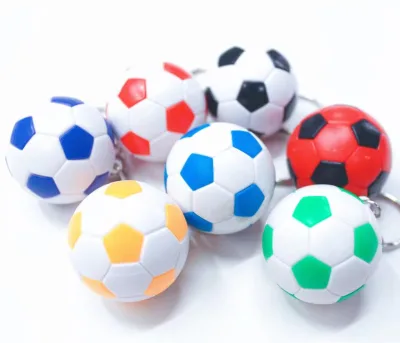


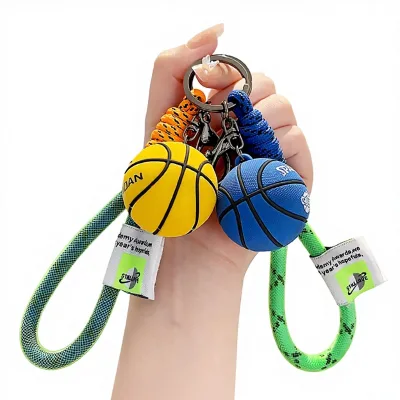


Comprehensive Sourcing Guide
Sports Theme Key Chain Sourcing Guide
Sourcing sports-themed keychains requires a nuanced understanding of how promotional items intersect with athletic branding and personal accessories. These products serve as versatile tools for brand visibility, often distributed at sporting events, fitness centers, or corporate wellness programs. The market offers a wide array of designs, ranging from realistic miniature sports equipment to abstract symbols representing team spirit. Buyers must navigate a landscape where aesthetic appeal competes with functional durability, ensuring that the final product resonates with the target audience while maintaining structural integrity under daily use.
The procurement process involves balancing creative customization with manufacturing constraints. Suppliers frequently offer OEM and ODM services, allowing brands to imprint logos or specific team colors onto various materials. However, the diversity of available forms—from ball-shaped pendants to twin-key designs—means that each style presents unique challenges in terms of molding, die-casting, and surface finishing. A successful sourcing strategy begins with clearly defining the intended application, whether it is for high-volume giveaways or premium corporate gifts, as this decision dictates the choice of material, production method, and quality control standards.
Product Scope and Observed Listing Signals
The current market landscape for sports keychains reveals a significant variation in material composition and design complexity. Listings indicate the presence of metal options, particularly stainless steel, which are often die-cast and polished for a premium finish. These items are frequently marketed with attributes such as "creative" or "business" styles, suggesting a focus on aesthetic sophistication alongside thematic relevance. Conversely, other segments of the market utilize ABS plastic, offering a lighter weight and potentially lower cost point. This plastic-based category often includes functional additions, such as integrated flashlights or voice recording capabilities, expanding the utility of the keychain beyond simple decoration.
Observed listing signals also highlight the importance of packaging and unit economics in this category. Products are commonly packed in OPP bags, with specific weight and dimension data provided to assist in logistics planning. For instance, some items are listed with single package sizes as small as 3x2x1 cm and a gross weight of 0.025 kg, indicating a high density of units per shipment. Other metal variants may have a slightly heavier footprint, around 0.100 kg per unit, which impacts freight calculations. The presence of "universal" suitability attributes suggests that many designs are intended for broad appeal, while others are tailored specifically for male demographics or specific sports like basketball and golf.
Technical Specifications to Verify
When evaluating technical specifications, buyers must prioritize the verification of material authenticity and dimensional accuracy. For metal keychains, confirming the type of stainless steel is crucial, as it directly influences corrosion resistance and weight. The surface treatment process, often described as polished, should be inspected to ensure a smooth finish that prevents snagging on bags or clothing. Additionally, the structural integrity of the keyring attachment point must be assessed, as this is the most common point of failure in daily use. Buyers should request physical samples to test the tensile strength of the ring and the durability of the die-casting process, ensuring that intricate sports details do not compromise the overall strength of the item.
Dimensional consistency is another critical technical factor, especially for customized orders. While some listings offer standardized sizes, such as 5.5 x 3.4 cm or 3x3x0.1 cm, many suppliers provide customized dimensions. In these cases, buyers must verify that the mold or tooling can accurately reproduce the desired sports theme without excessive deviation. For plastic items, the type of ABS used should be confirmed to ensure it meets the required flexibility and impact resistance standards. Furthermore, if the keychain includes electronic components, such as a flashlight or voice recorder, the battery type and lifespan must be verified. Specifications mentioning AG13 batteries and specific recording durations require validation to ensure the product performs as advertised over its expected lifecycle.
Compliance and Safety Documentation
Compliance and safety documentation are paramount, particularly when keychains are intended for children or distributed at public sporting events. Buyers must ensure that all materials, including metals and plastics, comply with relevant international safety standards regarding heavy metals and toxic substances. For metal keychains, this involves verifying that the stainless steel does not contain harmful levels of lead or nickel, which could cause allergic reactions. For ABS plastic items, certification that the material is free from phthalates and other hazardous additives is essential. Buyers should request material safety data sheets (MSDS) and test reports from accredited laboratories to confirm that the products meet the regulatory requirements of their target markets.
Additionally, the physical safety of the keychain design must be considered. Small parts, such as detachable sports equipment charms or electronic components, pose a choking hazard for young children. Buyers should verify that the product is clearly labeled with age appropriateness warnings, such as "Not for children under 3 years," if applicable. For items with electronic features, battery safety is a critical concern. The battery compartment should be securely sealed to prevent access, and the batteries themselves must be compliant with transportation regulations, such as UN38.3 for lithium cells, although AG13 batteries are typically alkaline and less regulated. Ensuring that all safety documentation is up-to-date and accessible helps mitigate liability risks and builds trust with end-users.
Cost Drivers and Commercial Terms
Cost drivers in the sports keychain market are primarily influenced by material selection, production volume, and customization complexity. Metal keychains, particularly those made from stainless steel and requiring die-casting and polishing, generally carry a higher unit cost compared to their ABS plastic counterparts. The complexity of the sports design also plays a significant role; intricate details require more precise tooling and longer production times, which can increase costs. Buyers should also consider the impact of surface treatments and printing methods, such as laser engraving or silk screening, which add to the per-unit price. Understanding these variables allows for more accurate budgeting and negotiation with suppliers.
Commercial terms, including MOQ and lead times, vary significantly across suppliers. While some listings indicate an MOQ of 100 pieces, others may require up to 100,000 units for optimal pricing. Buyers should negotiate MOQs based on their specific needs, especially for first-time orders or custom designs. Sample times are typically short, ranging from 1 to 3 days, which facilitates rapid prototyping and approval. However, production lead times can extend depending on the order size and the complexity of the customization. Buyers should clarify payment terms, shipping methods, and return policies early in the negotiation process to avoid unexpected costs or delays. Clear communication regarding these commercial terms ensures a smoother procurement experience and better alignment between buyer expectations and supplier capabilities.
Supplier Qualification and Quality Control
Supplier qualification is a critical step in ensuring the reliability and consistency of sports keychain orders. Buyers should verify the supplier's manufacturing capabilities, including their experience with die-casting, metal polishing, and plastic injection molding. A supplier's ability to handle OEM and ODM requests is a strong indicator of their flexibility and technical expertise. Additionally, buyers should assess the supplier's quality control processes, looking for standardized procedures for material inspection, in-process checks, and final product testing. Suppliers with robust QC systems are more likely to deliver products that meet specified standards and minimize the risk of defects.
Quality control measures should also include regular audits and sample approvals. Buyers should request pre-production samples to verify that the final product matches the approved design in terms of color, size, and finish. During mass production, random sampling and inspection can help identify and address issues early. Suppliers should be willing to provide detailed inspection reports and be open to third-party quality audits. Establishing a clear communication channel for addressing quality concerns is essential, as it allows for quick resolution of any issues that may arise. By prioritizing suppliers with strong qualification and QC practices, buyers can ensure a consistent supply of high-quality sports keychains.
Long-Term Procurement Checks
Long-term procurement success depends on establishing a sustainable relationship with suppliers and continuously monitoring performance. Buyers should conduct regular reviews of supplier performance, focusing on metrics such as on-time delivery, product quality, and responsiveness to issues. Maintaining open communication and providing constructive feedback helps foster a collaborative partnership that can adapt to changing market demands. Additionally, buyers should stay informed about industry trends and technological advancements in keychain manufacturing, such as new materials or eco-friendly production methods, to ensure their products remain competitive.
Sustainability and ethical sourcing are increasingly important considerations in long-term procurement. Buyers should evaluate suppliers' commitment to environmental responsibility, such as the use of recyclable materials or energy-efficient production processes. Verifying that suppliers adhere to ethical labor practices and provide safe working conditions is also crucial for maintaining brand reputation. By integrating these long-term checks into their procurement strategy, buyers can build a resilient supply chain that supports their business goals and contributes to positive social and environmental outcomes. This holistic approach ensures that the sourcing of sports keychains aligns with broader corporate values and market expectations.
FAQs
Can I customize the Sports Theme Key Chain design?
Yes, customization is available for these metal key chains. The product supports OEM and ODM services with a sample time of 1-3 days. Buyers can request specific shapes like round or creative styles for business gifts and ceremonies.
What is the minimum order quantity for these key chains?
The standard minimum order quantity is 100 pieces for this product. However, observed listings show an MOQ range from 1 to 100,000 units depending on the specific supplier and customization requirements. Buyers should verify the exact MOQ before placing an order.
Which materials are used to make these key chains?
These key chains are primarily made from metal, specifically stainless steel, or ABS plastic. The processing method includes die-casting for metal versions, and they feature a polished surface treatment. Some models are also described as eco-friendly.
How long does it take to receive a sample?
It takes 1 to 3 days to produce a sample for this product. This quick turnaround allows buyers to verify the quality and design before committing to a larger bulk order. The sample time applies to the standard customization options available.
What are the standard dimensions for the key chains?
Standard dimensions vary by model, with common sizes including 5.5 x 3.4 cm or 3 x 3 x 0.1 cm. Some specific models like the flashlight version measure 65 x 38 x 20 mm. Customized sizes are also available upon request for bulk orders.
Where are these sports key chains manufactured?
These products originate from China, specifically from regions like Fujian and Guangdong. The manufacturing facilities are located in these provinces, which are known for producing metal and plastic accessories. Buyers can expect the origin to be listed as China on product pages.
What packaging details are provided for these key chains?
The packaging typically uses OPP bags with a single gross weight of 0.025 kg. Some listings specify a single package size of 3 x 2 x 1 cm, while bulk cartons may measure 29.5 x 22.5 x 30 cm. Packaging can be customized for different lot sizes.