Source Sports Style Cloth Electric Curtain for Gyms, Schools, and Offices
Buyers sourcing a Sports Style Cloth Electric Curtain can compare 30 listings covering motorized operation, PVC or polyester fabrics, customization options, and suitable venues such as gymnasiums, schools, and basketball courts. Review pricing ranges, minimum order quantities, and packaging details before requesting quotes from verified suppliers.
Key considerations
Products List

Retractable Electric Curtains Dividing Curtains Hot Sale for Sports
$59.00 - $75.00
MOQ: 50 Square Meters

Vertical Fabric Cord Motorized Electric Curtains
$15.99 - $17.99
MOQ: 1 Square Meters
Shouguang Runchen Environmental Protection Technology Co., Ltd.

Sunscreen Fabric Electric Roller Blinds
$10.99 - $13.99
MOQ: 1 Square Meters
Shouguang Runchen Environmental Protection Technology Co., Ltd.

Sunshine Fabric Electric Curtains, Create a New Smart Home Experience
$1.99 - $2.99
MOQ: 1 Square Meters
Shouguang Runchen Environmental Protection Technology Co., Ltd.

Sunshine Shade Sheer Cloth Auto Roller Curtain Blackout
$10.99 - $13.99
MOQ: 1 Square Meters
Shouguang Runchen Environmental Protection Technology Co., Ltd.


Sunscreen Smart Motorized Roller Shades Electric
$10.99 - $13.99
MOQ: 1 Square Meters
Shouguang Runchen Environmental Protection Technology Co., Ltd.


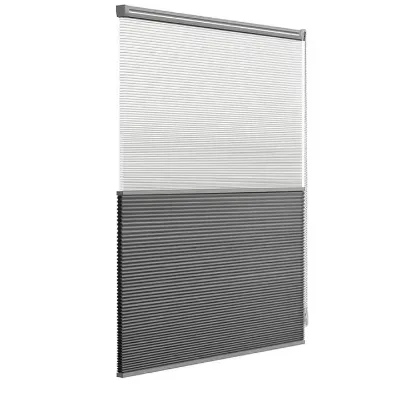

Sport Court Use Fabric PVC Electric Control Sport Hall Dividing Curtains Mats
$68.00
MOQ: 100 Square Meters


Electric Workshop Door Curtain Industrial PVC Tarpaulin Door Curtain for Electric Workshop
$15.00 - $20.00
MOQ: 1 Square Meters


Electric Retractable Dustproof Tarpaulin Curtain for Food Factory
$15.00 - $20.00
MOQ: 1 Square Meters

Ultra-Durable Electric Tarpaulin Door Curtain for Steel Mills Heat-Resistant 1200° C
$15.00 - $20.00
MOQ: 1 Square Meters

Custom Workshop Electric Door Curtains Made of PVC Waterproof Tarpaulin
$15.00 - $20.00
MOQ: 1 Square Meters

Energy - Saving Industrial Motorized Tarpaulin Door Curtain for Temperature Control
$15.00 - $20.00
MOQ: 1 Square Meters

China Factory Electric Door Air Curtain for Hotels Market Farm Wholesales
$33.65 - $35.65
MOQ: 100 Pieces

Wholesales China Factory Electric Door Air Curtain for Hotels Market Farm
$33.65 - $35.65
MOQ: 100 Pieces


Remote Control Air Curtain 900mm 1200mm 1500mm 1800mm Energy Efficient Dustproof Design
$33.65 - $35.65
MOQ: 100 Pieces


Comprehensive Sourcing Guide
Sports Style Cloth Electric Curtain Sourcing Guide
Sourcing electric curtains with a sports aesthetic requires balancing functional automation with specific visual design cues. The term "sports style" often implies durable, high-contrast, or team-branded fabrics, but in the current market, it frequently overlaps with general motorized window treatments that offer robust performance in active environments like gyms or schools. Buyers must distinguish between purely decorative sports-themed prints and functional electric systems designed for high-traffic areas. The core keyword suggests a niche intersection of interior design and automated hardware, where the primary value lies in the integration of reliable motorization with customizable fabric options.
Procurement teams should approach this category by first defining the operational environment. Whether the curtains are intended for a residential bedroom, a commercial office, or a public gymnasium, the requirements for durability, light control, and motor reliability will vary significantly. The market offers a wide range of products, from basic manual roller blinds to advanced motorized systems with remote control capabilities. Understanding the specific use case is the first step in filtering the vast array of available products, ensuring that the selected solution meets both the aesthetic desires of the client and the functional demands of the space.
Product Scope and Observed Listing Signals
The observed product landscape reveals a diverse range of electric and manual window treatments, with prices ranging from $0.4 to $1,250 USD. This wide variance indicates that buyers will encounter everything from simple, low-cost manual roller blinds to complex, fully automated systems with premium materials and advanced motorization. The minimum order quantity (MOQ) ranges from 1 to 1,000 units, suggesting that suppliers cater to both individual retail buyers and large-scale commercial projects. It is crucial to verify whether the "electric" attribute applies to the entire product line or only specific high-end models, as many listings may offer manual versions alongside their motorized counterparts.
Key attributes observed in the market include customization options for color, size, and fabric, with materials such as PVC, polyester, and polyester fiber being common. Some products feature remote control operation, while others rely on manual up-and-down mechanisms. The suitability of these products varies, with some explicitly designed for gymnasiums, schools, and basketball courts, while others are marketed for living rooms, bedrooms, and offices. Buyers should pay close attention to the "Headrail Type" and "Mount Type," as these determine the installation complexity and final aesthetic. Standard headrails and inside mounts are prevalent, but custom configurations may be required for unique architectural features.
Technical Specifications to Verify
When evaluating electric curtain systems, the motor type and power source are critical technical specifications. The market offers electric modes that may include battery-operated, plug-in, or hardwired solutions, each with distinct installation and maintenance implications. Buyers must verify the voltage requirements and compatibility with existing home or building automation systems. Additionally, the control mechanism, whether remote, wall switch, or smart home integration, should be confirmed to ensure seamless user experience. The presence of features like "Room Darkening" opacity and "Heat Insulation" functions adds value but requires verification of the fabric's actual performance characteristics.
Fabric composition and durability are equally important, especially for sports-style applications that may face higher wear and tear. Polyester and polyester fiber are common materials, offering good durability and ease of cleaning, but buyers should inquire about specific treatments for stain resistance, UV protection, and fire retardancy. The "Structure" of the curtain, whether horizontal, vertical, or Roman, affects both the visual appeal and the mechanical reliability of the system. Customization options for width and height are widely available, but buyers must ensure that the supplier can maintain consistent quality and color matching across large orders, particularly when dealing with custom prints or specific team colors.
Compliance and Safety Documentation
Safety and compliance are paramount when sourcing electric window treatments, particularly for commercial or institutional settings like schools and hospitals. Buyers should request documentation for electrical safety, including certifications for the motor and control units. While ISO9001 is mentioned in some listings, this is a quality management standard and does not guarantee product safety; specific electrical safety certifications such as CE, RoHS, or UL may be required depending on the target market. It is essential to verify that the electrical components meet local regulatory standards to avoid liability issues and ensure safe operation.
Environmental and material safety standards should also be reviewed, especially if the curtains are intended for use in sensitive environments like hospitals or schools. Buyers should inquire about the presence of harmful substances in the fabric and plastic components, such as PVC, which may be subject to restrictions in certain regions. Certifications like REACH can indicate compliance with European chemical regulations, but buyers must confirm the specific scope of these certifications. Additionally, fire safety standards for the fabric should be verified, as many commercial buildings require materials to meet specific flame retardancy ratings.
Cost Drivers and Commercial Terms
The cost of electric curtains is influenced by several factors, including the complexity of the motorization, the quality of the fabric, and the level of customization. Basic manual roller blinds are significantly less expensive than fully automated systems with remote control and smart home integration. Buyers should expect higher costs for custom sizes, specific color matches, and specialized fabrics with added features like sun protection or thermal insulation. The MOQ also plays a role in pricing, with larger orders typically benefiting from volume discounts, but buyers must balance cost savings with inventory holding costs and project timelines.
Commercial terms such as payment methods, shipping costs, and lead times vary among suppliers. Buyers should clarify whether the quoted price includes installation hardware, such as headrails and brackets, or if these are sold separately. It is also important to understand the warranty terms for both the motor and the fabric, as these can significantly impact the total cost of ownership. Suppliers may offer different packing options, such as carton boxes or air bubble film, which can affect shipping costs and the risk of damage during transit. Clear communication regarding these terms is essential to avoid unexpected expenses and ensure a smooth procurement process.
Supplier Qualification and Quality Control
Selecting a reliable supplier is critical for ensuring the quality and longevity of electric curtain systems. Buyers should verify the supplier's manufacturing capabilities, including their experience with motorized window treatments and their ability to handle custom orders. OEM and ODM services are commonly offered, allowing buyers to brand products or customize designs, but this requires a thorough evaluation of the supplier's design and engineering capabilities. It is advisable to request samples to assess the quality of the motor, fabric, and overall construction before placing a large order.
Quality control processes should be clearly defined, with specific checkpoints for material inspection, assembly, and final testing. Buyers should inquire about the supplier's defect rate and their procedures for handling returns or replacements. Third-party inspection services can be employed to verify product quality before shipment, providing an additional layer of assurance. Additionally, buyers should assess the supplier's after-sales support, including their responsiveness to technical issues and their ability to provide spare parts or replacement motors in the future. A supplier with a strong track record in quality control and customer support is essential for long-term satisfaction.
Long-Term Procurement Checks
Long-term success in sourcing electric curtains depends on establishing a robust supply chain and maintaining ongoing quality assurance. Buyers should implement regular performance reviews of their suppliers, assessing factors such as delivery reliability, product consistency, and customer service responsiveness. It is important to stay updated on technological advancements in motorization and fabric technology, as these can offer improvements in efficiency, durability, and user experience. Regularly revisiting the technical specifications and compliance requirements ensures that the products remain suitable for the intended application and meet evolving regulatory standards.
Building a strong relationship with suppliers can lead to better pricing, priority production, and access to new product developments. Buyers should consider diversifying their supplier base to mitigate risks associated with supply chain disruptions or quality issues. Regular communication and feedback loops can help identify potential problems early and foster continuous improvement. Additionally, buyers should monitor market trends and competitor offerings to ensure that their procurement strategy remains competitive and aligned with customer expectations. By maintaining a proactive approach to supplier management and quality control, buyers can ensure the long-term success of their electric curtain projects.
FAQs
Can sports style cloth electric curtains be customized in size and color?
Yes, customization is available for size, color, and design. Listed color options include blue, grey, red, or a customized shade, and fabric can be polyester or sunscreen material. OEM and ODM services are offered, so buyers can request brand-specific patterns or printed designs. Confirm exact dimensions, fabric weight, and motor requirements with the supplier before placing an order.
What materials are used in sports style cloth electric curtains?
The curtains are made from polyester fiber or polyester combined with sunscreen fabric, paired with an electric motor and remote control. Polyester supports room darkening and printed sports patterns, while sunscreen fabric allows light filtering. Headrail type is standard, and the mounting method is inside mount, so verify your window recess depth before ordering.
Which rooms and places are suitable for electric sports style curtains?
They suit living rooms, bedrooms, kitchens, offices, patios, and patio doors. Larger-format models are also designed for gymnasiums, schools, and basketball courts, where wide coverage and motorized operation are practical. Since sizes are customized, measure each installation area separately and confirm the motor capacity matches the curtain width and weight.
How do the electric curtains open and close?
They operate electrically with an up and down movement, controlled by a remote that is included in the material set. Some models also support manual operation as an alternative. The style is motorized with a standard headrail for inside mounting, so installation should follow the supplier's instructions to keep the track aligned and the motor running smoothly.
What is the privacy and light control level of these curtains?
The listed privacy level is room darkening, which blocks most outside light but may not achieve full blackout. Opacity is also described as room darkening on certain models. Fabric choice affects the result, since polyester darkening fabric performs differently from sunscreen material, so request a fabric sample to confirm the darkness level before bulk ordering.
How are the curtains packed for shipping?
Packing varies by model: some are packed in cartons, others in carton boxes, and one listed option uses air bubble film with an outer carton package. A typical carton size reference is 160x20x20cm. Ask the supplier which packing method applies to your order and whether reinforced packaging is needed for long-distance or consolidated freight shipments.
What is the minimum order quantity for sports style cloth electric curtains?
One listed model sets a minimum order quantity of 10 square meters, while overall listed MOQs range from 1 to 1000 depending on the product. Customized sizes, printed patterns, and special fabrics may carry different minimums. Confirm the MOQ for your chosen specification, including motor type and fabric, before requesting a quotation.
Do the curtains offer any functional benefits besides light control?
Yes, listed functions include heat insulation, insect resistance, dustproofing, and windproofing, in addition to room darkening. These features depend on the fabric and construction chosen, so polyester sunscreen fabric and heavier darkening fabric will behave differently. Also note that ISO9001 certification is listed for a printed roller shutter model in this category.