Source Sports Vest Options for Gym, Running, and Training
Explore 30 listings for Sports Vest products tailored for fitness and athletic use. Compare features like moisture-wicking, breathability, and customization to find suitable gear for gym workouts, running sessions, and general training activities.
Key considerations
Products List






Comprehensive Sourcing Guide
Sports Vest Sourcing Guide
Sourcing sports vests requires a nuanced understanding of the diverse performance requirements inherent to athletic apparel and equipment. The term "Sports Vest" encompasses a broad spectrum of products, ranging from lightweight, breathable athletic wear designed for high-intensity training to durable, specialized gear used in strength conditioning and fitness environments. Buyers must distinguish between textile-based vests, which prioritize comfort, moisture management, and flexibility, and structural equipment vests, which focus on durability, load-bearing capacity, and safety. This distinction is critical because the material composition, manufacturing techniques, and compliance standards for a knitted polyester blend differ significantly from those of heavy-duty fitness accessories.
The procurement landscape for these items is characterized by high variability in customization options and production scales. Suppliers often offer extensive personalization, including custom logos, colors, and packaging, which can streamline brand integration but requires careful management of minimum order quantities (MOQs) and lead times. Furthermore, the origin of manufacturing, particularly from regions like China, Guangdong, and Anhui, influences supply chain dynamics, including shipping costs and regulatory compliance. Buyers need to establish clear specifications early in the sourcing process to ensure that the selected products align with their target market’s expectations for quality, functionality, and aesthetic appeal.
Product Scope and Observed Listing Signals
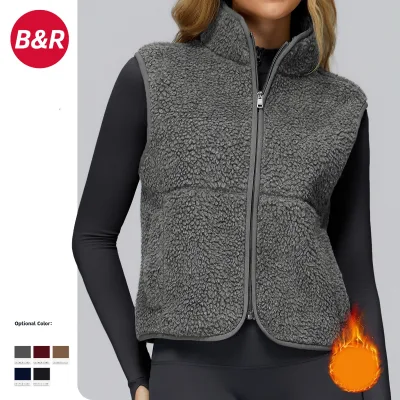
The observed market signals indicate a strong emphasis on functional performance attributes for textile-based sports vests. Key features frequently highlighted include windbreak, waterproof, quick-drying, moisture-wicking, and breathable properties, which are essential for maintaining athlete comfort during varied weather conditions and intense physical activity. Materials predominantly consist of polyester blends, often combined with spandex to provide elasticity and a comfortable fit. These fabrics are typically knitted, offering a light texture that enhances mobility, and are available in pure colors or customized options to suit team uniforms or brand identities. The "Free Size" and specific sizing standards (S, M, L, XL, XXL) suggest a focus on inclusive fit, though buyers should verify exact dimensional charts to minimize return rates.
In contrast, the scope also extends to specialized fitness equipment, such as weighted vests or strength training accessories, which serve a different functional purpose. These items are often constructed for durability and anti-fall performance, catering to adult users engaged in fitness training and strength equipment use. Specifications for these products may include specific weight ranges, such as 5-30kg, and features like rear two-row buckles and fixed shoulder straps to ensure secure fit during dynamic movements. The presence of mold cups and specific fabric composition percentages (80-90% main fabric) in some listings points to a hybrid category where apparel-like comfort meets structural support. Buyers must clearly define whether they are sourcing apparel for general sports occasions or specialized gear for rigorous training regimes.
Technical Specifications to Verify
Verifying technical specifications is paramount to ensuring product performance and user satisfaction. For textile vests, buyers should confirm the exact percentage of polyester and spandex to assess stretch recovery and durability. The "Elastic" touch and "Light" texture are desirable for athletic wear, but these attributes must be validated through sample testing to ensure they do not compromise the garment’s structural integrity over time. Additionally, the "Sleeveless" design and "Medium Mold Cup" type in certain listings indicate specific ergonomic considerations that must align with the intended use case. Buyers should request detailed fabric composition certificates and conduct wash tests to verify that quick-drying and moisture-wicking claims hold up after multiple cycles of laundering.
For equipment-style vests, technical verification focuses on load capacity and safety mechanisms. The "Rear Two Row Buckle" and "Fixed Shoulder Straps" are critical components that must withstand significant stress without failure. Buyers should inspect the quality of the buckles and stitching to ensure they are robust enough for heavy-duty use. Furthermore, the "Folded" condition and specific packing methods, such as "Each in a Polybag Then in Carton," impact storage efficiency and product protection during transit. It is essential to verify that the weight distribution in weighted vests is even and secure to prevent injury during use. Confirming these technical details through rigorous sample evaluation helps mitigate the risk of product failure in the field.
Compliance and Safety Documentation
Compliance and safety documentation vary significantly depending on the product type. Textile sports vests generally require adherence to general safety standards for apparel, such as flammability resistance and chemical safety regulations. The "Flame-Retardant" feature mentioned in some listings suggests that certain products may be designed for environments where fire risk is a concern, necessitating specific certification verification. Buyers should ensure that all chemical treatments, such as anti-UV or anti-static finishes, are compliant with relevant international standards to avoid health risks for end-users. Additionally, the "Anti-Fall and Durable" features of equipment vests imply a need for rigorous safety testing to prevent accidents during use.
Certifications such as CE, RoHS, and ISO are observed in some listings, indicating a level of quality assurance and regulatory compliance. However, buyers must verify the scope of these certifications to ensure they apply to the specific products being sourced. For instance, CE marking may be relevant for equipment vests if they are classified as personal protective equipment or fitness machinery components. RoHS compliance is crucial for any electronic components, though less relevant for purely textile or mechanical vests. Buyers should request valid certification documents and cross-reference them with the product models and origins to ensure authenticity. Failure to verify these documents can lead to customs delays or legal liabilities in regulated markets.
Cost Drivers and Commercial Terms
Cost drivers for sports vests include material quality, customization complexity, and order volume. High-performance fabrics with multiple functional treatments, such as waterproofing and moisture-wicking, typically command higher prices than standard polyester blends. Customization options, including logo printing, color matching, and unique packaging, add to the production cost and may increase the MOQ. Buyers should negotiate based on volume tiers to optimize unit costs, keeping in mind that the observed MOQ range spans from 1 to 3000 units, offering flexibility for both small and large orders. Understanding the cost structure helps in budgeting accurately and avoiding hidden fees associated with design changes or expedited production.
Commercial terms such as payment methods and shipping conditions also impact the total cost of ownership. The "Platform Guarantee" payment option provides security for buyers, ensuring that funds are released only upon satisfaction with the delivered goods. Packing methods, ranging from "Single Pack" to "Each in a Polybag Then in Carton," affect shipping volume and costs. Buyers should calculate the landed cost, including freight, insurance, and duties, to determine the true profitability of the sourcing decision. Additionally, lead times and production capacity should be discussed upfront to ensure that supply can meet demand peaks, particularly for seasonal sports apparel. Clear communication of these terms helps in establishing a transparent and mutually beneficial supplier relationship.
Supplier Qualification and Quality Control
Supplier qualification is a critical step in mitigating sourcing risks. Buyers should assess suppliers based on their production capabilities, quality control processes, and past performance. The observed product origins, including China, Guangdong, and Anhui, suggest a concentration of manufacturing expertise in these regions. However, buyers must verify the supplier’s ability to maintain consistent quality across large production runs. Requesting references and conducting factory audits can provide insights into the supplier’s operational standards and ethical practices. Additionally, suppliers offering "Customized Logo Availale" and flexible packaging options demonstrate a customer-centric approach, which is valuable for brand-focused procurement.
Quality control measures should be integrated into the procurement process to ensure product consistency. Implementing pre-production sample approvals and in-line inspections can help identify defects early in the manufacturing process. For textile vests, checking for stitching quality, fabric uniformity, and color fastness is essential. For equipment vests, verifying the integrity of buckles, straps, and weight distribution is crucial. Buyers should establish clear acceptance criteria and communicate them to the supplier before production begins. Regular communication and feedback loops can help address any issues promptly, ensuring that the final products meet the specified requirements. A robust quality control strategy reduces the risk of receiving substandard goods and enhances customer satisfaction.
Long-Term Procurement Checks
Long-term procurement success depends on continuous monitoring and relationship management. Buyers should regularly review supplier performance metrics, such as on-time delivery rates, product quality consistency, and responsiveness to issues. Establishing a structured feedback mechanism allows for constructive dialogue and continuous improvement. For sports vests, staying updated on market trends and consumer preferences is essential to ensure that the sourced products remain relevant and competitive. This may involve periodic reviews of product features, such as new fabric technologies or design innovations, to enhance the value proposition.
Additionally, buyers should periodically reassess their supplier base to ensure it aligns with their strategic goals and risk tolerance. Diversifying suppliers across different regions or product types can mitigate supply chain disruptions. It is also important to stay informed about changes in regulatory requirements and industry standards that may impact product compliance. By maintaining a proactive approach to supplier management and market analysis, buyers can build a resilient and efficient sourcing strategy that supports long-term business growth. Regular audits and performance reviews help ensure that the procurement process remains effective and aligned with organizational objectives.
FAQs
What materials are used for sports vests?
Sports vests are primarily constructed from polyester or a blend of polyester and spandex. These materials provide essential features such as windbreak, waterproof, and quick-drying capabilities. The fabric is often knitted for elasticity and comfort, making it suitable for all-season sports activities while maintaining breathability and anti-UV protection.
Can I customize the logo on sports vests?
Yes, customization is available for sports vests, including customized logos. Buyers can request specific branding to meet their team or corporate identity needs. This service allows for personalization beyond standard single-color or pure color options, ensuring the final product aligns with specific marketing or team requirements.
What certifications do sports vests have?
Some Sports Vest products carry CE, RoHS, and ISO certifications. These standards indicate compliance with specific safety and quality regulations. Buyers seeking verified products can look for these documented certifications to ensure the equipment meets international quality benchmarks, particularly for fitness training and strength equipment applications.
What is the typical MOQ for sports vests?
The minimum order quantity varies by product, with some items requiring as low as 30 pieces. Other products may have MOQs ranging up to 3000 units. Buyers should check specific product pages for exact MOQ values, as they depend on the model, customization level, and supplier policies.
Where are sports vests manufactured?
Sports vests are manufactured in China, with specific origins including Guangdong and Anhui provinces. These locations are known for producing various sports apparel and equipment. Buyers can source products from these regions, ensuring access to established manufacturing hubs with diverse production capabilities for different Sports Vest models.
What features do sports vests offer?
Sports vests offer features like windbreak, waterproof, quick-drying, and moisture-wicking properties. They are designed to be breathable, anti-UV, and anti-static. These attributes ensure comfort and performance during sports activities, making them suitable for various occasions and seasons, from fitness training to outdoor sports.