Source Ssangyong Brake Master Cylinder for Cars, Trucks, and Heavy Duty Vehicles
Compare 30 listings for Ssangyong Brake Master Cylinder from verified suppliers in China and Korea. Buyers can review specifications, certifications, and pricing for automotive brake systems used in cars and heavy-duty trucks.
Key considerations
Products List


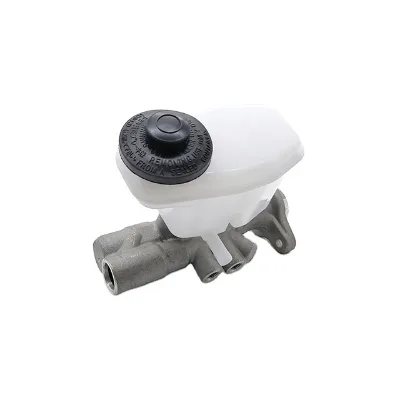
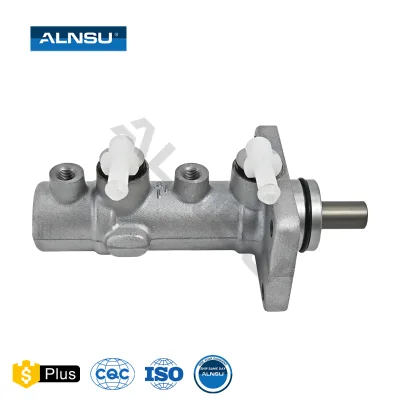
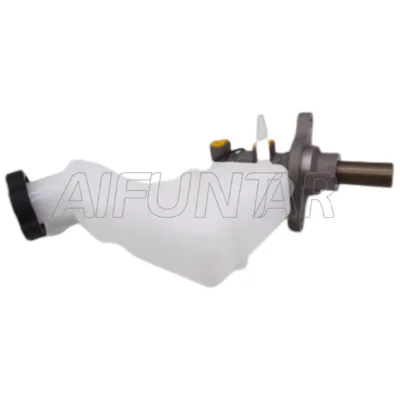
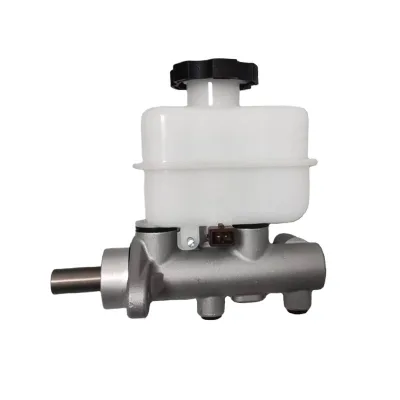
Auto Parts Brake Master Cylinder 47201-87407 Brake Master Cylinder for Toyota
$6.50 - $7.00
MOQ: 300 Pieces

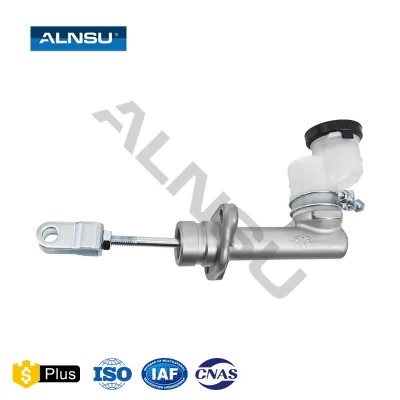
Auto Parts Brake Master Cylinder 58510-2b800 Brake Master Cylinder for Hyundai
$7.50 - $8.00
MOQ: 300 Pieces

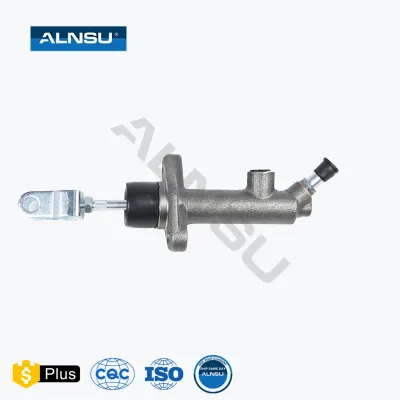
Auto Parts Brake Master Cylinder 47201-09230 Brake Master Cylinder for Toyota
$6.90 - $7.40
MOQ: 300 Pieces


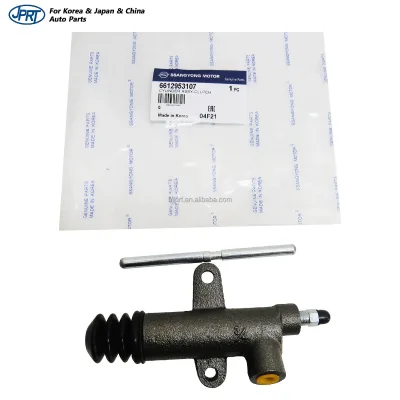
Genuine Power Brake Master Cylinder for Ssangyong Rexton ABS #4854008107
$50.00 - $60.00
MOQ: 1 Pieces






Comprehensive Sourcing Guide
Strategic Sourcing Guide for Ssangyong Brake Master Cylinder Components
Understanding Component Specifications and Technical Attributes
When sourcing a brake master cylinder for Ssangyong vehicles, buyers must first establish a clear understanding of the technical specifications that define the component's compatibility and performance. The market data indicates that brake master cylinders are frequently categorized under the broader "Brake System" classification, with specific applications targeting "Auto Brake System" requirements. A critical technical attribute to verify is the "Stroke" mechanism, where observed data points to a "4 Stroke" configuration, which is a standard operating principle for internal combustion engine vehicles but requires precise matching to the vehicle's hydraulic architecture.
The physical construction of these components varies significantly based on the material used. Sourcing records highlight the use of "Steel" and "Aluminum" as primary materials. Steel components often offer superior durability for high-pressure environments, while aluminum variants may be preferred for weight reduction and corrosion resistance. The "Position" of the component is another vital specification; data confirms that these units are typically designed for "Front" installation, aligning with standard vehicle braking layouts. Furthermore, the "Working Mode" is identified as "Power Combining," suggesting integration with power-assisted braking systems, while the "Working State" is noted as "No linkage," indicating a direct hydraulic transfer mechanism without complex mechanical linkages in certain configurations.
Buyers should also scrutinize the product model numbers, as these are the primary identifiers for compatibility. Specific models observed in the market include 47201-87407, 58510-2B800, 47201-09230, 4854008107, 3050009006, 6614303501, and 4851008002. These alphanumeric codes are essential for cross-referencing with original equipment manufacturer (OEM) standards. The "Brand Name" associated with many of these listings is "OEM," implying that the components are manufactured to meet original specifications rather than as aftermarket generic parts. Additionally, the "Condition" is consistently listed as "New," ensuring that buyers receive fresh inventory without prior usage.
Compliance, Certification, and Regulatory Standards
Navigating the compliance landscape is essential for B2B procurement, particularly when importing automotive parts. The provided data reveals a diverse array of certifications held by suppliers in this sector. One prominent certification is "ISO/TS16949," which is specifically noted for its usage in "Car" applications and classification within the "Hydraulic Clutch" or brake system domains. This standard is a cornerstone of the automotive industry, ensuring that manufacturers have robust quality management systems in place. Another observed certification is "ISO/TS," which is linked to a broad range of global markets including South America, North America, Eastern Europe, and Western Europe, indicating a supplier's ability to meet international trade requirements.
In addition to ISO standards, "CE" and "ISO9001" certifications are present in the market data. The "CE" mark signifies conformity with health, safety, and environmental protection standards for products sold within the European Economic Area, while "ISO9001" represents a general quality management system applicable across various industries. It is crucial for buyers to verify that the specific batch of brake master cylinders they intend to purchase carries the relevant certification for their target market. For instance, if the destination is North America, the "ISO/TS16949" certification is likely the most critical, whereas "CE" is mandatory for European distribution.
The "Classification" of the product also plays a role in compliance. Some listings explicitly classify the item as a "Hydraulic Clutch," which may indicate a dual-use component or a supplier's broad categorization strategy. Buyers must ensure that the certification documentation explicitly covers "Brake System" applications to avoid regulatory gaps. The "Standard" field in the product data lists codes such as "BPR75 BPV100 BPV35," which may refer to specific industry or internal standards. However, without explicit confirmation from the supplier, these codes should be treated as observations rather than guaranteed compliance benchmarks. Buyers should request official certification documents that map these internal codes to recognized international standards.
Cost Drivers and Pricing Dynamics
The pricing structure for brake master cylinders is influenced by several variables, including material composition, certification levels, and packaging requirements. The observed price range in the market spans from $0.01 to $260 USD. This wide disparity suggests that the lowest price points may correspond to minimal components, accessories, or bulk raw materials, while the higher end reflects fully assembled, certified units with comprehensive packaging and quality assurance. Buyers should be cautious of prices that seem abnormally low, as they may indicate compromised quality or missing certifications.
Material costs are a primary driver of price variance. Components made from "Aluminum" may carry a different price point compared to those made from "Steel," depending on current market rates for these metals. The "Condition" of the product, consistently listed as "New," generally commands a premium over refurbished or used parts, ensuring reliability and safety. Additionally, the "Packaging" method influences the final cost. Options observed include "Carton," "Plastic Bag," and "Neutral Packing." Specialized packaging, such as "Carton" with protective inserts, adds to the unit cost but reduces the risk of damage during transit, which is critical for hydraulic components.
The "MOQ" (Minimum Order Quantity) is another significant factor affecting the total cost of ownership. The observed MOQ range is from 1 to 500 units. A lower MOQ of "1 PC" allows for smaller, more frequent orders, which can be beneficial for testing or small-scale repairs, but it often results in a higher unit price. Conversely, ordering at the higher end of the MOQ spectrum (up to 500 units) typically secures volume discounts. Buyers must balance their inventory needs with cash flow constraints to determine the optimal order quantity. The "Payment Term" options, including "TT" (Telegraphic Transfer), "Western Union," and "Paypal," also impact the financial transaction, with different terms potentially offering varying levels of security and cost.
Typical Applications and Vehicle Compatibility
The application of the brake master cylinder is a critical consideration for ensuring vehicle compatibility. The data explicitly states that these components are designed for "Car" and "Heavy Duty Trucks" usage. This broad application range indicates that the supply chain supports both light passenger vehicles and more robust commercial transport. For Ssangyong vehicles specifically, the "Car Make" is identified as "Korean car," which aligns with the brand's origin and manufacturing standards. This confirms that the components are suitable for the specific engineering requirements of Ssangyong models.
The "Product name" is consistently listed as "Brake Master Cylinder," and the "Application" is defined as "Auto Brake System." This confirms the component's role in the primary braking mechanism of the vehicle. The "Working Mode" of "Power Combining" suggests that these cylinders are integrated with power assist systems, which are standard in modern vehicles to reduce the effort required by the driver to apply the brakes. The "Position" being "Front" further clarifies that these units are intended for the front axle braking system, which typically handles the majority of the braking force.
Buyers should also consider the "Single package size," which is observed as 66x20x54 cm. This dimension is relevant for logistics planning and warehouse storage. The "Deck" attribute, listed as "Double," and the "Muffler Type," listed as "Center Muffler," appear in the data but may refer to broader vehicle system components or specific sub-assemblies. While these attributes are less directly related to the master cylinder itself, they provide context for the overall vehicle architecture. Ensuring that the specific model number matches the Ssangyong vehicle's requirements is paramount to avoid installation issues or performance failures.
Supplier Evaluation and Geographic Origins
Evaluating potential suppliers requires a careful analysis of their geographic origins and operational capabilities. The data indicates that the "prod_origin" is primarily "China," with a specific mention of "Shandong, China" as a place of origin. Shandong is a significant industrial hub in China, known for its manufacturing capabilities in automotive parts. Additionally, some products are listed with an origin of "Korea," which may indicate components manufactured in the country of the vehicle's origin or by Korean suppliers serving the global market.
The "Delivery Time" is a crucial metric for supply chain reliability. The observed data specifies a delivery time of "with 10 Days Lf on Stock" or "with 10 Days If on Stock." This suggests that for items held in stock, suppliers can dispatch goods within a 10-day window. However, buyers must verify if this timeline applies to all orders or only to specific stock items. The "Service" attribute mentions "24 Hours Customer Service," which is a positive indicator of supplier responsiveness and support availability.
When evaluating suppliers, buyers should look for those who provide a "Quality" assurance of "100% Tested." This claim, while observed in the data, should be verified through independent testing or third-party audits to ensure consistency. The "Customization" attribute is listed as "Available," indicating that suppliers may offer tailored solutions or modifications to meet specific buyer requirements. This flexibility can be valuable for large-scale procurement projects. However, buyers must ensure that any customization does not compromise the component's safety or compliance with relevant standards.
Quality Control and Long-Term Procurement Considerations
Maintaining high quality standards is non-negotiable in the automotive industry, particularly for safety-critical components like brake master cylinders. The observed "Quality" attribute of "100% Tested" suggests a commitment to rigorous inspection processes. Buyers should request detailed test reports and quality control procedures from suppliers to validate these claims. The "Condition" being "New" is a baseline requirement, but it must be supported by evidence of proper storage and handling to prevent degradation before installation.
Long-term procurement considerations involve building a sustainable relationship with reliable suppliers. The "Service" commitment of "24 Hours Customer Service" is a strong indicator of a supplier's dedication to customer satisfaction. Buyers should also consider the "Standard" compliance, ensuring that the components meet the specific "BPR75 BPV100 BPV35" or other relevant standards required for their operations. The "Product name" and "Application" consistency across listings helps in maintaining a standardized inventory, reducing the risk of errors in ordering and installation.
Furthermore, the "Packaging" method plays a role in long-term product integrity. "Carton" and "Plastic Bag" options offer different levels of protection. For long-term storage, robust packaging is essential to prevent moisture ingress or physical damage. The "Single package size" of 66x20x54 cm should be factored into logistics planning to ensure efficient storage and transportation. Finally, the "Payment Term" options provide flexibility in financial management, allowing buyers to choose the method that best suits their cash flow and risk management strategies. By adhering to these guidelines, buyers can secure high-quality brake master cylinders that meet the demanding standards of the automotive industry.
FAQs
What certifications do Ssangyong Brake Master Cylinder suppliers hold?
Suppliers typically hold ISO/TS16949 and ISO9001 certifications for automotive applications. Some listings also display CE marks for European compliance. These standards ensure quality management systems are in place for hydraulic brake components used in cars and heavy-duty trucks.
Which material options are available for the brake master cylinder?
The components are constructed from either steel or aluminum materials. Steel offers durability for high-pressure environments, while aluminum provides weight reduction. Buyers should verify the specific material composition to match their vehicle's engineering requirements.
Can I find ssangyong brake master cylinders with a 10-day delivery time?
Yes, stock items are available with a delivery time of 10 days if on stock. This lead time applies to specific inventory held by suppliers. Buyers should confirm stock availability before relying on this timeline for urgent procurement needs.
What is the minimum order quantity for these brake components?
The minimum order quantity ranges from 1 piece up to 500 units depending on the supplier. A low MOQ of 1 piece allows for small testing orders, while larger volumes may secure better pricing. Buyers must check specific vendor terms for their required quantity.
How are the brake master cylinders packaged for shipping?
Packaging options include cartons, plastic bags, and neutral packing. The single package size is often around 66x20x54 cm. Proper packaging protects the hydraulic components during transit and is a key factor in the final product cost.
Which product models are compatible with Ssangyong vehicles?
Compatible models include 47201-87407, 58510-2B800, and 4854008107 among others. These alphanumeric codes identify specific hydraulic clutch or brake system parts. Buyers must cross-reference these model numbers with their vehicle specifications to ensure correct fitment.