Source Stackable Rectangular Planting Trays for Greenhouse, Hydroponics, Home Gardening
Compare 30 Stackable Rectangular Planting Trays from verified Chinese suppliers offering plastic materials, various cell counts, and customization options for greenhouse, hydroponic, and home gardening applications.
Key considerations
Products List


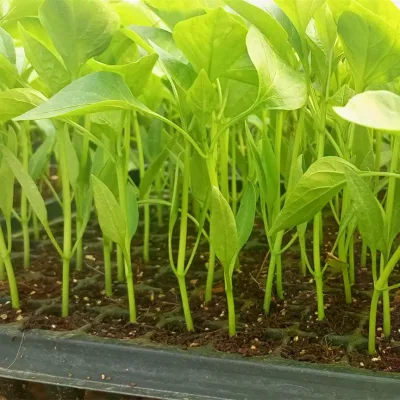
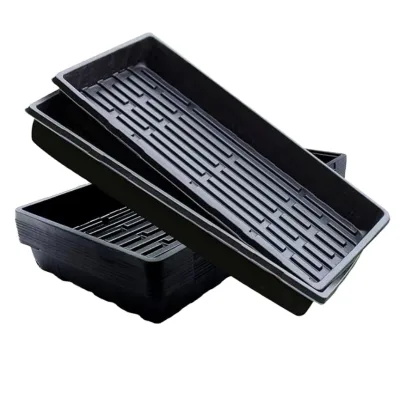
Plant Growing Trays Seedling Tray Germination Tray for Seedlings Growing Micro Greens
$0.60 - $0.90
MOQ: 120 Pieces






Comprehensive Sourcing Guide
Strategic Sourcing Guide for Stackable Rectangular Planting Trays
The global demand for efficient agricultural infrastructure has elevated the importance of Stackable Rectangular Planting Trays in modern horticulture. These components serve as the foundational unit for seedling propagation, hydroponic systems, and controlled environment agriculture. For procurement professionals, navigating the market requires a disciplined approach that distinguishes between generic plastic containers and engineered solutions designed for specific agricultural cycles. The following guide synthesizes observed market data and technical specifications to provide a framework for sourcing these critical assets without relying on unverified claims or speculative data.
Technical Specifications and Material Composition
The core functionality of a stackable rectangular planting tray relies heavily on its material composition and geometric design. Market observations indicate that the primary material for these units is plastic, with specific references to Polypropylene (PP) and Polystyrene (PS) as common variants. The choice between PP and PS often dictates the tray's flexibility, durability, and resistance to chemical degradation within hydroponic or greenhouse environments. Buyers must verify the specific plastic type for their intended application, as PP generally offers superior chemical resistance and flexibility compared to PS, which may be more rigid but prone to cracking under stress.
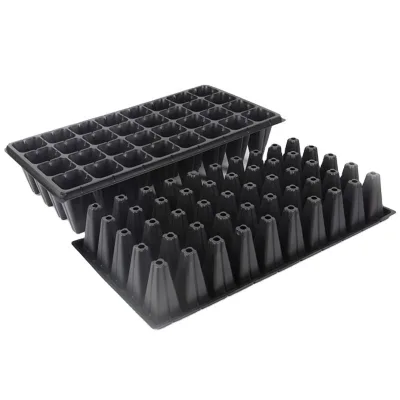
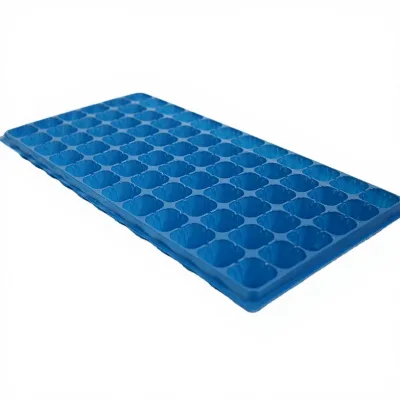
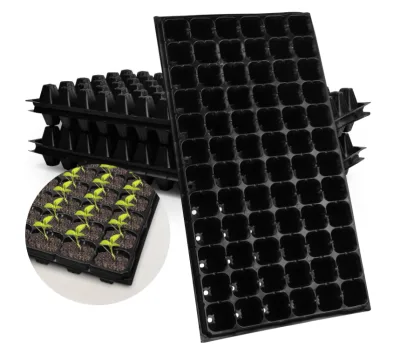
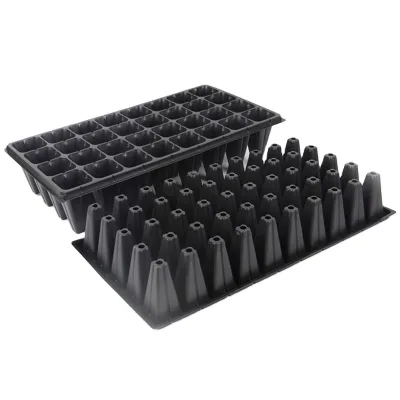
The physical form factor is equally critical. The standard shape for these units is rectangular, designed to maximize floor space utilization in greenhouses and vertical farming setups. Dimensions vary significantly based on the intended cell configuration. Observed standards include specific size profiles such as 54028050mm and 54 x 28 x 24cm, alongside larger formats like 60030035mm. These variations are not arbitrary; they correspond to different cell counts and tray depths. For instance, some models are specified as having 50 cells, while others offer customizable cell configurations to suit specific seed sizes. The depth of the tray, often ranging from 24mm to 50mm, influences the root volume available to the seedling, a factor that must align with the crop cycle duration.
Finishing processes also play a role in the product's longevity and usability. While some trays are supplied in a "Not Coated" state to maintain the natural properties of the plastic, others undergo a powder-coated process. This finishing choice impacts the surface texture and potential for algae growth or chemical adhesion. Additionally, the structural integrity is often enhanced by features such as permeability ratings, with some observed units boasting a 95% permeability rate, which is essential for drainage in hydroponic systems. The presence of apertures, such as 3mm holes, further facilitates water management and aeration, preventing root rot in high-moisture environments.
Compliance, Certification, and Safety Standards
In the B2B agricultural sector, compliance is not merely a regulatory formality but a prerequisite for market access and operational safety. When sourcing Stackable Rectangular Planting Trays, buyers must prioritize products that carry recognized certifications. Observed market data highlights the presence of CE and RoHS certifications for specific models, indicating adherence to European safety, health, and environmental protection requirements. These certifications are particularly relevant for suppliers exporting to the European Union and other regions with strict chemical and safety regulations.
The RoHS (Restriction of Hazardous Substances) directive ensures that the plastic materials used do not contain excessive levels of lead, mercury, cadmium, or other hazardous substances. This is critical for products intended for food-grade applications, such as growing vegetables or herbs for human consumption. The CE marking confirms that the product meets EU safety standards, which is a strong indicator of quality control in the manufacturing process. However, buyers should not assume that all listed products possess these certifications; verification against the specific product model number is necessary. For example, while some models like GN06 or GN088 are associated with these certifications, others may not be.
Furthermore, the production method is a key indicator of quality. Most observed units are manufactured using mechanical production methods, which generally offer consistency and repeatability compared to manual assembly. This mechanical precision ensures that the stacking mechanisms and cell dimensions remain uniform across large batches, which is vital for automated greenhouse systems. Buyers should request documentation proving that the manufacturing process adheres to these mechanical standards and that the final products have undergone relevant quality checks before shipment.
Cost Drivers and Pricing Dynamics
Understanding the cost structure of Stackable Rectangular Planting Trays is essential for budgeting and negotiation. The observed price range in the market spans from $0.02 to $2.10 per unit, a wide variance that reflects differences in material quality, size, complexity, and order volume. The primary cost driver is the material type; PP trays typically command a higher price point than PS trays due to the superior durability and chemical resistance of polypropylene. Additionally, the size of the tray directly impacts the amount of raw material required, influencing the unit cost.
Order volume is another significant factor. The Minimum Order Quantity (MOQ) observed in the market ranges from 120 pieces to 1,000,000 pieces. Smaller MOQs, such as 120 pieces, are often associated with custom orders or smaller-scale buyers, while larger volumes allow for economies of scale that can reduce the per-unit cost. Buyers should be aware that prices at the lower end of the range may correspond to smaller, simpler trays with basic features, whereas the higher end likely includes larger, more robust trays with advanced features like powder coating or specific cell configurations.
Packaging also contributes to the overall cost. Standard packaging involves carton boxes, with specific configurations such as 120 pieces per carton. The efficiency of the packaging design affects shipping costs, particularly for international procurement. Buyers should evaluate whether the packaging is optimized for stackability and protection during transit to minimize damage and reduce logistics expenses. Customization options, such as specific cell counts or branding, may also incur additional costs, which should be factored into the total procurement budget.
Typical Applications and Operational Use Cases
Stackable Rectangular Planting Trays are versatile tools used across a spectrum of agricultural applications. The primary use case is seedling propagation in greenhouses, where the trays provide a controlled environment for germination and early growth. The rectangular shape allows for efficient stacking, maximizing vertical space in facilities where floor area is limited. This feature is particularly valuable in commercial nurseries and large-scale agricultural operations.
Beyond traditional greenhouse planting, these trays are integral to hydroponic systems, including NFT (Nutrient Film Technique), aeroponic, and aquaponic setups. The permeability and aperture design of the trays facilitate the flow of nutrient solutions and ensure adequate oxygenation for the root systems. Some models are specifically designed for use in NFT hydroponic systems, where the precise fit and drainage capabilities are critical for system performance. The ability to customize cell counts allows growers to tailor the tray to the specific needs of different crops, from small flowers to larger vegetables.
The application extends to home gardening as well, with some models designed for simple, flat tray styles suitable for residential use. The lightweight nature of these plastic trays makes them easy to handle and move, which is beneficial for both commercial and domestic users. The "Floor Type" designation indicates that some trays are designed to be placed directly on the ground or on raised benches, providing flexibility in layout design. Whether for commercial production or personal gardening, the stackable rectangular design remains a fundamental component of modern planting strategies.
Supplier Evaluation and Quality Assurance
Selecting the right supplier requires a rigorous evaluation process that goes beyond price comparisons. Buyers should prioritize suppliers who demonstrate transparency in their product specifications and manufacturing capabilities. The availability of customization is a key differentiator; suppliers offering "Customization: Available" can adapt the tray design to meet specific client needs, such as unique cell counts or dimensions. This flexibility is often a sign of a mature manufacturing operation capable of handling complex orders.
Quality assurance should be a central part of the supplier evaluation. Buyers must verify that the supplier adheres to consistent production standards, such as the mechanical production methods observed in the market. Requesting samples is a practical step to assess the physical quality of the trays, including the finish, structural integrity, and accuracy of the dimensions. It is also important to check for consistency in the product model numbers, as variations in models like AM-P037, AM-P038, or GN series indicate different product lines with distinct features.
The origin of the product is another factor to consider. Most observed products originate from China, a major hub for plastic manufacturing. While this offers access to a wide range of suppliers and competitive pricing, buyers should ensure that the supplier has a robust quality control system in place to maintain consistency. Documentation regarding the production process, material sourcing, and quality checks should be readily available. Additionally, the supplier's ability to meet the MOQ requirements and provide reliable lead times is crucial for maintaining a steady supply chain.
Long-Term Procurement Considerations
Sourcing Stackable Rectangular Planting Trays is not a one-time transaction but a long-term partnership that requires strategic planning. Buyers should consider the lifecycle of the product, including its durability and resistance to wear and tear. Trays made from high-quality PP are likely to last longer than those made from PS, reducing the frequency of replacement and the overall cost of ownership. The ability to stack the trays efficiently also reduces storage space requirements, which is a significant operational benefit for large-scale operations.
Sustainability is increasingly becoming a priority in procurement. Buyers should inquire about the recyclability of the plastic materials used and the supplier's commitment to environmental standards. Certifications like RoHS are a positive indicator, but broader sustainability practices, such as the use of recycled materials or energy-efficient manufacturing processes, should also be evaluated. The packaging materials, such as carton boxes, should be sourced from sustainable suppliers to minimize the environmental footprint of the procurement process.
Finally, buyers should establish clear communication channels with their suppliers to ensure that any changes in requirements or specifications can be addressed promptly. A reliable supplier will be responsive to inquiries and capable of adapting to market changes. By focusing on long-term relationships and strategic alignment, buyers can secure a steady supply of high-quality Stackable Rectangular Planting Trays that meet their operational needs and support their agricultural goals.
FAQs
What materials are used for Stackable Rectangular Planting Trays?
The primary materials are plastic, specifically Polypropylene (PP) and Polystyrene (PS). PP offers superior chemical resistance while PS is more rigid. Buyers must verify the specific plastic type for their intended application to ensure durability.
Which certifications should I look for in these trays?
Look for CE and RoHS certifications on specific models like GN06 or GN088. These indicate adherence to European safety and environmental standards. Verification against the specific product model number is necessary as not all listed products possess these certifications.
How do dimensions affect the tray performance?
Standard sizes include 540*280*50mm and 54 x 28 x 24cm, influencing root volume and cell count. Depth ranges from 24mm to 50mm, affecting the crop cycle duration. The rectangular shape maximizes floor space utilization in greenhouses.
Can I customize the cell configuration of the trays?
Yes, customization is available for cell counts and dimensions to suit specific seed sizes. Some models offer customizable cells, while others have fixed counts like 50 cells. This flexibility allows growers to tailor the tray to different crops.
What is the typical price range for these trays?
The observed price range spans from $0.02 to $2.10 per unit. Costs vary based on material quality, size, and order volume. Smaller MOQs may cost more per unit, while larger volumes allow for economies of scale.
How are these trays packaged for shipping?
Standard packaging involves carton boxes, often configured as 120 pieces per carton. The packaging design affects shipping costs and protection during transit. Buyers should evaluate if the packaging is optimized for stackability to minimize damage.
Where are these products typically manufactured?
Most observed products originate from China, a major hub for plastic manufacturing. Buyers should ensure the supplier has a robust quality control system in place. Documentation regarding the production process and material sourcing should be readily available.