Source Stainless Steel 430 Dinnerware Set for Hotel Restaurant Home
Compare 28 Stainless Steel 430 Dinnerware Set options from verified suppliers. Buyers can evaluate models like JS-AL001 and LO-0745 based on certifications, MOQs, and delivery times for hotel, restaurant, and home applications.
Key considerations
Products List


Wholesale New Design Stainless Steel Dinnerware Flatware Set for Wedding
$0.95 - $1.02
MOQ: 200 pieces
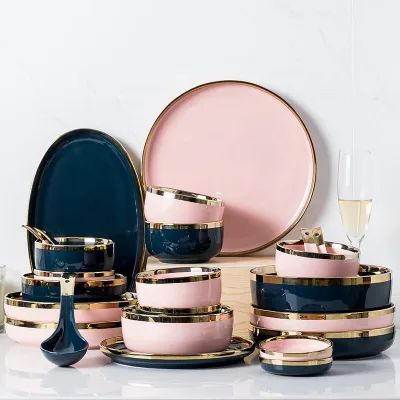


Silver Plated Stylish and Elegant Customized Stainless Steel Tableware Set
$0.64 - $0.75
MOQ: 100 Pieces


Fine Dining Multi-Colored Stainless Steel Tableware Set with Square Handle
$1.46 - $1.70
MOQ: 100 Pieces


Comprehensive Sourcing Guide
Strategic Sourcing Guide for Stainless Steel 430 Dinnerware Sets
Navigating the global market for stainless steel dinnerware requires a nuanced understanding of material properties, supply chain logistics, and regulatory compliance. While the core keyword often centers on specific grades like 430, the broader category of stainless steel cutlery and tableware encompasses a wide array of alloys, finishes, and manufacturing standards. Buyers must distinguish between the magnetic properties of 430 stainless steel and the corrosion resistance of 300-series alloys to ensure the selected product meets the intended application. This guide provides a structured approach to evaluating suppliers, verifying material authenticity, and managing procurement risks for stainless steel dinnerware sets.
Material Composition and Alloy Verification
The foundation of any successful procurement strategy lies in verifying the specific alloy composition. Stainless steel 430 is a ferritic stainless steel known for its magnetic properties and moderate corrosion resistance. It is generally less expensive than austenitic grades like 304 or 316, making it a cost-effective choice for specific applications where high-end corrosion resistance is not the primary driver. However, the market often presents a mix of grades, including SUS304 and 201, as observed in various product listings.
When sourcing, buyers must explicitly request mill test certificates or material analysis reports to confirm the grade. Relying solely on the term "stainless steel" is insufficient, as the performance characteristics vary drastically between grades. For instance, while 430 is suitable for indoor dining environments, it may be more prone to rusting in harsh, high-humidity, or high-salt environments compared to 304. The presence of "SUS304 / 201" in product descriptions indicates that some suppliers may offer mixed-grade sets or that the specific grade is a variable option. Buyers should clarify whether the 430 grade is a fixed specification or an alternative to higher-grade options. The material's magnetic nature is a key differentiator; if a buyer requires non-magnetic cutlery for specific industrial or laboratory settings, 430 would be unsuitable, and a 300-series alloy would be necessary.
Compliance, Certification, and Safety Standards
Food safety is paramount when sourcing dinnerware. The supply chain for stainless steel tableware is heavily regulated, particularly for products intended for export to North America and the European Union. Buyers must verify that suppliers possess valid certifications from recognized bodies. Common certifications observed in the industry include FDA (Food and Drug Administration) for the United States, LFGB (German Food and Feed Code) for Europe, and CE/EU compliance.
The presence of certifications such as CIQ (China Inspection and Quarantine) and EEC (European Economic Community) marks indicates that the product has undergone specific safety testing for food contact materials. These certifications ensure that the steel does not leach harmful substances like lead or cadmium into food. It is critical to note that certification status is not universal; some listings may show "FDA, LFGB" while others display a broader range including "CE/EU, FDA, CIQ, LFGB, EEC." Buyers should not assume that a product is certified simply because it is stainless steel. Each batch of production may require re-certification, and the supplier must provide up-to-date documentation. Additionally, the "prod_standard" field often references "See below list" or "Normal," which is vague. Procurement teams must demand a specific list of standards (e.g., ASTM, EN, or GB standards) that the product adheres to, rather than accepting generic descriptors.
Cost Drivers and Pricing Dynamics
The price of stainless steel dinnerware sets is influenced by several volatile factors, including raw material costs, manufacturing complexity, and logistics. The observed price range in the market spans from $0.30 to $399.00 USD per unit or set. This wide disparity is driven by the grade of steel, the complexity of the design, the finish quality, and the quantity ordered.
A primary cost driver is the stainless steel grade. 430 is typically lower in cost than 304 or 316 due to the absence of nickel, which is a significant component of the latter alloys. However, the finish also plays a crucial role. Products described with a "High Mirror Polish" finish require additional processing steps, such as buffing and polishing, which increase labor costs compared to a standard brushed or matte finish. Furthermore, the "Type" of the product, such as "Simple Handle" versus "Artistic" designs, impacts the molding and assembly costs.
Order volume is another critical determinant. The Minimum Order Quantity (MOQ) varies significantly, ranging from 1 unit to 5,000 pieces. High-volume orders often secure a lower unit price, but the MOQ can be a barrier for smaller buyers. Some suppliers offer "Stocked" items with lower MOQs (e.g., 200 sets), while custom orders may require an MOQ of 1,000 or 5,000 pieces. Buyers must calculate the total landed cost, including shipping and duties, as a low unit price can be offset by high freight costs, especially for heavy steel products.
Manufacturing Lead Times and Supply Chain Logistics
Time-to-market is a critical factor in procurement planning. The production timeline for stainless steel dinnerware is generally longer than for plastic or disposable alternatives. Standard production times observed in the market range from 7 to 10 days for stocked items, but custom orders typically require 30 to 45 days after the receipt of a deposit.
The "Delivery Time" of 30-45 days is a standard window for custom manufacturing, allowing for material sourcing, forming, polishing, and packaging. Buyers must account for this lead time when planning inventory levels. Delays can occur due to raw material shortages, quality control bottlenecks, or logistical issues at the port of origin. The product origin is predominantly China, which is a major manufacturing hub for steel goods, but buyers should verify the specific factory location to assess logistical risks.
Packaging is another logistical consideration. Standard packaging includes "Carton," "PP Bag + Inner Box + Carton," or "Inner Box and Outcarton Box." The robustness of the packaging is essential to prevent damage during transit, as stainless steel items are heavy and can dent or scratch if not properly cushioned. For high-value mirror-polished items, the packaging must be particularly secure to maintain the aesthetic finish.
Supplier Evaluation and Quality Assurance
Evaluating a supplier requires a multi-faceted approach that goes beyond price comparison. Buyers should assess the supplier's ability to meet specific customization needs. While some products are "Non-Customized" and "Stocked," others offer "Customized" options with features like specific colors or handle types. The availability of "Customization" allows buyers to brand products or tailor them to specific market preferences, but it also introduces complexity in quality control.
Quality assurance protocols must be rigorous. Key attributes to verify include the "Durable" nature of the product, the "Dishwasher Safe" status, and the overall condition (e.g., "New"). A "High Mirror Polish" finish is a visual indicator of quality, but it must be consistent across the entire set. Buyers should request samples to test for durability, corrosion resistance, and finish consistency. The "Feature" of being "Eco-Friendly" is also a selling point, but it must be substantiated by the supplier's manufacturing practices, such as waste reduction or energy efficiency.
When evaluating suppliers, look for those who provide clear specifications for their "prod_model" numbers, such as JS-AL001, JS-250819, or LO-0745. These model numbers help in tracking specific product lines and ensuring consistency across orders. A supplier that can provide a comprehensive list of models and their corresponding specifications demonstrates a higher level of organization and reliability.
Typical Applications and Market Segmentation
Stainless steel dinnerware sets are versatile and serve a wide range of applications. The primary usage sectors include "Hotel," "Restaurant," and "Home" environments. In commercial settings like hotels and restaurants, durability and dishwasher safety are the most critical factors. The "Simple Handle" or "Artistic" styles cater to different aesthetic requirements, with modern designs fitting contemporary hotel lobbies and traditional styles suiting fine dining establishments.
For home use, the focus often shifts to aesthetics and ease of cleaning. The "Multicolor" or "Unicolor" options allow homeowners to match their tableware with their decor. Specific color options, such as "Navy Blue" for spoons, sauce dishes, bowls, and plates, indicate that some suppliers offer coordinated sets. The "Kind" of product, such as "Cabinet" storage compatibility, is also relevant for home buyers who need to optimize kitchen space.
The "Application" of eating delicious food is the universal function, but the specific design elements must align with the dining experience. For example, a "Deep plate" or "Platter plate" is suitable for serving larger portions, while a "Sauce dish" is essential for condiments. Buyers should ensure that the selected set includes all necessary components for their target market, whether it is a full service for a restaurant or a limited set for a household.
Long-Term Procurement Considerations
Sourcing stainless steel dinnerware is not a one-time transaction but a long-term partnership. Buyers must consider the scalability of their orders and the supplier's ability to maintain quality over time. The "Production Time" of 1 week for stocked items suggests that suppliers can handle urgent restocking needs, but custom orders require longer lead times.
Sustainability is becoming an increasingly important factor. The "Eco-Friendly" feature, combined with the "Non-Disposable" nature of stainless steel, aligns with global trends toward reducing waste. Buyers should inquire about the supplier's environmental policies and whether they use recyclable packaging materials.
Finally, buyers must plan for the lifecycle of the product. Stainless steel is known for its longevity, but the finish can degrade over time if not cared for properly. Providing clear usage instructions to end-users, such as avoiding abrasive cleaners that might scratch a mirror polish, can extend the product's life and maintain customer satisfaction. By focusing on these long-term factors, buyers can build a resilient supply chain that delivers value over time.
FAQs
What certifications do stainless steel 430 dinnerware sets have?
Products typically hold FDA, LFGB, CE/EU, CIQ, and EEC certifications. These ensure safety for food contact, though specific listings may vary between sets showing only FDA and LFGB or a broader range including CE and CIQ.
How long is the delivery time for custom orders?
Custom orders generally require 30 to 45 days after receiving the deposit. Stocked items may be available faster with production times of 7 to 10 days or one week depending on the specific model and supplier capacity.
Which stainless steel grades are used in these sets?
Common grades include SUS304 and 201, though the core keyword specifies 430. Buyers should verify mill test certificates as some listings explicitly mention SUS304 or 201, while others may offer 430 as an option or alternative.
What is the minimum order quantity for these sets?
MOQs vary significantly from 1 unit to 5000 pieces depending on the product. Customized items often require 1000 or 5000 pieces, while stocked sets may have lower thresholds like 200 sets or even single unit availability.
Can these dinnerware sets be customized for branding?
Yes, customization is available for specific models and features. However, some listings indicate non-customized or stocked options, so buyers must confirm if the specific model allows for custom colors, handles, or packaging designs.
Are these stainless steel sets dishwasher safe?
Many listed sets are confirmed as dishwasher safe. This durability feature is standard for items intended for hotel, restaurant, and home use, ensuring they withstand repeated washing cycles without damage.
What packaging is used for shipping these dinnerware sets?
Packaging typically includes cartons, PP bags with inner boxes, or inner and outer cartons. The robustness varies by product, with some sets using specific inner boxes and safe outcartons to protect the high mirror polish finish.