Source Stainless Steel A4 Laminator Tray for Card, Food, Egg
Compare 30 listings for Stainless Steel A4 Laminator Tray options from Wuhan, Hubei. Buyers can evaluate models with hardened steel or 304 stainless steel, varying sizes, and packaging types for card, food, and egg applications; compare the available evidence and request quotations based on your requirements.
Key considerations
Products List




Comprehensive Sourcing Guide
Stainless Steel A4 Laminator Tray Sourcing Guide
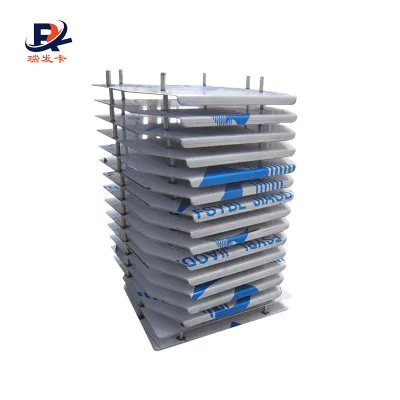
Buyers must first distinguish between the specific laminator tray component and the complete machine assembly, as listings often conflate the two. The observed product data indicates a "Laminated tray" designed for A4 paper sizes, constructed from stainless steel with a polished or sand-blasted surface finish. This distinction is critical because the tray serves as the internal mechanism for protecting PVC sheets during the fusing process, rather than the entire heating unit itself.
Procurement teams should verify that the listed "A4 Manual Card Fusing Laminator Machine" includes the specific tray component required for their workflow. The observed listings describe the tray as having smooth, round corners and a capacity of 25kg, which suggests a robust design for high-volume office or industrial environments. Confirming that the tray is non-disposable and made of 304 stainless steel ensures long-term durability against heat and chemical exposure during lamination cycles.
Product Scope and Observed Listing Signals
The market signals for this component reveal a wide variance in packaging and model specifications, ranging from standard export paper boxes to wooden safety packing. Buyers should expect to see model identifiers such as "2510301504" or dimensional codes like "30cm/35cm/40cm" associated with the tray, which may indicate different capacity tiers or compatibility with various machine frames. This variability requires careful cross-referencing of the physical dimensions against the buyer's existing equipment to ensure a proper fit.
Observations of the product attributes highlight that customization is available, allowing suppliers to adjust the upper opening size to specific requirements like 600400120 mm. However, the presence of "Food" and "Egg" usage tags in some listings suggests that similar stainless steel trays may be marketed for culinary applications, creating potential confusion in product categorization. Buyers must explicitly confirm that the stainless steel tray is intended for office lamination machinery and not for food processing equipment to avoid compliance issues.
Technical Specifications to Verify
Technical verification begins with confirming the material grade, as listings cite both "hardened steel" and "304 Stainless Steel" as primary construction materials. The 304 grade is generally preferred for its superior corrosion resistance and ability to withstand the thermal stress of lamination processes without degrading. Buyers should request mill certificates or material test reports to validate that the stainless steel meets the specified grade, ensuring the tray will not rust or warp under repeated heating cycles.
Dimensional accuracy is another critical specification, with observed single package sizes reaching 70x60x30 cm and gross weights up to 8.0 kg. The tray must accommodate A4 paper sizes while maintaining a smooth, polished surface to prevent paper jams or damage to the PVC sheets being laminated. Buyers should measure the internal cavity and edge profiles to ensure they match the machine's feed mechanism, as discrepancies in the "upper opening size" can lead to operational failures or misalignment during the fusing process.
Compliance and Safety Documentation
Safety compliance is a primary concern when sourcing equipment that involves heat and mechanical movement, with CE/EU certification appearing as a key standard in the observed data. Buyers must verify that the laminator machine and its tray assembly have undergone the necessary safety assessments to meet European Union directives regarding machinery safety. This documentation ensures that the product has been tested for electrical safety, thermal protection, and mechanical guarding, reducing the risk of injury during operation.
In addition to general machinery safety, buyers should check for specific material safety certifications if the tray is used in environments where food contact is a possibility, despite the primary application being card lamination. While the observed data mentions "Food" usage, the primary function is protecting PVC sheets, so the focus should remain on industrial safety standards. Ensuring that the supplier provides a Declaration of Conformity for the CE mark is essential for importing the equipment into regulated markets without customs delays.
Cost Drivers and Commercial Terms
The cost of the stainless steel tray is influenced by the material grade, surface finishing process, and the complexity of the customization options available. Listings indicate a price range from $0.02 to $300, which likely reflects the difference between a standalone replacement tray and a complete laminator machine unit. Buyers should clarify whether the quoted price includes the tray only or the entire assembly, as the "Single item" selling unit designation can be ambiguous in mixed listings.
Commercial terms such as MOQ and lead times vary significantly, with observed minimum order quantities ranging from 1 piece to 30,000 units. For small procurement needs, the ability to order a single piece is advantageous, but bulk orders may offer better unit economics. Buyers should negotiate clear terms regarding shipping, as the single gross weight of 8.0 kg and large package dimensions can impact freight costs, especially when sourcing from Wuhan, Hubei, or other Chinese origins.
Supplier Qualification and Quality Control
Supplier qualification requires a thorough review of their manufacturing capabilities, particularly their ability to produce high-quality stainless steel components with consistent surface finishes. The observed attributes of "High Quality" and "Customizable" suggest that suppliers can tailor the tray to specific needs, but buyers must verify their quality control processes to ensure consistency across batches. Requesting samples or visiting the facility in Hubei, China, can provide insight into their production standards and material handling practices.
Quality control checks should focus on the structural integrity of the tray, ensuring that the smooth, round corners are free from burrs that could damage documents or the machine. Buyers should also inspect the packaging, which ranges from simple OPP bags to wooden safety packing, to ensure the product arrives without damage during transit. Establishing a clear acceptance criteria for the tray's dimensions and surface finish is essential to maintain operational efficiency and prevent downtime caused by defective components.
Long-Term Procurement Checks
Long-term procurement success depends on the availability of spare parts and the supplier's ability to support the product over its lifecycle. Since the tray is a non-disposable component, buyers should verify the supplier's inventory levels for replacement parts and their lead times for restocking. The "Stocked" attribute in the listings is a positive indicator, but buyers should confirm that this stock is maintained consistently to avoid production delays if the tray requires replacement due to wear or damage.
Buyers should also monitor the supplier's adherence to evolving safety and environmental standards, as regulations regarding stainless steel usage and machinery safety may change. Establishing a relationship with a supplier who offers customization and logo services can provide a competitive advantage, allowing for branded equipment that meets specific corporate standards. Regular audits of the supplier's quality management system will ensure that the stainless steel trays continue to meet the required performance and safety benchmarks over time.
FAQs
What is the material of the laminator tray?
The laminator tray is constructed from stainless steel, specifically 304 stainless steel, ensuring durability and resistance to corrosion. This material choice supports the machine's function in protecting PVC sheets while maintaining a smooth, polished surface for consistent lamination results.
Can the product be customized for specific needs?
Yes, customization is available for this laminator tray to meet specific buyer requirements. The product features a customizable logo and allows for adjustments, ensuring that the final equipment aligns with unique operational standards or branding preferences required by the purchaser.
What is the minimum order quantity for this item?
The minimum order quantity is one piece, allowing buyers to purchase single units without needing to meet high volume thresholds. This low MOQ facilitates testing and small-scale procurement, making it accessible for various business sizes and initial inventory needs.
How is the product packed for shipping?
The product is packed in a standard export paper box, often combined with an OPP bag and carton for added protection. Some listings also mention wooden safety packing or color boxes, ensuring the laminator tray arrives safely and is ready for immediate industrial or commercial use.
Where is the product manufactured?
The product originates from Wuhan, Hubei, China, a region known for its manufacturing capabilities. This location ensures that the stainless steel laminator tray is produced in a facility equipped to handle the specific requirements of industrial machinery and export standards.
What certifications does the laminator tray hold?
The product holds CE and EU certifications, indicating compliance with relevant safety and quality standards for the European market. These certifications verify that the manufacturing process and final product meet rigorous regulatory requirements for electrical and mechanical safety in industrial applications.
What is the weight of a single package?
A single package weighs approximately 8.0 kilograms gross, with the product itself weighing 2 kilograms. This weight specification is critical for logistics planning, ensuring that shipping costs and handling requirements are accurately calculated for international delivery to the buyer.