Source Stainless Steel Industrial Cam Lock for Cabinets, Lockers, Equipment
Compare 30 Stainless Steel Industrial Cam Lock options from verified Chinese suppliers. View specifications like 22mm hole size, quarter-turn mechanisms, and waterproof features for industrial cabinets, lockers, and fire alarm systems; compare the available evidence and request quotations based on your requirements.
Updated
Key considerations
Products List

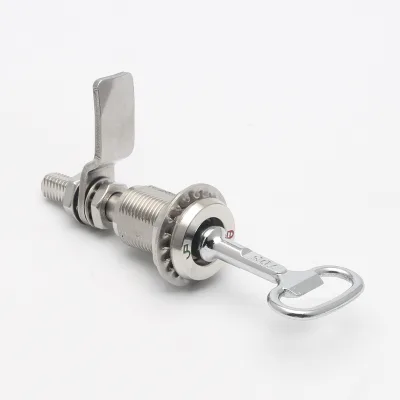
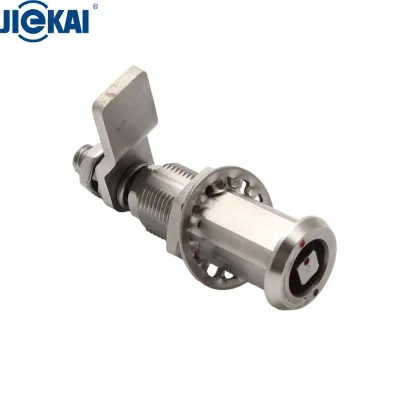
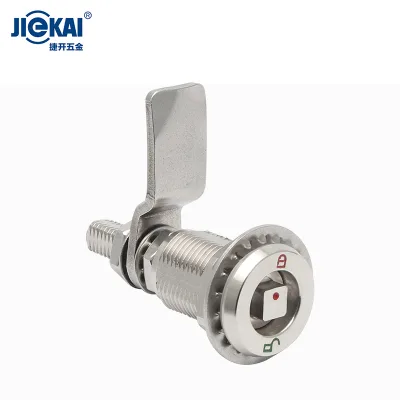
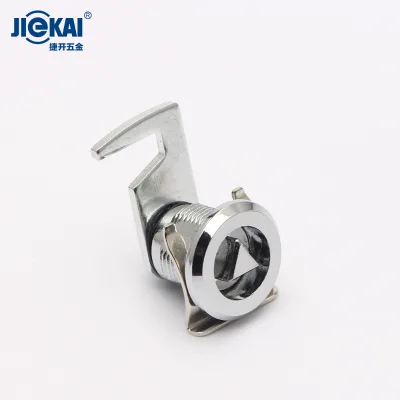
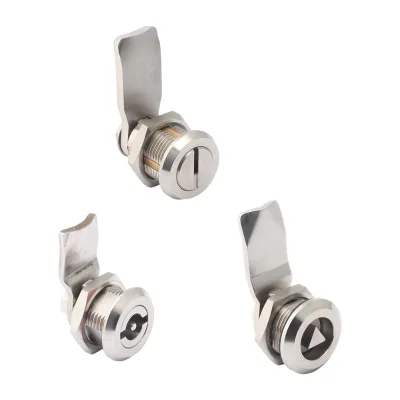

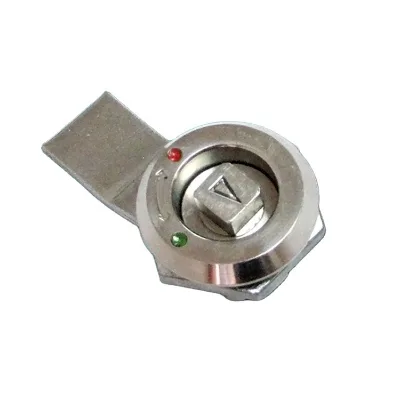
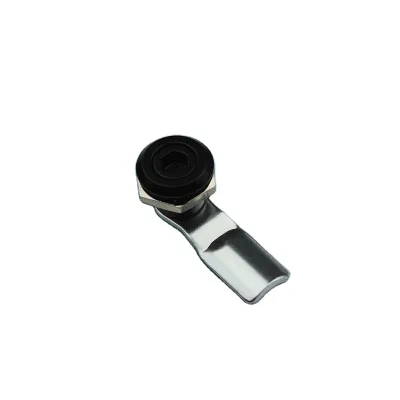
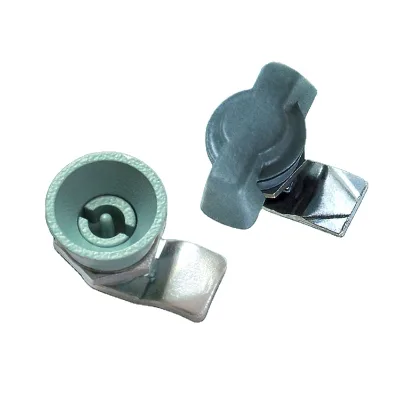
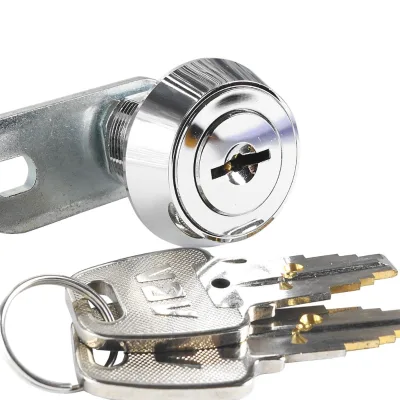
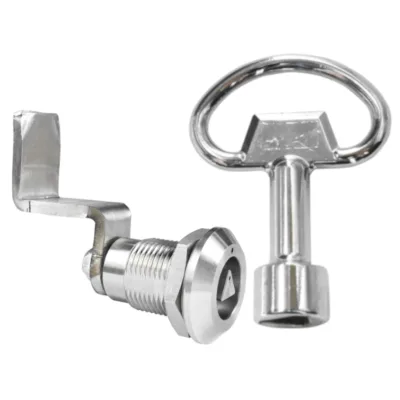
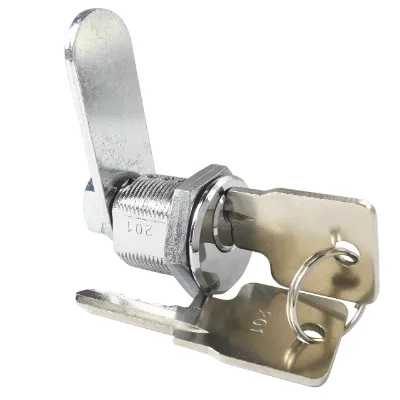
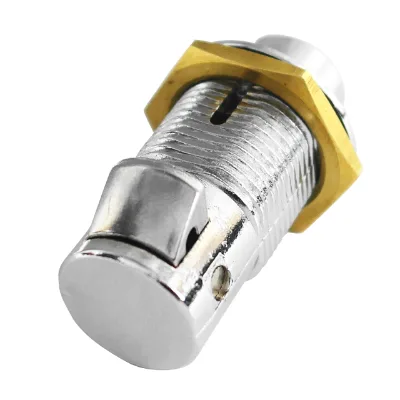
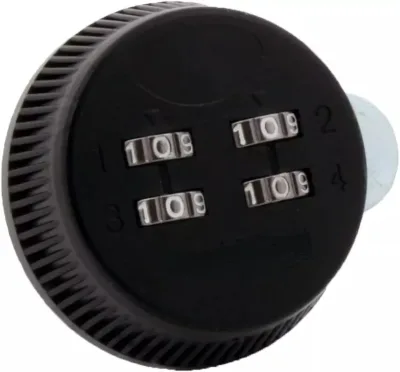


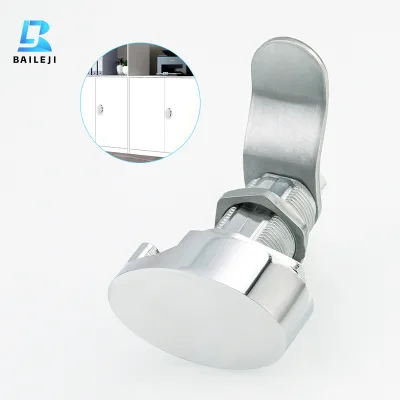
304 Stainless Steel Waterproof Cover Cam Lock for Industrial Electrical Cabinet Doors
$3.10 - $3.30
MOQ: 100 Pieces

Comprehensive Sourcing Guide
Stainless Steel Industrial Cam Lock Sourcing Guide
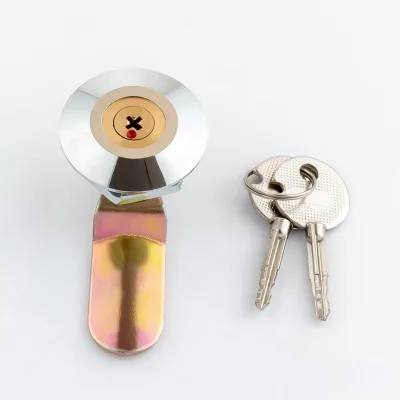
Procuring stainless steel industrial cam locks requires a disciplined approach to material verification and mechanical specification alignment. Buyers must distinguish between true stainless steel components and zinc alloy alternatives that may feature chrome plating to mimic a stainless appearance. The observed market data indicates a wide variance in material composition, with some listings explicitly stating stainless steel while others specify zinc alloy with bright chrome or charmer plating finishes. This distinction is critical for applications involving moisture, chemical exposure, or high-traffic industrial environments where corrosion resistance is non-negotiable.
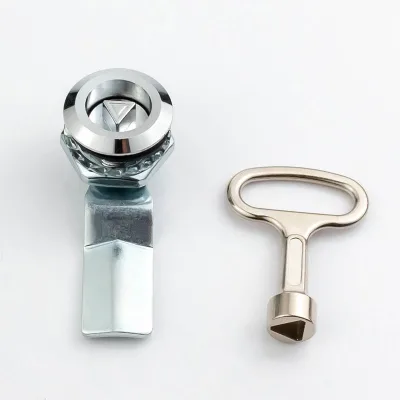
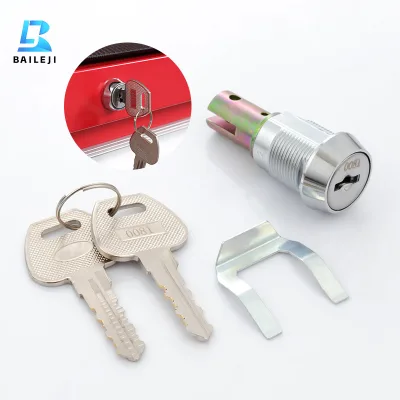
Beyond material, the locking mechanism itself demands precise evaluation. The catalog reveals a mix of quarter-turn cam latches and cylinder cam locks, each serving different security and operational needs. Quarter-turn mechanisms offer rapid access and are often keyless, suitable for internal cabinet organization, whereas cylinder locks provide higher security for external or sensitive equipment access. Buyers must verify the turn angle, typically observed at 90 degrees, and ensure the backset and hole size match their existing panel cutouts to avoid costly retooling or installation delays.
Product Scope and Observed Listing Signals
The current market landscape for these components shows a diverse range of product models, including DK-071G1, SC620, and JKKH0066, each catering to specific industrial cabinet and equipment applications. Pricing signals vary significantly, with observed ranges spanning from $0.41 to $16.47 USD, reflecting differences in material grade, plating quality, and brand positioning. Minimum order quantities also fluctuate widely, from single units to 1,000 pieces, allowing both prototype developers and large-scale manufacturers to source appropriately without excessive inventory commitment.
Packaging and logistical details further define the procurement experience. Products are typically shipped in carton bags or standard cartons, with single package weights ranging from 0.3 kg to 0.5 kg. Dimensions vary, with some packages measuring 23x17.5x11 cm while others are more compact at 16x11x10 cm. These physical attributes impact shipping costs and storage requirements, particularly for international buyers utilizing agents like DHL, FedEx, or Alibaba Logistics. Understanding these logistical footprints helps in calculating the total landed cost and planning warehouse space efficiently.
Technical Specifications to Verify
Dimensional accuracy is paramount when selecting cam locks for industrial use. Key specifications to verify include hole sizes, which have been observed at diameters of 22 mm and rectangular dimensions of 19x16 mm. The backset, a critical measurement for alignment, appears in both standard configurations and specific 50 mm variants. Buyers must cross-reference these measurements with their equipment’s panel thickness and cutout dimensions to ensure a secure fit. Incorrect hole sizing can lead to loose fittings, compromised security, and potential damage to the locking mechanism during operation.
The finish and surface treatment also play a vital role in longevity and aesthetics. Observed finishes include bright chrome plating and charmer plating, applied over either stainless steel or zinc alloy substrates. While stainless steel offers inherent rust resistance, the plating adds an extra layer of protection and visual appeal. Additionally, features such as waterproofing and anti-theft capabilities should be confirmed for specific use cases. For instance, locks intended for fire alarm systems or outdoor equipment may require enhanced sealing and durability features that go beyond basic mechanical function.
Compliance and Safety Documentation
While specific certification statuses are not uniformly confirmed across all listings, buyers should proactively request documentation for standards such as ISO 9001:2015, EN 14420-7, CE, and RoHS. These certifications indicate adherence to quality management systems, specific product standards, and environmental safety regulations. For industrial applications, particularly those involving electrical systems like fire alarms, compliance with relevant safety standards is essential to ensure the lock does not interfere with system functionality or pose a hazard.
Documentation should also cover material safety and environmental impact. Buyers must verify that the plating processes and base materials comply with RoHS directives, restricting hazardous substances in electrical and electronic equipment. Additionally, requesting test reports for corrosion resistance, tensile strength, and cycle life can provide assurance of product reliability. Although some listings mention warranties of 1-2 years, this should be backed by concrete quality assurance protocols and clear terms for defect resolution.
Cost Drivers and Commercial Terms
Several factors influence the final cost of stainless steel industrial cam locks. Material grade is a primary driver, with true stainless steel commanding a premium over zinc alloy alternatives. The complexity of the locking mechanism, such as the inclusion of keys or specialized waterproofing, also adds to the cost. Customization options, including logo engraving or specific color finishes, may incur additional charges. Buyers should evaluate the total value proposition, balancing upfront costs against long-term durability and maintenance requirements.
Commercial terms vary among suppliers, with payment methods like T/T being common. Lead times and shipping arrangements should be clarified early in the negotiation process. Some suppliers offer flexible shipping agents, which can affect delivery speed and cost. Buyers should also consider the impact of MOQs on pricing; larger orders often benefit from volume discounts. Understanding these commercial dynamics helps in budgeting accurately and negotiating favorable terms that align with the project’s financial constraints and timeline.
Supplier Qualification and Quality Control
Evaluating supplier capability is crucial for ensuring consistent product quality. Buyers should assess the supplier’s manufacturing processes, including their ability to maintain tight tolerances for hole sizes and backsets. The presence of customization services, such as laser engraving, indicates a level of operational flexibility and attention to detail. Suppliers with a strong track record in industrial applications are more likely to deliver products that meet rigorous performance standards.
Quality control measures should be explicitly discussed. Buyers should inquire about inspection protocols, including random sampling and functional testing before shipment. The warranty period, typically 1-2 years, serves as a baseline for expected product lifespan, but buyers should seek clarity on what constitutes a defect and the process for claims. Establishing a clear communication channel for quality issues ensures that any discrepancies are addressed promptly, minimizing production downtime and maintaining supply chain integrity.
Long-Term Procurement Checks
Sustaining a reliable supply of industrial cam locks requires ongoing monitoring and relationship management. Buyers should periodically review supplier performance metrics, including on-time delivery rates, defect rates, and responsiveness to issues. Regular audits or sample testing can help verify that product quality remains consistent over time. Additionally, staying informed about market trends and technological advancements in locking mechanisms can provide opportunities for cost savings or performance improvements.
Building a diversified supplier base can mitigate risks associated with single-source dependencies. Engaging with multiple suppliers allows for comparative analysis and negotiation leverage. Buyers should also consider the long-term availability of spare parts and replacement components. Ensuring that the chosen locks are compatible with existing inventory and future equipment upgrades will facilitate seamless maintenance and expansion. Continuous evaluation and adaptation of procurement strategies are key to optimizing the total cost of ownership and operational efficiency.
FAQs
What materials are used for stainless steel industrial cam locks?
These locks are primarily manufactured from stainless steel and zinc alloy to ensure durability and resistance to corrosion. The stainless steel variants offer high safety and anti-rust properties, making them suitable for industrial cabinets and equipment. Zinc alloy options provide a cost-effective alternative while maintaining structural integrity for standard applications.
What is the typical hole size for these cam locks?
The standard hole size for these cam locks is a diameter of 22 mm. Some specific models may require a rectangular hole size of 19 by 16 mm. Buyers should verify the exact hole dimensions required for their equipment to ensure proper fitment and secure installation during the procurement process.
Can these locks be customized for specific branding needs?
Yes, customization is available for these industrial cam locks. Buyers can request laser engraving for logos or graphic designs on the lock body. This feature allows companies to maintain brand visibility on their equipment while ensuring the locks meet specific functional requirements for industrial cabinets and other industry applications.
What is the minimum order quantity for these products?
The minimum order quantity varies by supplier but typically starts at 100 pieces. Some listings indicate a range from 1 to 1000 pieces depending on the specific model and supplier policies. Buyers should confirm the exact MOQ with the supplier to align with their inventory requirements and budget constraints.
Where are these industrial cam locks manufactured?
These locks are manufactured in China, with specific origins noted in Shandong and Guangdong provinces. This location allows for efficient production and shipping via agents like DHL, FedEx, or Alibaba Logistics. Buyers can leverage this geographic advantage for competitive pricing and reliable supply chain management for their industrial needs.
What warranty is provided for these cam locks?
Manufacturers typically offer a warranty period of 1 to 2 years for these cam locks. This coverage ensures product reliability and durability for industrial applications. Buyers should verify the specific warranty terms with the supplier to understand the scope of coverage and any conditions that may affect the validity of the warranty.