Source K Gold Ceramic Cabinet Handle for Cabinet, Drawer, Wardrobe
Find 30 listings for K Gold Ceramic Cabinet Handle suitable for cabinets, drawers, and wardrobes. Buyers can compare specifications like material, finish, and dimensions from verified suppliers in China; compare the available evidence and request quotations based on your requirements.
Updated
Key considerations
Products List

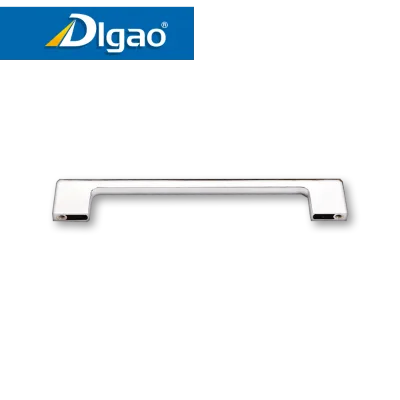
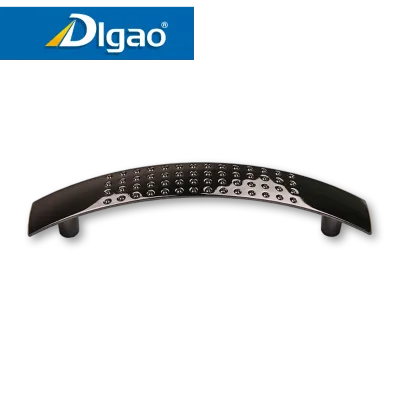
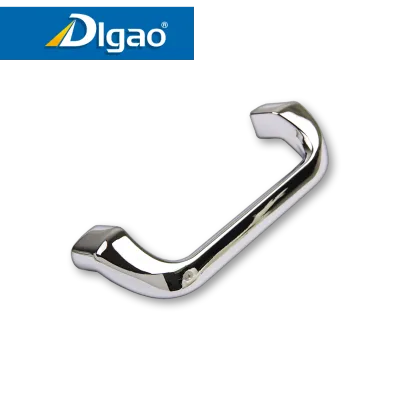
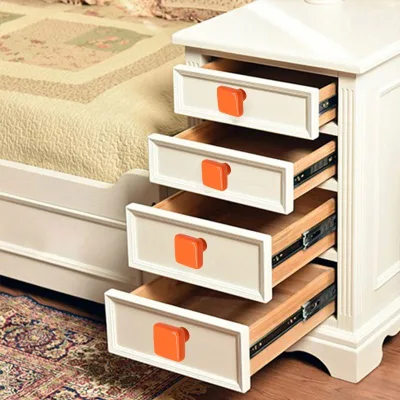
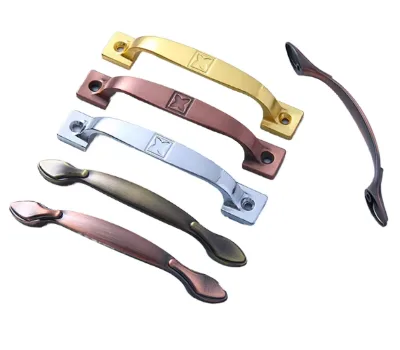
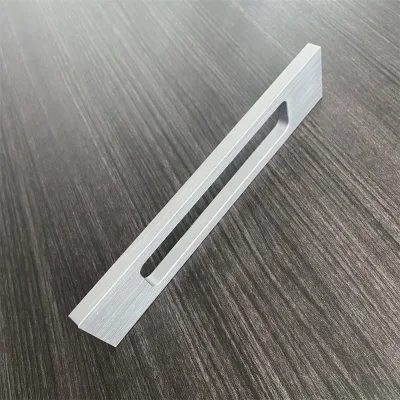
Cupboard Stainless Steel Kitchen Gold Cabinet Handle Drawer Gold Cabinet Handle
$0.16 - $3.60
MOQ: 1000 Pieces














Comprehensive Sourcing Guide
K Gold Ceramic Cabinet Handle Sourcing Guide
Sourcing high-end cabinetry hardware requires a nuanced understanding of material limitations and aesthetic expectations. While the core keyword suggests ceramic components, the available market data indicates a strong prevalence of metal alternatives such as stainless steel, brass, and zinc alloy. Buyers must carefully distinguish between genuine ceramic handles and metallic finishes that mimic ceramic aesthetics, such as PVD coatings or antique brass platings. This distinction is critical for durability assessments, as ceramic is brittle and prone to chipping under impact, whereas metal alloys offer superior tensile strength and resistance to daily wear in high-traffic environments like kitchens and offices.
The visual appeal of "k gold" finishes often relies on advanced surface treatments rather than solid gold composition. Suppliers frequently offer PVD (Physical Vapor Deposition) or custom plating options to achieve the desired luster and color consistency. Procurement teams should verify whether the gold tone is achieved through electroplating, powder coating, or physical vapor deposition, as each method offers different levels of corrosion resistance and longevity. Understanding the specific finish technology helps in predicting how the handle will age over time and whether it will maintain its color integrity when exposed to moisture, cleaning agents, or frequent handling in residential and commercial settings.
Product Scope and Observed Listing Signals
The current market landscape reveals a diverse range of cabinet handles, with significant inventory focused on metal constructions rather than ceramic. Observed listings highlight materials such as stainless steel, brass, and zinc alloy, with models like FH120 and CK1003 representing common structural designs. These products are typically available in various diameters, including 10, 12, and 14mm, and feature standardized hole distances such as 32mm, which is crucial for compatibility with existing cabinet hardware systems. Buyers should note that while ceramic is mentioned in search queries, the dominant supply signals point toward metallic solutions that offer greater durability and easier installation for mass-market applications.
Aesthetic variations are extensive, with finishes ranging from standard stainless steel to specialized options like SSS, PSS, AB, AC, and PVD coatings. Color options include white, gold, black, rose gold, and red copper, catering to modern and antique design trends. The observed price range of $0.16 to $10 USD suggests a wide spectrum of quality tiers, from basic functional hardware to premium decorative pieces. Minimum order quantities typically start at 40 units, making these products accessible for small-scale renovations or boutique furniture projects, while larger orders can leverage economies of scale for commercial fit-outs and large-scale manufacturing contracts.
Technical Specifications to Verify
Dimensional accuracy is paramount when selecting cabinet handles to ensure seamless integration with existing cabinetry. Buyers must verify critical specifications such as total length, diameter, and hole distance, which are often standardized at 32mm for European-style cabinets but vary for other regional standards. The observed data indicates available sizes ranging from 96mm to 320mm in length, with single package dimensions around 22x12x5 cm. Confirming these measurements prevents installation errors and reduces the risk of returns due to fitment issues, especially when sourcing from international suppliers where metric and imperial standards may differ.
Material composition and structural integrity require close scrutiny, particularly for handles intended for heavy doors or high-frequency use. While ceramic is brittle, metal alternatives like brass and zinc alloy offer robust performance, with some products featuring hollow or solid constructions to balance weight and strength. Buyers should request detailed material certificates to confirm the grade of stainless steel or the purity of brass used. Additionally, verifying the rotary mechanism, whether fixed or rotary, ensures the handle operates smoothly without loosening over time, which is essential for maintaining the aesthetic and functional quality of the cabinetry over its lifespan.
Compliance and Safety Documentation
Regulatory compliance is essential for ensuring that cabinet hardware meets safety and environmental standards in target markets. Buyers should verify that suppliers provide relevant certifications, such as Verified status or specific material safety declarations, to confirm that the products do not contain harmful substances like lead or cadmium. This is particularly important for handles used in kitchens and bathrooms, where exposure to food, water, and cleaning chemicals is frequent. Ensuring compliance with international standards helps mitigate legal risks and enhances brand reputation by demonstrating a commitment to consumer safety and environmental responsibility.
Documentation should also include details on packaging and handling to prevent damage during transit. The observed data mentions packaging options like clean poly bags, special white boxes, and export cartons, which are designed to protect the finish and structure of the handles. Buyers should confirm that the packaging meets international shipping standards to avoid damage from moisture, impact, or compression. Additionally, verifying the supplier's ability to provide test results for corrosion resistance and load-bearing capacity can provide assurance that the hardware will perform reliably under real-world conditions, reducing the likelihood of premature failure and customer complaints.
Cost Drivers and Commercial Terms
Pricing for cabinet handles is influenced by material costs, finish complexity, and order volume. The observed price range of $0.16 to $10 USD reflects variations in material quality, such as the difference between basic zinc alloy and premium brass or stainless steel. Custom finishes, such as PVD or antique plating, add to the cost due to the specialized processes involved. Buyers should negotiate based on volume, as larger orders often qualify for discounts, and consider the total cost of ownership, including shipping and potential customs duties, when evaluating supplier quotes.
Commercial terms, including minimum order quantities and lead times, vary by supplier and product type. The observed MOQ range of 40 to 3000 units allows for flexibility, but buyers should align their order sizes with production schedules and storage capacity. Payment terms, such as deposits and balance payments upon shipment, should be clearly defined to manage cash flow and mitigate financial risk. Additionally, understanding the supplier's supply ability, such as 2000 pieces per day, helps in planning large-scale projects and ensures timely delivery, which is critical for maintaining project timelines and customer satisfaction.
Supplier Qualification and Quality Control
Supplier qualification is a critical step in ensuring consistent quality and reliable service. Buyers should verify the supplier's location, with many manufacturers based in Jiangmen, Guangdong, China, a hub for hardware production. Assessing the supplier's production capabilities, including their ability to handle OEM requests and customizations, is essential for meeting specific design requirements. Buyers should also evaluate the supplier's track record, including their response to samples and their ability to maintain quality control throughout the production process, to ensure that the final products meet the specified standards.
Quality control measures should include regular inspections and testing to verify that the handles meet dimensional and aesthetic specifications. Buyers should request samples to evaluate the finish, weight, and functionality before placing large orders. Additionally, implementing a robust quality assurance plan, including random sampling and stress testing, helps identify and address potential issues early in the production cycle. Collaborating with suppliers who have established quality control protocols ensures that the hardware performs reliably and maintains its appearance over time, reducing the risk of defects and enhancing customer satisfaction.
Long-Term Procurement Checks
Long-term procurement success depends on establishing strong relationships with suppliers who can adapt to changing market demands and technological advancements. Buyers should regularly review supplier performance, including delivery times, product quality, and responsiveness to issues, to ensure continued reliability. Maintaining open communication channels and providing feedback on product performance helps suppliers improve their offerings and align with buyer expectations. Additionally, staying informed about industry trends and new materials allows buyers to make informed decisions and stay competitive in the market.
Sustainability and ethical sourcing are increasingly important considerations for long-term procurement strategies. Buyers should prioritize suppliers who demonstrate commitment to environmental responsibility, such as using recyclable materials and minimizing waste. Verifying that suppliers adhere to ethical labor practices and provide safe working conditions contributes to a positive brand image and reduces reputational risk. By focusing on these long-term factors, buyers can build a resilient supply chain that supports sustainable growth and meets the evolving needs of customers and stakeholders.
FAQs
What materials are available for these cabinet handles?
The handles are available in stainless steel, brass, and zinc alloy. These materials provide durability and aesthetic versatility for various furniture applications. Buyers can select the material that best suits their design requirements and environmental conditions for long-term use.
Can I customize the finish of the handles?
Yes, customization is available for finishes including SSS, PSS, AB, AC, PVD, or other custom options. This allows buyers to match specific interior design themes. The OEM service is welcome, ensuring the product aligns with brand identity and specific project needs.
What are the standard hole distances for these handles?
Standard hole distances include 32mm, 96mm, 128mm, 160mm, 192mm, 224mm, and 320mm. These sizes accommodate various cabinet and drawer configurations. Buyers should verify their existing hardware spacing to ensure a proper fit during installation without requiring additional modifications.
What is the minimum order quantity for these items?
The minimum order quantity ranges from 40 to 3000 pieces depending on the specific model and customization requirements. This flexibility supports both small trial orders and large-scale procurement projects. Buyers should confirm the exact MOQ with the supplier for their selected product variant.
Where are these cabinet handles manufactured?
These handles are manufactured in Jiangmen, Guangdong, China, with a place of origin in GUA. The products are dispatched via Shenzhen or Shanghai ports. This location ensures efficient logistics and supply chain management for international buyers seeking reliable sourcing partners.
Are samples available for quality verification?
Yes, samples are accepted for quality verification before bulk production. This allows buyers to inspect the finish, material quality, and dimensions firsthand. The sample process ensures that the final products meet the specified standards and expectations before committing to a larger order.