Source Adjustable Zinc Shelf Supports for Sofa, Table, Cabinet
Find Adjustable Zinc Shelf Supports for sofa, table, and cabinet applications. Compare 30 products with varying materials like iron and zinc alloy, different finishes, and MOQs ranging from 10,000 to 2,000,000 pieces; compare the available evidence and request quotations based on your requirements.
Updated
Key considerations
Products List


Wardrobe Supports Zinc Alloy Shelf Support Shelves Holder Manufacturers
$0.148 - $0.184
MOQ: 30000 Pieces

Cabinet Hardware Cabinet Shelf Support Zinc Alloy Shelf Support From China
$0.0297 - $0.0348
MOQ: 20000 Pieces

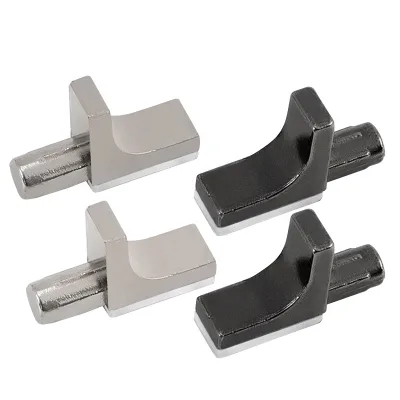
Furniture Accessories Zinc Alloy Cabinet Shelf Support Flat Shelf Support Manufacturers
$0.033 - $0.038
MOQ: 100000 Pieces


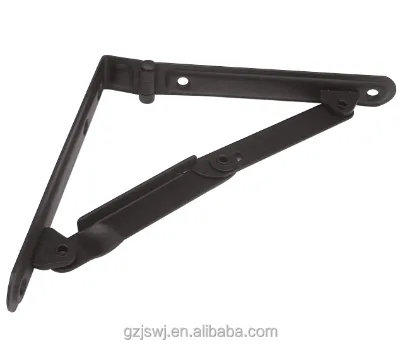


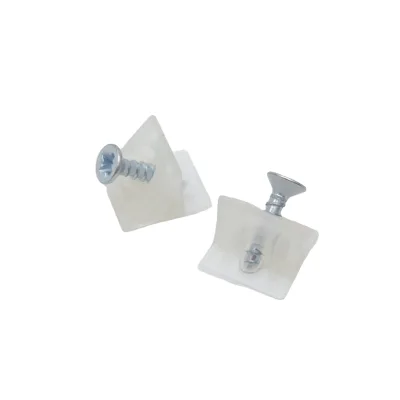
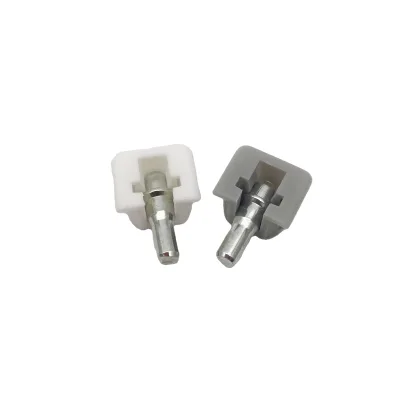
Furniture Hardware Metal Shelf Support Zinc Alloy Shelf Support Wholesale
$0.184 - $0.213
MOQ: 200000 Pieces



Comprehensive Sourcing Guide
Adjustable Zinc Shelf Supports Sourcing Guide
Procuring Adjustable Zinc Shelf Supports requires a disciplined approach to material verification and dimensional accuracy, as these components serve as critical load-bearing elements in furniture assembly. Buyers must prioritize suppliers who explicitly state the use of zinc alloy or zinc-plated iron, ensuring the hardware resists corrosion while maintaining structural integrity under dynamic loads. The observed market data indicates a strong presence of products labeled with specific model numbers such as JS4-20732 and HT-12.015, which often correspond to distinct weight capacities and mounting configurations. Understanding these model distinctions is essential for matching the support to the intended application, whether it involves sliding doors, drawers, or heavy-duty cabinet shelving.
The customization landscape for these supports is broad, with many manufacturers offering tailored solutions for specific furniture designs. Buyers should leverage the available customization options to align the hardware’s aesthetic and functional properties with their product lines, noting that finishes like nickel plating or zinc plating are commonly observed. It is crucial to verify that the "adjustable" attribute refers to the mechanical range of motion or mounting flexibility, rather than just the material composition. By focusing on suppliers who provide detailed technical drawings and sample testing, buyers can mitigate the risk of receiving hardware that fails to meet the precise spatial requirements of their furniture assemblies.
Product Scope and Observed Listing Signals
The current market for Adjustable Zinc Shelf Supports reveals a diverse range of product listings, with observed prices ranging from zero to twenty-seven USD per unit. This wide variance often reflects differences in material thickness, plating quality, and packaging efficiency rather than just brand prestige. Buyers should note that minimum order quantities (MOQs) typically start at ten thousand pieces and can extend up to two million pieces, indicating that these products are primarily geared toward bulk manufacturing rather than retail or small-batch production. The high MOQs suggest that suppliers are optimized for large-scale industrial output, requiring buyers to have sufficient storage capacity and consumption rates to justify the volume purchase.
Listing signals also highlight specific physical attributes that buyers must cross-reference with their engineering requirements. For instance, some products are described with precise dimensions such as W12.5mmH9.5mmL20mm, while others are defined by weight metrics like 18g or 3.5g. These specifications are critical for determining the load-bearing capacity and the spatial fit within the furniture frame. Additionally, the presence of terms like "Fixed" or "Connector" in the product descriptions indicates the functional role of the support, helping buyers distinguish between static brackets and dynamic, adjustable mechanisms. Verifying these details against the actual product samples is a necessary step to ensure compatibility with the final assembly.
Technical Specifications to Verify
When evaluating technical specifications, buyers must confirm the exact material composition, as listings may cite metal, iron, or zinc alloy interchangeably. Zinc alloy generally offers superior casting properties and corrosion resistance compared to plain iron, making it a preferred choice for high-end furniture applications. Buyers should request material test reports to verify the zinc content and the integrity of the plating process, whether it is zinc-plated or nickel-plated. The finish not only affects the aesthetic appeal but also the longevity of the support in humid environments, so verifying the thickness and adhesion of the plating is essential for long-term performance.
Dimensional accuracy is another critical technical parameter that requires rigorous verification. The observed standards include specific measurements such as 58x362mm or 434329, which must match the pre-drilled holes or mounting slots in the furniture panels. Buyers should insist on tolerance specifications for these dimensions, as even minor deviations can lead to assembly difficulties or compromised structural stability. Additionally, the weight of the component, ranging from 3.5g to 18g in observed listings, can serve as a proxy for material density and wall thickness. Correlating weight with dimensional data helps buyers assess whether the supplier is using sufficient material to meet load requirements without unnecessary cost inflation.
Compliance and Safety Documentation
Compliance with international standards is a non-negotiable aspect of sourcing Adjustable Zinc Shelf Supports, particularly for exports to regulated markets. Buyers should verify that suppliers hold relevant certifications, such as SGS, which indicates that the product has undergone independent testing for quality and safety. While specific test results are not always publicly listed, buyers must request certificates of conformity that detail the outcomes of stress tests, corrosion resistance tests, and finish adhesion tests. These documents provide objective evidence that the supports can withstand the intended loads and environmental conditions without failing prematurely.
In addition to product-specific certifications, buyers should ensure that the manufacturing process adheres to environmental and safety regulations. The use of zinc and nickel plating involves chemical processes that must be managed responsibly to prevent environmental contamination. Buyers should inquire about the supplier’s environmental management systems and their compliance with local and international waste disposal regulations. Furthermore, the documentation should confirm that the materials used are free from hazardous substances such as lead or cadmium, which are often restricted in consumer goods. Obtaining comprehensive compliance documentation protects the buyer from regulatory risks and enhances the marketability of the final furniture product.
Cost Drivers and Commercial Terms
The cost of Adjustable Zinc Shelf Supports is influenced by several key drivers, including raw material prices, plating thickness, and packaging efficiency. Zinc alloy prices fluctuate with global metal markets, directly impacting the base cost of the hardware. Buyers should negotiate contracts that include clauses for raw material price adjustments to mitigate the risk of sudden cost increases. Additionally, the choice of finish, such as nickel plating versus zinc plating, can affect the price due to differences in processing complexity and material costs. Understanding these cost drivers allows buyers to make informed decisions about where to invest in quality and where to optimize for cost.
Commercial terms also play a significant role in the total cost of ownership. Observed payment terms often require a thirty percent deposit before production and the remaining seventy percent before shipment, which ties up working capital. Buyers should evaluate whether these terms are negotiable based on order volume and long-term partnership potential. Trade terms like FOB Jiangmen indicate that the buyer is responsible for freight and insurance from the port of origin, which adds to the landed cost. Buyers should calculate the total landed cost, including freight, duties, and handling fees, to accurately compare quotes from different suppliers and ensure that the final price aligns with their budget constraints.
Supplier Qualification and Quality Control
Supplier qualification is a critical step in ensuring the reliability of Adjustable Zinc Shelf Supports. Buyers should conduct thorough due diligence on potential suppliers, verifying their business licenses, production capacity, and quality management systems. The observed data indicates that many suppliers offer a hundred percent inspection before packing, which is a strong indicator of their commitment to quality. Buyers should request details on the inspection process, including the criteria used to accept or reject products, to ensure that it aligns with their own quality standards. Additionally, suppliers with a ten-year quality assurance offer provide an added layer of confidence in the durability of their products.
Quality control should extend beyond the final inspection to include process audits and sample testing. Buyers should request pre-production samples to verify the material, dimensions, and finish before committing to a large order. Conducting on-site audits or hiring third-party inspection agencies can provide valuable insights into the supplier’s manufacturing processes and quality control practices. Buyers should also establish clear communication channels for addressing quality issues, ensuring that any defects are promptly identified and resolved. By prioritizing suppliers with robust quality control systems, buyers can minimize the risk of receiving substandard products and maintain the integrity of their furniture assemblies.
Long-Term Procurement Checks
Long-term procurement success depends on establishing a sustainable relationship with suppliers who can consistently meet quality and delivery requirements. Buyers should implement a regular review process to assess supplier performance, including metrics such as on-time delivery, defect rates, and responsiveness to issues. Continuous monitoring allows buyers to identify potential problems early and take corrective action before they impact production. Additionally, buyers should maintain open communication with suppliers to discuss future needs, potential design changes, and market trends. This collaborative approach fosters trust and ensures that the supplier remains aligned with the buyer’s evolving requirements.
Supply chain resilience is another key consideration for long-term procurement. Buyers should diversify their supplier base to mitigate the risk of disruptions caused by geopolitical events, natural disasters, or production issues. Maintaining relationships with multiple qualified suppliers provides flexibility and bargaining power, allowing buyers to switch sources if necessary. Buyers should also stay informed about changes in raw material prices and regulatory requirements that could impact the cost and compliance of Adjustable Zinc Shelf Supports. By proactively managing these factors, buyers can ensure a stable and cost-effective supply chain for their furniture manufacturing operations.
FAQs
What customization options are available for Adjustable Zinc Shelf Supports?
Customization is available for these Adjustable Zinc Shelf Supports to meet specific buyer requirements. The products come in various models like JS4-20732 and HT-12.015 with different dimensions. Buyers can request specific finishes such as zinc plating or nickel plating to suit their design needs.
Which materials are used to manufacture these adjustable shelf supports?
These adjustable shelf supports are manufactured using metal, iron, and zinc alloy materials. The specific material depends on the model selected, such as JS20702 which uses zinc alloy. This ensures durability and strength for applications in sofas, tables, and cabinets.
How is the quality assurance handled for these metal shelf supports?
Quality assurance includes a ten-year guarantee and class a quality standards for these products. Every item undergoes 100% inspection before packing to ensure reliability. The products also meet SGS standards, providing confidence in their performance for sliding doors and drawers.
What is the minimum order quantity for purchasing these shelf supports?
The minimum order quantity varies by model, ranging from 10,000 to 2,000,000 pieces. Specific models like JS4-20732 require 20,000 pieces, while others may need 1,000,000 pieces. Buyers should check the specific model requirements to determine the exact MOQ for their order.
Can these shelf supports be used for sliding doors and cabinets?
Yes, these adjustable shelf supports are designed for use in sliding doors, drawers, and cabinets. Their function as connectors makes them suitable for various furniture applications. The fixed and adjustable styles allow for versatile installation in different furniture types.
What payment terms are accepted for these metal shelf support orders?
Accepted payment terms include a 30% deposit before production and 70% payment before shipment. These terms are standard for the trade involving these Adjustable Zinc Shelf Supports. Buyers should arrange the Tt30% deposit to initiate the manufacturing process for their specific order.
Where are these Adjustable Zinc Shelf Supports manufactured and shipped from?
These products originate from China and are shipped via FOB Jiangmen trade terms. The factory standard package ensures safe transport of the metal shelf supports. Buyers can expect the goods to be dispatched from the Jiangmen location after production is completed.