Source Drawers Pulls for Kitchen, Bathroom, and Bedroom
Compare 30 options for Drawers Pulls including brass, stainless steel, and aluminum alloy finishes. Buyers can evaluate models like KKD-1064A and B-PL220-3-SN for cabinet, drawer, and wardrobe applications with customizable sizes and designs; compare the available evidence and request quotations based on your requirements.
Updated
Key considerations
Products List


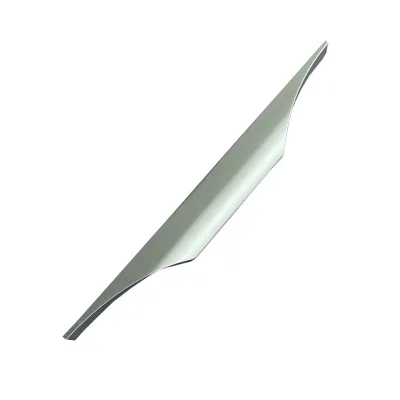
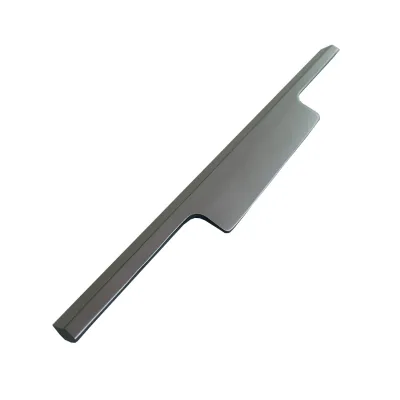
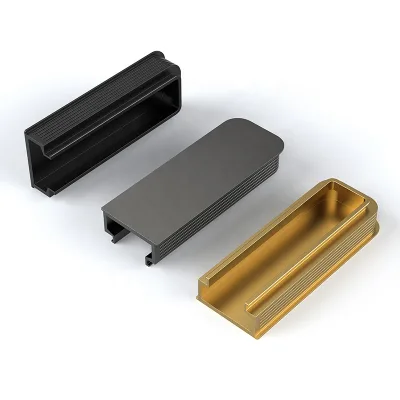
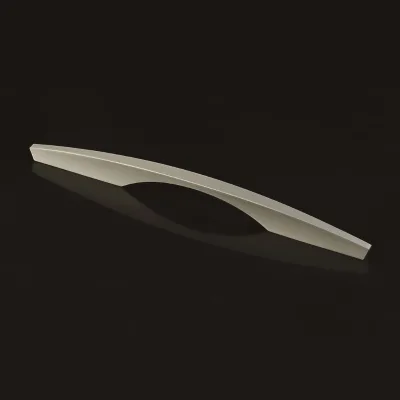
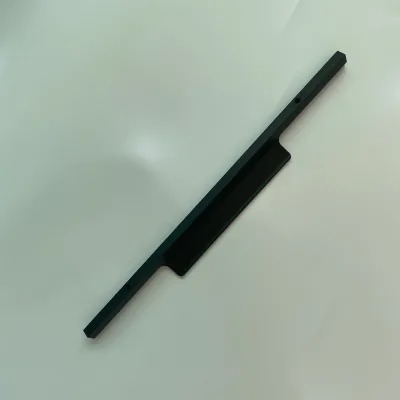


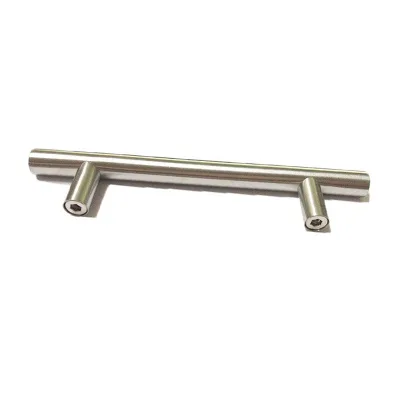
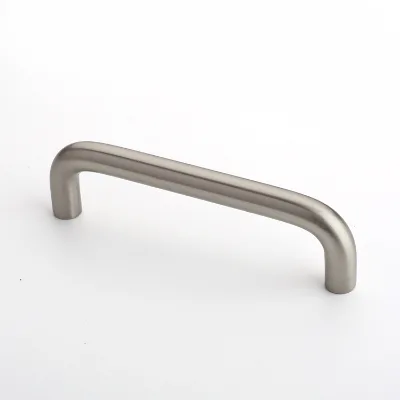
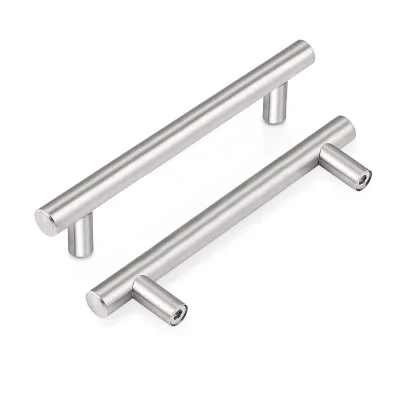
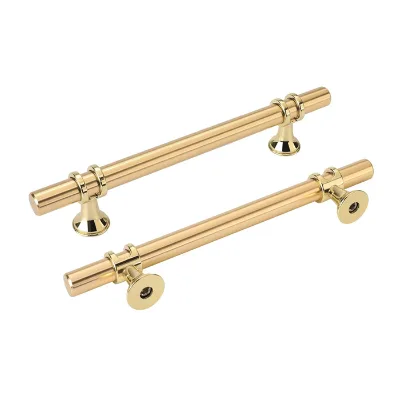
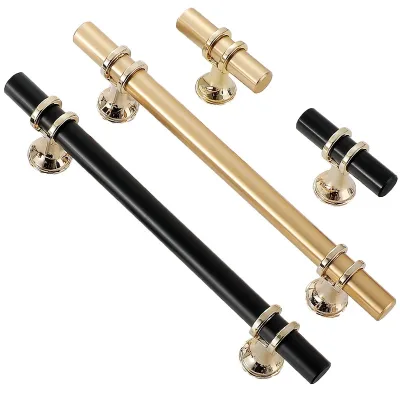
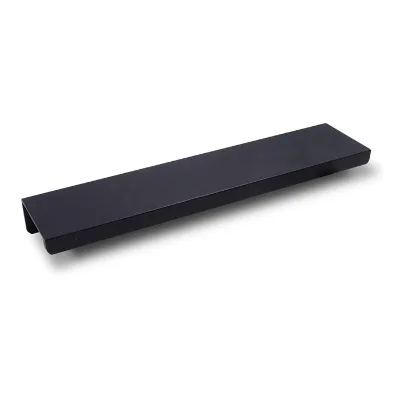
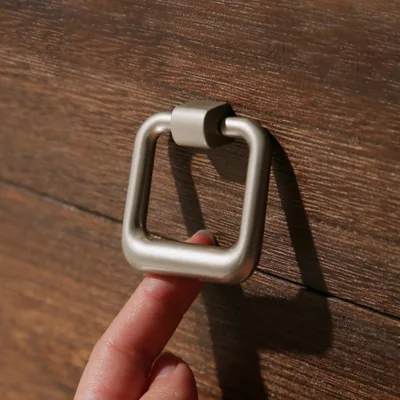
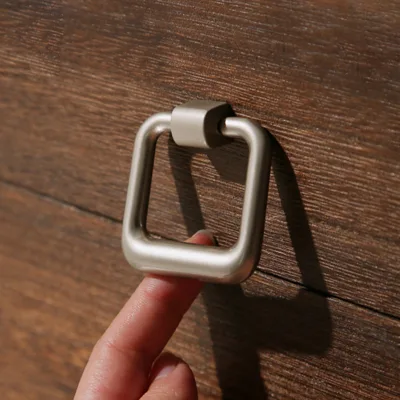
Wire Pulls USA Type China Furniture Hardware Supplier Wire Drawer Pulls
$0.8904 - $1.3911
MOQ: 1000 Minimum



Comprehensive Sourcing Guide
Drawers Pulls Sourcing Guide
Sourcing drawer pulls requires a strategic approach that balances aesthetic integration with functional durability. Buyers must first define the specific hardware requirements for their furniture lines, considering factors such as material composition, finish options, and mounting configurations. The market offers a diverse range of products, from simple brass handles to modern aluminum alloy invisible pulls, each serving distinct design philosophies. Understanding these variations is crucial for aligning procurement with brand identity and customer expectations.
Procurement teams should also evaluate the customization capabilities of potential suppliers. Many manufacturers offer OEM and ODM services, allowing for tailored logo placement, specific hole distances, and unique finish applications. This flexibility is particularly valuable for brands seeking to differentiate their products in competitive markets. However, customization often introduces complexity in quality control and lead time management, requiring careful negotiation and clear specification documentation to ensure consistency across production batches.
Product Scope and Observed Listing Signals
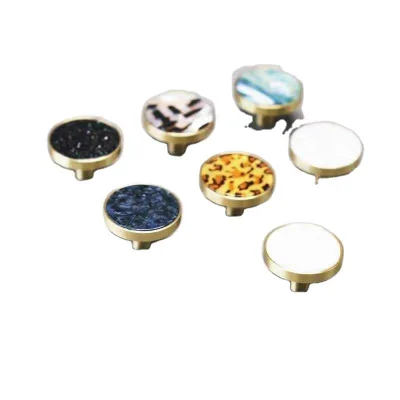
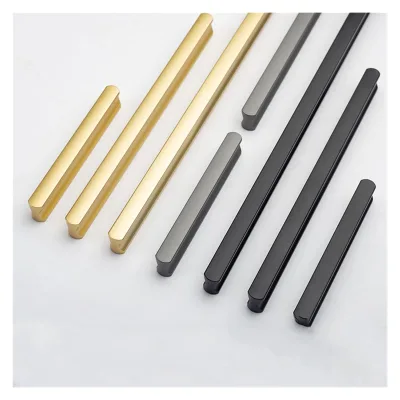
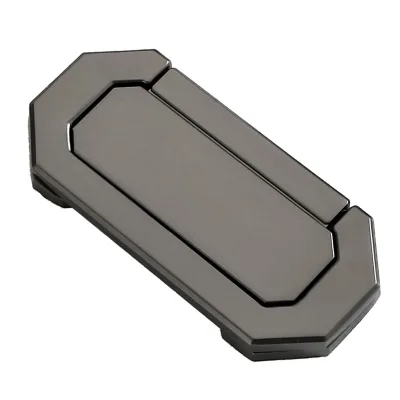
The current market landscape for drawer pulls includes a wide variety of materials, finishes, and styles. Observed listings indicate the availability of brass, stainless steel, and aluminum alloy options, catering to different aesthetic and durability needs. Styles range from simple and modern European designs to customized solutions, with finishes including PVD, SSS, PSS, and AB coatings. These variations allow buyers to select hardware that complements specific furniture types, such as kitchen cabinets, wardrobes, dressers, and bathroom vanities.
Listing signals also reveal important details about packaging and origin. Most products originate from Guangdong, China, and are packed in cartons or pallets for efficient shipping. Some suppliers offer customized packaging solutions, while others adhere to standard carton packing. The presence of specific model numbers, such as KKD-1064A and B-PL220-3-SN, suggests a structured product catalog. Buyers should verify these details against their specific requirements, ensuring that the observed listings align with their technical and logistical needs.
Technical Specifications to Verify
Technical verification is critical to ensure that drawer pulls meet functional and dimensional requirements. Key specifications to confirm include hole distance, length, and mounting type. Common hole distances observed in the market include 64mm, 96mm, 128mm, 160mm, and 224mm, with some suppliers offering customized options. Lengths typically range from 104mm to 390mm, allowing for flexibility in design. Buyers must verify these dimensions against their existing furniture templates or new design plans to avoid installation issues.
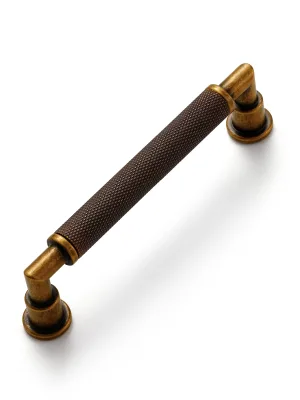
Material and finish specifications also require close attention. Brass and stainless steel are popular choices for their durability and aesthetic appeal, while aluminum alloy offers a lighter alternative. Finishes such as PVD and AB coatings provide enhanced corrosion resistance and visual appeal. Buyers should request samples to verify color accuracy, finish quality, and material thickness. Additionally, confirming the rotary type, whether fixed or otherwise, is essential for ensuring smooth operation and long-term reliability of the hardware.
Compliance and Safety Documentation
Compliance with international standards is a key consideration for global procurement. Some suppliers offer products certified under RoHS standards, indicating compliance with restrictions on hazardous substances. This certification is particularly important for markets with strict environmental regulations, such as the European Union. Buyers should request valid certification documents from suppliers to verify compliance and ensure that the products meet the necessary safety and environmental requirements for their target markets.
In addition to product certifications, buyers should also consider the broader compliance framework, including supply chain transparency and ethical sourcing practices. While specific certifications like ISO are mentioned as customizable options, buyers should verify the actual certification status of their chosen suppliers. This includes checking for quality management system certifications and environmental management certifications. Ensuring that suppliers adhere to these standards helps mitigate risks related to product liability, regulatory non-compliance, and reputational damage.
Cost Drivers and Commercial Terms
Cost drivers for drawer pulls include material costs, manufacturing complexity, and customization levels. Brass and stainless steel are generally more expensive than aluminum alloy due to raw material prices and processing requirements. Customized finishes, such as PVD or AB coatings, also add to the cost. Buyers should analyze the cost structure to understand the impact of these factors on their overall procurement budget. Negotiating volume discounts and optimizing order quantities can help mitigate these costs.
Commercial terms, including MOQ, lead time, and payment terms, are also significant factors. Observed MOQs range from 1 to 5000 units, offering flexibility for both small and large orders. Lead times are often customizable, allowing buyers to align production schedules with their delivery requirements. Payment terms should be negotiated to balance risk and cash flow, with options such as T/T or L/C commonly used. Buyers should clearly define these terms in their contracts to avoid disputes and ensure smooth transaction processes.
Supplier Qualification and Quality Control
Supplier qualification is a critical step in the procurement process. Buyers should assess suppliers based on their production capacity, quality control systems, and track record. Visiting factories or conducting third-party audits can provide valuable insights into manufacturing processes and quality assurance practices. Suppliers with established quality control systems are more likely to deliver consistent product quality and meet delivery deadlines. Buyers should also evaluate the supplier's ability to handle customization requests and provide technical support.
Quality control measures should be implemented throughout the production process. This includes incoming material inspection, in-process quality checks, and final product testing. Buyers should define clear quality standards and acceptance criteria in their contracts. Regular communication with suppliers and periodic quality audits can help identify and address potential issues early. Implementing a robust quality control system ensures that the drawer pulls meet the required specifications and perform reliably in their intended applications.
Long-Term Procurement Checks
Long-term procurement success depends on continuous monitoring and evaluation of supplier performance. Buyers should establish key performance indicators (KPIs) to track metrics such as on-time delivery, product quality, and responsiveness to issues. Regular performance reviews can help identify areas for improvement and strengthen the supplier relationship. Building a collaborative partnership with suppliers can lead to better pricing, improved quality, and more flexible terms over time.
Additionally, buyers should stay informed about market trends and technological advancements in drawer pulls. This includes monitoring changes in material availability, finish innovations, and design trends. Adapting to these changes can help buyers maintain a competitive edge and meet evolving customer demands. Regularly reviewing and updating procurement strategies ensures that the sourcing process remains efficient, cost-effective, and aligned with the company's long-term goals.
FAQs
What materials are commonly used for Drawers Pulls?
Drawers Pulls are commonly made from brass, aluminium alloy, and stainless steel, each offering different strength and finish options. Brass provides a classic look, aluminium alloy keeps weight low, and stainless steel suits humid areas like kitchens and bathrooms. Finishes such as SSS, PSS, AB, AC, PVD, or customized treatments let buyers match pulls to cabinet, drawer, dresser, and wardrobe styles.
Which drawer pull sizes are typically available?
Listed sizes range from 104mm up to 390mm, with hole distances such as 64mm, 96mm, 128mm, 160mm, 224mm, and 256mm depending on the model. Some models cover 160mm to 352mm. Customized lengths are available, so buyers should confirm center-to-center spacing against their cabinet or drawer drilling pattern before ordering.
Can Drawers Pulls be customized for my project?
Yes, customization is available on listed products. Buyers can request custom finishes, custom logo marking, and OEM or ODM development, with design options marked as optional on some models. To proceed, provide drawings or samples, specify material such as brass, stainless steel, or aluminium alloy, and confirm packing preferences like carton or pallet.
What is the typical MOQ range for Drawers Pulls?
Observed MOQs on listed Drawers Pulls range from 1 piece to 5000 pieces, so requirements vary significantly by model and supplier. Small pilot orders may be possible for standard items, while customized designs often carry higher minimums. Always confirm the exact MOQ for the specific model number before placing a purchase order.
How are Drawers Pulls packed for shipping?
Listed packing options include carton, cartons, and carton with pallet. Selling units are typically single items, and mail packing is marked as not available on one listed product. Buyers shipping in bulk should specify palletized packing to reduce handling damage, and confirm inner-box quantities and labeling requirements with the supplier before production.
Where are these Drawers Pulls manufactured?
Listed products are made in China, with one product origin noted as Guangdong. Origin affects shipping cost, lead time, and import duties, so buyers should factor these into landed-cost calculations. When comparing quotes, confirm the exact origin for each model number, since multiple production locations may exist within the same catalog.
What certifications apply to Drawers Pulls?
Listed certifications include ISO and RoHS. RoHS compliance matters for buyers selling into markets restricting hazardous substances in hardware. Certification coverage can differ between models and suppliers, so request current certificates for the specific model number and batch rather than relying on catalog-level claims when qualifying a supplier.
Which finish options are available for Drawers Pulls?
Available finishes include SSS, PSS, AB, AC, PVD, or customized options, and one product allows any finish. Satin and polished stainless finishes suit modern kitchens, while PVD coatings improve wear resistance. Style listings mention modern European simple designs, and colors such as black are listed on specific models. Confirm finish samples before mass production.