Source Stainless Steel Pizza Baking Tray for Pizza, Bread, and Cake
Compare 30 listings for Stainless Steel Pizza Baking Tray options including carbon steel variants with custom sizes and thicknesses. Buyers can evaluate specifications like 3.5mm to 6mm thickness and various dimensions for baking pizza, bread, and cake.
Key considerations
Products List
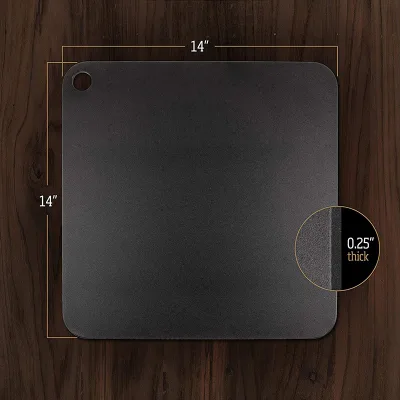

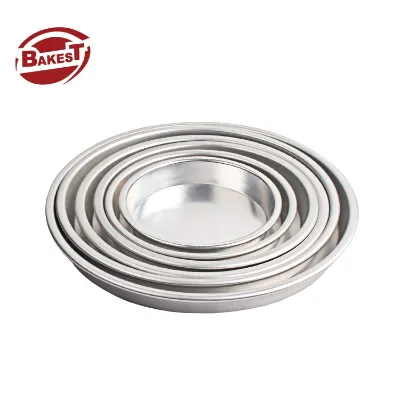
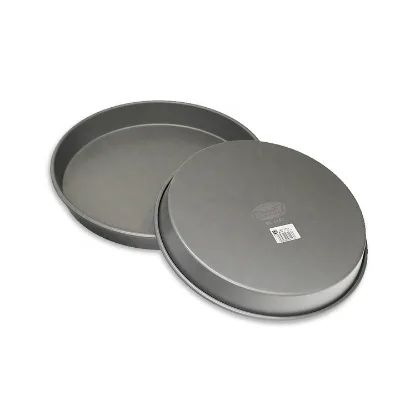
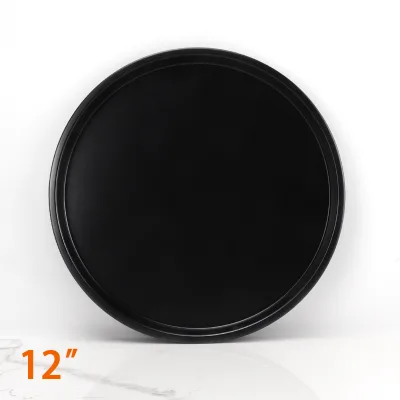


Hot Sale Flat Sheet Plate Pizza Baking Pans Aluminum Bread Non-Stick Trays
$200.00 - $280.00
MOQ: 1 Pieces




Comprehensive Sourcing Guide
Strategic Sourcing Guide for Stainless Steel Pizza Baking Trays
Understanding Product Variants and Core Specifications
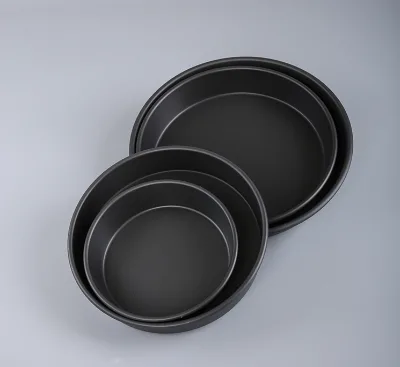
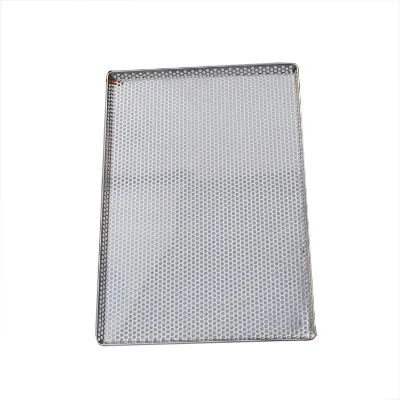
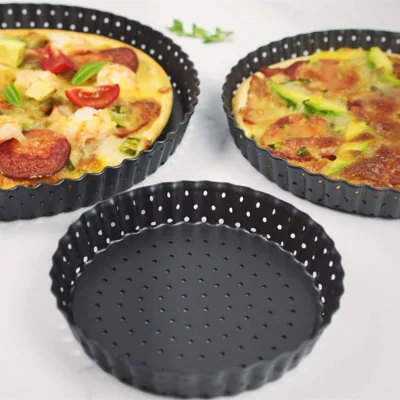
When sourcing stainless steel pizza baking trays, buyers must first distinguish between the two primary product categories observed in the current market: pizza baking steels and pizza pans. While both serve the function of baking, their material composition, thickness, and intended thermal performance differ significantly. The market data indicates a clear divergence in specifications. One category features "Pizza Baking Steel" products with a thickness ranging from 3.5mm to 6mm, constructed from either stainless steel or carbon steel. These are often associated with the "Harman" brand and are designed for high-heat retention, mimicking the performance of a brick oven. In contrast, the second category consists of "Pizza Pans" made specifically from stainless steel with a much thinner profile of 1.0mm. These are typically round or square and are designed for lighter duty baking or commercial conveyor systems.
The distinction in thickness is critical for procurement decisions. A 3.5mm to 6mm steel tray provides superior thermal mass, which is essential for achieving a crispy crust and even browning in high-temperature environments. Conversely, a 1.0mm stainless steel pan offers flexibility and lower weight, suitable for standard home ovens or rapid turnover commercial settings where heat retention is less critical than ease of handling. Buyers must verify the exact material grade and thickness before ordering, as the "Stainless Steel" label alone does not guarantee the thermal properties required for professional pizza baking. The observed product names include "Pizza Baking Steel" and "Pizza Pan," indicating that the terminology used by suppliers may vary, requiring careful cross-referencing of the technical specification sheet.
Technical Parameters and Dimensional Standards
Dimensional consistency and shape are paramount when integrating baking trays into existing commercial kitchen workflows. The supply chain data reveals a wide array of standard and custom dimensions. For the thicker baking steel category, specific model numbers such as T1 through T6 correspond to precise dimensions: T1 measures 400600mm, T2 is 600800mm, T3 is 460720mm, T4 is 460660mm, T5 is 500700mm, and T6 is 8001000mm. These measurements suggest a standardization that aligns with common commercial oven rack sizes. Additionally, the "prod_standard" attribute lists specific metric dimensions including 4060cm, 4666cm, 4672cm, 6080cm, and 80*100cm, confirming that these sizes are widely available.
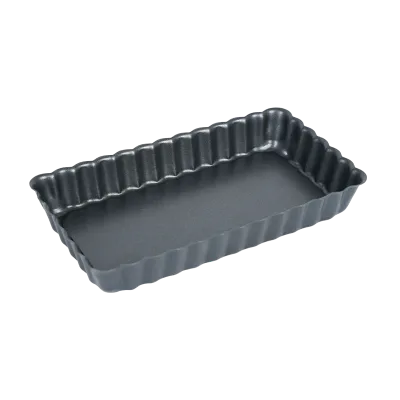
Shape variations also play a significant role in the selection process. The market data indicates the availability of both "Square Shape" and "Round" options. The square configuration is often preferred for industrial baking where space efficiency on a rack is necessary, while the round shape is traditional for home use or specific artisanal styles. Furthermore, the "Custom Size" attribute is explicitly listed, offering flexibility for buyers with non-standard oven dimensions or unique production requirements. However, customization often impacts lead times and minimum order quantities (MOQ). While some standard items have an MOQ of 1, the data also shows an MOQ of 100 pieces for specific branded items, and ranges up to 2000 pieces for other configurations. Buyers should verify if custom dimensions incur a higher unit cost or require a larger batch commitment.
Compliance, Safety, and Material Verification
Ensuring that the stainless steel pizza trays meet food safety standards is a non-negotiable aspect of B2B procurement. The product attributes list "Oven Safe" and "Eco-Friendly" as key features, but these are marketing observations rather than certified guarantees. Buyers must independently verify that the stainless steel used complies with relevant food contact material regulations, such as FDA (USA) or EU 10/2011 (Europe) standards, which are not explicitly detailed in the provided supplier data. The material composition is listed as "Stainless Steel" or "Carbon Steel," but the specific grade (e.g., 304 or 316) is not specified in the general product descriptions. For food safety, 304 stainless steel is the industry standard for its corrosion resistance and non-reactive properties, while 316 offers higher resistance to chlorides.
The absence of a "coating" specification is a positive indicator for food safety, as it eliminates the risk of chemical leaching from non-stick coatings during high-temperature baking. The data confirms a "No coating" process for the pizza pans, which aligns with the natural properties of stainless steel. However, buyers should request mill test certificates (MTC) to confirm the chemical composition of the steel. Additionally, while "OEM/ODM" is accepted, implying the ability to customize branding, this also means the buyer must ensure that any private labeling does not compromise the material integrity or safety compliance of the base product. The "Voltage" and "Power Source" attributes listed as "220V" and "Electric" appear to be data artifacts from other product categories (such as mixers) included in the general search results, as baking trays are passive tools and do not require power. Procurement teams must filter out these irrelevant attributes to avoid confusion during technical validation.
Cost Drivers and Minimum Order Quantity Analysis
The pricing structure for stainless steel pizza baking trays is influenced heavily by material thickness, dimensions, and order volume. The observed price range in the market spans from $0.28 to $280 USD, a variance that reflects the difference between a thin 1.0mm pan and a heavy 6mm baking steel. The lower end of the price spectrum likely corresponds to the thinner, smaller pans, while the higher end represents the heavy-duty, custom-sized baking steels. Understanding this correlation is essential for budgeting. A 6mm steel tray will inherently cost more due to the higher volume of raw material and the energy-intensive manufacturing process required to roll and finish the steel.
Minimum Order Quantity (MOQ) is another significant cost driver. The data shows an MOQ range of 1 to 2000 pieces. For buyers testing the market or requiring small batches, an MOQ of 1 allows for sample acquisition without financial commitment. However, for large-scale commercial deployment, the MOQ of 100 pieces or higher may apply, particularly for branded items or custom dimensions. The "Single gross weight" of 5.0 kg for a single package suggests that shipping costs will be a substantial factor in the total landed cost, especially for the heavier 6mm trays. Buyers should calculate the total cost of ownership, including freight, by considering the weight and dimensions of the packaging, which is listed as "Plywood" for bulk shipments. Plywood packaging is robust and suitable for international shipping, but it adds to the overall weight and volume, potentially increasing freight charges.
Supplier Evaluation and Geographic Considerations
Geographic origin plays a crucial role in the supply chain dynamics for stainless steel baking trays. The data identifies two primary production hubs: Shandong, China, and Guangdong, China. Shandong is known for its heavy manufacturing capabilities, which may align with the production of the thicker, heavier baking steels. Guangdong, on the other hand, is a major hub for light manufacturing and consumer goods, which may correlate with the production of the thinner, round pizza pans. Buyers should evaluate suppliers based on their specific location and the type of product they specialize in. A supplier in Shandong might be better suited for custom, heavy-duty steel orders, while a Guangdong-based supplier might offer more flexibility for standard, lighter pans.
Supplier evaluation should also focus on their capability for customization and OEM/ODM services. The "Customization" and "OEM/ODM" attributes are marked as available, indicating that suppliers are willing to adapt products to buyer specifications. However, the "Harman" brand name appears in the data, suggesting that some suppliers may be acting as distributors for established brands or have their own private labels. Buyers should verify if they are purchasing directly from the manufacturer or through a trading company, as this affects pricing and lead times. The "Single package size" of 20x20x10 cm is noted for some items, but this likely refers to individual retail packaging rather than bulk industrial packaging. For B2B procurement, verifying the bulk packing method (e.g., plywood crates) and the ability to handle large volumes is essential.
Quality Control and Long-Term Procurement Strategy
Implementing a robust quality control (QC) protocol is vital for ensuring the longevity and performance of stainless steel baking trays. Given the variations in thickness (1.0mm to 6mm) and material (stainless vs. carbon steel), buyers should establish clear acceptance criteria before production begins. Key QC checkpoints include verifying the thickness using a micrometer, checking for surface defects such as scratches or warping, and confirming the dimensional accuracy against the specified model numbers (T1-T8). The "Timing Device" attribute found in the data is likely irrelevant to the trays themselves and may refer to associated equipment; however, the "With Timing Device" attribute should be ignored for the trays unless it refers to a specific integrated system, which is unlikely for passive baking tools.
For long-term procurement, buyers should consider the durability and maintenance requirements of the trays. Stainless steel is generally low-maintenance and resistant to rust, but the lack of coating means that food residue can stick if not cleaned properly. The "Care Instructions" of "Oven Safe" imply that the trays can withstand high temperatures, but buyers should confirm the maximum operating temperature to prevent warping, especially for the thinner 1.0mm pans. Establishing a relationship with a supplier who offers consistent quality and reliable lead times is more valuable than seeking the lowest unit price. The ability to source custom sizes and colors, as indicated by the "Customized Color" and "Custom Size" attributes, allows for brand differentiation and operational efficiency. However, buyers must balance these customization options against the potential increase in MOQ and lead time. By focusing on verified specifications, clear communication of requirements, and rigorous QC, buyers can secure a reliable supply of high-performance stainless steel pizza baking trays that meet their operational needs.
FAQs
What thickness options are available for stainless steel pizza baking trays?
Available thickness options range from 1.0mm for standard pans to 3.5mm, 4mm, or 6mm for heavy-duty baking steels. The thicker 6mm variants provide superior heat retention for crispy crusts, while the 1.0mm options offer flexibility for lighter duty baking.
Can I order custom sizes for these stainless steel pizza baking trays?
Yes, custom sizes are available for both square and round shapes to fit specific oven dimensions. Buyers should note that custom orders may require a higher minimum order quantity, such as 100 pieces, compared to standard stock items.
Which materials are used to manufacture these pizza baking trays?
The trays are manufactured using stainless steel or carbon steel without any non-stick coating. This uncoated surface ensures food safety and durability, though buyers should verify the specific steel grade, such as 304, for optimal corrosion resistance.
How do I verify the dimensions of standard model numbers like T1 or T2?
Standard model numbers correspond to specific metric dimensions, such as T1 measuring 400 by 600mm and T2 measuring 600 by 800mm. These sizes align with common commercial oven rack dimensions, ensuring compatibility with existing kitchen equipment.
What is the typical minimum order quantity for branded pizza baking steels?
The minimum order quantity for branded items like those from Harman is typically 100 pieces. However, standard stock items may be available with an MOQ as low as one piece for sampling, while custom runs can go up to 2000 pieces.
Where are these stainless steel pizza baking trays manufactured?
Manufacturing origins include Shandong and Guangdong provinces in China, each specializing in different product types. Shandong often produces heavier steels, while Guangdong is a hub for lighter pans, so buyers should verify the specific origin for their order.
Are these baking trays suitable for high-temperature oven use?
Yes, the trays are explicitly marked as oven safe and designed for baking bread, pizza, and cakes. They can withstand high temperatures, but users should confirm the maximum operating limit for thinner 1.0mm pans to prevent warping during extended use.