Source Static Load Capillary Rheometer for ABS, PP, and XLPE
Find 30 Static Load Capillary Rheometer options for testing thermoplastic materials like ABS, polypropylene, and XLPE. Compare specifications including temperature ranges, accuracy, and customization services from verified Chinese manufacturers.
Key considerations
Products List


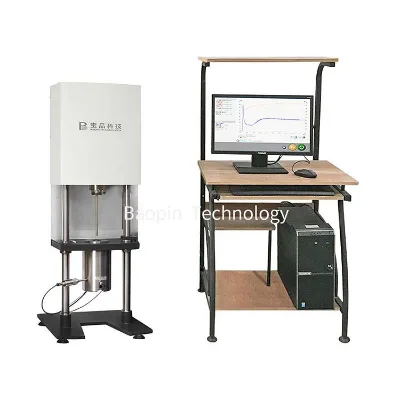
$9600.00 - $34000.00
MOQ: 1 Minimum

High Temperature and Pressure Load Capillary Rheometer Capillary Tube Rheometer
$100.00 - $5000.00
MOQ: 1 Pieces


Comprehensive Capillary Rheometer for Plastic and Rubber Material Analysis
$26000.00 - $30000.00
MOQ: 1 Sets

Capillary Rheometer for Precision Measurement of Material Flow Properties
$26000.00 - $30000.00
MOQ: 1 Sets

Computer Controlled Capillary Rheometer for Comprehensive Viscosity Analysis
$26000.00 - $30000.00
MOQ: 1 Sets


Capillary Rheometer for High Polymer Flow Properties and Thermoplastic Material
$4255.00 - $4555.00
MOQ: 1 Pieces

Hst-Cr10d High Pressure Capillary Rheometer Intelligent Capillary Rheometer
$16000.00 - $20000.00
MOQ: 1 Pieces


Lab Grade Hst-Cr5b Capillary Rheometer for Resin Melt Viscosity Measurement
$31000.00 - $32000.00
MOQ: 1 Pieces


Hst-Cr5b Computer Controlled Capillary Rheometer for Thermoplastic Melt Viscosity and Rheology Test
$31000.00 - $32000.00
MOQ: 1 Pieces

High Accuracy Hst-Cr5b Capillary Rheometer for PE PP PVC Thermoplastic Melt Viscosity Analysis
$31000.00 - $32000.00
MOQ: 1 Pieces
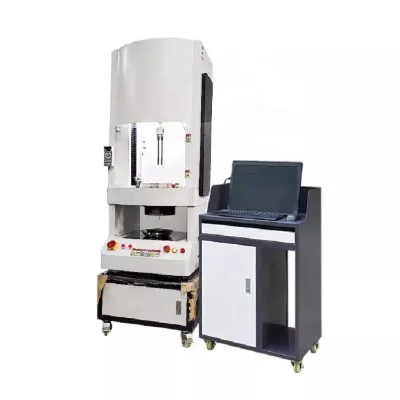
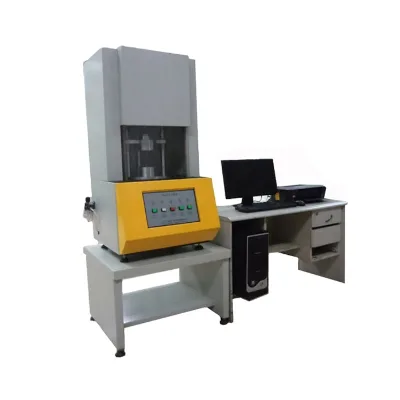
Capillary Rheometer for High Polymer Flow Properties and Thermoplastic Material
$35695.13 - $50993.04
MOQ: 1 Minimum

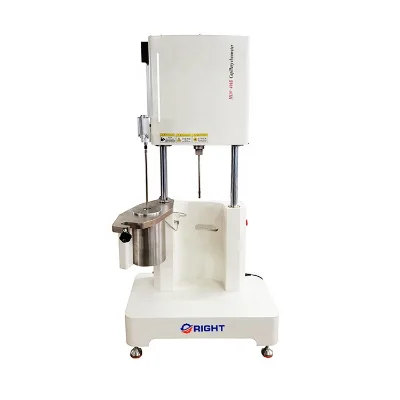



Comprehensive Sourcing Guide
Strategic Sourcing Guide for Static Load Capillary Rheometers
Procuring a Static Load Capillary Rheometer requires a disciplined approach that balances technical precision with supply chain reliability. These instruments are critical for characterizing the flow properties of thermoplastic materials, including XLPE, PE, and ABS, under controlled conditions. Unlike dynamic load systems, static load rheometers often utilize electronic or gravity-based loading mechanisms to apply pressure to the melt within a barrel. Buyers must navigate a complex landscape of specifications, ranging from shear rate capabilities to temperature limits, to ensure the selected unit meets rigorous laboratory or production testing needs. This guide outlines the essential factors for evaluating potential suppliers and selecting equipment that aligns with specific material science requirements.
Technical Specifications and Performance Parameters
The core of any rheometer selection process lies in understanding the technical specifications that define its operational envelope. When evaluating a Static Load Capillary Rheometer, the barrel configuration is a primary differentiator. The supplied data indicates a single-barrel design with a specific diameter of 9.5mm, which is a standard dimension for many capillary flow tests. However, buyers must verify if this diameter is adjustable or if the system supports interchangeable dies, as different materials may require varying aspect ratios for accurate viscosity measurements.
Temperature control is another critical specification. High-performance units are capable of reaching a maximum test temperature of 400°C, which is necessary for processing high-temperature polymers and cross-linked materials. The power source for these systems is typically AC220V, a standard industrial voltage in many regions, but buyers should confirm the specific power requirements and voltage stability needs for their facility. The display interface is digital, providing real-time data on pressure, temperature, and flow rate, which is essential for modern data acquisition and analysis workflows.
Speed and accuracy are paramount for reliable data. The testing speed range observed in the market spans from 0.0005 to 20 meters per second, allowing for both very slow, precise measurements and rapid throughput testing. The dynamic speed ratio of 1:40,000 suggests a high degree of control over the piston movement, enabling the simulation of various shear rates. Accuracy is typically maintained below 0.25%, a threshold that ensures the data generated is suitable for quality control and research applications. The loading method is described as electronic or dynamic load, which distinguishes it from purely gravity-fed systems and offers better control over the applied stress.
Compliance, Standards, and Certification Verification
Navigating the regulatory and standards landscape is essential for ensuring that the rheometer produces data that is internationally recognized. The supplied context highlights specific standards such as SATRA TM 256 and GB/T 32024, which are relevant to the testing of materials and footwear or specific polymer applications. Buyers must verify that the equipment is explicitly calibrated or designed to meet these standards if they are required for their specific industry compliance. Additionally, ISO certification is a common benchmark for manufacturing quality, and suppliers should provide evidence of ISO compliance for their production facilities.
While background knowledge lists standards like JIS K7199, ASTM D3835, and ISO 11443, these should not be assumed to be met by every unit without explicit confirmation from the supplier. The procurement strategy must include a direct inquiry into whether the specific model number, such as XHS-03CT or UP-5029, is certified to meet ASTM or ISO standards relevant to the buyer's region. The "standard" attribute in product listings sometimes refers to "actual size specifications," which implies that buyers must request detailed dimensional drawings to ensure the equipment fits their laboratory infrastructure.
Certification checks should also extend to the electrical safety and environmental compliance of the device. The presence of an ISO certification suggests a commitment to quality management systems, but buyers should request the specific certificate number and validity date. Furthermore, the "Marketing Type" is noted as an "Ordinary capillary rheometer Product," which implies that the unit is a standard commercial offering rather than a highly specialized, custom-engineered prototype. This distinction is important for understanding the level of support and spare parts availability expected from the supplier.
Cost Drivers and Pricing Structure Analysis
The pricing for static load capillary rheometers exhibits a wide variance, with observed ranges extending from $50 to over $50,000 USD. This significant spread indicates that the cost is heavily influenced by the specific configuration, brand reputation, and included accessories. The lower end of the spectrum likely represents basic models or older generations of equipment, while the higher end reflects units with advanced digital controls, higher temperature capabilities, and comprehensive software suites.
Key cost drivers include the accuracy grade, which is specified as 0 in some contexts, suggesting a high-precision class. The inclusion of a "One Set of Manual Cleaning Tools" as a standard accessory adds value, as cleaning the barrel and dies is a frequent and necessary maintenance task. The packaging method, whether a "Plywood Case" or "Professional Export Packaging," also impacts the final cost, as robust packaging is essential for international shipping to prevent damage during transit.
Buyers should be wary of pricing that seems too low, as it may indicate a lack of essential features or lower quality control. Conversely, the highest prices may include extensive after-sales services, such as overseas engineering support, which is a valuable consideration for facilities without in-house rheology experts. The "Selling Units" are listed as "Single item," meaning the MOQ is typically 1 PCS, which allows for flexible purchasing without the need for bulk inventory commitments. However, the "Terms of Shipment" include Sea, Air, Express, and Train, and the choice of shipping method will significantly affect the total landed cost.
Typical Applications and Material Compatibility
The versatility of a Static Load Capillary Rheometer is defined by its application scope. The supplied data lists applications for ABS, Fiber Resin, Polypropylene, and general plastic materials. This broad compatibility makes the instrument suitable for a wide range of industries, including automotive, packaging, and construction. The material compatibility extends to Thermoplastic Materials and XLPE, which are critical for understanding the flow behavior of cross-linked polyethylene used in cable insulation and piping.
The "Use" category is explicitly defined as a "Plastic Testing Machine," confirming its primary function in the polymer industry. The "Automatic Grade" is noted as "Semiautomatic," which implies that while the loading and data acquisition may be computer-controlled, some manual intervention, such as sample loading or die changes, may be required. This semi-automatic nature can be a benefit for laboratories that require flexibility in testing protocols but may be a limitation for high-throughput production environments.
The "Structure" of the machine is vertical, which is the standard configuration for capillary rheometers to ensure consistent gravity assistance or electronic load application. Buyers should verify that the vertical structure aligns with their laboratory space constraints and that the "Weight" of the unit, which can range from 0-100kg to 165kg, fits their floor load capacity. The "Packed Weight" of 230kg further emphasizes the need for careful logistics planning during shipping and installation.
Supplier Evaluation and Service Support
Selecting the right supplier is as critical as selecting the right machine. The "Brand" Baopin is mentioned in the context, but buyers should not limit their search to a single name. Instead, they should evaluate suppliers based on their "After-sales Service Provided" capabilities. The data indicates that "Engineers available to service machinery overseas" is a key attribute, which is vital for international buyers who cannot rely on local support.
The "Debugging and Installation service" is stated to be "Done before shipment," a significant advantage that reduces the risk of setup errors. Buyers should confirm the extent of this service, including whether it covers remote assistance or on-site visits. The "Customized support" options, including OEM, ODM, Software reengineering, and OBM, suggest that suppliers are willing to tailor the equipment to specific needs. This flexibility is particularly useful for companies requiring proprietary software interfaces or specific die geometries.
The "Language" support is listed as Chinese and English, which is standard for suppliers originating from China. Buyers should ensure that all technical documentation, software interfaces, and support communications are available in their preferred language to avoid misunderstandings. The "Warranty" period is typically 1 year for the capillary rheometer, and buyers should clarify what this covers, including parts, labor, and potential exclusions.
Quality Control and Long-Term Procurement Considerations
Ensuring long-term value requires a focus on quality control and maintenance. The "Condition" of the equipment is listed as "New," but buyers should request detailed inspection reports or factory acceptance test (FAT) results to verify the unit's performance before shipment. The "Accuracy Grade" of 0 and the "Accuracy" of < 0.25% are critical metrics that should be validated through third-party testing or calibration certificates.
The "Loading Method" being "Electronic Load" suggests a system that requires regular calibration to maintain accuracy. Buyers should inquire about the availability of calibration services and the frequency recommended by the manufacturer. The "Maxcapacity" of <1000KN indicates the maximum load the system can handle, which is essential for testing high-viscosity materials.
Long-term procurement considerations also include the availability of spare parts and consumables. The "Accessories" listed include manual cleaning tools, but buyers should verify the availability of dies, pistons, and heating elements. The "Customized" attribute suggests that some components may be unique to the model, so securing a supply chain for these parts is crucial. Finally, the "Terms of Shipment" and "prod_packing" details should be reviewed to ensure that the equipment is protected during transit, minimizing the risk of damage that could void the warranty or delay operations.
Conclusion
Sourcing a Static Load Capillary Rheometer involves a meticulous evaluation of technical specifications, compliance standards, and supplier capabilities. By focusing on the core attributes such as barrel diameter, temperature range, and accuracy, buyers can identify equipment that meets their specific material testing needs. The wide price range and diverse supplier options require careful due diligence to ensure that the selected unit offers the best value and long-term reliability. Ultimately, a successful procurement strategy balances the technical requirements of the laboratory with the logistical and service capabilities of the supplier, ensuring a seamless integration of the rheometer into the buyer's operations.
FAQs
What is the maximum test temperature for this rheometer?
The maximum test temperature reaches 400°C for processing high-temperature polymers. This capability allows testing of materials like XLPE and PE under extreme thermal conditions required for accurate viscosity measurement.
Which standards does the equipment comply with?
The device complies with SATRA TM 256 and GB/T 32024 standards. Buyers should verify specific model certifications against ASTM or ISO requirements as these are not automatically guaranteed for all units.
Can the machine be customized for specific needs?
Yes, customization is available including OEM, ODM, and software reengineering options. Buyers can request tailored specifications while noting that the standard marketing type remains an ordinary capillary rheometer product.
What is the accuracy grade of the testing system?
The accuracy is maintained below 0.25% for reliable data generation. This precision grade ensures suitability for quality control and research applications in plastic testing environments.
How is the loading method applied to the material?
The system utilizes an electronic load or dynamic load mechanism for pressure application. This method offers better control over applied stress compared to purely gravity-fed systems.
What warranty is provided for the capillary rheometer?
A 1-year warranty covers the capillary rheometer unit upon purchase. Buyers should clarify if this includes parts, labor, and specific exclusions during the procurement process.