Source Steel Welded Structures for Sheds, Warehouses, and Workshops
Find 30 verified listings for Steel Welded Structures suitable for sheds, warehouses, and workshops. Buyers can compare specifications like material grades, surface treatments, and dimensions to select the right structural components for their projects.
Key considerations
Products List


Composite Steel Structure Large Steel Structures
$3200.00 - $9999.00
MOQ: 1 Square Meters
Qingdao Jingdao Credit Construction Steel Structure Co., Ltd.

Industry Steel Construction Large Steel Structures
$3200.00 - $9999.00
MOQ: 1 Sets
Qingdao Jingdao Credit Construction Steel Structure Co., Ltd.


Structure Steel Structure Prefabricated Structure Steel Fabrication
$53.00 - $60.00
MOQ: 500 Square Meters


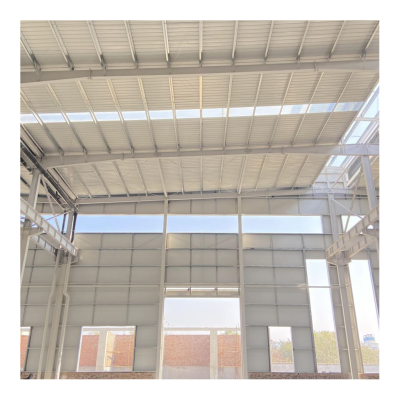


Steel Structure for Steel Building
$30.00 - $60.00
MOQ: 1000 Square Meters
Qingdao Xinguangzheng Huayang Construction Engineering Co., Ltd.

Steel Structure Warehouse Steel Construction Building
$30.00 - $60.00
MOQ: 1000 Square Meters
Qingdao Xinguangzheng Huayang Construction Engineering Co., Ltd.
Comprehensive Sourcing Guide
Strategic Sourcing Guide for Steel Welded Structures
The global demand for Steel Welded Structures has surged as industries seek durable, cost-effective solutions for warehousing, industrial workshops, and temporary facilities. For procurement professionals, navigating the market for these structures requires a disciplined approach that balances technical specifications, regulatory compliance, and supply chain reliability. This guide provides a comprehensive framework for sourcing Steel Welded Structures, grounded in verified product attributes and industry standards, to ensure that buyers make informed decisions that mitigate risk and optimize value.
Technical Specifications and Material Selection
The foundation of any successful procurement strategy for Steel Welded Structures lies in a precise understanding of technical specifications. Buyers must first identify the specific grade of steel required for their project, as this dictates the structural integrity and longevity of the final assembly. Market data indicates that common material grades for these structures include ASTM A36, Ss400, and Q235B, which are widely recognized for their carbon structural properties. For applications requiring higher strength, such as large-span warehouses or multi-story buildings, high-strength steel grades like Q345 and G450 are often specified.
The forming process is another critical technical variable. Most commercial Steel Welded Structures utilize hot-rolled steel, which offers superior ductility and strength compared to cold-rolled alternatives. The geometry of the structural members is equally important; the market typically offers light section steel and H-section steel as primary options. H-section steel is particularly prevalent for main beams and columns due to its high moment of inertia, while light section steel is often used for purlins and girts.
Dimensions and tolerances must be strictly defined in the request for quotation (RFQ). Observed product attributes suggest that standard tolerances for critical dimensions are often maintained within +/-0.10mm. Furthermore, the standard dimensions for plates and sections can vary significantly based on the manufacturer's capabilities, with common sizes including 20006000mm and 10201020mm. However, the most flexible and often preferred approach for complex projects is to specify "as per client's requirements" or "as per drawings," allowing for custom fabrication that aligns perfectly with architectural plans.
Compliance, Certification, and Standards Verification
Ensuring that Steel Welded Structures meet international and local standards is non-negotiable for safety and liability reasons. Buyers must verify that suppliers adhere to a robust set of standards, which commonly include GB, ASTM, DIN, JIS, AISI, and BS. These standards govern everything from material composition to welding procedures and load-bearing capacities. For instance, the GB standard is frequently cited in domestic Chinese manufacturing, while ASTM and DIN are essential for projects targeting North American or European markets.
Certification serves as the primary evidence of a supplier's commitment to quality management and product safety. Reliable suppliers in this sector typically hold certifications from recognized bodies such as ISO, BV, SGS, and CE. The presence of an ISO certification indicates that the manufacturer follows a standardized quality management system, while BV and SGS certifications often relate to specific product inspections and material testing. It is crucial for buyers to request valid, up-to-date certificates and verify their authenticity directly with the issuing bodies.
When evaluating compliance, buyers should also look for specific product standards related to the structure type. For example, structural steel sheds and steel structure buildings often reference standards like "Design and manufacture as per client's request" alongside established codes. This dual approach ensures that the product meets both general industry benchmarks and specific project requirements. The absence of these certifications should be treated as a significant red flag, potentially indicating a lack of rigorous quality control processes.
Cost Drivers and Pricing Dynamics
Understanding the cost drivers behind Steel Welded Structures is essential for budgeting and negotiation. The primary cost component is the raw material, specifically the steel grade and volume. Variations between Q235 and Q345, for example, will result in different price points due to the differing manufacturing processes and material properties. Additionally, the surface treatment method significantly impacts the final cost. Options such as painting, galvanizing, or applying specialized coatings add layers of expense but are necessary for corrosion resistance, particularly in harsh environments.
Packaging and logistics also play a substantial role in the total landed cost. Suppliers may offer different packing methods, ranging from bulk packing to standard export packing, shrink film, or paper boxes. The choice of packing affects the efficiency of loading and the protection of the structure during transit. Furthermore, the origin of the product influences pricing; structures originating from major manufacturing hubs like Qingdao, Shandong, China, may benefit from economies of scale and established logistics networks, potentially offering competitive pricing compared to other regions.
The observed price range for these structures in the market is broad, spanning from $2.8 to $10,000 USD. This wide variance is not indicative of quality differences alone but reflects the diversity in product types, from small components to complete building systems. Buyers should be wary of prices that seem abnormally low, as they may indicate substandard materials or a lack of necessary certifications. Conversely, higher prices should be scrutinized to ensure they correspond to value-added services like custom design, advanced surface treatments, or expedited lead times.
Typical Applications and Usage Scenarios
Steel Welded Structures are versatile and find application across a wide spectrum of industries. The most common usage scenarios include warehouses, workshops, and temporary offices. These structures are ideal for storing raw materials, housing heavy machinery, or providing sheltered workspaces. The specific design of the structure, such as the use of H-section steel for beams, makes it suitable for large, open-span environments where internal columns are undesirable.
Beyond industrial applications, steel structures are increasingly used for residential and commercial purposes, including villas and temporary housing solutions. The ability to customize the design allows architects and builders to create unique structures that meet specific aesthetic and functional needs. For example, a steel structure building can be designed with bolt connections for easy assembly and disassembly, making it perfect for temporary sites or rapidly expanding operations.
The characteristics of the goods, such as being designated as "Raw Material Warehouse" or "Steel Structure Building," highlight the specific intent of the structure. Buyers should clearly define the intended usage in their procurement documents to ensure the supplier provides a design that meets the load requirements, environmental conditions, and spatial needs of the project. Whether for a heavy-duty workshop or a lightweight temporary office, the application dictates the necessary technical specifications and material grades.
Supplier Evaluation and Geographic Considerations
Selecting the right supplier is as critical as selecting the right material. Buyers should prioritize suppliers with a proven track record in manufacturing Steel Welded Structures, particularly those located in established industrial regions. The supply chain data indicates a strong concentration of manufacturers in Qingdao, Shandong, China, a region known for its robust steel industry and export capabilities. Evaluating a supplier's location can provide insights into their logistical efficiency and familiarity with international shipping requirements.
When evaluating suppliers, buyers should look for evidence of customization capabilities. The market shows that "Customization" and "Custom" are key attributes, with many suppliers offering designs "as per client's request" or based on provided drawings. This flexibility is a strong indicator of a supplier's engineering competence and ability to handle complex projects. Additionally, the payment terms, such as L/C (Letter of Credit) and T/T (Telegraphic Transfer), should be reviewed to ensure they align with the buyer's financial policies and risk tolerance.
It is also vital to assess the supplier's production capacity and lead times. While specific lead times vary, the ability to meet deadlines is crucial for project timelines. Buyers should request detailed production schedules and inquire about the supplier's ability to scale production in response to urgent orders. The presence of a comprehensive quality control system, evidenced by certifications like ISO and SGS, should be a prerequisite for any supplier under consideration.
Quality Control and Long-Term Procurement Considerations
Quality control (QC) is the final gatekeeper in the procurement process. Buyers must ensure that the supplier implements rigorous QC measures at every stage of production, from raw material inspection to final assembly. Surface treatments like galvanizing and painting should be inspected for uniformity and adhesion to prevent future corrosion. The connection forms, such as bolt connections, must be checked for torque specifications and alignment to ensure structural stability.
Long-term procurement considerations involve building a sustainable relationship with suppliers who can support the buyer's future needs. This includes the availability of spare parts, the ability to perform maintenance, and the scalability of the supply chain. Buyers should also consider the environmental impact of the materials and processes used, as sustainability is becoming an increasingly important factor in B2B procurement.
Finally, buyers should establish clear communication channels and documentation protocols. All agreements, specifications, and quality standards should be documented in writing to avoid misunderstandings. By maintaining a disciplined approach to sourcing, buyers can secure high-quality Steel Welded Structures that meet their technical, financial, and operational requirements while minimizing risks associated with supply chain disruptions.
FAQs
What steel grades are commonly used for welded structures?
Common steel grades include ASTM A36, Ss400, and Q235B for general use. For higher strength requirements, grades like Q345 and G450 are often specified to ensure structural integrity in large-span applications.
Which surface treatments are available for steel structures?
Available surface treatments include painting, galvanizing, and specialized coatings. These options are selected based on environmental conditions to ensure corrosion resistance and long-term durability for the final assembly.
Can suppliers provide custom designs for steel buildings?
Yes, customization is available with designs manufactured as per client requests or drawings. This flexibility allows for tailored dimensions and specifications that align perfectly with specific architectural plans and project needs.
What certifications do reliable steel structure manufacturers hold?
Reliable manufacturers typically hold ISO, BV, SGS, and CE certifications. These documents verify adherence to quality management systems and product safety standards required for international compliance and liability protection.
How are Steel Welded Structures typically packed for shipping?
Packing methods range from bulk packing to standard export packing, shrink film, or paper boxes. The choice depends on the product type and ensures protection during transit while optimizing loading efficiency.
What payment terms are standard for steel structure orders?
Standard payment terms include L/C and T/T methods. These options align with typical B2B financial policies and provide a secure framework for transactions between international buyers and Chinese manufacturers.