Source Sterile Disposable Surgical Cannula for Medical Use
Find 30 listings for Sterile Disposable Surgical Cannula, including pen-type and wirewound reinforced models. Compare sizes from 6fr to 26fr, sterilization methods, and packaging options from Chinese manufacturers to find the right fit for your needs; compare the available evidence and request quotations based on your requirements.
Updated
Key considerations
Products List


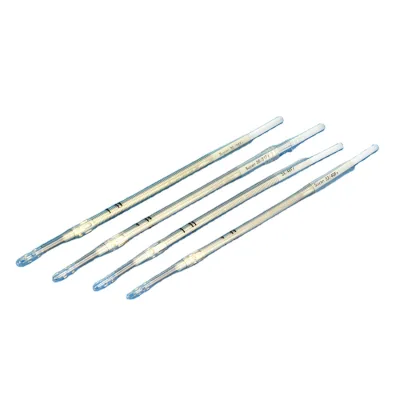
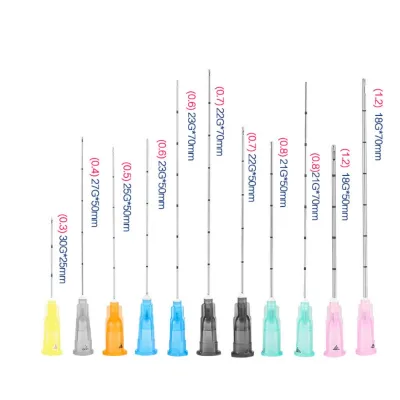

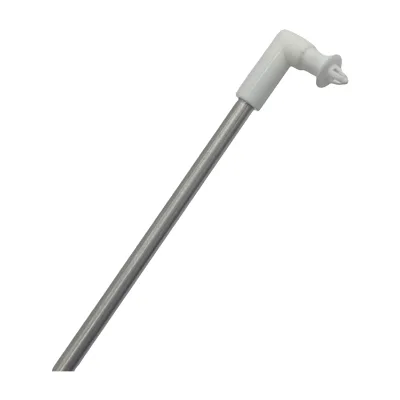
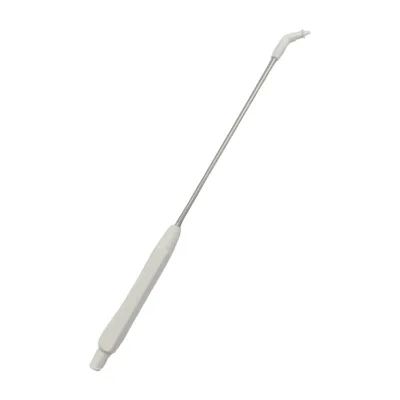
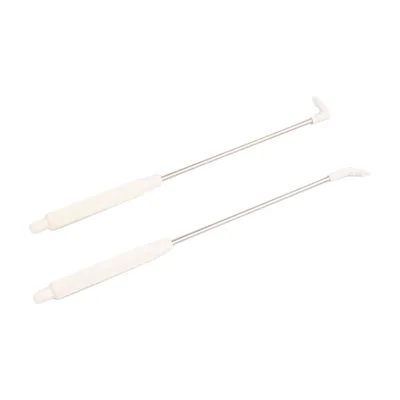


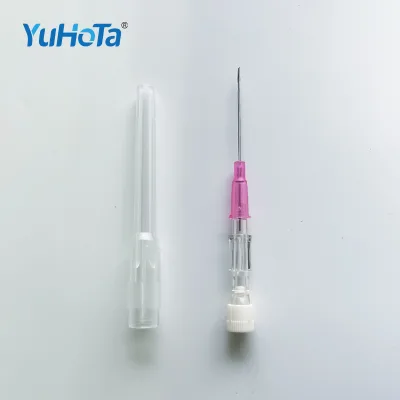
Medical Sterile Disposable Puncture Indwelling Needles Disposable IV Cannula
$0.10 - $0.50
MOQ: 10000 Pieces


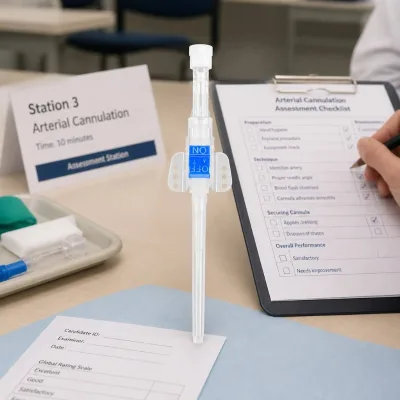


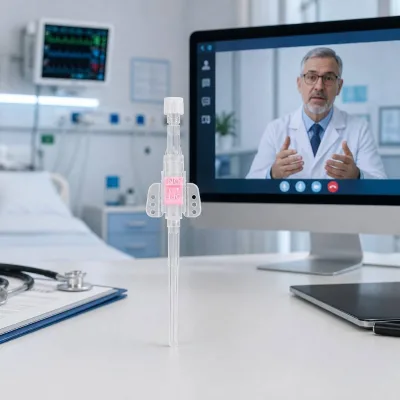



Disposable Iv Cannula Catheter with Injection Port Wing Type IV Cannula
$0.09 - $0.11
MOQ: 10000 Minimum


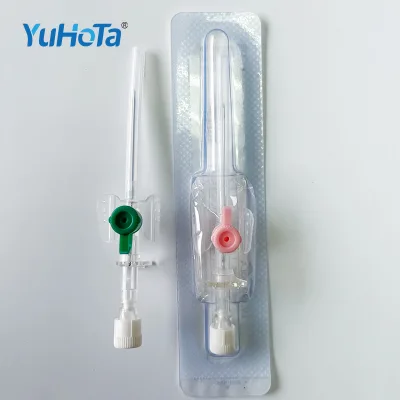
Medical Disposable Sterile IV Catheter IV Cannula with Injection Port
$0.1325 - $0.2206
MOQ: 100000 Pieces

Comprehensive Sourcing Guide
Sterile Disposable Surgical Cannula Sourcing Guide
Procurement teams must first distinguish between the specific product categories observed in the market, as listings frequently conflate distinct medical devices. The available data indicates a mix of test strips, infusion sets, and catheters alongside the target surgical cannulas, requiring buyers to scrutinize the product type field carefully. Verification of the exact model number, such as KX0103 or KX0106, is essential to ensure the item matches the clinical requirement for arterial or venous access rather than a general diagnostic tool.
Buyers should also note the variability in packaging and sterilization methods across different listings, which directly impacts logistics and clinical readiness. While some products arrive in single Tyvek pouches with Ethylene Oxide sterilization, others may be packed in bulk cartons with different sterilization claims. Confirming the specific sterilization type, such as EO, and the associated shelf life of three years is critical before finalizing any order to prevent supply chain disruptions or clinical safety issues.
Product Scope and Observed Listing Signals
The observed product range includes various sizes from 6fr to 26fr, with specific models like GW-TJ and KX0107 offering distinct structural features like wirewound reinforcement. These variations suggest that the market offers solutions for different procedural needs, ranging from small-bore applications to larger diameter requirements. Buyers must align their specific clinical volume needs with the available size ranges to ensure the selected cannula fits the intended surgical procedure without requiring custom modifications.
Listing signals also reveal significant diversity in packaging configurations, ranging from single-piece PE bags to bulk cartons containing hundreds of units. Some suppliers offer export cartons measuring 51x28x21cm, while others list single package sizes of 50x50x50cm, which affects storage and shipping calculations. Understanding these physical dimensions and the associated carton measures is vital for warehouse planning and ensuring that the delivered goods fit within existing storage constraints.
Technical Specifications to Verify
Technical verification must begin with the material composition, as the supplied facts indicate options ranging from plastic to polypropylene (PP). The choice of material influences the flexibility and durability of the cannula, particularly for applications requiring wirewound reinforcement to prevent kinking during insertion. Buyers should explicitly request material certificates to confirm that the plastic or PP used meets the necessary biocompatibility standards for direct patient contact.
Dimensional accuracy is another critical technical parameter, with observed specifications including lengths of 9.05 inches and tip configurations that are either straight or curved. The model numbers provided, such as KX0103 and KX0106, often correspond to specific structural designs like pen types or those with injection ports. Procurement teams must cross-reference these model identifiers with the required gauge sizes, typically ranging from 14g to 26g, to ensure the device performs correctly in the intended anatomical location.
Compliance and Safety Documentation
Regulatory compliance is a non-negotiable aspect of sourcing, with observed listings citing standards such as ISO 13485, ISO 9001, and GMP. These certifications indicate that the manufacturing facility adheres to international quality management systems, which is essential for maintaining product consistency and safety. Buyers should verify that the specific batch of cannulas being purchased carries the relevant regulatory type classification, such as Class II, to ensure it meets the legal requirements for medical devices in their target market.
Safety documentation must also include proof of sterilization, with Ethylene Oxide (EO) being the primary method observed in the supply data. The presence of SGS and CE marks further validates the product's adherence to safety and performance standards. It is imperative to request the sterilization validation reports and shelf-life data, which are listed as three years for some items, to confirm that the product remains sterile and effective throughout its intended storage period.
Cost Drivers and Commercial Terms
Cost structures in this market are heavily influenced by the Minimum Order Quantity (MOQ), which varies significantly from 1 unit to 100,000 units depending on the supplier. High-volume orders often benefit from lower per-unit pricing, but the initial investment required to meet the 10,000-piece MOQ can be a barrier for smaller clinics. Buyers must calculate the total cost of ownership, including storage and potential obsolescence, when deciding whether to commit to large bulk orders or negotiate smaller, more frequent shipments.
Commercial terms also encompass customization options, such as logo printing, which can add value but may increase the unit cost or extend lead times. The availability of customization allows hospitals to brand their supplies, yet it requires careful coordination with the supplier to ensure that the printing process does not compromise the sterile barrier. Additionally, the quality guarantee period of two years for certain products provides a buffer against defects, but buyers should clarify the specific terms of this guarantee in their purchase agreements.
Supplier Qualification and Quality Control
Supplier qualification requires a thorough review of the product origin, which is consistently listed as China for the observed items. While this location offers competitive pricing, buyers must assess the supplier's capacity to maintain consistent quality control across large production runs. The presence of specific certifications like ISOCE and the mention of export cartons suggest an established supply chain, but on-site audits or third-party verification of the manufacturing process are recommended to ensure ongoing compliance.
Quality control protocols should be verified through the supplier's documentation of their sterilization and packaging processes. The data indicates that products are packed in single pouches or bulk cartons, and the method of sterilization, such as Ethylene Oxide, must be validated for each batch. Buyers should request batch-specific test results and ensure that the supplier has a robust system for tracking product defects, given the critical nature of surgical cannulas in patient care.
Long-Term Procurement Checks
Long-term procurement strategies must account for the shelf life and storage requirements of the cannulas, which are specified as needing dark, dry, and clean conditions. Maintaining these environmental conditions is essential to preserve the integrity of the sterile barrier and the material properties of the plastic or PP components. Buyers should implement inventory management systems that rotate stock based on the three-year shelf life to prevent the use of expired medical devices in surgical procedures.
Future procurement checks should also monitor the stability of the supplier's certification status and their ability to meet evolving regulatory standards. As medical device regulations change, suppliers must demonstrate their continued compliance with standards like ISO 13485 and CE. Establishing a long-term relationship with a supplier who can adapt to these changes ensures a reliable supply of high-quality cannulas, reducing the risk of supply chain interruptions and maintaining patient safety standards over time.
FAQs
What certifications do the sterile disposable surgical cannulas hold?
The sterile disposable surgical cannulas hold ISO 13485, ISO 9001, GMP, and CE certifications. These standards ensure rigorous quality management and regulatory compliance for medical device manufacturing. Buyers can verify these credentials to ensure the products meet international safety and quality requirements for clinical use.
How are the surgical cannulas sterilized for safe use?
The surgical cannulas are sterilized using Ethylene Oxide (EO) sterilization. This method ensures the products are sterile and safe for immediate clinical application. The sterilization process is clearly documented, providing assurance of product safety and compliance with medical hygiene standards for disposable surgical instruments.
What is the minimum order quantity for these cannulas?
The minimum order quantity for these cannulas is 10,000 pieces. This MOQ applies to standard orders, ensuring efficient production and logistics. Buyers should consider this threshold when planning procurement volumes to meet their supply chain requirements and budget constraints effectively.
Can buyers customize the packaging or branding of the cannulas?
Yes, customization is available for both packaging and branding. Buyers can choose between logo printing with or without their specific branding. The products are packed in export cartons, with options like PE bags or blister packs, allowing for tailored logistics and marketing needs.
What sizes are available for the sterile surgical cannulas?
Available sizes range from 8FR to 26FR, including specific models like 8FR, 10FR, 12FR, 14FR, and 16FR. These dimensions cater to various surgical requirements. The wirewound reinforced structure ensures durability and flexibility, making them suitable for diverse clinical procedures requiring precise cannulation.
What is the shelf life and storage requirement for these products?
The shelf life is three years when stored correctly. Products must be kept in dark, dry, and clean conditions to maintain sterility and integrity. Proper storage ensures the cannulas remain effective throughout their usable period, preventing degradation and ensuring patient safety during surgical applications.