Source Sterling Silver Rings for Wedding, Decoration, and Gift
Explore 30 listings of Sterling Silver Rings for Wedding and other occasions. Buyers can compare customization options, plating types, delivery times, and material purity from verified suppliers in Guangzhou, China. These rings feature elegant styles suitable for gifts, decoration, and jewelry design projects with flexible OEM services available.
Key considerations
Products List


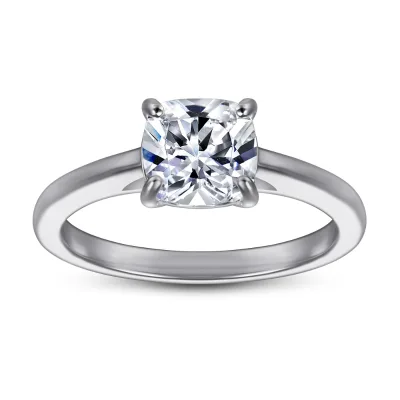


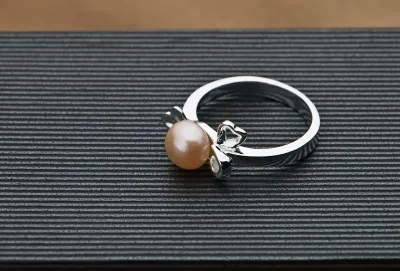
Comprehensive Sourcing Guide
Sterling Silver Rings for Wedding Sourcing Guide
Procuring Sterling Silver Rings for Wedding ceremonies requires a strategic approach to material authenticity and design versatility. The observed market data indicates a strong presence of 925 sterling silver products, often featuring rhodium, rose gold, or yellow gold plating to enhance durability and aesthetic appeal. Buyers must prioritize suppliers who explicitly state their material composition as 92.5% pure silver to ensure the jewelry meets the high standards expected for lifelong commitments.
Design flexibility is a critical factor, with observed listings offering customization services such as OEM and ODM manufacturing. This allows couples to select specific shapes like square, round, or cross motifs, tailored to their personal style preferences. The availability of wax setting and gem mounting processes further expands the design possibilities, ensuring that the final product aligns perfectly with the intended wedding theme or personal narrative.
Product Scope and Observed Listing Signals
The current market landscape for wedding rings reveals a diverse range of styles, from elegant and fashion-forward designs to simple and classic options. Listings frequently highlight usage scenarios that extend beyond the ceremony itself, including decoration, gifting, and collection purposes. This versatility suggests that the rings are designed to be worn daily or reserved for special occasions, providing buyers with multiple value propositions depending on their specific needs.
Observations of product attributes indicate a significant variation in minimum order quantities, ranging from as low as 10 pieces to 1000 pieces. This disparity allows buyers to choose between small-batch custom orders for unique designs or larger inventory purchases for wholesale distribution. The presence of specific product models like R10766 and R10549 demonstrates that manufacturers maintain distinct catalog lines, each with unique specifications regarding shape, gender suitability, and plating options.
Technical Specifications to Verify
Verifying the fabrication processing methods is essential to ensure the structural integrity of the rings. The observed data highlights two primary techniques: electroplating for surface finishing and gem mounting for stone setting. Buyers should confirm which process is used for their specific design, as electroplating provides a uniform metallic layer while gem mounting ensures stones are securely held in place, a crucial factor for rings intended for daily wear.
Material purity and stamping requirements must be rigorously checked to prevent counterfeit or substandard products. While many listings specify a 92.5% purity level and a "925" stamp, some suppliers offer customer-required stamping options. It is vital to request physical samples to verify that the silver content matches the claimed standard and that the stamping is clear and accurate, as this directly impacts the ring's value and authenticity.
Compliance and Safety Documentation
Safety and compliance are paramount when sourcing jewelry for weddings, particularly regarding metal allergies and material safety. The observed listings mention SGS certification, which serves as a third-party verification of product quality and safety standards. Buyers should insist on receiving valid SGS test reports for every batch to ensure the rings are free from harmful substances and meet international safety regulations for consumer goods.
Documentation regarding the origin and standard of the product is equally important for establishing trust and traceability. Most observed products originate from Guangzhou, China, and adhere to specific production standards that align with the SGS certification. Procurement teams should verify that the supplier can provide consistent documentation for each shipment, ensuring that the rings meet the required safety and quality benchmarks before they reach the end consumer.
Cost Drivers and Commercial Terms
Several factors influence the final cost of sterling silver wedding rings, including the complexity of the design, the type of plating used, and the quantity ordered. The observed price range of 0.69 to 26.7 USD reflects these variables, with more intricate designs and premium plating options commanding higher prices. Buyers must balance their budget constraints with the desired level of customization and quality to achieve the best value for their investment.
Commercial terms such as minimum order quantities and delivery times significantly impact procurement planning. Lead times vary widely, with some suppliers offering delivery within 10 to 15 days after deposit, while others require 30 to 40 days. Understanding these timelines is crucial for wedding planning, as delays can disrupt the schedule. Additionally, payment methods like T/T, bank transfer, and PayPal offer flexibility, but buyers should negotiate terms that protect their financial interests.
Supplier Qualification and Quality Control
Selecting a qualified supplier involves assessing their ability to deliver consistent quality and adhere to customization requests. The observed data shows that many suppliers offer OEM and ODM services, indicating a capacity for custom design and manufacturing. Buyers should evaluate the supplier's experience with specific processes like hand-made fabrication and wax setting to ensure they can meet the unique requirements of wedding jewelry.
Quality control measures must be integrated into the procurement process to minimize the risk of defects. Suppliers should have robust systems in place to inspect products for plating uniformity, stone security, and material purity before shipment. Requesting pre-shipment samples and conducting random inspections on bulk orders can help verify that the final products meet the agreed-upon standards and specifications.
Long-Term Procurement Checks
Establishing a long-term partnership with a reliable supplier requires ongoing monitoring of performance and consistency. Buyers should track key performance indicators such as delivery times, defect rates, and responsiveness to customization requests. Regular audits and feedback sessions can help identify areas for improvement and ensure that the supplier continues to meet the evolving needs of the business.
Future-proofing the procurement strategy involves staying informed about market trends and technological advancements in jewelry manufacturing. As consumer preferences shift, suppliers must be able to adapt their designs and production methods accordingly. Maintaining open communication and fostering a collaborative relationship with the supplier will ensure a steady supply of high-quality sterling silver rings that align with the brand's vision and customer expectations.
FAQs
Can I customize Sterling Silver Rings for Wedding with specific plating options?
Yes, customization is available for these rings, allowing you to select from Rhodium, Rose Gold, Yellow Gold, or Black plating finishes. The manufacturer supports OEM and ODM services to meet your unique design requirements. You can choose from various shapes like Square or Round, ensuring the final product aligns perfectly with your wedding jewelry vision and aesthetic preferences.
What is the typical delivery time for ordering Sterling Silver Rings for Wedding?
Delivery times vary based on the specific product model and order volume. Standard lead times range from 20 to 40 days after deposit confirmation. Some models may be delivered within 10 to 15 days after getting the deposit. Sample preparation typically takes around 10 days. These timelines ensure quality control and proper fabrication processing for each order.
What certifications are provided for Sterling Silver Rings for Wedding purchases?
The products come with SGS certification, verifying compliance with quality and safety standards. The material is confirmed as 925 Sterling Silver with a purity of 92.5%. This certification ensures that the rings meet international standards for precious metal jewelry. Buyers can rely on these documented standards for wholesale distribution and retail sales in regulated markets.
What is the minimum order quantity for Sterling Silver Rings for Wedding?
The minimum order quantity varies by product model, typically ranging from 10 to 30 pieces. Some items have an MOQ of 20 pieces, while others may require 10 or 30 pieces. This flexibility allows buyers to start with smaller test orders. The supplier accommodates various business sizes, from small boutiques to larger distributors seeking bulk inventory.
Where are these Sterling Silver Rings for Wedding manufactured and shipped from?
These rings are manufactured in Guangzhou, China, a major hub for jewelry production. The origin is clearly documented as China, ensuring traceability for supply chain management. Shipping methods include UPS, DHL, FedEx, TNT, and EMS, providing reliable global logistics options. This location offers efficient access to raw materials and skilled craftsmanship for high-quality output.
What materials and settings are used in Sterling Silver Rings for Wedding?
The rings are crafted from 925 Sterling Silver, often featuring Cubic Zirconia accessories. Setting techniques include Wax Setting and Gem Mounting for secure stone placement. Fabrication processes involve Electroplating for durable finishes. These materials ensure longevity and aesthetic appeal. The combination of pure silver and quality gemstones makes them suitable for elegant wedding jewelry collections.