Source Nail File for Beauty, Salon, and Home Care
Explore 30 verified Nail File options from manufacturers in China. Buyers can compare materials like glass and steel, customization levels, and packaging details to find the right tool for beauty, salon, or home care applications; compare the available evidence and request quotations based on your requirements.
Key considerations
Products List


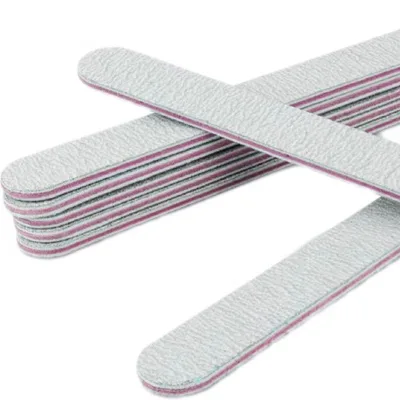
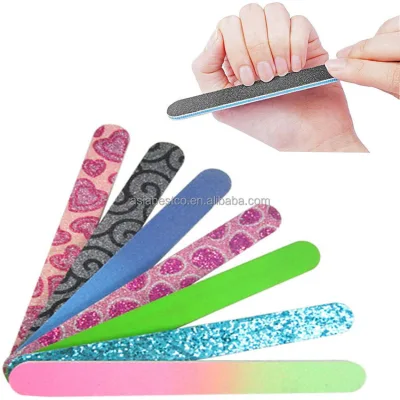
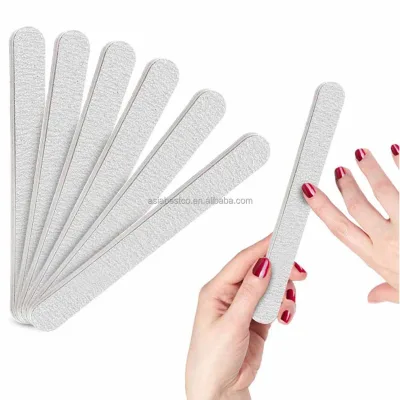
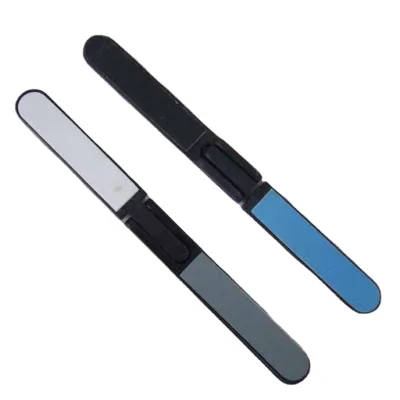
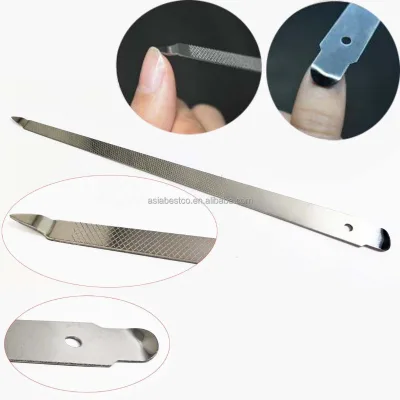
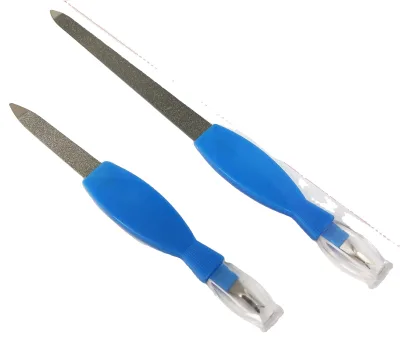
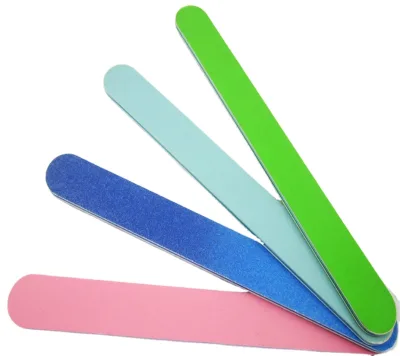

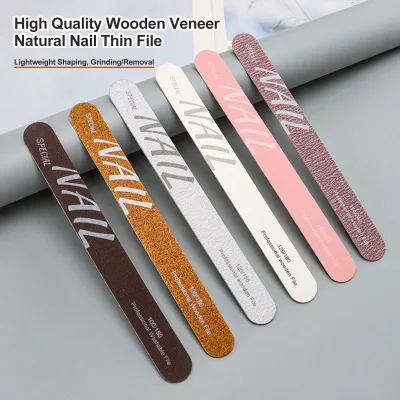
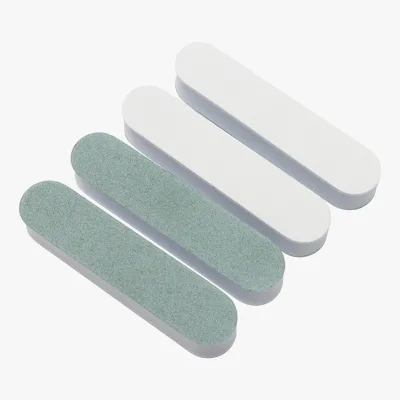
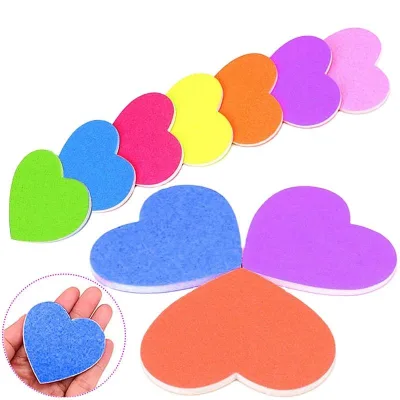
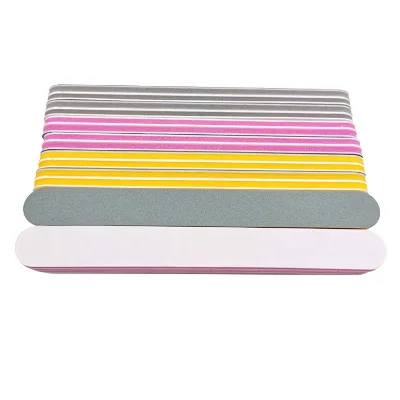
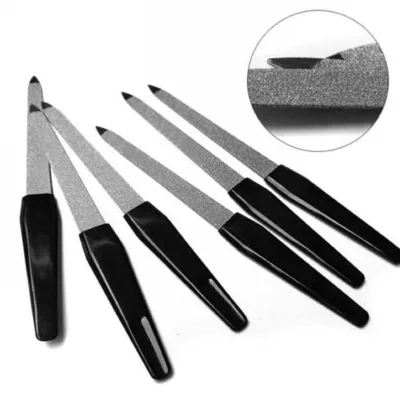


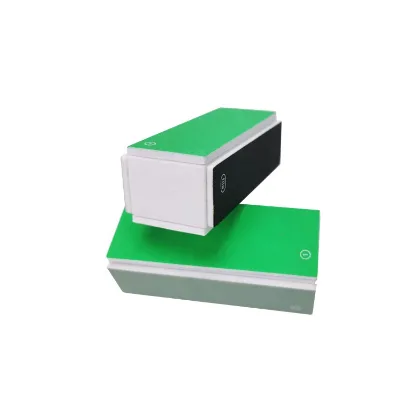
Professional Manufacturers Sell Custom Logo 3 Sides Nail File Nail Care Tool
$0.07 - $0.08
MOQ: 5000 Pieces


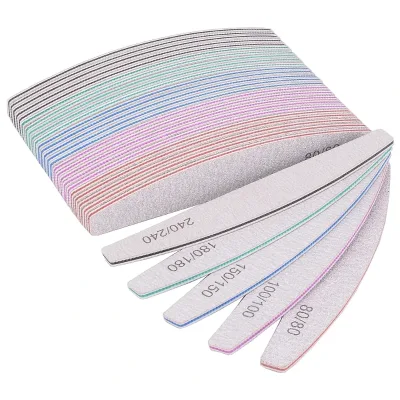

Stainless Steel Nail File Double Side Manicure Pedicure Supplies Nail Art Tools Nails File
$0.20 - $0.45
MOQ: 500 Pieces

Personal Care Foot Nail File Nails Art Buffer Pedicure Manicure Supplies Tool Kit
$0.38 - $0.50
MOQ: 1000 Pieces

Diamond Stainless Steel Double Side Nail File Metal Manicure Pedicure Tools Foot Nail Files
$1.10 - $1.50
MOQ: 100 Pieces
Comprehensive Sourcing Guide
Nail File Sourcing Guide
The global market for nail files presents a diverse array of materials and configurations, ranging from traditional glass and steel to specialized wood and composite options. Buyers must navigate a landscape where product attributes vary significantly, including single-sided versus double-sided designs and varying surface textures. The observed data indicates a strong presence of glass-based tools, often marketed with specific dimensions such as 10.2cm, alongside steel and wood variants that cater to different durability and aesthetic requirements. Understanding these material distinctions is the first step in aligning procurement with specific brand positioning and end-user expectations.
Procurement strategies must account for the wide range of customization options available, including OEM, ODM, and OBM support. Many suppliers offer flexible packaging solutions, from bulk packs to individual poly bags or OPP bags, which directly impact retail presentation and logistics efficiency. The presence of spiral bands and specific shape customizations suggests that buyers can tailor products to niche markets, such as professional salons or direct-to-consumer e-commerce channels. This flexibility allows for the creation of unique product identities while leveraging established manufacturing capabilities in key production hubs.
Product Scope and Observed Listing Signals
The observed product listings reveal a broad spectrum of Nail File types, with glass and steel being prominent materials. Specific models like SF-204 and RWF-103 highlight the variety in design, with some items featuring double-sided functionality and others offering single-sided utility. The presence of items with specific length standards, such as 17mm or 9mm, indicates that precision in sizing is a critical differentiator. Buyers should note that while some products are described as non-electric, the core functionality relies on manual abrasion, requiring careful selection of grit and material hardness to ensure effective nail shaping without damage.
Packaging and logistics data provide insight into the operational scale of potential suppliers. Common packing configurations include 1000 pieces per carton or 600 pieces per carton, with carton dimensions varying to accommodate different product sizes. For instance, some cartons measure 37.5x21x29.5cm, while others are sized at 44x19x15cm, reflecting the diversity in product form factors. These logistical details are crucial for calculating landed costs and warehouse space requirements, ensuring that the chosen supplier can meet volume demands without compromising on product integrity during transit.
Technical Specifications to Verify
Verifying technical specifications is essential to ensure that the nail files meet the desired performance and durability standards. Buyers should confirm the exact material composition, whether it is glass, steel, or wood, and verify the surface texture to ensure it provides the appropriate abrasion level for the target market. The presence of double-sided designs requires inspection of both sides to ensure consistent quality and functionality. Additionally, checking the dimensions, such as the 10.2cm standard or specific length measurements, is vital to ensure compatibility with existing product lines or retail packaging constraints.
Customization capabilities should be thoroughly evaluated, particularly regarding shape and size modifications. Suppliers offering OEM, ODM, and OBM support can provide tailored solutions, but buyers must verify the feasibility and cost implications of these customizations. The availability of free samples is a valuable resource for testing product quality before committing to large orders. Buyers should also assess the supply ability, with some suppliers claiming capacities of up to 2 million pieces per month, to ensure they can meet peak demand periods without delays.
Compliance and Safety Documentation
Compliance with safety standards is paramount, especially for products that come into direct contact with the skin and nails. Buyers should request documentation for relevant certifications, such as GS certification, which indicates adherence to specific safety requirements. While the supplied data mentions GS certification for some items, it is crucial to verify that all products in the order meet the necessary regulatory standards for the destination market. This includes ensuring that materials used are non-toxic and safe for cosmetic use, preventing any adverse reactions or health risks for end-users.
Warranty and after-sales support are also key components of compliance and risk management. Some suppliers offer a 3-year warranty, which can provide additional assurance regarding product durability and quality. Buyers should clarify the terms of this warranty, including what constitutes a defect and the process for claims. Additionally, understanding the return policy and defect rate expectations can help in assessing the overall reliability of the supplier. Ensuring that all compliance documentation is up-to-date and valid for the specific product batch is essential to avoid customs delays or market restrictions.
Cost Drivers and Commercial Terms
Cost drivers for nail files include material selection, customization complexity, and packaging requirements. Glass and steel materials may have different cost structures compared to wood, and custom shapes or sizes can increase production costs. Packaging options, such as individual poly bags or bulk packs, also impact the final price. Buyers should request detailed quotations that break down these costs to understand the true value proposition. The observed MOQ ranges from 3 to 10,000 pieces, allowing for flexibility in order sizes, but higher volumes may offer better unit prices.
Commercial terms, including lead times and payment conditions, are critical for supply chain planning. The observed delivery time of 30 days is a standard benchmark, but buyers should confirm if this applies to customized orders or standard stock items. Payment terms should be negotiated to balance risk and cash flow, with options like letters of credit or partial payments being common in international trade. Understanding the port of dispatch, such as Shanghai, can also help in estimating shipping costs and transit times, ensuring that the total landed cost is accurately calculated.
Supplier Qualification and Quality Control
Supplier qualification involves assessing the manufacturer's production capabilities, quality control processes, and track record. Buyers should request information about the supplier's facility, including production lines and testing equipment, to ensure they can maintain consistent quality. The presence of specific product models and standards suggests a level of specialization, but buyers should verify that the supplier has experience in exporting to their target market. Checking references or case studies can provide additional confidence in the supplier's reliability and professionalism.
Quality control measures should be clearly defined, including inspection points during production and pre-shipment checks. Buyers should establish clear acceptance criteria for defects, such as chipping, uneven surfaces, or packaging errors. The ability to provide free samples is a positive indicator, allowing buyers to conduct their own quality assessments. Additionally, discussing the supplier's process for handling non-conforming products can help in mitigating risks. Regular communication and clear specifications are essential to ensure that the final product meets the buyer's expectations.
Long-Term Procurement Checks
Long-term procurement success depends on building a sustainable relationship with suppliers and continuously monitoring performance. Buyers should establish key performance indicators (KPIs) for quality, delivery, and responsiveness, reviewing these metrics regularly to identify areas for improvement. Maintaining open communication channels can help in addressing issues promptly and fostering a collaborative partnership. Regular audits or visits to the supplier's facility can provide valuable insights into their operations and commitment to quality.
Adapting to market changes and evolving customer preferences is crucial for long-term relevance. Buyers should stay informed about trends in nail care products, such as new materials or designs, and work with suppliers to innovate and differentiate their offerings. Continuous improvement initiatives, such as optimizing packaging for sustainability or enhancing product durability, can add value and strengthen the brand. By focusing on these long-term checks, buyers can ensure a resilient and competitive supply chain that supports their business growth.
FAQs
What materials are used for nail files?
Nail files are available in glass, steel, and wood materials. These options provide different textures and durability levels for various polishing needs. Buyers can select the specific material that best suits their product requirements and target market preferences.
Can I customize the Nail File specifications?
Yes, customization is available for shape, size, and design. Buyers can request specific dimensions like 10.2cm or 17mm lengths. OEM, ODM, and OBM support allows for tailored branding and unique product features to meet distinct business needs.
What is the minimum order quantity for these files?
The minimum order quantity ranges from 1000 to 6000 pieces depending on the specific product model. Some items require 6000 pieces while others start at 1000. Bulk packing options like 1000 pieces per carton help manage inventory efficiently.
How long does delivery take for orders?
Standard delivery time is approximately 30 days from order confirmation. This lead time applies to most bulk orders regardless of the specific model selected. Buyers should plan their inventory cycles accordingly to ensure timely receipt of goods.
Which certifications do the nail files hold?
Some products carry GS certification to ensure safety and quality standards. This certification indicates compliance with specific regulatory requirements for consumer goods. Buyers seeking certified products should verify the specific model details before placing large orders.
Where are these nail files manufactured?
Products originate from Guangdong Foshan and Jiangsu China. These regions are known for their manufacturing capabilities in beauty tools. Buyers can expect consistent quality and efficient logistics from these established production centers.
What packaging options are available for shipping?
Packaging includes bulk packs, poly bags, PVC bags, and OPP bags. Cartons vary in size, such as 37.5x21x29.5cm or 44x19x15cm. Net and gross weights range from 13kg to 25kg per carton depending on the product type.