Source Straight Leg Cotton Blend Shorts for Travel, Work, and Leisure
Explore 26 listings for Straight Leg Cotton Blend Shorts featuring drawstring waists and side pockets. Buyers can compare customization options, fabric compositions, and delivery terms from verified manufacturers in China.
Key considerations
Products List




Comprehensive Sourcing Guide
Strategic Sourcing Guide for Straight Leg Cotton Blend Shorts
Understanding Product Specifications and Design Parameters
When sourcing Straight Leg Cotton Blend Shorts, buyers must first establish a clear definition of the product's physical and functional attributes. The core keyword implies a specific silhouette where the leg opening remains consistent from the knee to the hem, avoiding the tapering or flaring seen in other styles. Based on available product data, the "Straight" style is a confirmed attribute for this category, ensuring a classic, relaxed fit that appeals to a broad demographic. The fabric composition is critical; while the term "cotton blend" suggests a mix of natural and synthetic fibers, specific listings indicate that "Cotton" is a primary material component. Buyers should verify the exact blend ratio, as the inclusion of materials like Spandex or other synthetics can significantly impact stretch, durability, and the garment's ability to retain its shape after washing.
The dimensional specifications for these shorts often vary by model. Data indicates a standard product size of 30405, which likely refers to packaging or specific dimensional constraints rather than the garment itself, but the "Short" length specification is explicitly noted. This confirms the product falls into the category of shorts rather than trousers. The waist design is another vital specification; observed listings feature a "Drawstring belt" waist, which offers an adjustable fit and enhances comfort for active wear. Additionally, the pocket style is consistently identified as "Side pockets," a standard feature that adds utility without compromising the straight-leg aesthetic. The pattern is typically listed as "Plain Color," suggesting that while customization is available, the baseline market offering favors solid hues over complex prints.
Customization Capabilities and Production Flexibility
One of the most significant advantages in sourcing Straight Leg Cotton Blend Shorts is the high degree of customization available from suppliers. The product attributes explicitly state that customization is "Support Customize Your Own Items" and "Available." This flexibility extends to branding, with options to "Custmize Your Own Logo" and "Co-brand option available." For buyers looking to build a private label, the ability to modify the logo placement and design is a crucial procurement factor. Furthermore, the service models listed include OBM, ODM, and OEM, indicating that suppliers can handle everything from manufacturing based on a buyer's design to providing full design and development services.
The sampling process is a critical step in this customization workflow. The observed sampling time is 7-10 days, which is relatively efficient for the industry. However, buyers must be aware of the associated costs; the sample charge is typically "Double Unit Price." This pricing structure is standard for custom orders where the supplier incurs additional setup costs for a single unit. Once the sample is approved, the production lead time for the main order is estimated at 25-35 days. This timeline is essential for supply chain planning, particularly for seasonal collections. The flexibility in packaging is also notable; while some items come in a "Polybag" or "Cardboard Box," others can be packed "as Per as Customer Requirements," allowing buyers to align packaging with their brand's sustainability goals or retail presentation needs.
Cost Drivers and Minimum Order Quantity Analysis
The financial structure of sourcing these shorts involves several variables that influence the final landed cost. The observed price range for similar products in the market spans from 2 to 59.5 USD. This wide disparity is not indicative of quality alone but reflects differences in material composition, customization complexity, order volume, and the specific supplier's pricing strategy. For instance, a basic cotton blend short with a plain color and minimal customization will likely sit at the lower end of this spectrum, while a premium version with complex branding, specialized fabric blends, or eco-friendly certifications will command a higher price.
Minimum Order Quantity (MOQ) is another pivotal cost driver. The data presents a diverse landscape of MOQ requirements, ranging from as low as 1 piece to as high as 1200 pieces. Some suppliers explicitly state "Small Orders: Accepted" with an MOQ of 1, which is ideal for startups or buyers testing the market with limited capital. Conversely, other listings specify an "MOQ in Stock" of 10 pieces per style, which serves as a threshold for immediate availability. Buyers must carefully align their order volume with these thresholds to avoid excessive per-unit costs or the inability to secure stock. The payment terms are generally standardized as "T/T" (Telegraphic Transfer), a common method in international trade that requires buyers to understand the deposit and balance payment schedule to manage cash flow effectively.
Compliance, Sustainability, and Material Verification
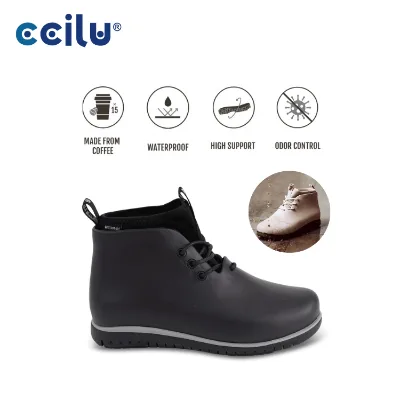
While the core keyword focuses on Straight Leg Cotton Blend Shorts, the broader market context includes various sustainability claims and material certifications. It is important to distinguish between observed product attributes and general industry standards. Some listings in the broader category mention sustainability certifications such as "GRS" (Global Recycled Standard), "B-Corp," and "100% vegan - Peta approved," along with materials like "Coffee compound" and "Eco OrthoLite foam." However, these attributes are associated with specific footwear and alternative material products in the provided data, not necessarily the cotton blend shorts.
Buyers must exercise caution and verify these claims directly with the supplier. Do not assume that a supplier offering cotton shorts also holds GOTS (Global Organic Textile Standard) or OEKO-TEX certifications unless explicitly confirmed in the product specification sheet. The provided data lists "Cotton" as a material but does not confirm its organic status or the presence of specific chemical safety tests. Therefore, the procurement strategy should include a mandatory request for third-party test reports regarding the cotton blend's safety, dye fastness, and shrinkage rates. If sustainability is a core brand value, buyers should explicitly ask for documentation proving the origin of the cotton and the environmental impact of the dyeing process, rather than relying on general category assumptions.
Supplier Evaluation and Logistics Management
Selecting the right supplier requires a rigorous evaluation of their operational capabilities and logistical network. The product origin is listed as "China," which is a major manufacturing hub for apparel. When evaluating potential partners, buyers should assess their experience with the specific "Straight" style and their ability to maintain consistency in the "Side pockets" and "Drawstring belt" construction. The ability to handle "Customizable" models suggests a flexible production line, but buyers should verify the supplier's capacity to manage the "25-35 Days" delivery window without compromising quality.
Logistics and shipping are also critical components of the procurement plan. The available shipping methods include "by FedEx&UPS," "by Sea," and "by Air." The choice of shipping method will depend on the urgency of the order and the budget constraints. Air freight is faster but more expensive, suitable for small, urgent orders or samples, while sea freight is cost-effective for large volume shipments but requires longer lead times. The product packing is listed as "1PC in a Polybag" or "Cardboard Box," but buyers should confirm if the packaging is robust enough to prevent damage during transit, especially for sea freight where humidity and handling can be factors. Additionally, the "Single gross weight" and volume data should be reviewed to calculate accurate freight costs and container utilization.
Quality Control and Long-Term Procurement Strategy
Ensuring consistent quality is paramount for maintaining brand reputation. Given the "Straight" leg style and "Cotton" fabric, buyers should focus on quality control checks for seam strength, color consistency, and the durability of the drawstring mechanism. The "Plain Color" pattern simplifies visual inspection but does not eliminate the risk of dye variations. Implementing a pre-shipment inspection is highly recommended, particularly for orders exceeding the low MOQ thresholds. Buyers should define clear acceptance criteria for defects, such as loose threads, uneven hem lengths, or faulty side pockets.
For long-term procurement, building a relationship with a supplier who offers "OBM/ODM/OEM" services can provide significant strategic advantages. This relationship allows for continuous improvement in product design and cost optimization over time. Buyers should also consider the "Sampling Time" of 7-10 days as a benchmark for future production cycles; if a supplier consistently exceeds this timeline, it may indicate operational inefficiencies. Finally, while the "Small Orders: Accepted" feature is attractive for initial testing, scaling up to higher volumes should be negotiated with the supplier to secure better pricing tiers and priority production slots. By maintaining a disciplined approach to specification verification, cost analysis, and quality assurance, buyers can successfully source Straight Leg Cotton Blend Shorts that meet both functional and commercial objectives.
FAQs
Can I customize the logo on Straight Leg Cotton Blend Shorts?
Yes, you can customize your own logo on these items. Suppliers support customization for your own items and offer co-brand options, allowing you to tailor the branding to your specific needs before production begins.
What is the minimum order quantity for these shorts?
The minimum order quantity ranges from 1 piece to 1200 pieces depending on the supplier. Some vendors accept small orders with an MOQ of 1, while others require 10 pieces per style for stock items or higher volumes for custom runs.
How long does it take to receive a sample?
The sampling time is typically 7 to 10 days. Buyers should note that the sample charge is usually double the unit price, which covers the setup costs for creating a single custom unit before full production starts.
What are the standard payment terms for these products?
The standard payment term is T/T, which stands for Telegraphic Transfer. This is a common method in international trade where buyers need to manage deposit and balance payment schedules to ensure smooth cash flow during the procurement process.
Which shipping methods are available for delivery?
Products can be shipped by FedEx, UPS, sea, or air. The choice depends on urgency and budget, with air freight being faster for small orders and sea freight being more cost-effective for large volume shipments from China.
What fabric is used for the Straight Leg Cotton Blend Shorts?
Cotton is a primary material component used for these shorts. While the term suggests a blend, specific listings confirm cotton as the main fabric, though buyers should verify exact blend ratios for stretch and durability requirements.
What is the lead time for the main production order?
The delivery date for the main order is estimated at 25 to 35 days. This timeline is essential for supply chain planning, especially for seasonal collections where timing is critical to meet market demands effectively.