Source Straight Handle Kayak Paddle for Lakes, Rivers, and Ocean Waters
Explore 30 available options for the Straight Handle Kayak Paddle, ranging from aluminum and fiberglass to full carbon fiber models. Buyers can compare specifications including size, weight, and detachable features for use in lakes, rivers, and ocean waters.
Key considerations
Products List
![[Carbon Fiber] Wholesale New Style Shaft Kayak Paddle with Black Blade](https://file.focusaim.com/api/image/preview/b0786b2afbad0b834a4bcf95533c8cc9.png?bi=true&local=true)
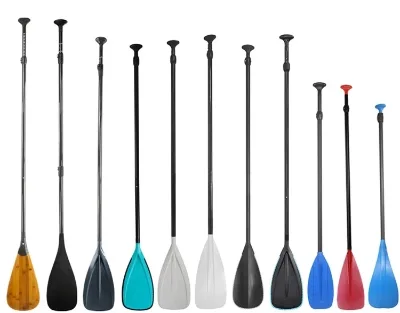
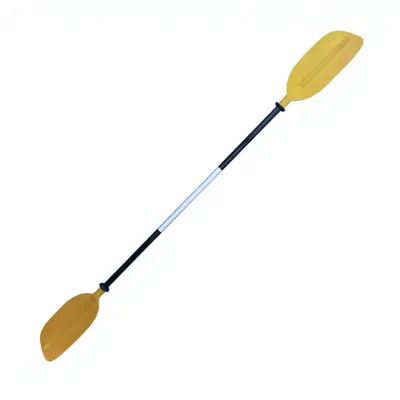
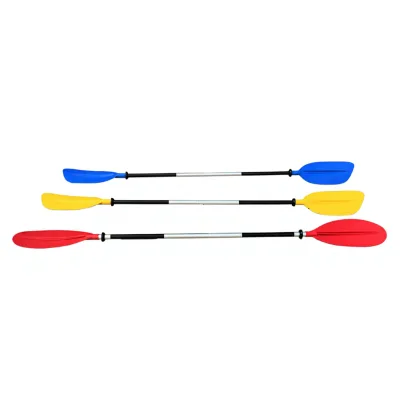
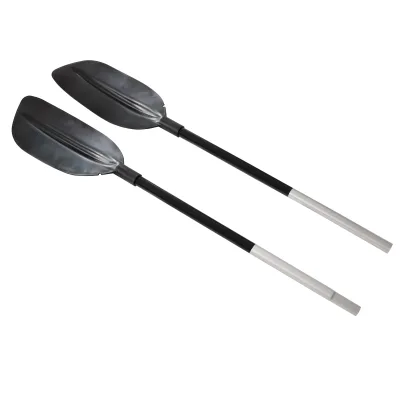


Comprehensive Sourcing Guide
Strategic Sourcing Guide for Straight Handle Kayak Paddles
Understanding Product Variants and Technical Specifications
When sourcing a Straight Handle Kayak Paddle, buyers must first distinguish between the specific construction materials and structural designs available in the market. The core keyword implies a rigid, non-bent shaft design, which is standard for most recreational and performance kayaking applications. Based on current market observations, three primary material configurations dominate the supply chain: aluminum and PVC composites, full carbon fiber, and fiberglass-reinforced polypropylene.
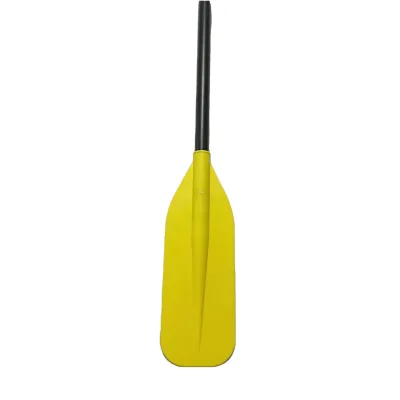
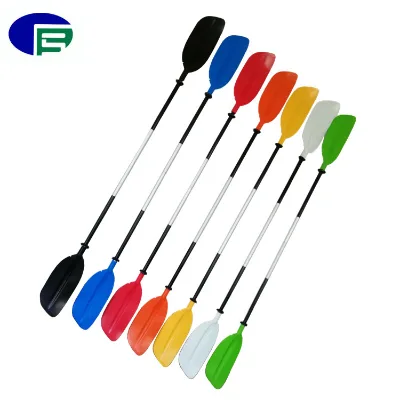
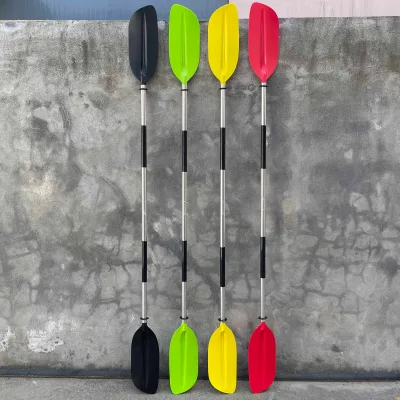
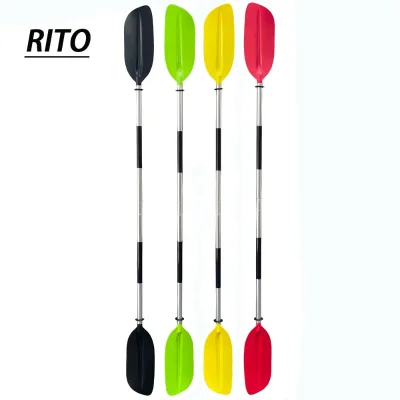
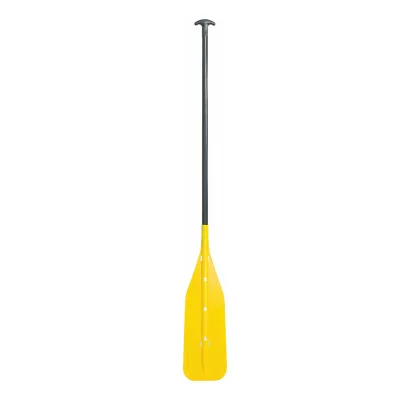
The aluminum and PVC variant typically features a shaft constructed from aluminum with blades made of PVC. This configuration is often marketed for durability and cost-effectiveness. These paddles frequently appear with a single gross weight of approximately 1.0 kg and a single package size around 98x40x35 cm. They are often designed with a detachable mechanism, allowing for easier transport and storage. The standard length for these units is often cited as 1.2 meters, though customization is a common feature in the supply chain. The color options for this tier often include yellow, with customization available upon request.
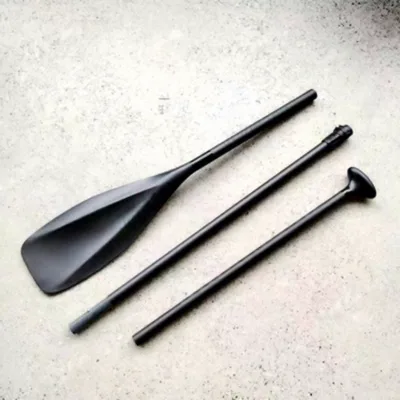
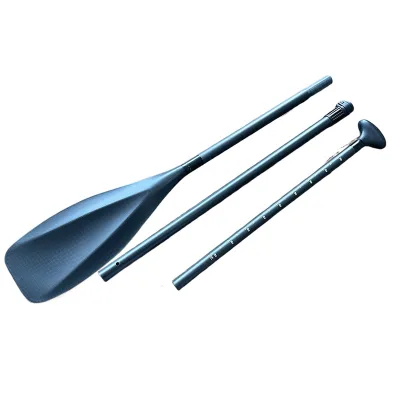
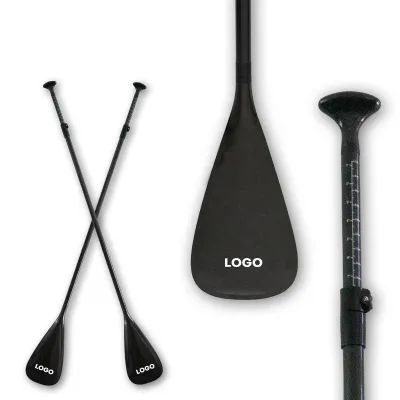
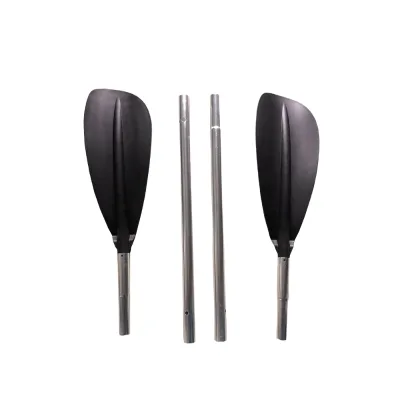
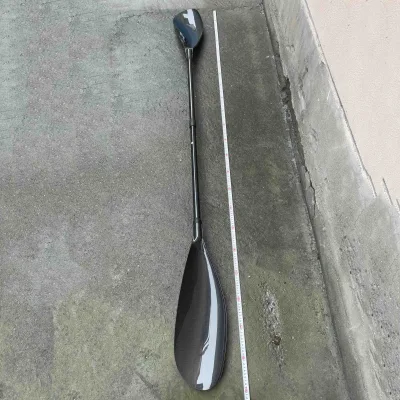
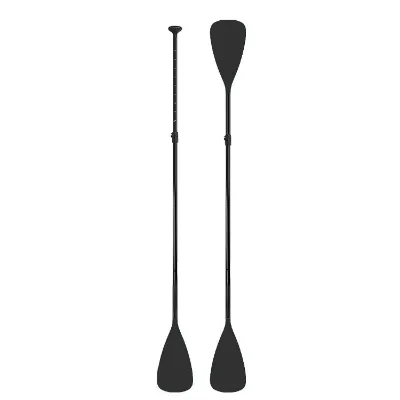
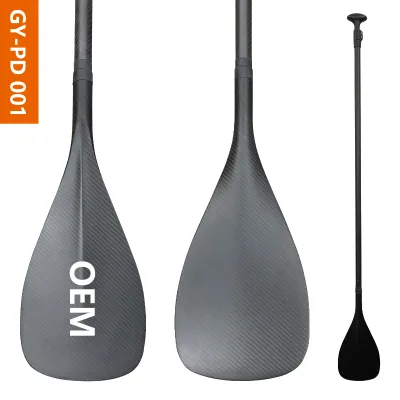
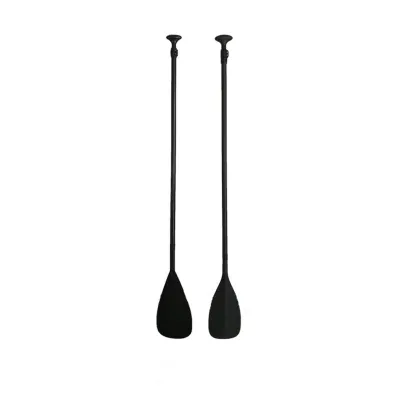
In contrast, the high-performance segment utilizes full carbon fiber. These paddles are engineered for lightweight efficiency and stiffness. A typical full carbon fiber model weighs significantly more in terms of packaging, with a single gross weight of 4.0 kg, and features a more compact package size of 90x20x10 cm. The shaft is often a 3-piece detachable design, offering a length range between 170 cm and 210 cm, with some models extending up to 240 cm. The color profile for these premium units is typically black, emphasizing a sleek, professional aesthetic. The application for these paddles is explicitly stated for activities like stand-up paddleboarding (SUP) and kayaking, where weight reduction is critical.
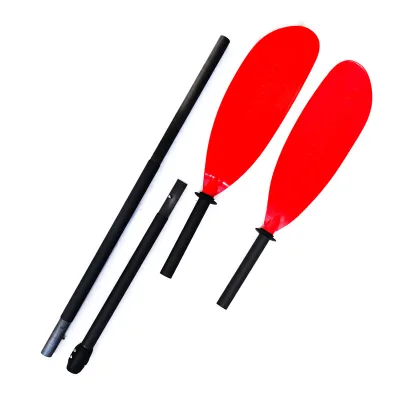
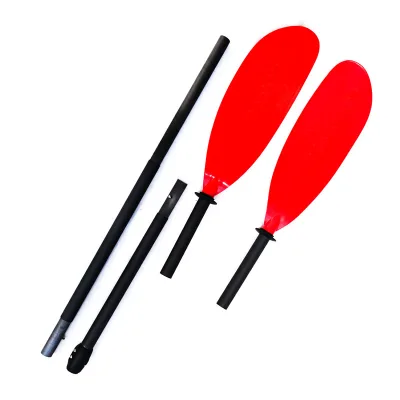
A third category involves fiberglass and polypropylene (PP) composites. These paddles offer a middle ground between the durability of aluminum and the lightness of carbon. They are often associated with activities such as fishing, touring, and recreational paddling. The package dimensions for this type can be larger, reaching up to 100x50x40 cm, with a single gross weight of 20.0 kg, suggesting a heavier or more complex assembly. The length for these units is often specified in the range of 2.1 to 3 meters, catering to taller paddlers or specific touring requirements. The color options in this segment may include red, and the features highlighted are adjustability, safety, and durability.
Application Scenarios and User Demographics
Selecting the correct paddle requires a clear understanding of the intended environment and user profile. The supply chain data indicates that these products are designed for a wide array of water conditions, ranging from calm inland waters to more challenging ocean environments.
For recreational users and casual paddlers, the aluminum and PVC models are frequently recommended. Their application is explicitly listed for lakes and rivers, where the durability of the PVC blade and the robustness of the aluminum shaft provide a reliable solution for general use. These paddles are suitable for unisex users and are often paired with inflatable boats, kayaks, or canoes. The detachable nature of these units makes them ideal for users who need to transport their gear in a vehicle or store it in limited space.
The full carbon fiber options are targeted at enthusiasts and professionals engaged in high-intensity activities. The specified applications include stand-up paddleboarding (SUP) and kayaking, where the lightweight nature of the carbon fiber reduces fatigue over long distances. The 3-piece detachable design allows for precise length adjustments, which is crucial for optimizing stroke efficiency. These paddles are often associated with fishing activities as well, where the ability to maneuver quietly and efficiently is beneficial. The unisex design ensures broad market appeal, though the higher price point and specialized nature may limit their adoption to serious hobbyists.
Fiberglass and PP composite paddles are versatile tools suitable for a broader spectrum of activities, including fishing, touring, and casual recreation. The application data highlights their suitability for fishing kayaks and touring kayaks, specifically sit-on-top and recreational models. The adjustable length and durable construction make them ideal for users who require a paddle that can withstand the rigors of extended use in various conditions. The capacity is generally listed for a single paddler, emphasizing their use in personal watercraft rather than team or tandem setups.
Cost Drivers and Pricing Dynamics
The pricing of straight handle kayak paddles is influenced by several key factors, primarily driven by material composition, manufacturing complexity, and customization requirements. The observed price range in the market spans from approximately 5.8 USD to 570 USD, reflecting the vast difference between entry-level and high-performance models.
The most significant cost driver is the material. Aluminum and PVC paddles occupy the lower end of the price spectrum due to the relative affordability of raw materials and established manufacturing processes. These units often have a lower single gross weight and simpler construction, which reduces production costs. In contrast, full carbon fiber paddles command a premium price due to the high cost of carbon fiber materials and the specialized labor required to lay up and cure the resin. The lightweight nature of carbon fiber is a direct result of these expensive materials, which justify the higher price point for performance-oriented buyers.
Customization is another major factor affecting cost. While standard models are available with fixed specifications, many suppliers offer OEM (Original Equipment Manufacturer) services. The acceptance of OEM orders allows buyers to customize colors, logos, and dimensions. However, customization often requires a higher Minimum Order Quantity (MOQ), which can impact the unit cost. The observed MOQ range varies from 1 piece to 500 pieces. A low MOQ of 1 piece is often associated with sample orders or retail-ready stock, while higher MOQs of 10 or 50 pieces are typical for bulk procurement and custom branding.
Packaging and logistics also contribute to the final cost. The single package size varies significantly, from compact 90x20x10 cm units for carbon fiber paddles to larger 100x50x40 cm units for fiberglass models. Larger packages increase shipping costs, particularly for air freight, which can be a consideration for buyers sourcing from regions like Shandong, China. The single gross weight, ranging from 1.0 kg to 20.0 kg, further influences freight charges. Buyers should factor in these logistical costs when calculating the total landed cost of their procurement.
Supplier Evaluation and Compliance Verification
When evaluating potential suppliers for straight handle kayak paddles, buyers must look beyond the basic product specifications and assess the supplier's capability to meet quality and compliance standards. The supply chain data indicates that many products originate from Shandong, China, a region known for its manufacturing capabilities in sports equipment. However, the origin alone does not guarantee quality; buyers must verify the supplier's track record and operational standards.
Compliance and certification checks are critical, especially for products intended for international markets. While specific certification names are not universally listed in the provided data, buyers should request evidence of compliance with relevant safety and quality standards. For paddles used in commercial or rental settings, verifying that the materials meet environmental and safety regulations is essential. Buyers should inquire about the testing protocols used for the aluminum, PVC, carbon fiber, and fiberglass components to ensure they meet durability and safety expectations.
The acceptance of OEM services is a strong indicator of a supplier's flexibility and manufacturing maturity. Suppliers that accept OEM orders typically have the infrastructure to handle custom branding, packaging, and specification changes. Buyers should evaluate the supplier's response time and communication efficiency, as these factors can impact the success of the procurement process. Additionally, the ability to provide detailed product data, such as single package dimensions and gross weights, demonstrates a level of professionalism and transparency.
Buyers should also consider the supplier's capacity to handle different order sizes. The observed MOQ range from 1 to 500 pieces suggests that suppliers can accommodate both small-scale trials and large-scale bulk orders. However, buyers must confirm the lead times associated with different order volumes. While specific lead times are not provided in the data, it is prudent to assume that larger orders or custom specifications may require longer production cycles. Establishing clear communication regarding production schedules and delivery timelines is essential to avoid delays.
Quality Control and Performance Assurance
Ensuring the quality of straight handle kayak paddles requires a rigorous approach to quality control (QC) throughout the manufacturing and shipping process. The performance of a paddle is directly linked to its construction quality, and buyers must verify that the products meet the specified performance claims.
For aluminum and PVC paddles, the primary quality concerns revolve around the integrity of the joints and the durability of the blade. The detachable feature, while convenient, introduces potential points of failure. Buyers should request test results or quality assurance reports that verify the strength of the locking mechanisms and the resistance of the PVC blades to impact and abrasion. The single gross weight of 1.0 kg for these units suggests a lightweight design, but buyers must ensure that the weight reduction does not compromise structural integrity.
In the case of full carbon fiber paddles, the focus should be on the consistency of the carbon fiber layup and the finish of the shaft. The 3-piece detachable design requires precise engineering to ensure that the segments align perfectly and do not wobble during use. Buyers should verify that the single gross weight of 4.0 kg is consistent across batches, as variations could indicate inconsistencies in material usage or manufacturing processes. The black color and sleek design are aesthetic features, but the underlying quality of the carbon fiber must be confirmed through visual inspection and performance testing.
For fiberglass and PP composite paddles, the durability and safety features are paramount. The adjustable and detachable features must be tested for smooth operation and secure locking. The single gross weight of 20.0 kg for these units indicates a robust construction, but buyers should ensure that the weight is distributed evenly to prevent fatigue during extended use. The color options, such as red, should be verified for fade resistance and adherence to safety color standards if the paddles are intended for commercial use.
Buyers should implement a multi-stage QC process, including pre-production sample approval, in-process inspections, and final random sampling. Requesting third-party inspection reports can provide an additional layer of assurance. The supplier's willingness to cooperate with QC protocols is a strong indicator of their commitment to quality.
Long-Term Procurement and Strategic Considerations
Sourcing straight handle kayak paddles is not just a one-time transaction but a strategic decision that impacts long-term business operations. Buyers must consider the scalability of their supply chain, the potential for product evolution, and the maintenance of supplier relationships.
The variability in product specifications, such as the different sizes and materials, suggests that buyers should develop a diversified sourcing strategy. Relying on a single supplier for all product types can introduce risk, especially if that supplier faces production disruptions. Instead, buyers should consider maintaining relationships with multiple suppliers who specialize in different material types or price points. This approach allows for flexibility in responding to market demand and customer preferences.
The acceptance of OEM services by suppliers offers opportunities for brand differentiation. By customizing the paddles with unique colors, logos, or specifications, buyers can create a distinct market presence. However, this requires careful management of the customization process to ensure that the quality remains consistent across different batches. Buyers should establish clear guidelines for customization and maintain open communication with suppliers to avoid misunderstandings.
Long-term procurement also involves monitoring market trends and technological advancements. The evolution of materials, such as the increasing use of carbon fiber and advanced composites, suggests that buyers should stay informed about new developments in the industry. This knowledge can help buyers make informed decisions about product upgrades and investments.
Finally, buyers should consider the environmental impact of their procurement decisions. The use of materials like PVC and carbon fiber raises questions about sustainability and recyclability. Buyers should inquire about the supplier's environmental policies and the availability of eco-friendly alternatives. By prioritizing sustainability, buyers can align their procurement strategies with broader corporate social responsibility goals and appeal to environmentally conscious consumers.
Comparative Analysis of Paddle Specifications
To facilitate informed decision-making, the following table summarizes the key specifications of the three primary paddle types observed in the market. This comparison highlights the differences in material, weight, dimensions, and intended applications, providing a clear reference for buyers.
| Feature | Aluminum & PVC | Full Carbon Fiber | Fiberglass & PP |
|---|---|---|---|
| Material | Alu + PVC | Full Carbon Fiber | PP + Fiberglass |
| Single Gross Weight | 1.0 kg | 4.0 kg | 20.0 kg |
| Package Size | 98x40x35 cm | 90x20x10 cm | 100x50x40 cm |
| Typical Length | 1.2m (Customized) | 170-210 cm / 215-240 cm | 2.1 - 3m |
| Color Options | Yellow (Customizable) | Black | Red |
| Key Features | Detachable, Durable | 3-piece Detachable, Lightweight | Adjustable, Safe, Durable |
| Primary Application | Lakes, Rivers, Inflatable Boats | SUP, Kayaking, Fishing | Fishing, Touring, Recreational |
| MOQ Range | 1 - 500 PCS | 10 - 500 PCS | 1 - 500 PCS |
| Type | Paddle Board | Carbon Fiber | Fishing/Touring Kayak |
This comparative analysis underscores the importance of aligning product selection with specific user needs and operational requirements. By carefully evaluating these specifications, buyers can make strategic decisions that optimize performance, cost, and customer satisfaction.
FAQs
What materials are available for straight handle kayak paddles?
Available materials include aluminum and PVC composites, full carbon fiber, and fiberglass reinforced polypropylene. Aluminum and PVC options offer durability for lakes and rivers, while carbon fiber provides lightweight performance for stand-up paddleboarding and kayaking.
How does the minimum order quantity vary for these paddles?
Minimum order quantities range from 1 piece for samples to 500 pieces for bulk procurement. Specific models may require 10 or 50 pieces, depending on whether customization or standard stock is selected by the buyer.
Which paddle types are suitable for fishing activities?
Fiberglass and PP composite paddles are suitable for fishing, touring, and recreational activities. Full carbon fiber models are also used for fishing kayaks, offering lightweight efficiency and durability for extended use on the water.
Can these paddles be customized for specific brand requirements?
Yes, OEM services are accepted for customization of colors, logos, and dimensions. Standard colors like yellow, black, and red are available, with customization options allowing buyers to tailor the product to their specific branding needs.
What is the typical weight range for these paddle packages?
Single gross weights range from 1.0 kg for aluminum and PVC models to 20.0 kg for fiberglass assemblies. Carbon fiber packages typically weigh 4.0 kg, reflecting the different material densities and packaging sizes.
Where are these straight handle kayak paddles manufactured?
The products originate from Shandong, China, a region known for sports equipment manufacturing. This location supports the production of various paddle types including inflatable SUP paddles and rigid kayak paddles for global distribution.