Source Straw Charms for Parties, Events, and Promotions
Find 30 Straw Charm options for beverage decoration, party favors, and promotional giveaways. Compare PVC and leather materials, custom printing, and MOQs to select the right fit for your needs.
Key considerations
Products List




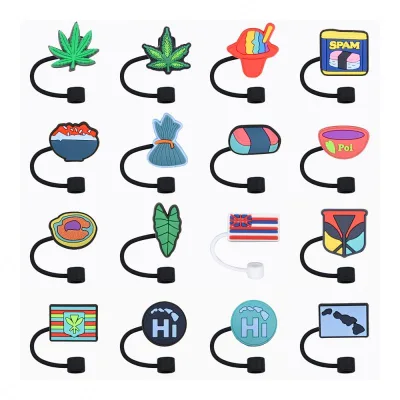
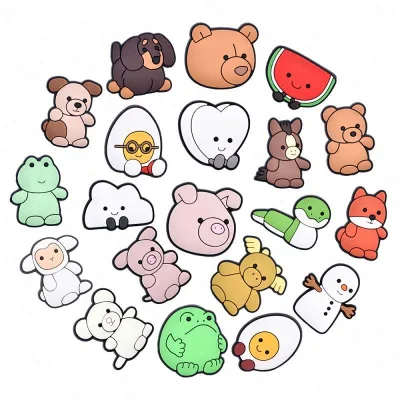
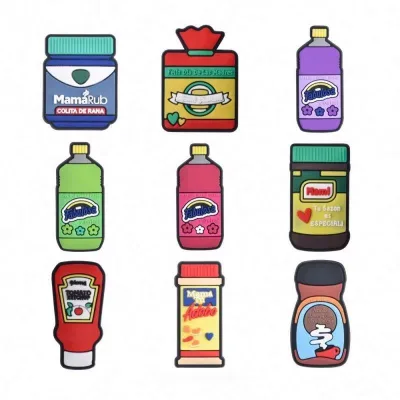
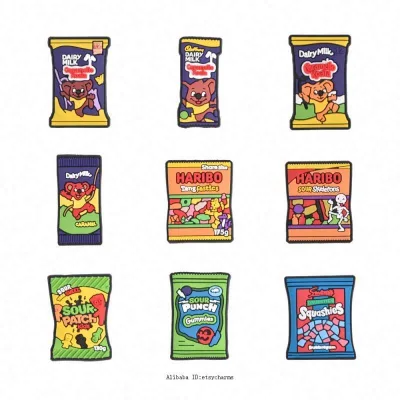


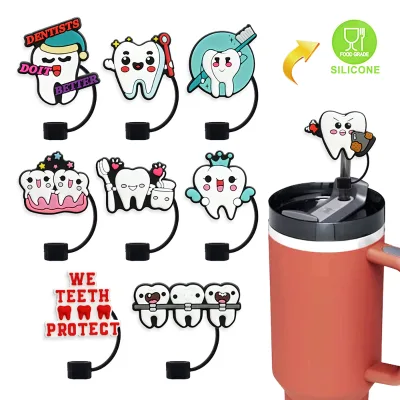
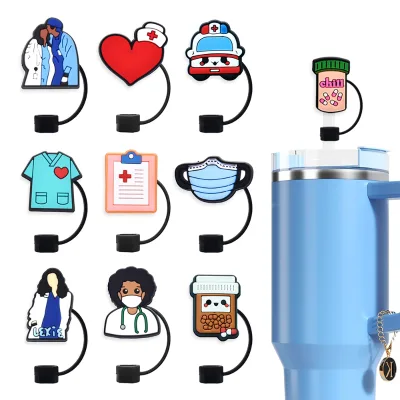
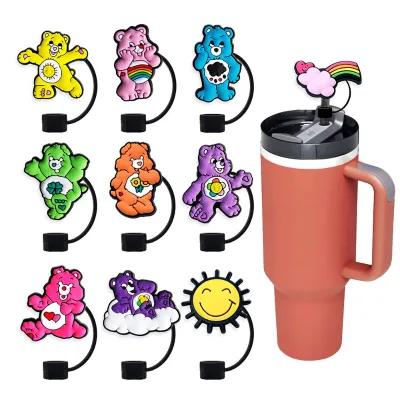
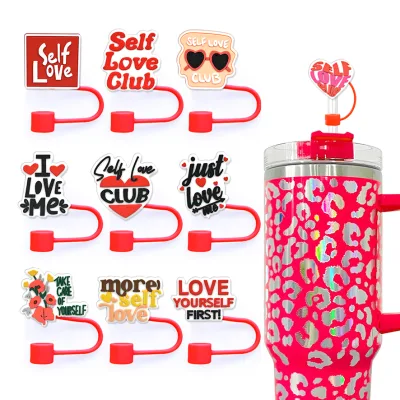
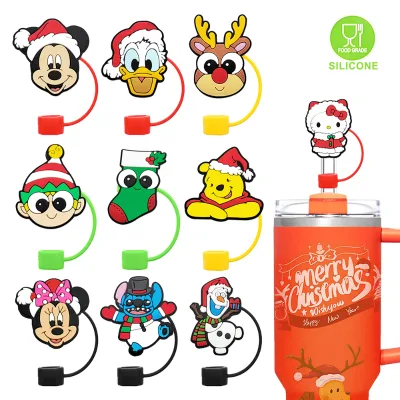
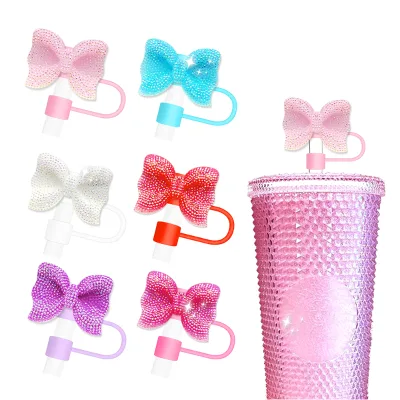
Comprehensive Sourcing Guide
Straw Charm Sourcing Guide
Sourcing straw charms, often categorized under drink accessories or novelty toppers, requires a clear understanding of the distinction between functional beverage components and decorative promotional items. These products serve dual purposes in the B2B market: they act as practical tools for identifying drinks at events or enhancing the aesthetic appeal of beverages in hospitality settings, and they function as low-cost promotional gifts or party favors. Buyers must first define whether the primary requirement is durability and food safety for repeated use, or visual impact and customization for single-use marketing campaigns. The market offers a wide spectrum of materials, from rigid plastics to soft silicone and paper-based options, each carrying different implications for cost, logistics, and regulatory compliance.
The procurement process for these items is heavily influenced by customization capabilities and minimum order quantities (MOQs). Suppliers frequently offer full-color printing, silk screen imprinting, and custom designs to align with brand identities or event themes. However, the variability in MOQs, ranging from small batches for sampling to large volumes for mass distribution, necessitates careful inventory planning. Buyers should evaluate their demand forecast against supplier tier structures to avoid excessive warehousing costs or stockouts. Furthermore, the geographic origin of manufacturing, predominantly China, offers competitive pricing but requires rigorous quality assurance protocols to ensure consistency across large production runs.
Product Scope and Observed Listing Signals
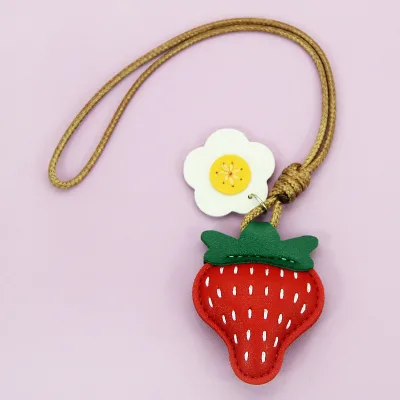
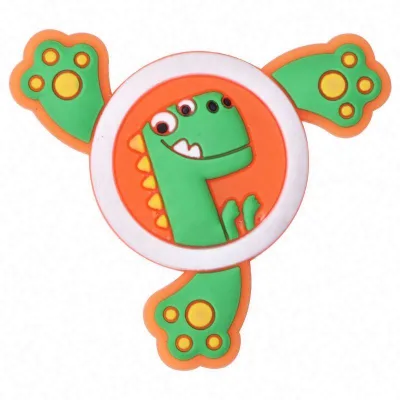
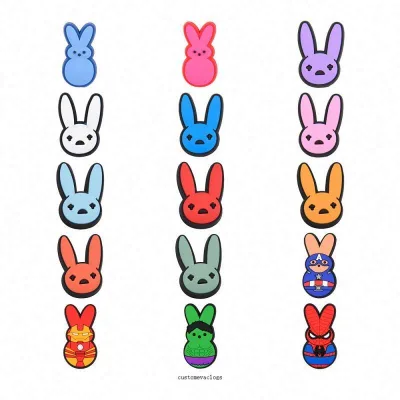
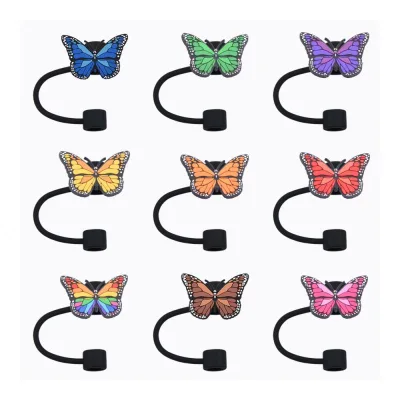
The observed market signals indicate a diverse product landscape where straw charms overlap with categories such as keychains, souvenirs, and promotional gifts. Listings reveal that materials vary significantly, with PVC and leather being prominent options, suggesting that buyers are not limited to traditional plastic or silicone toppers. For instance, some products are explicitly described as "Straw Toppers" with specific fit sizes for straws, while others are marketed as "Cartoon Charms" or "Leather Keychains" that may be repurposed for beverage identification. This ambiguity in product classification means that buyers must scrutinize the actual product images and detailed specifications rather than relying solely on the title to ensure the item meets the functional requirement of attaching to or decorating a straw.
Price and packaging data provide further insight into the operational scale of these suppliers. The observed price range of $0.06 to $2.61 USD reflects the disparity between simple, mass-produced plastic items and more complex, multi-material designs. Packaging details, such as polybag or OPP bag packaging, indicate that these items are typically sold in bulk units, which impacts handling and storage logistics. Buyers should note that some listings specify single gross weights and package dimensions, which are critical for calculating freight costs and warehouse space requirements. Understanding these logistical signals helps in selecting suppliers who can meet both the aesthetic and operational demands of the procurement project.
Technical Specifications to Verify
Verifying the physical dimensions and fit is the most critical technical step in sourcing straw charms. Listings indicate that fit sizes can vary, with some products specifically designed for 9-12mm straws, while others may have universal compatibility. Buyers must confirm the internal diameter and attachment mechanism of the charm to ensure it securely fits the straws they intend to use, whether they are standard plastic, metal, or paper straws. Additionally, the thickness of the material, such as the 1.5mm thickness noted in some leather keychain specifications, affects the overall profile and how the charm sits on the straw. Misalignment in these specifications can lead to functional failures, such as charms slipping off or straws not fitting through the attachment loop.
Material composition and finishing processes also require detailed verification. While some products are described as waterproof and eco-friendly, others may feature finishes like bright gold, nickel, or antique gold plating, which introduces different durability and maintenance considerations. Buyers should request material safety data sheets (MSDS) or specific material certifications to confirm that the PVC, leather, or metal components are safe for incidental food contact, even if the product is not directly ingested. The printing method, whether silk screen or full-color digital print, impacts the longevity of the design; buyers should assess whether the ink is resistant to moisture and alcohol, which are common in beverage environments, to prevent smudging or fading during use.
Compliance and Safety Documentation
Food safety compliance is paramount when sourcing items that come into contact with beverages. Although straw charms are often decorative, they may touch the drink or the user’s lips, necessitating adherence to strict regulatory standards. Buyers should verify that suppliers comply with relevant food contact regulations, such as FDA standards in the United States or EU regulations for materials intended to come into contact with food. While some listings mention eco-friendly attributes or standards like EN 13432, these typically apply to biodegradability rather than food safety, so buyers must not assume that eco-friendly claims equate to food-grade compliance. Explicit documentation confirming the absence of harmful substances like phthalates in PVC or heavy metals in metal components is essential.
Labeling and packaging compliance also play a role in the procurement process. Products must be clearly labeled with material composition, country of origin, and any necessary safety warnings. Buyers should ensure that the packaging, whether polybag or carton, meets the labeling requirements of the destination market, including recycling symbols and language-specific instructions. In some jurisdictions, small plastic items may be subject to choking hazard warnings if they are marketed towards children or used in settings where children are present. Verifying that the supplier provides accurate and compliant labeling helps avoid customs delays and ensures that the product can be legally sold or distributed in the target region.
Cost Drivers and Commercial Terms
The cost of straw charms is driven by several key factors, including material selection, customization complexity, and order volume. PVC and leather materials offer different price points, with leather generally commanding a higher cost due to material and processing expenses. Customization, such as full-color printing or unique shapes, adds to the unit price but can enhance brand value. Buyers should analyze the trade-off between higher unit costs for premium materials and the potential for increased customer engagement or brand loyalty. Additionally, the MOQs, which range from 100 to 1000 units, significantly impact the total cost; larger orders typically benefit from economies of scale, reducing the per-unit price but increasing the initial capital outlay.
Commercial terms, including shipping methods and delivery times, also influence the total cost of ownership. Suppliers offer various shipping options, such as sea freight, air freight, or express courier services, each with different cost and speed implications. Sea freight is cost-effective for large volumes but has longer lead times, while air freight and express services are faster but more expensive. Buyers should negotiate clear delivery terms and understand the supplier’s production capacity to ensure timely delivery. Furthermore, payment terms and warranty policies should be clarified to mitigate financial risk. Understanding these commercial dynamics allows buyers to optimize their procurement strategy for both cost efficiency and supply chain reliability.
Supplier Qualification and Quality Control
Supplier qualification is a critical step in ensuring the reliability and quality of Straw Charm procurement. Buyers should conduct thorough due diligence on potential suppliers, verifying their business licenses, production capabilities, and past performance. Requesting samples is essential to assess the physical quality, print accuracy, and material durability of the charms. Buyers should also evaluate the supplier’s responsiveness and attitude, as these factors can impact the smooth execution of the order. Suppliers with a reputation for fast responses and responsible service are more likely to handle issues proactively and meet deadlines.
Quality control measures must be established before production begins. Buyers should define clear quality standards, including acceptable tolerances for dimensions, color matching, and defect rates. Implementing pre-production samples and in-line inspections can help identify and rectify issues early in the manufacturing process. For large orders, third-party inspection services may be warranted to ensure that the final products meet the agreed-upon specifications. Additionally, buyers should establish a clear process for handling defective goods, including return policies and compensation mechanisms. Robust quality control practices minimize the risk of receiving substandard products and protect the buyer’s brand reputation.
Long-Term Procurement Checks
Long-term procurement success depends on continuous monitoring and relationship management with suppliers. Buyers should regularly review supplier performance metrics, such as on-time delivery rates, product quality consistency, and responsiveness to issues. Establishing a structured feedback loop allows for continuous improvement and helps identify potential problems before they escalate. Regular communication with suppliers can also foster a collaborative partnership, leading to better pricing, priority production, and access to new product innovations. Maintaining strong relationships with reliable suppliers ensures supply chain stability and reduces the risk of disruptions.
Market trends and regulatory changes also require ongoing attention. Buyers should stay informed about evolving consumer preferences, such as a growing demand for eco-friendly or sustainable materials, and adjust their sourcing strategies accordingly. Additionally, keeping abreast of changes in food safety regulations and labeling requirements ensures continued compliance. Periodic audits of the supply chain, including assessments of sub-suppliers and raw material sources, can help identify risks and opportunities for optimization. By adopting a proactive and strategic approach to procurement, buyers can secure a competitive advantage and ensure the long-term success of their Straw Charm initiatives.
FAQs
What customization options are available for straw charms?
Customization is available for these products, allowing buyers to request specific designs. The items can feature cartoon charms or customized logos with full color printing. Buyers can also choose from various styles including business or cute designs depending on the specific model selected.
Which materials are used to make these straw charms?
The products are primarily made from PVC or leather materials. Some specific models are designed as leather keychains while others are constructed from durable PVC. Both material types are selected to ensure the items are safe and suitable for various promotional or souvenir uses.
Can I order straw charms with a low minimum quantity?
Yes, orders can be placed with a minimum quantity of 100 units for certain models. Other product lines may require a minimum order of 1000 units. Buyers should verify the specific MOQ for the desired model number before placing an order to ensure compliance with supplier requirements.
How are these straw charms packaged for shipment?
The items are typically packed in polybags or OPP bags within cartons. Each single package has a defined size and gross weight to facilitate shipping. The packaging details ensure the products remain protected during transit via sea, air, or express courier services.
What is the typical delivery time for these products?
Delivery times vary based on the specific sizes and quantities ordered. The supplier offers fast delivery options to meet buyer needs. Exact lead times are determined by the production schedule and the shipping method selected, such as sea freight or express courier services.
Where are these straw charms manufactured?
The products originate from China, specifically from regions like Guangdong and Fujian. These locations serve as the primary places of origin for the manufacturing facilities. Buyers can expect the goods to be sourced directly from these established production hubs in China.
What printing methods are used for the logos?
Logos are applied using silk screen printing or full color imprint techniques. The finishing can include bright gold, nickel, or antique gold plating for metal components. These methods ensure high-quality branding on the customized designs and cartoon charms featured on the products.