Source sugar-free magnesium and potassium capsules for Sleep, Heart, and Muscle Support
Compare 30 listings for sugar-free magnesium and potassium capsules from verified manufacturers in China. Buyers can evaluate specifications like dosage forms, certifications, and customization options for adult nutritional needs.
Key considerations
Products List
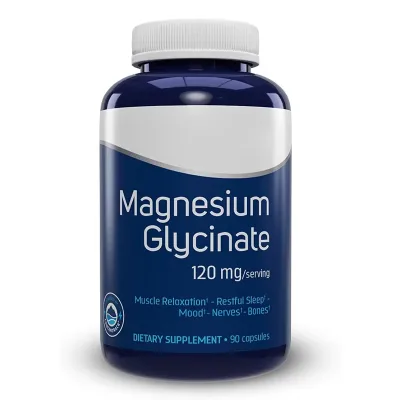


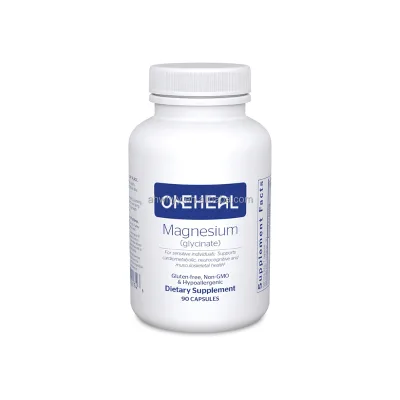


OEM Super Magnesium Supplement Vitamin Citrate Threonate Magnesium Complex Capsules
$0.02 - $0.03
MOQ: 100000 Capsules

OEM Magnesium Citrate Powder Capsule Tablets Natural Sleep Calm Relax Capsules
$0.02 - $0.03
MOQ: 100000 Capsules


Electrolyte Salts Supplements Magnesium Sodium Potassium Electrolyte Capsules
$0.01 - $0.04
MOQ: 100000 Pieces


GMP Low-Fat Vitamins OEM Service Calcium Tablets and Calcium Soft Capsules
$2.00 - $2.50
MOQ: 100 Piece(s)


Comprehensive Sourcing Guide
Strategic Sourcing Guide for Sugar-Free Magnesium and Potassium Capsules
The global demand for dietary supplements has intensified, with a specific surge in interest regarding electrolyte management and cardiovascular support. Buyers searching for "sugar-free magnesium and potassium capsules" are navigating a complex B2B landscape where formulation integrity, regulatory compliance, and supply chain transparency are paramount. This guide provides a disciplined framework for sourcing these specific nutritional products, grounded in observed market data and verified technical attributes. The focus remains on identifying suppliers who can deliver high-purity, customized formulations without compromising on safety or efficacy.
Technical Specifications and Formulation Architecture
When evaluating potential suppliers for magnesium and potassium capsules, the first step is a rigorous review of the technical specifications. The market offers a variety of magnesium compounds, but the observed data highlights Magnesium Glycinate as a primary ingredient of interest due to its high bioavailability and gentle gastrointestinal profile. Buyers must verify that the supplier's standard formulation aligns with the specific mineral ratios required for their brand. While some listings indicate a "Magnesium Complex," precise sourcing requires confirmation of the exact chelation state and the inclusion of potassium in a compatible salt form.
The dosage form is a critical differentiator. The majority of high-quality offerings in this sector utilize hard capsules, though softgels are also available for specific delivery systems. The standard specification observed in the market often includes 90 capsules per bottle, with a unit dosage of 1 capsule per serving. However, buyers should not assume a fixed dose; customization is frequently available to meet specific clinical or marketing requirements. The assay strength is another vital parameter. In the observed product data, an assay of 500mg is noted, but this figure represents a specific listing and may vary based on the concentration of the raw materials used. Procurement teams must request Certificates of Analysis (CoA) to confirm the actual elemental content of magnesium and potassium per capsule, ensuring it matches the label claim without unnecessary fillers.
Furthermore, the "sugar-free" attribute requires careful verification. While many products are marketed as sugar-free, the presence of glucose or other sweeteners in the capsule coating or excipients can negate this claim. Buyers should scrutinize the ingredient list for hidden sugars and verify that the product features "Glucose" as a non-ingredient or is explicitly labeled as such. The observed product features include "Sugar-Free," "Low-Fat," and "Organic" claims, but these must be validated against the specific batch being ordered.
Compliance and Certification Verification
Navigating the regulatory landscape is essential for any B2B buyer in the supplement industry. The suppliers in the observed data hold a robust array of certifications, including GMP, ISO, HACCP, QS, KOSHER, JAS, OCIA, and NOP. These certifications are not merely marketing badges; they indicate adherence to rigorous manufacturing and quality management systems. For a buyer targeting international markets, the presence of KOSHER and JAS (Japanese Agricultural Standard) certifications is particularly valuable, as it opens doors to specific demographic segments and export regions.
The GMP (Good Manufacturing Practice) certification is non-negotiable for ensuring that the production environment maintains hygiene and consistency. Similarly, HACCP (Hazard Analysis and Critical Control Points) certification demonstrates a proactive approach to food safety, identifying potential biological, chemical, and physical hazards. The ISO certification further validates the supplier's commitment to international quality standards.
However, buyers must exercise caution. The presence of these certifications in a general product listing does not guarantee that every specific SKU or batch is currently certified. The "OEM" and "ODM" branding observed suggests that many suppliers offer private label services, meaning the final product may carry the buyer's brand while being manufactured under the supplier's certified facility. It is imperative to request current, valid certification documents that are traceable to the specific manufacturing site. Additionally, the "Organic" feature listed in some product descriptions requires verification of organic certification bodies, such as OCIA or NOP, to ensure the raw materials meet organic standards.
Cost Drivers and Pricing Dynamics
Understanding the cost structure of magnesium and potassium capsules is crucial for budgeting and margin analysis. The observed price range in the market is vast, spanning from $0.01 to $6,500. This wide disparity is not indicative of unit price variance alone but reflects the total order value based on volume, customization, and packaging complexity. The MOQ (Minimum Order Quantity) also varies significantly, ranging from 1 to 100,000 units.
Several factors drive the cost of these supplements. First, the raw material cost of high-purity Magnesium Glycinate and potassium salts fluctuates based on global supply chains. Second, the level of customization significantly impacts the price. Suppliers offering "Customization" for formulas, packaging, and logo printing will charge a premium compared to standard OEM offerings. The observed data indicates that "Logo Printing" can be "Without Logo Printing" (standard) or customized, which affects the setup costs.
Packaging is another major cost driver. While "Bottle" is the standard specification, options like "Box" or specific "200cc Plastic Bottle" configurations will alter the unit cost. The shelf life of 24 months is a standard benchmark, but packaging that extends this life or ensures "Moisture Proof" storage conditions may incur higher material costs. Buyers should note that the "Standard Specifications" often include 60 or 90 capsules per bottle, but customizing the count to 120 tablets or other variations will change the pricing model.
Typical Applications and Target Demographics
The application of sugar-free magnesium and potassium capsules extends beyond general wellness. The observed product attributes list "Sleep Muscle & Heart Relaxation" as a key function, alongside "Reduce Weight" and "Blood Sugar Support." This indicates that these supplements are marketed toward a diverse range of consumer needs, from athletes seeking muscle recovery to individuals managing metabolic health.
The target demographic is clearly defined as "Adults," with the product explicitly marked as "not applicable" for "Children." This age restriction is critical for compliance and liability. The "Unisex" gender classification broadens the market appeal, allowing for mass-market distribution. The "Decaffeinated" feature is particularly relevant for evening use or for consumers sensitive to stimulants, aligning with the "Sleep" and "Relaxation" claims.
In the context of "Blood Sugar Support," the inclusion of ingredients like Cinnamon, Alpha Lipoic Acid, and Bitter Melon Extract in the supplier's portfolio suggests that magnesium and potassium capsules are often part of a broader metabolic support strategy. Buyers should verify if the specific magnesium and potassium formulation is intended to be a standalone product or a component of a synergistic blend. The "Nutritional Supplement" and "Nutritional Product" classifications confirm their regulatory status as food supplements rather than pharmaceuticals, which dictates the marketing claims and labeling requirements.
Supplier Evaluation and Manufacturing Capabilities
Selecting the right supplier requires a multi-faceted evaluation process. The observed data reveals that many suppliers operate under "OEM" or "ODM" models, indicating flexibility in manufacturing. The "Customization" attribute is a strong indicator of a supplier's ability to tailor products to specific brand needs. Buyers should assess the supplier's capacity for "Standard Specifications or Customized" production runs.
Location is a significant factor in supply chain logistics. The observed data points to origins in "Henan, China" and "Guangdong, China." Guangdong is a major hub for pharmaceutical and supplement manufacturing, often associated with advanced infrastructure and export capabilities. Henan is also a significant agricultural and manufacturing region. Buyers should verify the specific factory location to assess logistics lead times and import regulations.
The "Storage Note" of "Moisture Proof" is a critical operational detail. Suppliers must demonstrate that their packaging and warehousing protocols maintain product integrity. The "Bottle" and "Box" packaging options should be evaluated for their ability to protect the capsules from humidity and light. Additionally, the "Product Type" being listed as "Food" confirms that the manufacturing facility must adhere to food-grade standards, distinct from pharmaceutical-grade facilities, though the overlap in GMP requirements is significant.
Quality Control and Long-Term Procurement Considerations
Quality control is the backbone of a successful supplement supply chain. Buyers must insist on a comprehensive quality assurance protocol that includes raw material testing, in-process controls, and finished product analysis. The "Assay" of 500mg mentioned in the data serves as a reference point, but independent third-party testing is recommended to verify potency and purity. The "Gluten-Free" and "No Soy" features observed in some listings highlight the importance of allergen control, which must be rigorously managed to prevent cross-contamination.
Long-term procurement considerations involve building a resilient supply chain. The "Shelf Life" of 24 months provides a window for inventory management, but buyers should plan for production cycles that account for potential delays. The "Standard Packaging or Customized" option allows for scalability, but buyers should establish clear agreements on packaging changes and their impact on lead times.
Furthermore, the "Feature" list includes "Vitamins," "Low-Salt," and "Organic," which suggests a trend toward clean-label products. Buyers should anticipate increasing demand for these attributes and ensure their suppliers can maintain these standards over time. The "MOQ" of 50 units observed in some listings offers flexibility for small startups, while larger orders can leverage economies of scale. However, buyers must balance the desire for low MOQs with the need for consistent quality and cost-efficiency.
Comparative Analysis of Product Attributes
To facilitate decision-making, the following table summarizes key attributes observed in the market for sugar-free magnesium and potassium capsules:
| Attribute Category | Observed Standard | Customization Potential | Verification Requirement |
|---|---|---|---|
| Main Ingredient | Magnesium Glycinate | High (Chelation type, Potassium salt) | CoA for elemental content |
| Dosage Form | Capsule (Hard/Soft) | High (Size, Shape, Color) | Visual inspection, Dissolution test |
| Certifications | GMP, ISO, HACCP, KOSHER, JAS | Variable (Site-specific) | Valid certificates, Audit reports |
| Packaging | Bottle (90 caps), Box | High (Material, Size, Label) | Packaging integrity test |
| Target Audience | Adults (Unisex) | High (Marketing claims) | Regulatory compliance check |
| Key Features | Sugar-Free, Low-Fat, Organic | High (Ingredient exclusions) | Ingredient list verification |
| Origin | Henan, Guangdong, China | Fixed (Factory location) | Supply chain traceability |
| Shelf Life | 24 Months | Low (Formulation dependent) | Stability testing data |
This comparative analysis underscores the need for due diligence. While the market offers a wide array of options, the buyer's success depends on verifying that the specific product meets the rigorous standards required for their target market. By focusing on technical specifications, compliance, and supplier capabilities, buyers can secure a reliable supply of high-quality magnesium and potassium capsules that align with their brand values and consumer expectations.
FAQs
What certifications do sugar-free magnesium and potassium capsules suppliers hold?
Suppliers typically hold GMP, ISO, HACCP, QS, KOSHER, JAS, OCIA, and NOP certifications. These verify adherence to rigorous manufacturing and quality management systems required for international export and regulatory compliance in various markets.
Can I customize the formulation and packaging for these capsules?
Customization is available for formulas, packaging, and logo printing. Buyers can request specific mineral ratios, choose between bottle or box packaging, and add private labels while maintaining the standard 90 capsules per bottle specification.
What is the minimum order quantity for these nutritional supplements?
The minimum order quantity ranges from 50 to 100,000 units depending on the supplier and customization level. Smaller startups may find options starting at 50 units, while larger volume orders leverage economies of scale.
Which magnesium compound is commonly used in these capsules?
Magnesium Glycinate is the primary ingredient observed due to its high bioavailability and gentle gastrointestinal profile. This chelated form ensures effective absorption while minimizing potential digestive discomfort for adult consumers.
How long is the shelf life of these sugar-free capsules?
The standard shelf life is 24 months when stored in moisture-proof conditions. Buyers should ensure packaging protects the product from humidity to maintain potency and integrity throughout the designated storage period.
Are these capsules suitable for children or specific dietary needs?
These products are formulated for adults and are not applicable for children. They are also available with features like gluten-free, no soy, and sugar-free to meet specific dietary restrictions and clean-label demands.