Source Sun Protection Breathable Arm Sleeves for Cycling, Running, Golf
Find 30 verified options for Sun Protection Breathable Arm Sleeves designed for outdoor activities. Compare features like quick-drying fabric, anti-UV protection, and customization to select the best fit for cycling, running, or golf.
Key considerations
Products List


New Fashion OEM Custom Logo Sleeve UV Sun Protection Cooling Arm Sleeves
$0.99 - $1.69
MOQ: 100 Pieces


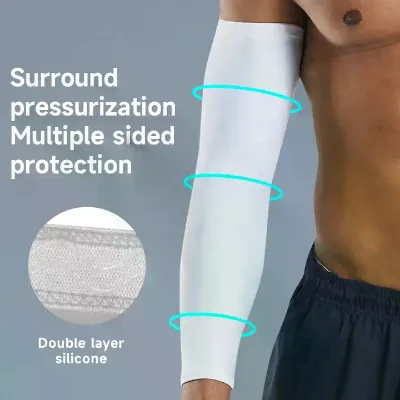
Adult's Cooling Arm Cover Long Fingerless Anti-Slip Sun Protection Arm Sleeves
$0.30 - $2.80
MOQ: 100 Pairs




Comprehensive Sourcing Guide
Strategic Sourcing Guide for Sun Protection Breathable Arm Sleeves
The global demand for specialized athletic apparel has driven a significant shift toward functional accessories that offer protection without compromising performance. Among these, Sun Protection Breathable Arm Sleeves have emerged as a critical component for athletes, outdoor workers, and recreational enthusiasts. Sourcing these items requires a nuanced understanding of material science, manufacturing capabilities, and the specific performance metrics that define a high-quality product. This guide provides a structured approach for B2B buyers to navigate the procurement landscape, ensuring that selected suppliers can deliver products that meet rigorous technical and commercial standards.
Technical Specifications and Material Composition
The foundation of any effective arm sleeve lies in its material composition and construction. For products designed to offer sun protection while maintaining breathability, the fabric blend is paramount. High-performance sleeves typically utilize a combination of Spandex and Nylon or Polyester and Spandex. The inclusion of Spandex is essential to provide the necessary elasticity and compression, ensuring the sleeve stays in place during dynamic movements such as cycling, running, or golfing. Nylon offers durability and a soft hand feel, while Polyester is often favored for its moisture-wicking capabilities and resistance to shrinkage.
Buyers must verify the specific weight of the product, as this directly correlates with comfort and protection levels. A standard weight for these items is approximately 40 grams per pair, a figure that balances lightweight portability with sufficient fabric density to block ultraviolet radiation. The construction should also account for the printing method. Advanced sourcing strategies look for suppliers capable of 360-degree digital printing or custom dye sublimation. These techniques allow for full-color, vibrant designs that do not crack or fade, which is crucial for branding purposes. In contrast, traditional offset printing may be limited to specific logo placements and might not offer the same seamless aesthetic.
Furthermore, the sizing standards vary significantly across the market. Some manufacturers adhere to a standard size run including XS, S, M, and L, catering to specific arm circumference measurements. Others adopt a "One Size Fits Most" approach, utilizing high-stretch materials to accommodate a broader range of users. The choice between these models depends on the target demographic and the inventory strategy of the buyer. A diverse product line often includes both standardized sizing for retail precision and universal sizing for promotional or bulk distribution channels.
Functional Performance and Protective Capabilities
The primary function of these arm sleeves is to provide a barrier against harmful ultraviolet (UV) radiation while managing body temperature. Effective products are engineered with features such as quick-drying properties, moisture-wicking capabilities, and cooling effects. The quick-drying attribute is vital for athletes who sweat heavily, as it prevents the fabric from becoming heavy and uncomfortable. Moisture-wicking technology draws sweat away from the skin to the outer surface of the fabric, where it can evaporate rapidly, maintaining a dry and cool microclimate.
In addition to thermal regulation, the sleeves must offer robust sun protection. This is often achieved through the tightness of the weave and the inclusion of UV-inhibiting treatments. Buyers should look for products explicitly marketed with "Anti-UV" features. While specific UPF ratings may not always be listed in initial product descriptions, the presence of full-color digital printing and specific material blends like Spandex/Nylon often indicates a high level of protection. The application of these sleeves extends beyond just sun protection; they are also designed to cover tattoos, providing a discreet solution for athletes who wish to hide body art during competition or professional events.
The versatility of these products is another key functional aspect. They are suitable for a wide array of applications, including outdoor sports, cycling, fishing, running, and golf. Some models are even designed for general daily life use, offering health care and support benefits. This dual-purpose nature makes them attractive for a broad market segment. However, buyers must distinguish between sleeves designed for high-intensity sports and those intended for light daily wear. The former will prioritize elasticity and durability, while the latter may focus more on comfort and aesthetic appeal.
Compliance, Standards, and Certification Verification
When sourcing arm sleeves, verifying compliance with international standards and certifications is a critical step that cannot be overlooked. While the supplied data indicates that products originate from manufacturing hubs like Fuzhou, Fujian, China, and other regions in China, the specific certification status of individual suppliers varies. Buyers should not assume that all listed products meet specific safety or environmental standards without explicit verification.
The sourcing process requires a rigorous check for textile safety certifications, such as Oeko-Tex Standard 100, which ensures the absence of harmful substances. Additionally, for products claiming specific UV protection levels, buyers should request independent test reports from accredited laboratories. These reports provide numerical data on the Ultraviolet Protection Factor (UPF), which is the only reliable metric for validating sun protection claims. Without such documentation, claims of "Anti-UV" or "Sun Protection" remain unverified assertions.
Furthermore, buyers must assess the supplier's adherence to labor standards and environmental regulations. Given the global nature of the supply chain, ensuring that the manufacturing facilities comply with ethical labor practices is essential for maintaining brand reputation. While specific certification names may not be available in initial product listings, the procurement strategy should mandate that suppliers provide proof of compliance before finalizing orders. This due diligence protects the buyer from potential legal liabilities and reputational damage associated with non-compliant supply chains.
Cost Drivers and Pricing Structures
Understanding the cost drivers for Sun Protection Breathable Arm Sleeves is essential for developing a competitive procurement strategy. The observed price range for these products typically spans from $0.20 to $9.00 USD, a wide variance that reflects differences in material quality, customization complexity, and order volume. The lower end of the spectrum often corresponds to basic, non-customized items with standard packaging, such as OPP bags. These products may utilize simpler material blends and offer limited color options.
Conversely, the higher price points are driven by advanced customization features, such as 360-degree digital printing, custom dye sublimation, and complex logo placement. The cost of custom off-set full-color logo printing also adds to the overall price, particularly for smaller order quantities. Buyers must also consider the Minimum Order Quantity (MOQ) requirements, which range from 2 to 500 units. Higher MOQs generally result in lower unit costs due to economies of scale, while lower MOQs offer flexibility for testing the market but come at a premium per unit.
Other factors influencing cost include the origin of the product and the lead time. Products originating from established manufacturing hubs may benefit from lower logistics costs, but buyers should factor in potential tariffs and shipping fees. Additionally, the availability of free samples can be a cost-saving measure during the evaluation phase, allowing buyers to assess quality without incurring significant expenses. However, the cost of shipping samples should be considered, and buyers should clarify whether sample fees are refundable upon placing a bulk order.
Supplier Evaluation and Quality Control Protocols
Selecting the right supplier is a multifaceted process that goes beyond price comparison. Buyers should evaluate potential partners based on their production capacity, quality control systems, and ability to meet customization requirements. A reliable supplier will have a proven track record of delivering consistent quality across different batches. This consistency is crucial for maintaining brand integrity and customer satisfaction.
Quality control protocols should be established early in the sourcing process. Buyers must define clear acceptance criteria for product attributes such as color accuracy, print quality, and material durability. Regular inspections during production and pre-shipment inspections are essential to identify and rectify any defects before the goods leave the factory. For products with specific features like quick-drying or anti-UV properties, buyers should request sample testing to verify performance claims.
The supplier's ability to handle customization is another key evaluation metric. Buyers should assess the supplier's technical capabilities regarding printing methods, such as digital printing and dye sublimation. A supplier with advanced printing technology can offer more creative and durable designs, which is often a differentiator in a competitive market. Additionally, the supplier's responsiveness to inquiries and their willingness to provide detailed product information are indicators of their professionalism and reliability.
Typical Applications and Market Segmentation
Sun Protection Breathable Arm Sleeves serve a diverse range of applications, making them a versatile product for various market segments. The primary application is in outdoor sports, where athletes require protection from the sun while maintaining high levels of comfort and mobility. Cycling, running, golf, and fishing are key sectors where these products are in high demand. In these contexts, the sleeves provide essential UV protection and help regulate body temperature, enhancing overall performance.
Beyond sports, these sleeves are increasingly used in daily life for general sun protection. Outdoor workers, such as construction workers and agricultural laborers, benefit from the protective qualities of these sleeves. The ability to cover tattoos also makes these products popular among individuals who wish to maintain a professional appearance in settings where body art might be discouraged. The "One Size Fits Most" models are particularly suitable for promotional campaigns and mass-market retail, as they simplify inventory management and reduce the risk of sizing errors.
The market segmentation for these products is further defined by the specific features required. For instance, athletes may prioritize moisture-wicking and quick-drying properties, while outdoor workers may focus on durability and sun protection. Buyers should tailor their product selection to the specific needs of their target audience. By understanding the distinct requirements of each market segment, buyers can optimize their product offerings and maximize their market penetration.
Long-Term Procurement Considerations and Sustainability
Sourcing arm sleeves is not just a transactional activity but a strategic decision that impacts long-term business success. Buyers should consider the sustainability of the materials used and the environmental impact of the manufacturing process. While the supplied data does not explicitly mention eco-friendly certifications, buyers should proactively inquire about the use of recycled materials or sustainable production practices. This approach aligns with growing consumer demand for environmentally responsible products and can enhance brand value.
Long-term procurement also involves building strong relationships with suppliers. A reliable supplier can offer valuable insights into market trends, new material innovations, and potential cost-saving opportunities. By fostering a collaborative relationship, buyers can ensure a steady supply of high-quality products and mitigate the risks associated with supply chain disruptions. Additionally, buyers should plan for scalability, ensuring that the supplier can handle increased order volumes as the business grows.
Finally, buyers must remain vigilant about changes in regulations and standards. The textile industry is subject to evolving compliance requirements, and staying informed about these changes is crucial for maintaining market access. By adopting a proactive approach to compliance and sustainability, buyers can future-proof their procurement strategies and ensure long-term success in the competitive market for Sun Protection Breathable Arm Sleeves.
FAQs
What materials are used for Sun Protection Breathable Arm Sleeves?
These sleeves typically use Spandex/Nylon or Polyester/Spandex blends. The Spandex provides necessary elasticity for a secure fit during cycling or running, while the Nylon or Polyester ensures durability and moisture-wicking capabilities for outdoor sports.
Which printing methods are available for custom logos on these sleeves?
Available methods include 360-degree digital print, custom off-set full color logo print, and custom dye sublimated print. These techniques allow for vibrant, full-color designs that resist fading and cracking during active use.
Can buyers obtain free samples before placing a bulk order?
Yes, free samples are available for evaluation. Buyers can assess the product quality, material feel, and print accuracy before committing to larger quantities, though shipping costs for samples may apply depending on the supplier.
What is the typical weight of a pair of these arm sleeves?
The standard weight is approximately 40 grams per pair. This lightweight specification balances portability with sufficient fabric density to provide effective sun protection and cooling effects during summer or spring outdoor activities.
How are the sizes standardized for Sun Protection Breathable Arm Sleeves?
Sizing varies between standard runs like XS, S, M, and L, or a One Size Fits Most approach. Buyers should verify the specific standard required for their target demographic to ensure proper fit and coverage.
Where are these arm sleeves typically manufactured?
Products originate from manufacturing hubs such as Fuzhou, Fujian, China, and other regions within China. Buyers should verify specific factory locations to assess logistics costs and lead times for their specific procurement needs.
What features do these sleeves offer for outdoor sports applications?
Key features include quick-drying, moisture-wicking, breathable, and anti-UV properties. These functions help regulate body temperature and protect skin from harmful rays during activities like fishing, golf, and running.