Source Sun Protection Cooling Arm Sleeves for Cycling, Running, Golf
Source 30 Sun Protection Cooling Arm Sleeves from verified suppliers. Compare features like quick-drying, breathable fabric, and anti-UV protection for ball sports, cycling, and outdoor activities. These customizable options include sublimation printing and various sizes to meet diverse athletic needs effectively.
Key considerations
Products List


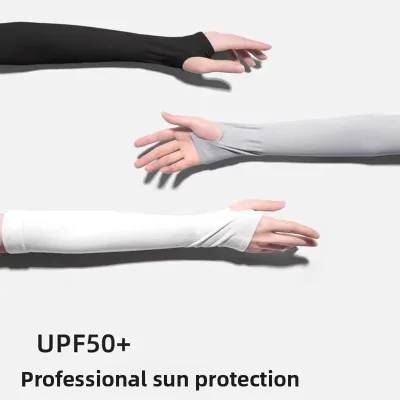
New Fashion OEM Custom Logo Sleeve UV Sun Protection Cooling Arm Sleeves
$0.99 - $1.69
MOQ: 100 Pieces



Comprehensive Sourcing Guide
Sun Protection Cooling Arm Sleeves Sourcing Guide
Procuring Sun Protection Cooling Arm Sleeves requires a clear understanding of the diverse material compositions and functional claims available in the current market. Buyers must distinguish between products designed for high-intensity athletic performance and those intended for casual outdoor use, as the underlying fabric technology varies significantly. The observed product range includes sleeves made from polyester and spandex blends, as well as pure spandex or spandex/nylon combinations, each offering different levels of stretch, durability, and moisture management. Understanding these material distinctions is the first step in aligning supplier offerings with specific end-user needs, whether for professional sports teams or general consumer retail.
Furthermore, the functional attributes of these sleeves extend beyond basic sun coverage, with many listings highlighting quick-drying, breathable, and anti-UV properties. Some products also claim cooling effects or tattoo coverage, which necessitates careful verification of the underlying technology. Buyers should evaluate how these features are integrated into the fabric structure, as not all "cooling" claims are backed by identical performance metrics. This guide provides a framework for evaluating these variations, ensuring that procurement decisions are based on verified specifications rather than marketing terminology alone.
Product Scope and Observed Listing Signals
The current market for arm sleeves exhibits a wide range of customization options, with many suppliers offering fully sublimated prints, custom offset logo printing, and heat-transfer methods. Observed listings indicate that designs can be fully customized with artwork, allowing for brand-specific aesthetics, while other options focus on pure colors or specific logo placements. The variety in printing techniques, including 360-degree digital prints and full-color sublimation, suggests that buyers have significant flexibility in creating unique product identities. This level of customization is particularly relevant for teams, events, or brands looking to stand out in competitive retail environments.
In terms of physical specifications, the observed products vary in size standards, with some offering custom sizing and others adhering to standard ranges like XS to L or one-size-fits-most. The weight of individual pairs can differ, with some listings noting specific weights such as 40g per pair, which may impact comfort and perceived quality. Additionally, packing methods range from individual polybags to OPP bags combined with cartons, affecting both unit presentation and logistics efficiency. Buyers should carefully review these operational details to ensure they align with their distribution channels and customer expectations.
Technical Specifications to Verify
When evaluating technical specifications, the material composition is a critical factor that directly influences performance and durability. Buyers should verify whether the sleeves are made from polyester/spandex blends, pure spandex, or spandex/nylon mixes, as each offers distinct benefits in terms of elasticity, breathability, and resistance to wear. The presence of features like quick-drying and moisture-wicking capabilities should be confirmed through supplier documentation or sample testing, as these attributes are essential for athletic applications. Additionally, the anti-UV properties should be assessed to ensure they meet the required protection levels for intended outdoor use.
Printing quality and colorfastness are also key technical aspects that require verification. The choice between sublimation, offset printing, and heat-transfer methods affects the longevity of the design and the feel of the fabric. Buyers should request samples to inspect the print resolution, edge definition, and adherence to the material. Furthermore, the fit and sizing consistency should be evaluated, especially for products claiming custom sizing or specific model numbers like SPT-AS-0047 or SPT-AS-0010. Ensuring that the physical product matches the technical description is vital for minimizing returns and maintaining customer satisfaction.
Compliance and Safety Documentation
While specific certification standards were not explicitly detailed in the observed listings, buyers must proactively request relevant compliance documentation from suppliers. This includes verifying that the materials used meet safety standards for textiles, particularly regarding chemical restrictions and skin safety. For products claiming anti-UV protection, buyers should ask for test reports that validate the Ultraviolet Protection Factor (UPF) rating, ensuring that the claimed protection levels are accurate and reliable. This documentation is crucial for mitigating liability risks and ensuring that the products meet regulatory requirements in target markets.
Additionally, buyers should inquire about the environmental and ethical standards followed by the manufacturing process. Although not explicitly stated, many global brands now require evidence of sustainable sourcing and responsible manufacturing practices. Requesting information on dyeing processes, water usage, and waste management can provide insight into the supplier’s commitment to environmental responsibility. This due diligence helps align procurement strategies with corporate social responsibility goals and meets the growing consumer demand for ethically produced goods.
Cost Drivers and Commercial Terms
The cost of Sun Protection Cooling Arm Sleeves is influenced by several factors, including material quality, printing complexity, and order volume. Observed price ranges vary, reflecting differences in customization levels and production methods. Buyers should consider how the choice of printing technique, such as fully sublimated prints versus simple logo prints, impacts the unit cost. Additionally, the MOQ requirements, which can range from small quantities for sampling to larger volumes for production, play a significant role in overall procurement costs. Understanding these cost drivers allows buyers to negotiate more effectively and plan their budgets accurately.
Commercial terms, including sample times and lead times, are also critical considerations. The observed sample time of five working days indicates a relatively quick turnaround for approvals, which can accelerate the product development cycle. However, buyers should clarify the lead times for bulk production, as these can vary based on order size and supplier capacity. Payment terms, shipping methods, and return policies should also be negotiated to ensure a smooth transaction process. Clear communication of these terms helps prevent misunderstandings and ensures that both parties are aligned on expectations.
Supplier Qualification and Quality Control
Supplier qualification is essential for ensuring consistent product quality and reliable delivery. Buyers should assess the supplier’s manufacturing capabilities, including their experience with custom printing and fabric blending. Visiting the factory or requesting virtual tours can provide valuable insights into their production processes and quality control measures. Additionally, verifying the supplier’s location, such as Dongguan or Fuzhou in China, can help assess logistical advantages and potential supply chain risks. A thorough evaluation of the supplier’s track record and customer feedback is also recommended.
Quality control procedures should be clearly defined and agreed upon before production begins. This includes establishing acceptance criteria for materials, printing quality, and final product inspection. Buyers should request pre-shipment inspections or third-party quality audits to ensure that the products meet the specified standards. Implementing a robust quality control plan helps minimize defects and ensures that the final products meet customer expectations. Regular communication with the supplier during the production process can also help identify and address any issues early on.
Long-Term Procurement Checks
Long-term procurement success depends on continuous monitoring of supplier performance and product quality. Buyers should establish key performance indicators (KPIs) to track metrics such as on-time delivery, defect rates, and customer satisfaction. Regular reviews of these metrics help identify areas for improvement and ensure that the supplier remains aligned with business goals. Additionally, staying informed about market trends and technological advancements in fabric and printing technologies can help buyers stay competitive and offer innovative products to their customers.
Building a strong relationship with the supplier is also crucial for long-term success. Open communication, mutual respect, and collaborative problem-solving can foster a partnership that benefits both parties. Buyers should consider negotiating long-term contracts or volume discounts to secure better pricing and priority service. Furthermore, exploring opportunities for product innovation and co-development can lead to unique offerings that differentiate the brand in the market. By focusing on these long-term strategies, buyers can build a resilient and sustainable supply chain.
FAQs
Can these arm sleeves be customized with my own logo?
Yes, customization is available for these arm sleeves. Buyers can choose from fully sublimated prints, digital dye sublimation, or custom offset full-color logo printing. The design supports customized artworks and various patterns, allowing for personalized branding on the product surface to meet specific corporate or team requirements.
What materials are used to make these cooling arm sleeves?
These arm sleeves are primarily constructed from polyester, spandex, and nylon blends. This combination ensures the fabric is breathable, quick-drying, and moisture-wicking. The material composition supports a cooling effect and provides flexibility, making the sleeves suitable for various outdoor sports and fitness activities while maintaining durability during use.
What is the minimum order quantity for these arm sleeves?
The minimum order quantity is typically 20 pairs, with the option to mix sizes. Some listings indicate a range of 5 to 1000 pairs depending on the specific supplier and product model. This low MOQ allows buyers to test the market or order small batches for specific teams or events.
How long does it take to produce a sample?
The sample time is generally 5 working days. This allows buyers to verify the quality, fit, and printing accuracy before committing to a larger bulk order. The production process supports personalized OEM services, ensuring that the sample reflects the final product's customization options and material specifications accurately.
Which sports are these arm sleeves suitable for?
These arm sleeves are designed for a wide range of activities including ball sports, soccer, cycling, racing, and water sports. They are also suitable for gym workouts, yoga, basketball, tennis, and martial arts. The anti-UV and quick-drying features make them ideal for outdoor applications like fishing and running.
What packaging options are available for these arm sleeves?
The standard packaging includes individual polybags or OPP bags, which are then packed into cartons for bulk shipping. This method protects the product during transit and keeps the items clean. The packaging is designed to be efficient for storage and distribution, ensuring that the arm sleeves arrive in good condition.