Source Sun Protection Jacket for Cycling, Fitness, and Gym
Compare 30 Sun Protection Jacket options from verified suppliers. Buyers can evaluate features like windproof, waterproof, and breathable materials, along with customization support and MOQs ranging from 50 to 1000 pieces for various sports applications.
Key considerations
Products List


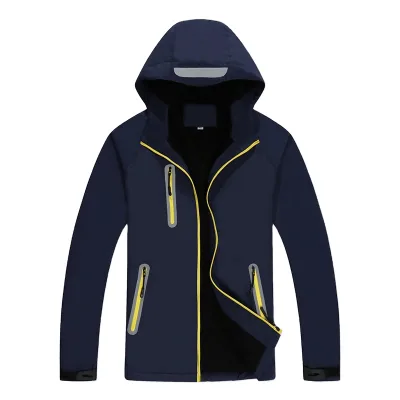
Cool Outdoor UV Protection Skin Coat Lightweight Quick Dry Breathable Hooded Jacket
$9.59 - $10.72
MOQ: 100 piece/ pieces


Comprehensive Sourcing Guide
Sun Protection Jacket Sourcing Guide
Sourcing sun protection jackets requires a nuanced understanding of the intersection between thermal regulation, UV defense, and active wear functionality. These garments are engineered to shield the wearer from harmful ultraviolet radiation while maintaining breathability and comfort during physical activity. Buyers must distinguish between casual leisure wear and high-performance sportswear, as the material composition and construction techniques vary significantly based on the intended use case. The market offers a wide array of options, from lightweight windbreakers to specialized rash guards, each serving distinct operational needs in outdoor environments.
The procurement process is heavily influenced by the specific features required for the target demographic. Observations from current market listings indicate a strong demand for multi-functional attributes such as windproofing, waterproofing, and quick-drying capabilities. These features are not merely aesthetic but are critical for ensuring the garment performs under variable weather conditions. Buyers should prioritize suppliers who can demonstrate clear differentiation between standard polyester blends and specialized fabrics designed for enhanced UV protection, ensuring that the final product meets the rigorous demands of active users.
Product Scope and Observed Listing Signals
The current market landscape for sun protection jackets reveals a diverse range of product types, including casual jackets, sports coats, and specialized rash guards. Listings frequently highlight customization options, allowing buyers to tailor colors, patterns, and branding to their specific market needs. The observed product models, such as 00908768 and KW1-2088, suggest a standardized yet flexible manufacturing approach where base designs can be adapted for different gender specifications, ranging from women-specific fits to unisex options. This flexibility is crucial for brands looking to expand their inventory across multiple customer segments without compromising on core protective features.
Material composition is a primary indicator of quality and performance in this category. Polyester remains a dominant material due to its durability and ease of maintenance, though some listings reference nylon standards, indicating a potential for higher-end technical fabrics. The presence of features like anti-UV properties and breathability suggests that these garments are designed for extended outdoor exposure. Buyers should note that while many products are marketed as "leisure jackets," others are explicitly categorized for intense activities such as cycling, tennis, and martial arts, requiring a careful review of the usage claims to ensure alignment with the end-user’s activity level.
Technical Specifications to Verify
Size inclusivity and fit consistency are critical technical aspects that must be verified before placing bulk orders. The market offers a wide range of sizes, from small (S) to extra-large (4XL), catering to a broad demographic. However, buyers must confirm the specific size charts provided by each supplier, as sizing can vary significantly between manufacturers. The observation of size ranges like S-M-L for certain models indicates that some suppliers may offer limited sizing options, which could restrict market reach. It is essential to request detailed measurement guides to ensure that the garments fit the target audience correctly, minimizing return rates and customer dissatisfaction.
Functional specifications such as sleeve style, seasonality, and additional protective features play a pivotal role in product selection. Long-sleeve designs are prevalent, offering maximum coverage for UV protection, while the "All Season" designation suggests versatility in various climates. Buyers should verify the presence of reflective strips, which are crucial for safety during low-light conditions, particularly for cycling and running applications. Additionally, the distinction between disposable and non-disposable items is important for inventory management and environmental compliance, with most observed products being non-disposable, reusable garments designed for long-term wear.
Compliance and Safety Documentation
While specific certification statuses are not universally disclosed in general listings, buyers must insist on documentation that verifies the UV protection efficacy of the fabrics. Trusted category knowledge suggests that garments claiming UV protection should undergo testing to determine their Ultraviolet Protection Factor (UPF) rating. Buyers should request test reports from accredited laboratories to confirm that the claimed anti-UV properties are scientifically validated. This is particularly important for products marketed for high-exposure activities like cycling and fitness, where prolonged sun exposure is a significant health risk.
Safety and material compliance are equally critical, especially regarding the chemicals used in fabric treatment and dyeing processes. Buyers should verify that the materials, such as polyester or PVC components, meet relevant safety standards for consumer goods. Although some listings reference specific standards like EN 13758-1, buyers should not assume compliance without direct verification from the supplier. It is advisable to request material safety data sheets (MSDS) and compliance certificates to ensure that the products do not contain harmful substances, thereby protecting both the brand’s reputation and the end-user’s health.
Cost Drivers and Commercial Terms
Pricing in the Sun Protection Jacket market is influenced by material quality, customization complexity, and order volume. The observed price range of 2-25 USD indicates a broad spectrum of options, from basic casual wear to more technically advanced sportswear. Buyers should understand that lower prices may correlate with simpler designs or standard materials, while higher prices often reflect specialized fabrics, additional features like reflective strips, or complex customization options. It is crucial to request detailed quotations that break down costs by material, labor, and customization fees to avoid hidden charges.
Minimum Order Quantities (MOQ) and payment terms are significant factors in the procurement strategy. The observed MOQ range of 50-1000 pieces suggests that suppliers cater to both small businesses and large enterprises. Buyers with smaller budgets may find suppliers with lower MOQs, such as 50 pieces, more accessible, while larger orders can leverage economies of scale for better pricing. Additionally, buyers should clarify the FOB port, with Ningbo being a common origin, and understand the associated logistics costs. Clear communication regarding packing specifications, such as individual polybags or bulk cartons, is also essential for efficient warehousing and distribution.
Supplier Qualification and Quality Control
Supplier qualification involves assessing their capability to deliver consistent quality and meet customization requirements. Buyers should prioritize suppliers who offer OEM/ODM support, as this indicates a mature manufacturing process capable of handling brand-specific designs. The presence of "Small Orders Accepted" policies suggests flexibility, but buyers should still conduct thorough due diligence on the supplier’s production capacity and quality control systems. Requesting samples is a critical step to evaluate the actual quality of the fabric, stitching, and UV protection features before committing to a large order.
Quality control measures should be established to ensure that the final products meet the agreed-upon specifications. Buyers should implement a robust inspection process, checking for defects in materials, such as inconsistencies in color or pattern, and verifying the functionality of features like zippers and reflective strips. It is advisable to define clear acceptance criteria for quality, including tolerances for size variations and material durability. Regular communication with the supplier during the production phase can help identify and resolve potential issues early, ensuring that the final shipment meets the brand’s standards.
Long-Term Procurement Checks
Building a sustainable supply chain for sun protection jackets requires ongoing monitoring of supplier performance and market trends. Buyers should establish key performance indicators (KPIs) to track delivery times, product quality, and responsiveness to issues. Regular audits of the supplier’s facilities can help ensure that they maintain high standards of production and compliance. Additionally, staying informed about advancements in UV-protective fabrics and technologies can provide a competitive edge, allowing buyers to offer innovative products to their customers.
Long-term relationships with suppliers can lead to better pricing, priority production, and collaborative product development. Buyers should invest in building trust with their suppliers by providing clear feedback and maintaining consistent order volumes. This partnership approach can facilitate smoother negotiations and more flexible terms over time. Furthermore, buyers should continuously evaluate their product portfolio to ensure it aligns with evolving consumer preferences and regulatory requirements, ensuring that the sun protection jackets remain relevant and compliant in the long run.
FAQs
Can I customize the color of the Sun Protection Jacket?
Yes, you can request custom colors for the Sun Protection Jacket. The product supports OEM and ODM services, allowing buyers to specify unique color requirements. This customization is available for bulk orders starting from an MOQ of 50 pieces.
What materials are used for the Sun Protection Jacket?
The Sun Protection Jacket is primarily made from polyester and PVC materials. These materials provide essential features like windproof, waterproof, and breathable properties. Some variants also include anti-UV protection to ensure safety during outdoor activities.
Which sizes are available for the Sun Protection Jacket?
The Sun Protection Jacket is available in sizes ranging from S to 4XL. Specific models may offer S, M, L, or S-4XL options. This wide size range ensures a suitable fit for adult users across different body types.
How is the Sun Protection Jacket packed for shipment?
The Sun Protection Jacket is typically packed in individual poly bags or cartons. One piece goes into one bag, while fifty pieces are packed into one box. Some shipments may use standard cartons depending on the specific order requirements.
Can I order small quantities of the Sun Protection Jacket?
Yes, small orders are accepted for the Sun Protection Jacket. The minimum order quantity starts at 50 pieces, which is suitable for small businesses or trial orders. This flexibility allows buyers to test the product without committing to large volumes.
What features does the Sun Protection Jacket offer?
The Sun Protection Jacket offers features like quick-drying, breathable, and anti-UV protection. It is designed for various sports including cycling, fitness, and tennis. Some models also include reflective strips for enhanced visibility during low-light conditions.
Where is the Sun Protection Jacket manufactured?
The Sun Protection Jacket is manufactured in China, specifically in Zhejiang. The FOB port for shipping is Ningbo. This location ensures efficient logistics and supply chain management for international buyers.