Source Super Absorbent Breathable Menstrual Panties for Daily, Night, and Active Use
Explore 30 listings for Super Absorbent Breathable Menstrual Panties featuring winged designs and cotton or non-woven materials. Buyers can compare OEM options, ISO certifications, and packing standards from suppliers in China.
Key considerations
Products List


Sanitary Panties Leak Proof Period Eco Friendly Mesh Menstrual Sanitary Panties
$0.05 - $0.10
MOQ: 150000 Pieces


Ultimate Comfort Super Absorbent Incontinence Panties for Menstrual Women
$0.07 - $0.11
MOQ: 50000 Pieces






Comprehensive Sourcing Guide
Strategic Sourcing Guide for Super Absorbent Breathable Menstrual Panties
Understanding Product Architecture and Technical Specifications
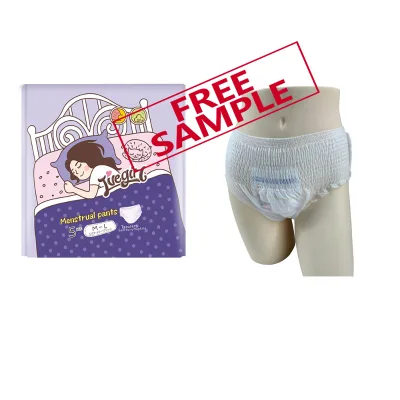
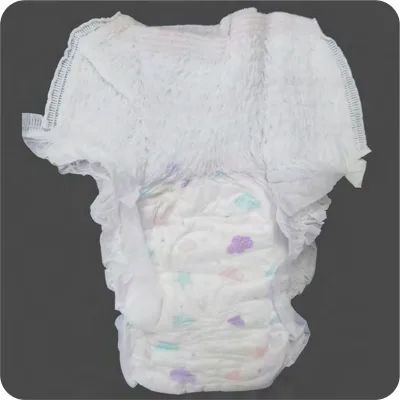
When sourcing Super Absorbent Breathable Menstrual Panties, buyers must first distinguish between the fundamental construction elements that define performance. The core product category, often referred to as sanitary pants or period panties, relies on a specific triad of materials to achieve the balance of absorbency and comfort. Based on observed market data, the top sheet is frequently constructed from soft non-woven fabrics, which provide a gentle interface against the skin. This is critical for user comfort during extended wear. The backsheet, which prevents leakage, varies significantly in material composition. Some specifications indicate a clothlike film, while others utilize a breathable PE film. The distinction is vital; a breathable backsheet allows for air circulation, reducing the risk of irritation, whereas a standard film might offer higher leak protection but less breathability.
The absorbent core is the engine of the product's performance. The supply chain data reveals two primary configurations: a combination of fluff pulp and super absorbent polymer (SAP), or a dedicated SAP core. The inclusion of SAP, specifically noted as originating from Japan in some listings, is a key indicator of high absorbency potential. Japan-sourced SAP is generally recognized in the industry for its rapid absorption rate and ability to lock away moisture, preventing the "wet" feeling that often leads to product rejection. Furthermore, the physical dimensions of the product are a primary differentiator. Observed length specifications range from 260mm to 400mm, with some premium models exceeding 400mm. Buyers must align these dimensions with the target demographic; longer lengths generally offer better coverage for heavier flow days, while shorter variants may be preferred for lighter flow or specific body types.
The shape of the product also plays a functional role. The "winged" configuration is a common attribute observed in the market, designed to secure the garment within underwear and prevent shifting. Additionally, the product is available in both folded and unfolded states, with the folded version often indicating a specific packaging or usage style. The thickness profile is another critical technical parameter. The market offers "ultra-thin" variants alongside "regular" types. Ultra-thin designs are increasingly demanded for discretion and comfort, requiring advanced engineering to maintain absorbency without bulk. The presence of a "magic tape" feature in some listings suggests an adjustable fit mechanism, allowing users to customize the waistband tension for a secure seal.
Compliance, Certification, and Material Safety Standards
In the B2B procurement of intimate hygiene products, compliance is not merely a regulatory hurdle but a foundational element of brand trust. The supply data indicates that ISO9001 certification is a standard attribute for many manufacturers, signifying a commitment to quality management systems. This certification ensures that the production process is consistent, traceable, and capable of delivering uniform product quality batch after batch. However, for a product that comes into direct contact with sensitive skin, ISO9001 alone is often insufficient. Buyers should verify if the supplier holds additional certifications related to material safety, such as ISO standards specifically for hygiene products, though specific numerical standards beyond the general ISO designation must be confirmed on a case-by-case basis.
Material safety is paramount, particularly regarding the components that touch the skin. The top sheet is described as "soft non-woven," and the core may include cotton or cotton-like materials. It is essential to verify that these materials are free from harmful chemicals, dyes, or residues. While the provided data mentions "OEKO-TEX" in a low-confidence context, buyers should treat this as a verification target rather than an automatic guarantee. The presence of "without flavor" and "with flavor" options indicates that the market offers both scented and unscented variants. For buyers targeting sensitive skin or medical-grade requirements, the "without flavor" option is the safer default, as fragrances can sometimes trigger allergic reactions.
The origin of the raw materials is another compliance consideration. The data explicitly notes "Japan Sap" as a material attribute. Sourcing SAP from reputable regions like Japan can be a proxy for quality, as these regions often adhere to stricter manufacturing standards. However, buyers must request documentation proving the origin and purity of the SAP used. Similarly, the backsheet material, whether clothlike film or breathable PE film, must be verified for its permeability and chemical stability. The "Cotton Core" and "Cotton" material attributes suggest a natural fiber component, which requires verification of processing methods to ensure no harsh chemicals were used during the cotton treatment.
Cost Drivers and Pricing Dynamics in the Supply Chain
The pricing structure for Super Absorbent Breathable Menstrual Panties is influenced by a complex interplay of material costs, customization levels, and order volumes. The observed price range in the market spans from $0.01 to $3.58 per unit. This wide variance is not arbitrary; it reflects differences in material quality, production complexity, and order scale. At the lower end of the spectrum, products likely utilize standard non-woven materials and basic SAP blends with minimal customization. Conversely, the higher price points correspond to products featuring Japan-sourced SAP, breathable clothlike films, ultra-thin profiles, and custom branding.
Order volume is the most significant lever for cost reduction. The minimum order quantity (MOQ) data shows a massive range, from as low as 10 units to as high as 300,000 units. This indicates a highly flexible supply chain where small buyers can access samples or trial runs, while large retailers can secure bulk pricing. The "1*40hq" (40-foot high cube container) MOQ suggests that for the most competitive per-unit pricing, buyers often need to commit to full container loads. This is a common strategy in the textile and hygiene industry to maximize logistics efficiency and amortize setup costs.
Customization is a major cost driver. The availability of OEM (Original Equipment Manufacturer) and ODM (Original Design Manufacturer) services allows buyers to alter the product's shape, size, packaging, and branding. However, these services come with a premium. The "Customized" and "Customization Available" attributes imply that every deviation from the standard "WP310" or "T-MP" models will incur additional tooling or setup fees. Furthermore, the choice of packaging affects the final cost. While "Carton" and "Bags" are standard, specific custom packaging designs or the inclusion of "2pcs/bag, 60bags/ctn" versus "10pcs/bag, 48bags/ctn" configurations will alter the unit economics.
Payment terms also influence the effective cost of procurement. The standard payment structure observed is a 30% deposit plus a 70% balance upon completion or shipment. This is a standard industry practice that mitigates risk for both parties but requires buyers to manage their cash flow carefully. Buyers should also consider the cost of samples, which are often "freely offered" or provided at a nominal cost, as part of the initial evaluation phase. These samples are crucial for validating the price-to-quality ratio before committing to large orders.
Typical Applications and Target Market Segmentation
The application of Super Absorbent Breathable Menstrual Panties extends beyond simple menstrual protection, catering to a diverse range of user needs and demographics. The primary target segment is clearly defined as "Children" in the data, but this likely refers to the age group of the user or potentially a specific product line for younger adolescents. More broadly, these products are designed for "External Use" as well as "Built-in" applications, indicating versatility in how they are worn. The "Night" usage attribute highlights a specific application for overnight protection, where absorbency and leak prevention are paramount.
The "Multicolor" and "Winged" attributes suggest that these products are also marketed as fashion-forward hygiene solutions, appealing to consumers who value aesthetics alongside functionality. The "Ultra Thin" and "Regular" types allow for segmentation based on flow intensity and personal preference. For instance, the "Ultra Thin" variant is ideal for daily wear during lighter flow days, offering discretion and comfort, while the "Regular" or longer length variants are suited for heavy flow days or overnight use. The "Folded" configuration may indicate a specific application for travel or storage, where compactness is a priority.
The "Sanitary Pants" and "Sanitary Pant" product names indicate a shift towards normalizing menstrual care as a standard undergarment category. This positioning allows for marketing strategies that emphasize comfort, confidence, and lifestyle integration rather than just medical necessity. The "Without Flavor" and "With Flavor" options cater to different consumer preferences, with the unscented version being preferred for sensitive skin and the scented version for those who prefer a fresh feeling. The "Magic Tape" feature adds a functional application for users who require a customizable fit, ensuring the product stays in place during active movement.
Supplier Evaluation and Verification Protocols
Evaluating a supplier for menstrual panties requires a rigorous approach that goes beyond simple price comparison. The first step is verifying the supplier's location and logistical capabilities. The data indicates origins in "China" and specifically "Fujian, China," a region known for its textile and hygiene product manufacturing clusters. Buyers should confirm the specific factory location within these regions to assess the supply chain resilience and potential for site visits. The "Lead Time" of 30 days is a standard benchmark, but buyers must verify if this applies to custom orders or standard stock items, as customization can extend lead times significantly.
Quality assurance capabilities are critical. The presence of "ISO9001" certification is a baseline requirement, but buyers should request audit reports or third-party inspection results to validate the supplier's adherence to these standards. The "Samples Offered" and "Freely Offered" attributes indicate a willingness to engage in the pre-production phase, which is a positive sign. Buyers should utilize these samples to test the product's absorbency, breathability, and comfort firsthand. The "Super Absorbent" and "Breathable" claims must be validated through physical testing, such as measuring the absorption rate and air permeability of the backsheet.
The supplier's ability to handle customization is another key evaluation metric. The "OEM/ODM" and "Customized" attributes suggest that the supplier has the flexibility to meet specific buyer requirements. However, buyers should assess the supplier's design capabilities, their ability to source specific materials like "Japan Sap," and their experience with different packaging configurations. The "Product Name" variations and "Prod Model" codes (e.g., WP310, T-MP) indicate a structured product line, suggesting the supplier has a mature manufacturing process. Buyers should also verify the supplier's capacity to handle large order volumes, given the high MOQs observed, to ensure they can scale production as the buyer's business grows.
Quality Control and Long-Term Procurement Strategy
Implementing a robust quality control (QC) strategy is essential for maintaining product integrity and brand reputation. The "Standard" attributes, such as "2pcs/bag, 60bags/ctn" or "10pcs/bag, 48bags/ctn," provide a framework for packaging consistency, but buyers must establish their own QC checkpoints. These should include visual inspections for defects in the non-woven top sheet, checks for proper sealing of the backsheet, and verification of the SAP distribution within the core. The "Warranty" of 3 years mentioned in the data is an unusual attribute for a disposable product and may refer to the durability of the packaging or a specific guarantee on the manufacturing process. Buyers should clarify the scope of this warranty to ensure it aligns with their expectations.
Long-term procurement considerations involve building a resilient supply chain. The "Payment" terms of 30%+70% are standard, but buyers should negotiate terms that align with their cash flow and risk tolerance. Establishing a relationship with a supplier that offers "Samples" and "Customization" allows for continuous product improvement and adaptation to market trends. The "Color" and "Type" variations provide opportunities for product line expansion, allowing buyers to cater to different segments of the market over time.
Buyers should also consider the environmental impact of their procurement choices. The use of "Non-Woven" and "Cotton" materials, along with the "Breathable" backsheet, suggests a focus on user comfort, but the sustainability of these materials should be evaluated. While the data does not explicitly confirm biodegradability, buyers should inquire about the recyclability of the packaging and the environmental footprint of the manufacturing process. The "Fujian, China" origin suggests a mature supply chain, but buyers should verify the supplier's compliance with local and international environmental regulations.
In conclusion, sourcing Super Absorbent Breathable Menstrual Panties requires a balanced approach that prioritizes technical specifications, material safety, and supplier reliability. By leveraging the observed data on materials, certifications, and production capabilities, buyers can make informed decisions that ensure high-quality products for their customers. The wide range of options, from "Ultra Thin" to "Regular" and "Without Flavor" to "With Flavor," offers significant flexibility for customization and market segmentation. However, the key to success lies in rigorous verification, clear communication of requirements, and a commitment to maintaining high standards throughout the procurement lifecycle.
Comparative Analysis of Product Attributes
| Attribute Category | Standard/Observed Option | Premium/High-Performance Option | Key Verification Point |
|---|---|---|---|
| Absorbent Core | Fluff Pulp + SAP | Japan SAP / SAP Core | Request SAP origin certificate and absorption rate test data. |
| Backsheet Material | Breathable PE Film | Clothlike Film | Verify air permeability and leak protection test results. |
| Top Sheet | Soft Non-Woven | Cotton / Soft Non-Woven | Check for skin irritation tests and material purity. |
| Product Length | 260mm - 400mm | >400mm | Confirm length suitability for target demographic and flow type. |
| Thickness Profile | Regular | Ultra Thin | Assess bulk vs. absorbency trade-off in physical samples. |
| Customization | OEM / ODM Available | Full Custom (Color, Shape, Tape) | Verify tooling costs and minimum order quantities for custom runs. |
| Certification | ISO9001 | ISO + OEKO-TEX (if verified) | Request valid certification documents and audit reports. |
| Packaging | Carton / Bags | Custom Packaging (S/M/L/XL/XXL) | Check packaging integrity and labeling compliance. |
This table summarizes the key differentiators observed in the market. Buyers should use these comparisons to define their specific product requirements and negotiate effectively with suppliers. The "Key Verification Point" column highlights the actions necessary to validate claims, ensuring that the final product meets the desired quality and performance standards. By focusing on these attributes, buyers can navigate the complex landscape of menstrual product sourcing with confidence and precision.
FAQs
What certifications do these menstrual panties have?
These products typically hold ISO9001 certification to ensure quality management standards. Some listings also reference general ISO standards, but specific material safety certifications like OEKO-TEX are not guaranteed by default and require verification.
How long is the lead time for custom orders?
The standard lead time for production is approximately 30 days. This duration may vary depending on the level of customization required, such as OEM branding or specific packaging configurations like cartons or bags.
Can I order samples before placing a bulk order?
Yes, samples are freely offered or available upon request for evaluation. Buyers can use these samples to verify the product's absorbency, breathability, and fit before committing to larger quantities ranging from 10 to 300,000 units.
What materials are used for the absorbent core?
The absorbent core typically consists of fluff pulp combined with super absorbent polymer, or a dedicated SAP core. Some specifications explicitly mention the use of Japan-sourced SAP for enhanced absorption and moisture locking capabilities.
What is the minimum order quantity for these panties?
The minimum order quantity ranges from 10 units for small trials up to 300,000 units for large bulk purchases. Some suppliers require a full container load, such as 1*40hq, to secure the most competitive per-unit pricing.
Which customization options are available for buyers?
Buyers can request OEM and ODM services including custom shapes, sizes, and packaging. Options include specific lengths from 260mm to over 400mm, multicolor designs, and custom branding on the product or its carton packaging.