Source SUS304 Electric Heating Steam Autoclave for Rubber
Find 30 SUS304 Electric Heating Steam Autoclave units for rubber hose, roller, and sleeve cable curing. Compare PLC-controlled models with 220V or 380V options, LCD displays, and high-temperature alarms to match your factory's productivity needs; compare the available evidence and request quotations based on your requirements.
Updated
Key considerations
Products List


Industrial Direct Electric Steam Autoclave for Rubber Hose Vulcanization
$4399.00 - $8999.00
MOQ: 1 Sets


Industrial Electric Steam Rubber Autoclave for Rubber Expansion Joints Vulcanizing
$13500.00 - $14500.00
MOQ: 1 Pieces


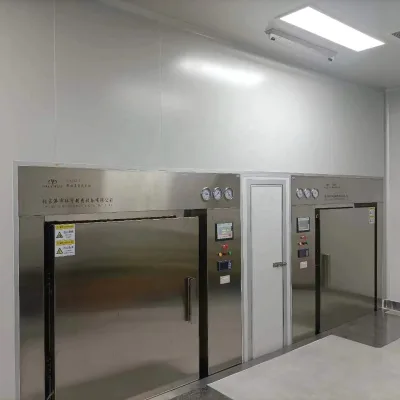
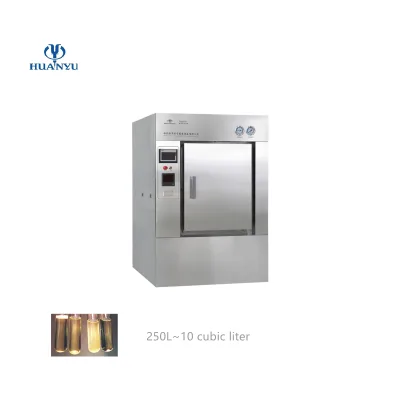
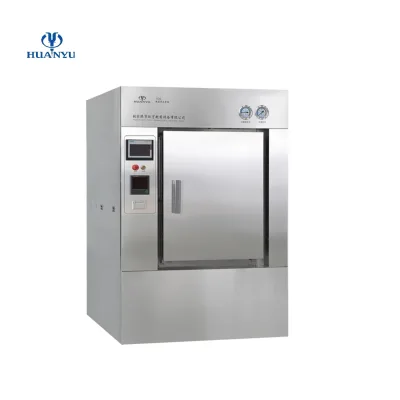
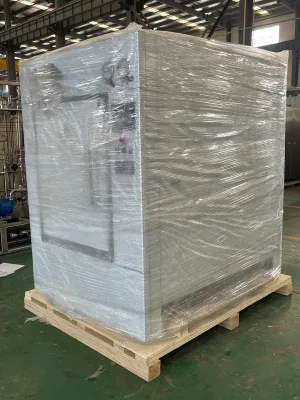

Electric Autoclave Food Steam Sterilization/Steam Sterilizers Medical Autoclave
$5000.00 - $20000.00
MOQ: 1 Sets

High Pressure Sterilizer Autoclave Horizontal Electric Steam Heating Autoclave
$10000.00 - $15000.00
MOQ: 1 Sets


Electric Steam Heating Food Retort Autoclave Machine/Autoclave Sterilizer
$9000.00 - $20000.00
MOQ: 1 Sets
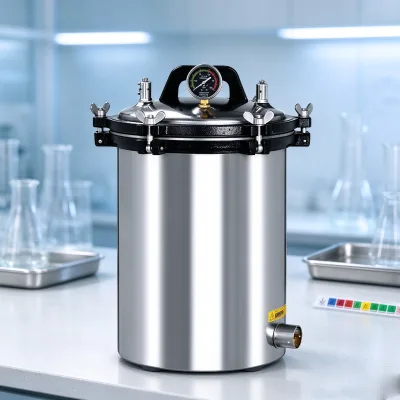
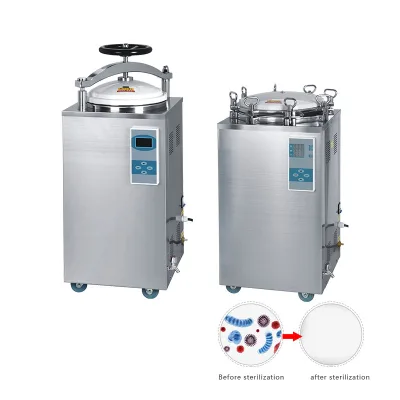


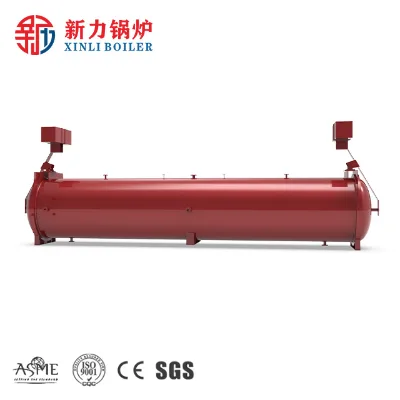
Rubber/Composite Curing Horizontal Autoclave with Steam/Electricity Heating
$6600.00 - $46000.00
MOQ: 1 set
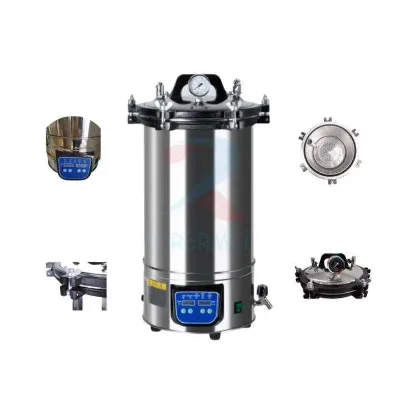
$102.283 - $129.1452
MOQ: 1 Minimum


Electric/Steam Autoclave for Rubber Vulcanization Autoclave for Tyre Retreading
$10000.00 - $30000.00
MOQ: 1 Sets

Electric/Steam Autoclave for Rubber Vulcanization Rubber Curing Autoclave
$10000.00 - $30000.00
MOQ: 1 Sets

Rubber Autoclave Electric & Steam Autoclave for Rubber Vulcanization
$10000.00 - $30000.00
MOQ: 1 Sets

Comprehensive Sourcing Guide
SUS304 Electric Heating Steam Autoclave Sourcing Guide
Procuring industrial sterilization and curing equipment requires a disciplined approach to technical verification and supplier qualification. The market offers a diverse range of autoclaves, from medical-grade sterilizers to heavy-duty rubber curing vessels. Buyers must distinguish between these categories based on their specific operational needs, such as whether the primary goal is medical device sterilization or industrial rubber vulcanization. Understanding the distinct engineering requirements for each application is the first step in defining a successful procurement strategy.
This guide focuses on the critical evaluation factors for sourcing electric heating steam autoclaves, particularly those constructed with stainless steel or carbon steel materials. By examining observed listing signals, technical specifications, and compliance documentation, buyers can mitigate risks associated with non-conforming equipment. The following sections provide a structured framework for assessing product scope, verifying technical parameters, and establishing robust commercial terms with manufacturers, ensuring that the final acquisition aligns with both safety standards and production efficiency goals.
Product Scope and Observed Listing Signals
The current market landscape for autoclaves reveals a wide spectrum of product types, primarily categorized into pressure steam sterilization equipment and rubber vulcanizing cans. Listings frequently highlight applications in rubber product factories, targeting components such as rubber hoses, rollers, and sleeves. These industrial units often feature horizontal structures and are designed for high-temperature environments, with work temperatures ranging from 95 to 120 degrees Celsius for standard sterilizers and up to 185 degrees for specialized rubber curing models. This distinction is crucial for buyers to identify equipment that matches their specific material processing requirements.
Material composition varies significantly across listings, with stainless steel and carbon steel being the most common construction choices. Some models utilize Q345r or Q370r steel grades, indicating a focus on structural integrity for high-pressure applications. The presence of LCD displays and automatic control modes suggests a trend toward user-friendly interfaces and automated pressure regulation. Buyers should carefully review these attributes to ensure the equipment’s physical design and control systems align with their facility’s operational capabilities and maintenance resources.
Technical Specifications to Verify
Voltage and power requirements are fundamental technical parameters that must be verified before purchase, as listings indicate options for 220V, 380V, and even 400V configurations. The heating mode is typically electric, steam, or thermal oil, with automatic pressure control managed via PLC systems. For rubber curing applications, maximum pressure ratings may reach 0.85MPa, while temperature limits can be customized up to 185 degrees Celsius. Buyers must confirm that the electrical infrastructure in their facility can support the specific voltage and amperage demands of the selected model to prevent operational disruptions.
Control systems often integrate PLC and PC interfaces, offering precise management of the sterilization or curing cycle. Core components such as motors, bearings, pumps, and PLCs are critical to the machine’s longevity and performance. The automatic grade of the equipment, whether fully automatic or semiautomatic, impacts labor requirements and process consistency. Additionally, dimensions such as 200013001800 mm are common for larger units, requiring buyers to assess spatial constraints in their production area. Verifying these specifications ensures the equipment integrates seamlessly into existing workflows without necessitating costly facility modifications.
Compliance and Safety Documentation
Certification status is a primary indicator of regulatory compliance, with many suppliers listing FDA, SGS, CE, and ISO certifications. For medical-related sterilization equipment, the absence of sterilization information recording and printing capabilities in some models may limit their suitability for strict regulatory environments. Buyers must verify that the specific unit they intend to purchase holds the necessary certifications for their target market, particularly CE for European operations or FDA for medical device sterilization in the United States. Relying on generic certification claims without verifying the specific model’s documentation can lead to significant compliance risks.
Safety features such as ultra-high temperature alarms are essential for preventing equipment damage and ensuring operator safety. The standard classification of these units as "Universal" suggests broad applicability, but buyers should confirm that the safety mechanisms align with local occupational health and safety regulations. Documentation should include detailed operational manuals, maintenance schedules, and emergency shutdown procedures. Ensuring that the supplier provides comprehensive safety documentation is vital for training staff and maintaining a safe working environment, particularly when dealing with high-pressure steam systems.
Cost Drivers and Commercial Terms
Pricing for autoclaves varies widely, with observed ranges spanning from minimal costs to substantial investments, reflecting differences in material quality, automation level, and capacity. Key selling points often emphasize competitive pricing combined with high productivity, suggesting that buyers should evaluate the total cost of ownership rather than just the initial purchase price. Factors such as the inclusion of LCD displays, PLC controls, and customized color options can influence the final cost. Buyers should request detailed quotations that break down these components to understand the value proposition of each feature.
Delivery lead times are a critical commercial term, with standard delivery periods ranging from 35 to 40 working days. Packaging methods, such as color boxes or standard container packing, affect shipping costs and protection during transit. Customization options, including tailored dimensions and voltage configurations, may extend lead times and increase costs. Buyers should negotiate clear terms regarding payment schedules, warranty coverage, and after-sales support. Understanding these commercial variables helps in budgeting accurately and planning production schedules around the equipment’s arrival and installation.
Supplier Qualification and Quality Control
Supplier qualification involves verifying the manufacturer’s production capabilities and quality assurance processes. Many suppliers offer video outgoing inspections, providing buyers with visual evidence of the equipment’s condition before shipment. This transparency is valuable for assessing build quality, weld integrity, and component installation. Buyers should request these videos and compare them against the technical specifications provided in the quotation. Additionally, verifying the supplier’s origin, often listed as China or specific provinces like Shandong, can provide context regarding manufacturing standards and logistical considerations.
Quality control extends beyond the final inspection to include the verification of core components and materials. Buyers should confirm that the PLC, motors, and bearings are from reputable manufacturers to ensure reliability. The automatic grade and control mode should be tested for responsiveness and accuracy during the inspection phase. Suppliers who provide detailed material certificates for steel grades like Q345r or Q370r demonstrate a commitment to quality. Establishing a rigorous quality control protocol, including third-party inspections if necessary, helps mitigate the risk of receiving substandard equipment.
Long-Term Procurement Checks
Long-term procurement success depends on establishing a reliable supply chain for maintenance and spare parts. Buyers should inquire about the availability of replacement components such as pumps, motors, and PLC modules. Suppliers who offer comprehensive after-sales support, including remote troubleshooting and on-site service, add significant value to the procurement. Understanding the expected lifespan of critical components and the cost of routine maintenance is essential for budgeting operational expenses over the equipment’s lifecycle.
Continuous monitoring of supplier performance and product updates is also crucial. As technology evolves, suppliers may introduce improved control systems or more efficient heating modes. Buyers should maintain open communication with their suppliers to stay informed about potential upgrades or modifications. Additionally, reviewing the equipment’s performance data over time can help identify trends in maintenance needs or efficiency losses. By proactively managing these long-term factors, buyers can ensure that their autoclave investments continue to deliver value and reliability for years to come.
FAQs
What certifications do the autoclaves hold?
The autoclaves hold FDA, SGS, CE, and ISO certifications. These certifications ensure compliance with international safety and quality standards for medical and industrial sterilization applications.
Can the equipment be customized for specific needs?
Yes, customization is available for color, voltage, and design requirements. Buyers can request specific configurations such as customized voltage or unique structural designs to fit their factory needs.
What is the maximum working temperature of the unit?
The working temperature ranges from 95 to 120 degrees Celsius for standard models. Some rubber curing autoclaves can reach a maximum of 185 degrees Celsius based on specific buyer requirements.
How is the pressure controlled during operation?
Pressure control is managed automatically using a PLC system. The system integrates core components like motors and pumps to ensure precise and safe pressure regulation during the sterilization process.
What materials are used to construct the autoclave?
The units are constructed from stainless steel or carbon steel grades like Q345r. These materials provide durability and resistance against high temperatures and pressures required for industrial applications.
What is the typical delivery lead time for orders?
The standard delivery lead time is 35 to 40 working days. This timeframe accounts for manufacturing, quality inspection, and preparation for standard container packaging before shipment from China.
Which voltage options are supported by the machine?
The equipment supports multiple voltage options including 220V, 380V, and 400V. Buyers can select the appropriate voltage configuration to match their local power supply infrastructure requirements.