Source Yoga Mannequin for Shops, Malls, and Window Displays
Explore 30 listings of Yoga Mannequin options tailored for retail environments. Buyers can compare customization features, material types, and pricing to find suitable display solutions for clothing shops and shopping malls.
Key considerations
Products List


Hot Sale Sitting Yoga Mannequin Meditation Style Relax Female Mannequin
$98.00 - $125.00
MOQ: 5 pieces


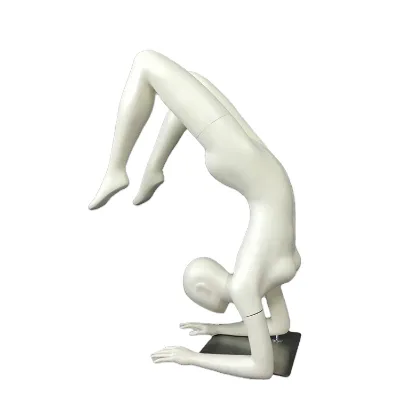
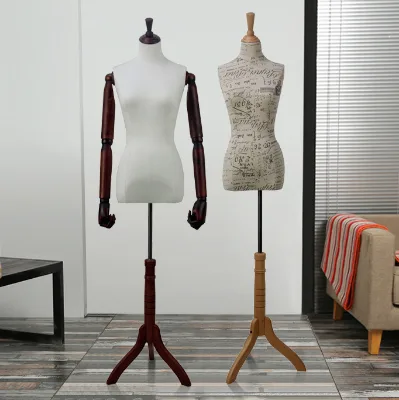
Comprehensive Sourcing Guide
Strategic Sourcing Guide for Yoga Mannequins in the B2B Apparel Sector
The global demand for specialized retail display solutions has intensified, particularly within the activewear and yoga clothing segments. Buyers seeking "Yoga Mannequin" products must navigate a market characterized by diverse functional requirements, ranging from static display units to dynamic, pose-specific forms that mimic human movement. This guide provides a disciplined framework for sourcing these items, grounded in observed market data and verified product attributes. The objective is to equip procurement professionals with the knowledge to evaluate suppliers, assess technical specifications, and manage the complexities of international trade without relying on unverified claims or speculative data.
Understanding Product Categories and Functional Design
The core keyword "Yoga Mannequin" encompasses a specific subset of display fixtures designed to showcase stretch fabrics, athletic wear, and form-fitting apparel. Unlike standard retail mannequins, yoga-specific models often feature articulated joints or dynamic poses to demonstrate the flexibility and range of motion of the garments they display. Based on available product data, the market offers distinct variations, including full-body suits and specialized yoga pose figures.
A critical observation in the current supply landscape is the prevalence of "Headless" designs. Many suppliers offer models where the head is omitted, a design choice that allows retailers to customize the display with wigs, hoods, or digital overlays, or to focus attention entirely on the torso and limb articulation. Furthermore, the "Base" attribute varies significantly; some units are designed as "Stand" models with integrated bases for floor placement, while others are explicitly listed as "No Base," intended for wall-mounted installation or integration into custom display structures.
The material composition is another defining characteristic. The primary material observed in this category is "Fiber," often described in specifications as fiberglass or similar composite materials. This choice of material is driven by the need for durability, weight management, and the ability to hold complex poses without structural failure. The surface finish is frequently noted as "Matt Gray" or "White," providing a neutral canvas that does not distract from the colorful activewear being displayed.
Technical Specifications and Customization Parameters
When evaluating technical specifications, buyers must scrutinize the dimensions, weight, and customization capabilities of potential units. The data indicates a wide range of customization options, with "Size" often listed as "Can Be Customized." This flexibility is essential for brands that require mannequins to reflect specific body types, including "Plus Size" variations, to ensure their marketing accurately represents their target demographic.
The "prod_model" identifiers found in supplier listings, such as HX-Yoga14, HX-Yoga06, and HX-HXEK-8MO26, suggest a modular approach to manufacturing. These model numbers often correspond to specific poses or structural configurations. For instance, some models are explicitly marketed as "Yoga Pose Mannequin for Yoga Clothing Display Sale," indicating a focus on dynamic positioning.
Weight is a significant logistical factor. Observed gross weights for single units range from approximately 20kg to 24kg. This substantial weight necessitates robust packaging and careful handling during transit. The standard packaging format is typically a "Carton," with specific dimensions observed around 118x45x45cm or 120x49x49cm. Buyers should verify the "Single Package Size" and "Single Gross Weight" for every unit to calculate accurate shipping costs and warehouse storage requirements.
| Specification Category | Observed Data Points | Procurement Verification Requirement |
|---|---|---|
| Material | Fiber, Fiberglass | Verify specific resin type and structural integrity tests. |
| Base Type | Stand, No Base | Confirm mounting hardware requirements for the intended display location. |
| Head Configuration | Headless | Determine if head accessories are included or sold separately. |
| Weight (Single Unit) | 20kg - 24kg | Validate weight for freight calculation and safety handling. |
| Package Dimensions | ~118x45x45cm to 120x49x49cm | Check cubic volume for container loading efficiency. |
| Customization | Size, Color, Model | Define exact tolerance levels for custom dimensions. |
Cost Drivers and Pricing Dynamics
The pricing structure for yoga mannequins is influenced by several variables, including material costs, customization complexity, and order volume. The observed listed price range in the market is between $75 and $125 USD per unit. However, this range is not absolute and should be treated as a baseline for standard configurations. Significant deviations in price often correlate with the level of customization requested, such as specific body proportions or unique surface finishes.
Minimum Order Quantity (MOQ) is a primary driver of unit economics. The market data reveals a split in MOQ requirements, with some suppliers setting a threshold of 5 pieces, while others require 20 pieces. This variance suggests that smaller orders may incur a premium per unit or require a different production line setup. Buyers must align their inventory needs with these thresholds to optimize cost efficiency.
Payment terms also play a role in the total cost of ownership. Commonly observed payment methods include "Tt" (Telegraphic Transfer) and "Credit Card," with some suppliers accepting "Ttpaypal" or "Credit Cardlc." The choice of payment method can impact transaction fees and currency exchange rates, which should be factored into the final budget. Additionally, the "Production Time" of 7-15 days and "Sample Time" of 5-7 days are critical for supply chain planning. Delays in sample approval can cascade into significant lead time extensions for the full production run.
Compliance, Certification, and Safety Standards
In the realm of B2B procurement, compliance is non-negotiable. While the provided data mentions "FSC" (Forest Stewardship Council) in a low-confidence context, buyers must not assume certification status without direct verification. The "prod_standard" is frequently listed as "Customized," which implies that the product may not adhere to a single, universal international standard unless explicitly agreed upon in the contract.
Buyers should verify the following compliance areas before finalizing an order:
- Material Safety: Ensure the "Fiber" or fiberglass materials used are free from harmful volatile organic compounds (VOCs) and meet the fire safety regulations of the destination country.
- Structural Integrity: Given the weight and potential for dynamic poses, the mannequin must withstand the stress of being moved or adjusted by retail staff without breaking.
- Labeling and Origin: The "prod_origin" is listed as "China" or specifically "Fujian, China." Buyers must ensure that all labeling, including country of origin markings, complies with the import regulations of the target market.
It is crucial to note that no specific certification numbers or test results are provided in the source data. Therefore, procurement teams must request independent third-party test reports for fire resistance, toxicity, and structural load-bearing capacity. Relying on supplier assertions without documentary proof poses a significant risk to brand reputation and regulatory compliance.
Supplier Evaluation and Quality Control Protocols
Selecting the right supplier requires a rigorous evaluation process that goes beyond the initial product listing. The presence of "Customization: Available" and "Style: Full-Body" or "Sports" attributes indicates a supplier capable of adapting to specific brand needs. However, the ability to customize does not guarantee quality control.
When evaluating potential partners, buyers should prioritize the following criteria:
- Production Capacity: Verify the supplier's ability to meet the "7-15 Days" production timeline consistently. Ask for references from other clients who have placed similar orders.
- Quality Assurance Processes: Inquire about the inspection protocols for surface finishes, specifically the "Matt Gray" or "White" coatings. Defects in the finish can detract from the professional appearance of the retail display.
- Packaging Standards: The "prod_packing" is listed as "Carton," but the quality of the carton and internal padding is vital to prevent damage during the 118x45x45cm or larger shipment. Request photos of the actual packaging used for previous orders.
- Communication and Responsiveness: The "Sample Time" of 5-7 days is a key indicator of operational efficiency. A supplier that delays sample delivery is likely to struggle with full production timelines.
Buyers should also verify the "Using Place" specifications. If the mannequins are intended for "Shopping Mall" or "Clothes Shop" environments, they must be durable enough to withstand high foot traffic and potential contact with customers.
Typical Applications and Retail Integration
The application of yoga mannequins extends beyond simple display; they are strategic tools for brand storytelling. The "Application" field lists "Clothes Shop" and "Window Display," highlighting their role in attracting foot traffic. The "Purpose" is explicitly defined as "Clothing Display," but the specific "Feature: Sports" and "Feature: Plus Size" attributes suggest a deeper marketing function.
These mannequins are particularly effective in:
- Window Displays: The "Headless" design allows for creative lighting and backdrop integration, drawing attention to the fabric and cut of the clothing.
- In-Store Visual Merchandising: Dynamic poses help customers visualize how the clothing moves, which is critical for activewear.
- E-commerce Content: High-quality mannequins can be used for photography to create consistent product imagery for online stores.
The "Hanger Type: Wall-Mounted" option offers a space-saving solution for smaller retail environments, while "Stand" models provide flexibility for larger floor plans. Buyers should consider the "Using Place" when selecting the base type; a wall-mounted unit is unsuitable for a freestanding display, and vice versa.
Long-Term Procurement and Supply Chain Resilience
Sourcing yoga mannequins is not a one-time transaction but part of a long-term supply chain strategy. The "MOQ" of 5 to 20 pieces suggests that these items are suitable for both small boutique retailers and larger chains. However, buyers must plan for the "Production Time" and "Lead Time" carefully. The "7 Days Sample Order Lead Time" support is a positive indicator, but buyers should build buffer time into their inventory planning to account for potential delays in sample approval or production scheduling.
Long-term considerations also include the availability of replacement parts or customization updates. As fashion trends shift, the demand for specific poses or body types may change. A supplier with a robust "Customization" capability will be better positioned to adapt to these shifts without requiring a complete overhaul of the display inventory.
Furthermore, buyers should monitor the "Payment" terms and "Sample Time" consistency. Reliability in these areas is a strong predictor of overall supplier performance. Establishing a long-term relationship with a supplier who understands the nuances of "Fiber" materials and "Matt Gray" finishes can lead to better pricing and priority production scheduling.
In conclusion, sourcing yoga mannequins requires a meticulous approach that balances technical specifications, cost efficiency, and quality assurance. By focusing on verified attributes such as material composition, weight, and customization options, buyers can make informed decisions that enhance their retail presentation while mitigating supply chain risks. The market offers a variety of options, from headless wall-mounted units to full-body stand models, each serving a unique purpose in the activewear retail ecosystem. Success lies in the ability to navigate these options with a clear understanding of the underlying data and a commitment to rigorous supplier evaluation.
FAQs
What materials are used for yoga mannequins?
The primary material used is fiber, often described as fiberglass. This composite ensures durability and allows the mannequin to hold complex poses without structural failure while remaining lightweight for display purposes.
Can the size of the mannequin be customized?
Yes, the size can be customized to meet specific brand requirements. This flexibility allows buyers to request specific body types, including plus size variations, to accurately represent their target demographic in retail displays.
What is the minimum order quantity for these items?
The minimum order quantity varies between 5 and 20 pieces depending on the supplier. Smaller orders may require a different production setup, so buyers should align their inventory needs with these specific thresholds to optimize costs.
How long does production take for a custom order?
Production time typically ranges from 7 to 15 days for standard orders. Buyers should account for this duration alongside sample approval times to ensure timely delivery for their retail display schedules.
Are these mannequins designed with a base?
Base configurations vary, with options available for both stand models and no base designs. Some units are intended for wall-mounted installation, while others feature integrated bases for freestanding floor placement in shopping malls.
What is the typical weight of a single unit?
A single unit typically weighs between 20kg and 24kg. This substantial weight requires robust packaging and careful handling during transit to prevent damage to the mannequin and its carton packaging.
Can the color of the mannequin be customized?
Yes, color customization is available to suit specific branding needs. While standard finishes include white and matt gray, buyers can request other colors to ensure the display matches their store aesthetic without distracting from the apparel.