Source Sustainable Transparent Coffee Mug for Office, Cafe, Retail
Explore 30 options for a Sustainable Transparent Coffee Mug, featuring single and double wall designs in glass and plastic. Compare capacities from 300ml to 1000ml, handle styles, and OEM services to find the right fit for your brand; compare the available evidence and request quotations based on your requirements.
Key considerations
Products List


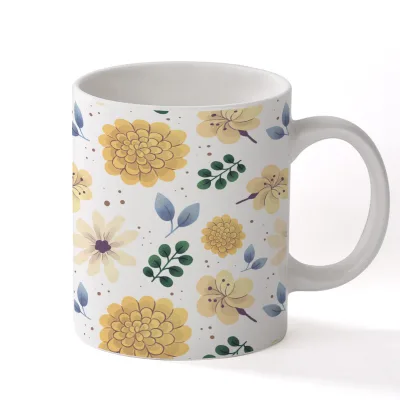
Hot Sale Various Colors Ceramic Cup
$2.00 - $4.00
MOQ: 1000 Pieces
Chaozhou City Cha'an District Fengtang Town Sai Si Ceramics Factory


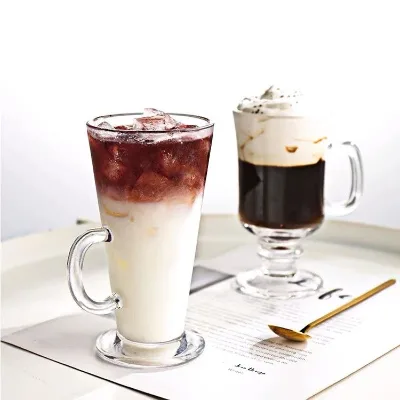



Reusable Simple and Transparent Beer Mug Double Wall Glass Coffee Tea Cup
$3.10 - $4.80
MOQ: 50 Pieces


Heat Resistant Double Wall Coffee Mug Drinking Glass Cup for Coffee Milk
$0.76 - $1.25
MOQ: 500 Pieces




Comprehensive Sourcing Guide
Sustainable Transparent Coffee Mug Sourcing Guide
Sourcing sustainable transparent coffee mugs requires balancing aesthetic clarity with verified environmental credentials. The observed market features cylindrical clear glass vessels that emphasize a simple, modern style suitable for office or retail environments. Buyers must distinguish between single-wall and double-wall constructions, as the latter offers superior thermal retention for hot beverages while maintaining the visual appeal of the material.
Procurement decisions should prioritize suppliers offering customization options for logos and colors, as this flexibility supports brand differentiation. The product range includes volumes from 300ml to 1000ml, allowing buyers to select sizes that match specific usage scenarios. Verifying the origin of the glass and the manufacturing process ensures that the "sustainable" claim aligns with actual production practices rather than marketing assertions.
Product Scope and Observed Listing Signals
The current market inventory displays a wide variance in material composition, ranging from clear glass to plastic alternatives, which necessitates careful filtering. While glass products dominate the transparent category, some listings indicate bicolor plastic options that may not meet the strict definition of a transparent glass mug. Buyers must scrutinize the material attribute to ensure the final product matches the visual and tactile expectations of a glass vessel.
Listing signals also reveal diverse packaging methods, including OPP bags, color boxes, and bulk cartons with palletization. These packaging choices directly impact shipping costs and the risk of breakage during transit, particularly for fragile glass items. The observed weight ranges from approximately 420g to 500g, suggesting that heavier units may offer better durability but incur higher freight expenses.
Technical Specifications to Verify
Dimensional accuracy is critical for inventory planning, as observed standards vary from 8.8*9.6 cm to 11 oz capacities. Buyers should verify the exact height and diameter against their existing shelving or display requirements, as the cylindrical shape must fit specific spatial constraints. The presence of handles or lanyards adds functional utility but alters the overall footprint and weight distribution of the unit.
Volume specifications are equally important, with listings citing capacities such as 25oz, 30oz, and 40oz alongside metric measurements. Ensuring the selected model matches the intended liquid volume prevents customer dissatisfaction and reduces return rates. Additionally, the distinction between single-wall and double-wall designs affects thermal performance, requiring buyers to specify the desired insulation level before finalizing orders.
Compliance and Safety Documentation
Safety compliance is non-negotiable for food-contact glassware, and the observed listings frequently cite certifications such as FDA, LFGB, and CE/EU standards. These certifications indicate that the materials used are free from harmful substances like lead or cadmium, ensuring the mug is safe for daily consumption. Buyers must request valid test reports to confirm that the specific batch of glassware meets these rigorous international safety thresholds.
Beyond material safety, the sustainability aspect often involves verifying the recyclability of the glass and the eco-friendly nature of the packaging. While some products are marked as eco-friendly, the actual environmental impact depends on the entire lifecycle, including the energy used in manufacturing and the disposal of the packaging. Procurement teams should ask for documentation regarding the supply chain's adherence to environmental standards to validate these claims.
Cost Drivers and Commercial Terms
Pricing in this category is influenced by the complexity of customization, with options for logos and colors adding to the base unit cost. The observed price range of 0.32 to 10 USD reflects significant variation based on volume, material thickness, and the inclusion of accessories like handles. Buyers should anticipate higher costs for double-wall constructions and custom branding, which require additional tooling and production time.
Minimum Order Quantities (MOQs) vary widely, ranging from as low as 2 units to 3000 units, affecting the feasibility of small-batch testing versus large-scale deployment. Understanding the tiered pricing structure is essential for budgeting, as larger orders often yield better per-unit rates but require significant upfront capital. Lead times and shipping terms also play a role, as the origin in Zhejiang, China, may involve specific logistics considerations for international buyers.
Supplier Qualification and Quality Control
Supplier qualification should focus on their ability to provide consistent quality across large production runs, especially for customized glass items. The availability of OEM and ODM services indicates a supplier's capacity to adapt designs, but buyers must verify their quality control protocols to prevent defects like chips or uneven coloring. Requesting pre-production samples is a vital step to ensure the final product matches the approved specifications before mass manufacturing begins.
Quality control extends to the packaging process, where the use of polyfoam, wood boxes, and sturdy cartons is necessary to protect fragile glass during transit. Buyers should assess the supplier's track record for handling breakage claims and their ability to maintain the structural integrity of the product. Establishing clear acceptance criteria for visual defects and dimensional tolerances helps mitigate the risk of receiving substandard goods.
Long-Term Procurement Checks
Sustaining a reliable supply chain for sustainable glass mugs requires regular audits of the supplier's production capabilities and environmental practices. Buyers should monitor changes in certification status, ensuring that FDA, LFGB, and other safety standards remain current and valid for ongoing shipments. Periodic re-verification of material composition helps maintain compliance with evolving international regulations and consumer expectations.
Long-term success also depends on maintaining open communication regarding design updates and market trends. As the demand for eco-friendly products grows, suppliers may introduce new sustainable materials or manufacturing techniques that could benefit the buyer. Establishing a partnership based on mutual growth and transparency ensures that the procurement strategy remains adaptable to future market shifts and regulatory changes.
FAQs
What certifications are available for sustainable transparent coffee mugs?
These mugs typically hold FDA, CE, LFGB, CIQ, and EEC certifications. Such credentials ensure the materials meet international safety standards for food contact. Buyers can verify these documents to confirm compliance with regional regulations before placing bulk orders for office or retail use.
Can I customize the logo and color of these mugs?
Yes, customized logos and colors are acceptable for these products. Suppliers offer OEM and ODM services to tailor designs to your brand. You can select from various options, including bicolor finishes or specific Pantone shades, ensuring the final product aligns perfectly with your corporate identity.
What are the typical volume options for these glass mugs?
Standard volume options include 300ml, 500ml, 700ml, and 1000ml. Some listings also reference sizes like 25oz, 30oz, and 40oz. These capacities cater to different beverage needs, from small espresso servings to large daily water or coffee portions, providing flexibility for diverse consumer preferences.
What is the minimum order quantity for these sustainable mugs?
The minimum order quantity ranges from 2 to 3000 pieces depending on the supplier. Lower MOQs allow for small trial orders, while higher volumes may secure better pricing. Buyers should confirm specific MOQ requirements with manufacturers to align with their inventory planning and budget constraints effectively.
How are these mugs packaged for safe shipping?
Packaging methods include OPP bags, color boxes, cartons, pallets, polyfoam, and wooden boxes. These varied options protect the glass or plastic material during transit. Selecting appropriate packaging ensures the items arrive undamaged, which is crucial for maintaining product quality and customer satisfaction upon delivery.
Are these mugs suitable for all ages and office use?
Yes, these mugs are designed for all ages and are suitable for office use. Features like handles and lanyards enhance usability and safety. The simple style and sustainable materials make them practical for daily consumption, catering to both casual home users and professional office environments efficiently.