Source Tactical German Goggle Swivel Clips for gear, helmets, and bags
Find 30 Tactical German Goggle Swivel Clips from verified Chinese suppliers. Compare models like N-S-28 and KC-S2-8, check MOQs, and request samples for custom gear applications.
Key considerations
Products List


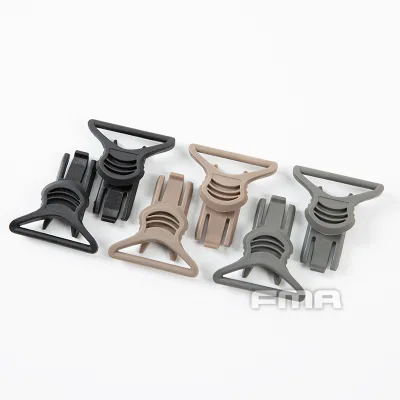
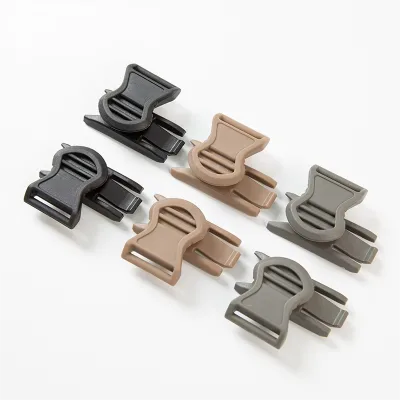
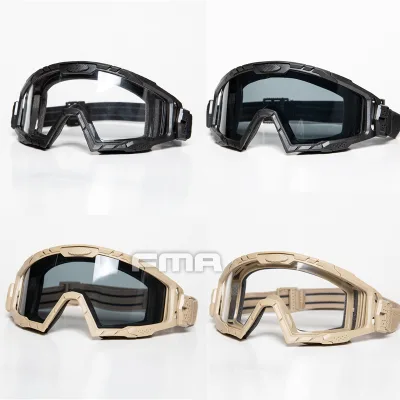
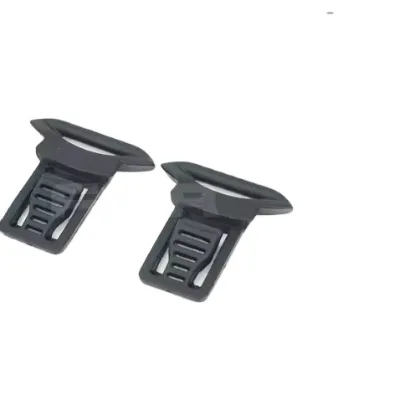

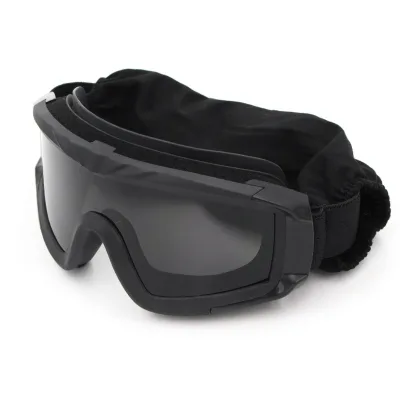
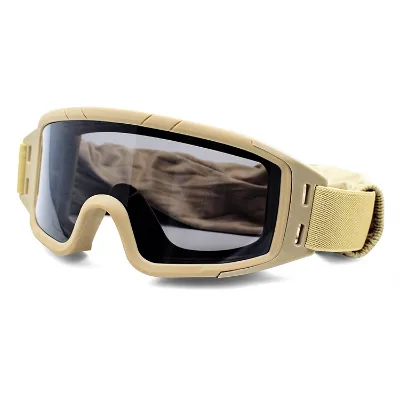
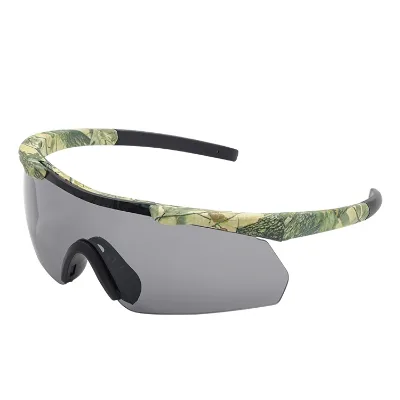
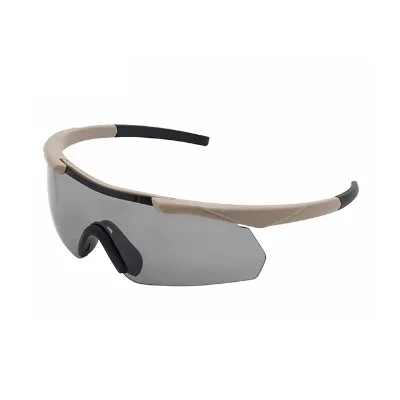
Tactical Goggle-Shooting Goggle-Ski Goggle-Riding Glasses-Outdoor Goggles
$3.00 - $7.00
MOQ: 2000 Sets




Comprehensive Sourcing Guide
Strategic Sourcing Guide for Tactical German Goggle Swivel Clips
Understanding the Product Category and Technical Specifications
The procurement of Tactical German Goggle Swivel Clips requires a precise understanding of the specific hardware components that facilitate the attachment of eyewear to tactical headgear. These clips are not merely generic fasteners; they are engineered to meet the rigorous demands of military, law enforcement, and specialized security operations. The core product category often references specific model numbers such as N-S-28, KC-S2-8, Z-S-8, J-S-8, T-S-8, and KC-S-8, which indicate distinct manufacturing batches or design iterations. A critical observation in this sector is the variation in clip types, with the "Y Type" being a prominent configuration designed for specific mounting geometries.
The physical dimensions and material composition are paramount for compatibility and durability. Buyers must verify that the clips are constructed from high-grade Nylon or a Polycarbonate and Nylon composite, ensuring resistance to impact, chemical exposure, and extreme temperatures. The weight of these components is a significant factor in overall load management; observed specifications indicate weights ranging from 16 grams to 19 grams per unit, a difference that can accumulate significantly in bulk orders. The functional design often includes a "Press Type" wear mode, allowing for rapid deployment and secure locking mechanisms. Furthermore, the clips are frequently designed to accommodate specific rail accessories, serving as a critical interface between the goggle frame and the helmet rail system.
When evaluating the product, buyers should note that the "German" style designation often refers to a specific aesthetic or mounting standard popularized in European tactical doctrines, though the manufacturing origin is predominantly China, with specific hubs in Huangyan, Taizhou, and Guangdong. The product is generally unisex and suitable for adults, with a "Universal" seasonal rating indicating year-round usability. The clips are often marketed as "Fast Helmet Rope" or "Fast Helmet Bungee Cord" accessories, emphasizing their role in securing the eyewear during high-movement activities.
Compliance, Certification, and Standard Verification
In the realm of tactical equipment, compliance is not optional; it is a prerequisite for operational safety and legal procurement. While the market offers products with various certifications, buyers must rigorously verify the specific standards claimed by suppliers. One of the most frequently cited certifications in this sector is ISO, which indicates adherence to international quality management systems. However, the presence of an ISO certificate alone does not guarantee the mechanical integrity of the swivel clip; it only validates the supplier's management processes.
Beyond general quality management, the mechanical standards for these clips often reference mold and tooling specifications such as DME, HASCO, and LKM. These are industry-standard designations for mold bases and components, suggesting that the manufacturing process utilizes high-precision tooling. Buyers should request documentation confirming that the molds used to produce the swivel clips adhere to these specific standards, as this directly correlates to the consistency and durability of the final product. Additionally, some product listings reference specific dimensional standards like 19mm or 36mm, which are critical for ensuring the clip fits the goggle frame rails without slippage or excessive friction.
It is essential to distinguish between product certifications and material safety standards. The materials used, such as Nylon and Polycarbonate, must be verified for their ability to withstand the rigors of tactical use without degrading. While some suppliers may claim compliance with specific military standards, buyers should not assume these claims are universal across all listed products. Instead, the procurement strategy should involve requesting third-party test reports that specifically address the tensile strength, impact resistance, and fatigue life of the swivel clips. The absence of a specific certification in the initial listing should not be an immediate disqualifier, provided the supplier can demonstrate a robust internal quality control protocol that aligns with the required operational standards.
Cost Drivers and Pricing Dynamics
The pricing structure for Tactical German Goggle Swivel Clips is influenced by a complex interplay of factors, including material costs, customization requirements, and order volume. The observed price range in the market spans from $0.14 to $20.80 USD, a variance that reflects the difference between basic, unbranded units and high-end, customized solutions. The lower end of this spectrum typically corresponds to standard, non-customized clips with minimal packaging, while the higher end includes products with custom logos, specialized packaging, and premium material grades.
Material costs are a primary driver of price. The shift from standard Nylon to reinforced Polycarbonate-Nylon blends increases the raw material expense, which is passed on to the buyer. Furthermore, the complexity of the molding process, particularly for "Y Type" clips or those with specific "Press Type" mechanisms, adds to the manufacturing cost. Customization is another significant cost factor. The availability of customized colors (such as Black, Desert Tan, and Foliage Green) and custom logos requires additional setup fees and production time. Buyers should be aware that while the base unit price may be low, the total cost of ownership increases with the level of personalization.
Order volume plays a critical role in determining the final unit price. The Minimum Order Quantity (MOQ) varies widely, with some suppliers offering as few as 2 pieces, while others require orders of 100 units or even up to 10,000 units. The high MOQ of 10,000 units often correlates with the lowest per-unit cost, making it an attractive option for large-scale procurement. Conversely, the low MOQ of 2 pieces is ideal for prototyping or small-unit testing but comes with a significantly higher unit price. Buyers must balance their immediate needs against the long-term cost benefits of larger orders. Additionally, packaging options, such as "Carton Packing" versus "High Quality Wooden Case," can influence the overall cost, especially for international shipping where weight and volume are critical.
Typical Applications and Operational Use Cases
Tactical German Goggle Swivel Clips are designed for a wide array of applications, primarily within the defense, law enforcement, and private security sectors. The primary function of these clips is to secure goggles to tactical helmets, ensuring that the eyewear remains in place during high-intensity activities. The "Fast Helmet Bungee Cord" feature allows for quick adjustment and removal, which is crucial in emergency situations where speed is of the essence. The clips are compatible with various goggle models, including those with 19mm and 36mm rails, making them versatile for different equipment configurations.
In addition to military and law enforcement use, these clips are utilized in airsoft, paintball, and other recreational tactical sports. The "Universal" seasonal rating and "Unisex" design make them suitable for a broad demographic of users. The clips are often integrated into rail accessory systems, allowing for the attachment of additional gear such as flashlights or laser pointers. The "EVEN" style designation suggests a balanced design that distributes weight evenly across the helmet, reducing fatigue during prolonged wear.
The specific model numbers, such as TB312-314 and TB315-TB317, often correspond to specific goggle brands or helmet systems. For instance, the FMA Goggle Swivel Clips are designed to fit specific FMA goggle models, ensuring a seamless integration between the eyewear and the helmet. The "Function: Goggles buckle" attribute highlights the primary role of these clips in securing the goggle strap, preventing it from slipping or becoming dislodged during movement. The ability to accept customized logos also makes these clips suitable for unit identification, allowing military units or police departments to brand their equipment with their insignia.
Supplier Evaluation and Selection Criteria
Selecting the right supplier for Tactical German Goggle Swivel Clips requires a thorough evaluation of their capabilities, reliability, and quality assurance processes. Buyers should prioritize suppliers who have a proven track record in manufacturing tactical gear and who can provide detailed information about their production facilities. The origin of the products is a key factor, with Huangyan, Taizhou, and Guangdong being prominent manufacturing hubs in China. These regions are known for their expertise in plastic molding and metalworking, which are essential for producing high-quality swivel clips.
When evaluating suppliers, buyers should look for evidence of consistent quality control. The availability of samples is a critical indicator of a supplier's confidence in their product. Most suppliers offer samples, with sample times ranging from 10 to 20 days. This lead time should be factored into the procurement timeline to ensure that the buyer has sufficient time to test the product before placing a large order. The "Sample Available: Yes" attribute is a positive sign, indicating that the supplier is willing to engage in the pre-production verification process.
Another important criterion is the supplier's ability to meet customization requirements. The "Customization: Available" attribute suggests that suppliers can accommodate requests for custom colors, logos, and packaging. Buyers should verify the supplier's capacity to handle these customizations without compromising the quality of the product. The "Brand Name: FMA" and other brand associations indicate that some suppliers may be authorized distributors or manufacturers of specific brands, which can be a sign of reliability and authenticity.
Finally, buyers should assess the supplier's communication and responsiveness. A reliable supplier should be able to provide clear and timely responses to inquiries, offer detailed product specifications, and assist with any issues that arise during the procurement process. The "Selling Units: Single item" attribute suggests that the supplier is flexible in their sales approach, catering to both small and large orders. By carefully evaluating these factors, buyers can identify suppliers who are capable of delivering high-quality Tactical German Goggle Swivel Clips that meet their specific operational needs.
Quality Control and Long-Term Procurement Considerations
Ensuring the quality of Tactical German Goggle Swivel Clips is essential for the safety and effectiveness of the end-user. Buyers should implement a robust quality control (QC) process that includes pre-production inspections, in-process monitoring, and final product testing. The "Standard: Standard" and "Standard: DME, HASCO, LKM, etc" attributes indicate that the manufacturing process should adhere to recognized industry standards. Buyers should request detailed QC reports that cover dimensions, material composition, and mechanical performance.
Long-term procurement considerations involve building a sustainable relationship with suppliers who can consistently deliver high-quality products. The "MOQ: 100" and "MOQ: 10 Pcs" ranges suggest that buyers should plan their orders carefully to optimize costs while maintaining a steady supply. The "Sample time: 10-20 days" should be factored into the overall procurement timeline to ensure that any necessary adjustments can be made before mass production begins. Additionally, buyers should consider the "Product Name: FMA Goggle Swivel Clips 36mm" and similar specific product names when planning for future inventory, as these designations may change or be updated by the manufacturer.
The "Weight: 19g" and "Weight: 16 g" specifications highlight the importance of consistency in product weight. Variations in weight can indicate inconsistencies in the manufacturing process, which could affect the performance of the clips. Buyers should establish clear weight tolerances and require suppliers to adhere to these limits. The "Color: Customized" and "Color: BK,DE,FG" attributes also require careful management to ensure that the final product matches the buyer's requirements.
In conclusion, sourcing Tactical German Goggle Swivel Clips requires a strategic approach that balances technical specifications, compliance, cost, and supplier reliability. By following the guidelines outlined in this guide, buyers can make informed decisions that ensure the procurement of high-quality, reliable, and cost-effective products for their specific operational needs.
FAQs
What certifications do Tactical German Goggle Swivel Clips have?
Some products hold ISO certification for quality management systems. Buyers should verify specific mold standards like DME, HASCO, or LKM for tooling consistency rather than assuming universal compliance.
Which specifications define the clip models available?
Models include N-S-28, KC-S2-8, and Z-S-28 with rail sizes of 19mm or 36mm. The Y Type wear mode and Press Type fastening are common configurations for tactical mounting.
Can buyers request custom logos and colors?
Yes, customization is available for logos and colors such as Black, Desert Tan, and Foliage Green. Suppliers offer these options alongside varied packaging like cartons or wooden cases.
What is the typical minimum order quantity for these clips?
MOQs range from 2 pieces for samples to 10,000 units for bulk orders. Lower quantities suit prototyping, while higher volumes often reduce the per-unit cost significantly.
How long does it take to receive product samples?
Sample lead times typically span 10 to 20 days. This duration allows for quality verification before committing to larger production runs with suppliers in China.
Where are these tactical clips manufactured?
Products originate from Huangyan, Taizhou, and Guangdong in China. These regions are known for plastic molding expertise used to produce Nylon and Polycarbonate components.