Source Taiwan Hair Clips for Girls, Daily Use, and Fashion Events
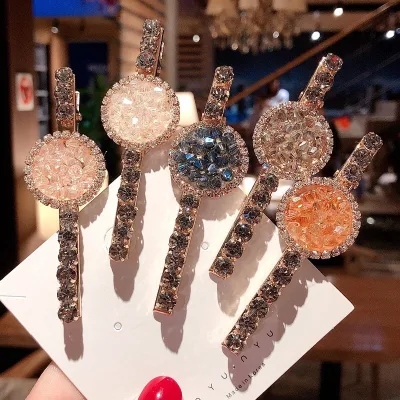
Explore 30 listings for Taiwan Hair Clips suitable for girls and daily use. Buyers can compare metal crystal and fabric options, including flower and bowknot shapes, with customizable logos and packaging details.
Key considerations
Products List




Comprehensive Sourcing Guide
Taiwan Hair Clips Sourcing Guide
Sourcing hair accessories from Taiwan requires a nuanced understanding of the region’s manufacturing strengths, which differ significantly from the mass-production hubs in mainland China. While Taiwan is globally recognized for its high-quality plastics, electronics, and precision machinery, its role in the hair clip sector is often characterized by mid-to-high-end design, innovative materials, and strict quality control rather than ultra-low-cost volume production. Buyers must distinguish between products manufactured in Taiwan and those merely marketed with Taiwanese branding, as supply chain complexities often blur these lines. The core keyword "Taiwan Hair Clips" suggests a focus on design-led, durable, and aesthetically refined accessories, often targeting premium retail segments or specialized boutique markets.
This guide provides evidence-based procurement strategies for buyers seeking hair clips associated with Taiwanese manufacturing or design origins. It addresses the critical verification steps necessary to confirm origin, assess material quality, and negotiate commercial terms. The focus remains on actionable due diligence, ensuring that procurement decisions are grounded in verifiable data rather than marketing claims. By understanding the specific technical and commercial landscape, buyers can mitigate risks associated with counterfeit origin claims and ensure alignment with their brand’s quality standards.
Product Scope and Observed Listing Signals
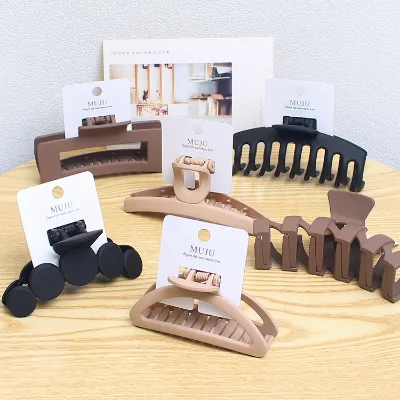
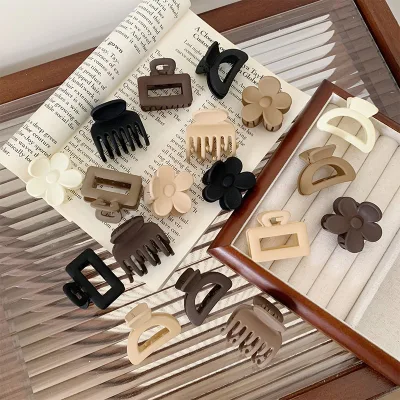
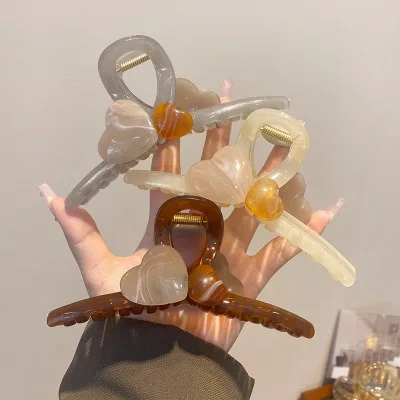
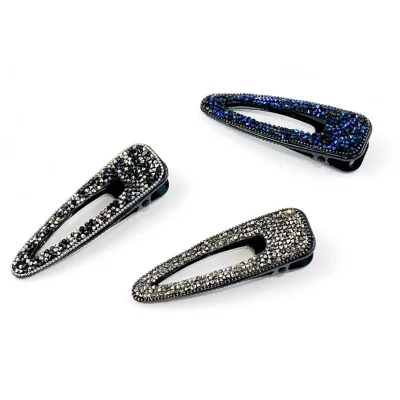
The observed market signals for hair clips indicate a diverse range of materials, including metal crystal, plastic, and fabric, with designs spanning from simple bowknots to complex flower shapes. Listings frequently highlight customization capabilities, such as OEM/ODM services, customized logos, and varied packaging options like polybags or individual boxes. These signals suggest that suppliers are positioned to handle bespoke orders for retailers requiring unique branding or specific aesthetic alignments. The presence of multiple model numbers and style descriptors, such as "korean style" or "fashion," indicates a broad product scope that caters to various seasonal trends and consumer preferences.
However, buyers must exercise caution when interpreting these signals, as they do not inherently confirm Taiwanese origin. Many listings with similar attributes originate from manufacturing hubs in Zhejiang, China, as evidenced by specific product data points. The term "Taiwan Hair Clips" may sometimes refer to design inspiration or brand heritage rather than the physical place of manufacture. Therefore, the initial scope of sourcing must include a rigorous verification of the actual production location. Buyers should prioritize suppliers who can provide clear documentation of manufacturing facilities in Taiwan, rather than relying solely on product descriptions that may be generic or misleading.
Technical Specifications to Verify
Verifying technical specifications is paramount when sourcing hair clips, particularly when distinguishing between different material grades and construction methods. Key attributes to scrutinize include the type of metal used for crystal-embedded clips, the durability of plastic components, and the quality of fabric stitching for elastic bands. Specifications such as weight, single package size, and overall dimensions should be cross-referenced with physical samples to ensure consistency. For instance, metal crystal clips require verification of plating quality and stone setting security, while plastic clips need assessment for brittleness or sharp edges that could compromise safety.
Buyers should also verify the precision of mechanical components, such as the spring tension in hair claws or the elasticity retention of hair bands. These functional aspects directly impact user experience and product longevity. Additionally, packaging specifications, including whether items are individually packed in polybags or bulk-packed in cartons, affect logistics costs and retail presentation. It is essential to confirm that the technical specifications provided by the supplier match the actual product received, as discrepancies can lead to customer dissatisfaction and returns. Establishing clear technical benchmarks in the purchase agreement helps enforce these standards.
Compliance and Safety Documentation
Compliance and safety are critical considerations for hair accessories, especially those intended for children or frequent daily use. Buyers must ensure that suppliers provide relevant safety documentation, such as test reports for heavy metal content, particularly in metal crystal clips where plating materials may contain lead or cadmium. Plastic components should be verified for compliance with phthalate restrictions and other chemical safety standards applicable in the target market. Fabric clips require assessment for flammability and dye fastness to prevent skin irritation or color transfer.
While specific certification statuses cannot be assumed without direct supplier confirmation, buyers should request evidence of compliance with international standards such as ASTM F963 for children’s products or REACH regulations for the European market. Documentation should include third-party lab test results rather than self-declared statements. Additionally, buyers should verify that the supplier adheres to ethical manufacturing practices, ensuring that labor conditions meet international norms. This due diligence not only mitigates legal risks but also enhances brand reputation by demonstrating a commitment to consumer safety and ethical sourcing.
Cost Drivers and Commercial Terms
Cost drivers for hair clips include material costs, labor intensity, and order volume. Metal crystal clips typically incur higher material costs due to the price of metals and stones, while plastic and fabric options may be more cost-effective but require significant labor for assembly and finishing. Customization features, such as logo printing or unique packaging, add to the unit cost and should be factored into the total procurement budget. Buyers should also consider the impact of minimum order quantities (MOQs) on pricing, as lower MOQs often result in higher per-unit costs.
Commercial terms, including payment methods and lead times, vary among suppliers and should be negotiated based on the buyer’s risk tolerance and cash flow requirements. Common payment methods include T/T, PayPal, and credit card transactions, each with different implications for security and convenience. Lead times are influenced by production complexity and order size, with customized orders generally requiring longer processing periods. Buyers should establish clear agreements on delivery schedules and penalties for delays to ensure supply chain reliability. Understanding these cost and term dynamics enables more accurate budgeting and forecasting.
Supplier Qualification and Quality Control
Supplier qualification involves a thorough assessment of manufacturing capabilities, quality management systems, and past performance. Buyers should verify the supplier’s physical presence in Taiwan through site visits or third-party audits, ensuring that the claimed origin is accurate. Quality control processes should be evaluated for consistency, including incoming material inspections, in-process checks, and final random inspections. Suppliers with robust QC systems are more likely to deliver products that meet specified standards and reduce the incidence of defects.
Additionally, buyers should assess the supplier’s responsiveness and communication efficiency, as these factors influence problem resolution and order management. A supplier’s ability to provide fast delivery and high-speed replies is indicative of operational maturity. Buyers should also review the supplier’s track record with similar clients, seeking references or case studies that demonstrate reliability. Establishing a strong partnership with a qualified supplier enhances long-term procurement success by ensuring consistent quality and service levels.
Long-Term Procurement Checks
Long-term procurement success requires ongoing monitoring of supplier performance and market trends. Buyers should regularly review key performance indicators (KPIs) such as on-time delivery rates, defect rates, and customer feedback to assess supplier reliability. Continuous improvement initiatives should be encouraged through regular feedback sessions and joint problem-solving efforts. Additionally, buyers should stay informed about emerging trends in hair accessory design and materials to maintain product relevance and competitiveness.
Supply chain diversification is another critical aspect of long-term strategy, reducing dependency on single sources and mitigating risks associated with geopolitical or logistical disruptions. Buyers should explore alternative suppliers in different regions while maintaining high standards for quality and compliance. Regular audits and updates to quality agreements ensure that supplier practices evolve with changing regulations and market demands. By implementing these long-term checks, buyers can build a resilient and efficient procurement system that supports sustainable growth.
FAQs
What materials are used for these hair clips?
The hair clips are constructed from metal crystal and plastic materials. Some variations also utilize fabric for specific designs. Buyers can select from options like crystal pink, gray, beige, blue, or orange depending on the specific model required.
Which customization options are available for orders?
Customization is available for logos, designs, colors, and packaging details. The product supports OEM and ODM services to meet specific buyer requirements. Buyers can request customized packaging such as boxes or polybags to align with their brand standards.
How does the minimum order quantity vary by product?
Minimum order quantities range from 10 pieces to 10,000 units depending on the specific item. Some models like clip-01 have an MOQ of 10 pieces, while others may require 10,000 units. Buyers should verify the specific MOQ for their selected model number.
Can I find hair clips suitable for daily youth use?
Yes, these hair clips are suitable for youth and designed for daily use. They feature styles like Korean fashion, simple bowknots, and flower shapes. The products are intended as hair decorations for girls and are available in various colors to match personal preferences.
What are the packaging details for individual items?
Individual items are packed in polybags, boxes, or OPP bags depending on the specific product line. The single package size is approximately 5x5x5 cm with a gross weight of 0.026 kg. Bulk packaging may be arranged in cartons for larger orders.
Where are these hair clips manufactured?
The products originate from Zhejiang, China. The manufacturing location is specified as China for the various models listed. Buyers can expect the goods to be sourced from this region which is known for producing fashion accessories.
What payment methods are accepted for transactions?
Accepted payment methods include T/T, PayPal, Credit Card, and Ali Online Order. These options provide flexibility for international buyers to complete their transactions securely. Buyers should confirm the specific payment terms with the supplier before finalizing the order.