Find Taiwan Headlamp Options for Mining, Camping, and Emergency Lighting
Browse 30 headlamp listings suited to mining, hiking, camping, and emergency lighting. Buyers can compare LED chip options, battery types, irradiation distance, waterproofing, certifications, packing formats, and models, with choices spanning corded mining lamps and portable lithium-ion or AAA-powered designs.
Key considerations
Products List


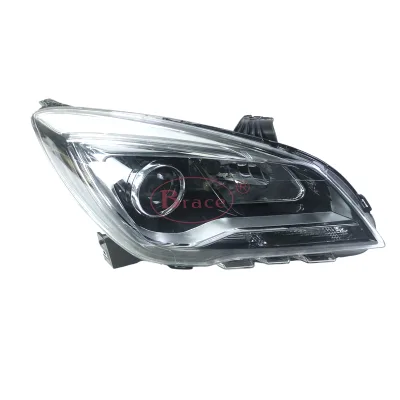


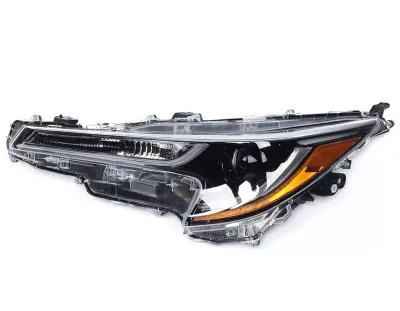
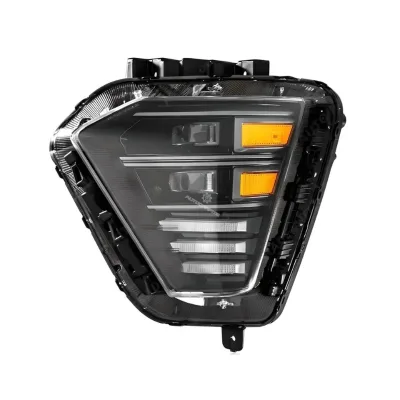


Comprehensive Sourcing Guide
Taiwan Headlamp Sourcing Guide
Sourcing headlamps from Taiwan requires a nuanced understanding of the region’s manufacturing ecosystem, which is renowned for high-quality electronics, precision engineering, and robust supply chain reliability. While the provided product data highlights specific models originating from mainland China, such as those from Jinan and Huainan City, the broader market for headlamps often includes Taiwanese manufacturers who specialize in LED technology, battery management systems, and durable casing materials. Buyers must distinguish between generic industrial lighting and specialized mining or emergency lighting solutions, as the technical requirements and compliance standards vary significantly across these categories. The decision to source from Taiwan often hinges on the need for advanced R&D capabilities, particularly in areas like waterproofing integrity, battery efficiency, and optical precision, which are critical for high-performance headlamps used in demanding environments.
When evaluating potential suppliers, it is essential to recognize that the headlamp market is segmented by usage, ranging from casual camping and hiking to heavy-duty mining and industrial emergency lighting. The observed product attributes indicate a wide range of specifications, including irradiation distances from 100 to 300 meters, various battery types such as Lithium Ion and 3xAAA, and protection levels like IP65. These variations dictate the sourcing strategy, as a buyer seeking a rugged, explosion-proof headlamp for mining operations will have different qualification criteria than one sourcing lightweight, waterproof units for outdoor recreation. Understanding these distinctions allows procurement teams to align their technical requirements with the specific capabilities of Taiwanese manufacturers, ensuring that the selected products meet the rigorous demands of their intended application without over-specifying or under-engineering the solution.
Product Scope and Observed Listing Signals
The current market landscape for headlamps includes a diverse array of product models, each tailored to specific operational needs and environmental conditions. Observed listings reveal models such as the YC703H-3L, which is designed for hiking, camping, and emergency lighting, featuring an irradiation distance of 100-200 meters and a compact size of 72*43 mm. Other models, like the KL6LM(A), are engineered for more extreme conditions, boasting an irradiation distance of 200-300 meters and utilizing CREE LED chips for superior brightness and efficiency. These product signals indicate that buyers have access to a spectrum of options, from basic utility lighting to high-performance industrial tools, each with distinct packaging and material compositions, such as ABS plastic or steel components, to ensure durability and longevity in the field.
In addition to performance metrics, the observed data highlights important logistical and commercial signals that influence sourcing decisions. Products are available with various packaging options, including wooden boxes, paper cases, and blister packs, which can impact shipping costs and product protection during transit. The presence of customization options and universal standards suggests that manufacturers are flexible in adapting their products to specific customer needs, whether for branding, voltage requirements, or accessory compatibility. Furthermore, the availability of both original and copy quality products underscores the importance of verifying the source and authenticity of the components, particularly for critical applications where failure is not an option. Buyers should carefully review these listing signals to ensure that the selected headlamp aligns with their operational requirements and budget constraints.
Technical Specifications to Verify
When procuring headlamps, verifying technical specifications is paramount to ensuring that the product will perform reliably under the intended conditions. Key attributes to validate include the LED chips brand, such as CREE, which is known for its high luminous efficacy and long lifespan, and the battery type, whether it is a rechargeable Lithium Ion unit or disposable 3xAAA batteries. The irradiation distance, ranging from 100 to 300 meters in observed models, is a critical performance indicator that must be tested and verified, as it directly impacts the usability of the headlamp in low-light environments. Additionally, the protection level, such as IP65, indicates the degree of sealing against dust and water ingress, which is essential for headlamps used in wet or dusty conditions, and buyers should request detailed test reports to confirm these ratings.
Material composition and physical dimensions are also vital technical specifications that affect the durability and comfort of the headlamp. Observed products feature materials like ABS and steel, each offering different benefits in terms of weight, impact resistance, and corrosion protection. For instance, steel components may provide enhanced structural integrity for industrial applications, while ABS plastic offers a lighter alternative for recreational use. The size of the headlamp, such as the 72*43 mm dimension noted for certain models, influences ergonomics and battery capacity, so buyers should ensure that the physical form factor meets the comfort and power requirements of the end-user. Furthermore, features like shock-resistance, anti-fog capabilities, and waterproofing should be verified through independent testing to guarantee that the headlamp can withstand the rigors of its intended environment.
Compliance and Safety Documentation
Compliance with international safety and quality standards is a non-negotiable aspect of headlamp procurement, particularly for products used in industrial or mining environments. Observed certifications include CCC, ISO, CE, and RoHS, which indicate adherence to specific regulatory requirements in China, Europe, and globally. The CCC certification is mandatory for many electronic products sold in China, while CE marking is essential for access to the European market, ensuring that the product meets health, safety, and environmental protection standards. RoHS compliance restricts the use of hazardous substances in electrical and electronic equipment, which is increasingly important for environmentally conscious buyers and regulatory bodies. Buyers must request valid certification documents and verify their authenticity with the issuing bodies to mitigate the risk of non-compliant products entering the supply chain.
In addition to standard certifications, specific safety features and environmental ratings must be documented and verified for specialized applications. For example, explosion-proof signs such as Exdi are critical for headlamps used in potentially explosive atmospheres, such as coal mines or chemical plants. The atmospheric pressure range of 80kpa-100kpa noted in some specifications suggests that certain models are designed for high-altitude or specific environmental conditions, which requires careful verification to ensure suitability. Buyers should also inquire about the warranty terms, such as the 1-year warranty observed in some listings, and the supplier’s policy on defective products, as this reflects the manufacturer’s confidence in their product quality. Ensuring that all compliance documentation is up-to-date and accurate is essential for avoiding legal liabilities and ensuring the safety of end-users.
Cost Drivers and Commercial Terms
The cost of headlamps is influenced by a variety of factors, including material quality, component sourcing, and manufacturing complexity. High-performance LEDs, such as those from CREE, and advanced battery technologies like Lithium Ion cells, typically command higher prices due to their superior performance and longevity. The inclusion of features such as waterproofing, shock-resistance, and anti-fog capabilities also adds to the manufacturing cost, as these require additional testing and quality control measures. Buyers should be aware that while lower-cost options may be available, they may compromise on critical performance attributes, so it is important to balance cost with the specific requirements of the application. Understanding these cost drivers allows procurement teams to make informed decisions about where to invest in higher-quality components and where cost-saving measures may be acceptable.
Commercial terms, including MOQ, lead times, and payment conditions, play a significant role in the overall procurement strategy. Observed MOQ ranges from 1 to 3000 units, offering flexibility for both small-scale buyers and large industrial purchasers. Lead times can vary depending on the complexity of the order and the supplier’s production capacity, so it is essential to establish clear timelines and communication channels with the supplier. Payment terms, such as T/T or L/C, should be negotiated to align with the buyer’s cash flow and risk management policies. Additionally, shipping methods, such as ocean freight or palletized delivery, impact the total landed cost and should be factored into the procurement decision. By carefully managing these commercial terms, buyers can optimize their supply chain efficiency and reduce overall procurement costs.
Supplier Qualification and Quality Control
Selecting a qualified supplier is crucial for ensuring the consistent quality and reliability of headlamps. Buyers should conduct thorough due diligence on potential suppliers, including verifying their business licenses, manufacturing capabilities, and quality management systems. Suppliers with ISO certifications demonstrate a commitment to standardized processes and continuous improvement, which is essential for maintaining product quality. It is also important to assess the supplier’s R&D capabilities, particularly if customization is required, as this indicates their ability to innovate and adapt to changing market demands. Engaging with suppliers who have a proven track record in the headlamp industry can provide confidence in their ability to deliver products that meet the buyer’s specifications.
Quality control measures should be implemented throughout the production process to ensure that the final products meet the agreed-upon standards. This includes incoming material inspections, in-process quality checks, and final product testing. Buyers should request detailed quality control plans from suppliers, including test reports for key performance indicators such as irradiation distance, battery life, and protection levels. Third-party inspection services can be employed to verify the quality of the products before shipment, providing an additional layer of assurance. Establishing clear quality expectations and communication channels with the supplier is essential for addressing any issues that may arise during production or after delivery. By prioritizing supplier qualification and rigorous quality control, buyers can minimize the risk of receiving defective products and ensure the satisfaction of their end-users.
Long-Term Procurement Checks
Long-term procurement success depends on establishing a sustainable and resilient supply chain for headlamps. Buyers should regularly review supplier performance metrics, including on-time delivery rates, product quality, and responsiveness to issues. Building strong relationships with suppliers can facilitate better communication, priority treatment during peak demand periods, and collaborative problem-solving. It is also important to stay informed about industry trends and technological advancements, as these can impact the availability and performance of headlamps. Engaging in continuous improvement initiatives with suppliers can lead to cost savings, enhanced product features, and improved overall value. By maintaining a proactive approach to supplier management, buyers can ensure that their headlamp supply chain remains competitive and reliable over time.
Risk management is a critical component of long-term procurement, requiring buyers to identify and mitigate potential disruptions in the supply chain. This includes diversifying the supplier base to reduce dependency on a single source, monitoring geopolitical and economic factors that may impact production, and maintaining adequate inventory levels to buffer against unexpected demand spikes. Buyers should also establish contingency plans for quality issues, including clear protocols for returns, replacements, and refunds. Regular audits and assessments of suppliers can help identify potential risks early and allow for timely corrective actions. By implementing robust risk management strategies, buyers can protect their operations from supply chain disruptions and ensure the continuous availability of high-quality headlamps for their customers.
FAQs
What certifications are available for Taiwan Headlamp products?
Available certifications include CCC, ISO, CE, and RoHS for specific models. Some products also meet IP65 protection levels and feature explosion-proof signs for mining or emergency lighting applications.
Which battery types are used in Taiwan Headlamp units?
Battery types vary by model, with options including Lithium Ion or 3xAAA configurations. These power sources support usage in mining, hiking, camping, and emergency lighting scenarios with varying irradiation distances.
How is customization handled for Taiwan Headlamp orders?
Customization is available to meet specific customer needs regarding standards and specifications. Buyers can request unique product models or packing methods like wooden boxes or pallets depending on their requirements.
Can Taiwan Headlamp products be used in mining environments?
Yes, these products are designed for mining, camping, hiking, and emergency lighting. They feature shock-resistant, waterproof, and anti-fog properties with protection levels up to IP65 for harsh conditions.
What is the warranty period for Taiwan Headlamp devices?
The standard warranty period is 1 year for the listed products. This coverage applies to original and copy quality units manufactured in locations such as Jinan or Huainan City in China.
Which materials are used to construct Taiwan Headlamp bodies?
Materials include Steel and ABS depending on the specific product model. These materials ensure durability and corrosion resistance for various industrial and outdoor applications requiring long-term reliability.
How does the irradiation distance vary across Taiwan Headlamp models?
Irradiation distances range from 100-200 meters to 200-300 meters based on the model. Specific models like YC703H-3L or KL6LM(A) offer different lighting times and distances for diverse usage needs.