Source Tattoo Cartridge for Cosmetic, Hair, and Body Art
Find 30 Tattoo Cartridge options from verified Chinese manufacturers. Compare disposable and non-disposable models with various needle diameters and sterilization methods for cosmetic, hair, and body art applications.
Key considerations
Products List




Comprehensive Sourcing Guide
Strategic Sourcing Guide for Tattoo Cartridge Needles
The global market for professional tattoo equipment has evolved significantly, with the Tattoo Cartridge needle emerging as a critical component for modern artists and studios. These disposable units combine precision engineering with safety protocols, offering a streamlined alternative to traditional stick-and-poke methods. For procurement professionals and studio owners, understanding the specific attributes of these products is essential for ensuring both artistic quality and regulatory compliance. This guide analyzes the available market data to provide a structured approach to sourcing Tattoo Cartridge needles, focusing on technical specifications, material integrity, and supplier verification.
Technical Specifications and Configuration Variability
The core functionality of a Tattoo Cartridge needle relies on its precise geometric configuration and material composition. Based on observed market data, the product model landscape is diverse, ranging from specific alphanumeric codes like BALCT, 1201RLLT, and 1001RLLT to broader designations such as DL-87 and Da-1739. These models typically denote specific needle arrangements, such as Round Liner (RL), Round Shader (RS), Magnum (RM), and Flat (M) configurations. Buyers must recognize that the standard configuration often includes over 100 distinct needle setups, allowing for granular control over line weight and shading density.
A critical technical parameter is the needle diameter, which directly impacts the flow of ink and the trauma level to the skin. The observed specifications indicate a diameter range spanning from 0.15mm to 0.40mm, with specific models frequently citing 0.30mm, 0.35mm, and 0.25mm as standard options. The ability to source customized diameters is a key differentiator in the market, as some suppliers explicitly list "Customized" alongside standard millimeter values. When evaluating a supplier, procurement teams should verify that the listed diameter matches the artistic requirement for the specific technique, whether it be fine lining or broad shading.
The physical construction of the cartridge also varies. While the needles themselves are primarily composed of stainless steel, the housing or cartridge body is frequently constructed from aluminium. This material choice suggests a focus on lightweight durability and corrosion resistance. The product attributes confirm that these units are generally non-disposable in the sense that the needle assembly is intended for single-use per client, but the cartridge housing may be designed for reuse in specific systems, though the prevailing market trend favors fully disposable units to prevent cross-contamination. The standard packaging often follows a 1pc/set or 20pcs/box format, with some suppliers offering 10pcs or 50pcs variations depending on the specific model and order volume.
Compliance, Sterilization, and Certification Verification
In the realm of body art and cosmetic procedures, hygiene and regulatory compliance are non-negotiable. The supplied data highlights that Tattoo Cartridge needles are typically subjected to 100% Ethylene Oxide (E.O.) gas sterilization. This method is the industry standard for ensuring that products are free from pathogens before reaching the end-user. Buyers must insist on documentation proving this sterilization process, as "E.O. Gas" is a specific claim that requires validation through batch testing records.
Regarding certifications, the market data references ISO/CE/MSDS as available credentials. While ISO 13485 is a recognized standard for medical device quality management systems, it appears in the background knowledge rather than the high-confidence product facts. Therefore, buyers should treat the presence of ISO/CE/MSDS as a strong indicator of compliance but must verify the specific validity of these certificates for the product batch being purchased. The CE mark indicates conformity with health, safety, and environmental protection standards for products sold within the European Economic Area, while MSDS (Material Safety Data Sheet) provides critical information on the chemical composition and safety handling of the materials used.
It is crucial to distinguish between the product's intended use and its regulatory classification. The usage attributes list "Body Art," "Skin Care," "Cosmetic," and "Manicure & Pedicure Supplies." This broad categorization means that a single product line may be marketed for multiple applications. Procurement teams must ensure that the specific certification held by the supplier covers the intended use case. For instance, if the needles are intended for cosmetic tattooing (such as permanent makeup), the regulatory requirements may differ slightly from those for traditional body art. The "Permanent" feature listed in the attributes refers to the longevity of the tattoo result, not the product's certification status, and should not be conflated with medical device claims unless explicitly supported by the supplier's documentation.
Cost Drivers and Pricing Structure Analysis
The pricing landscape for Tattoo Cartridge needles is dynamic, influenced by material costs, order volume, and customization requirements. The observed price range in the market spans from $0.45 to $159 USD. This wide variance suggests that the product category includes both single-unit samples and bulk industrial orders, or potentially different tiers of quality and branding. The lower end of the spectrum likely represents standard, non-customized units purchased in high volumes, while the upper end may reflect specialized configurations, premium branding, or bundled sets.
The Minimum Order Quantity (MOQ) is a significant factor in determining the effective cost per unit. The data indicates an MOQ range from 1 to 500 units. This flexibility allows small studios to test products with a single-unit purchase, while larger distributors can leverage economies of scale by ordering in bulk. Buyers should note that the "Set" attribute is listed as "Not set" for some entries and "Set" for others, which may influence the pricing structure. A "Set" configuration might imply a bundled package of different needle types, potentially affecting the unit price compared to a single SKU purchase.
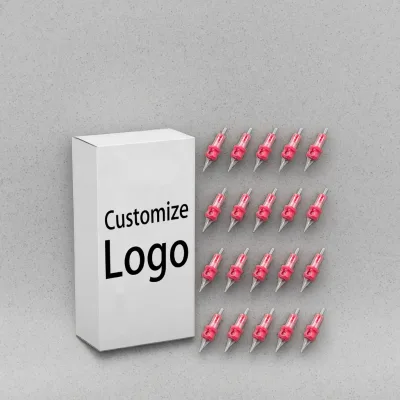
Customization is a major cost driver. The market data confirms that OEM (Original Equipment Manufacturer) and ODM (Original Design Manufacturer) services are acceptable. This means buyers can request specific branding, packaging designs, or even modifications to the needle configuration. However, such customizations typically incur higher unit costs and may require higher MOQs to be economically viable. The "Accept OEM" and "Accept ODM" attributes suggest that suppliers are willing to adapt their production lines, but buyers should anticipate a negotiation phase regarding the cost implications of these services. Additionally, the origin of the product, with suppliers located in Guangzhou, Guangdong, Wujiang, and Zhejiang, China, plays a role in logistics costs and lead times, which should be factored into the total landed cost calculation.
Typical Applications and Usage Scenarios
Tattoo Cartridge needles are designed for a versatile range of applications, extending beyond traditional tattooing into the broader beauty and cosmetic sectors. The primary usage categories identified include Body Art, Skin Care, and Cosmetic procedures. This versatility makes the product attractive to a diverse buyer base, including tattoo artists, permanent makeup specialists, and estheticians. The specific models, such as those with RL, RS, RM, and M configurations, cater to different artistic needs, from creating sharp, permanent lines to achieving soft, gradient shading effects.
The "Permanent" feature listed in the attributes underscores the intended outcome of using these needles. Unlike temporary body art, these cartridges are engineered to deposit ink deep into the dermis layer of the skin, ensuring long-lasting results. This permanence necessitates a higher level of precision and safety, reinforcing the need for high-quality materials and strict sterilization protocols. The inclusion of "Manicure & Pedicure Supplies" in the usage list indicates that some of these needles may be adapted for semi-permanent nail art or cuticle care procedures, although this is less common than their use in skin art.
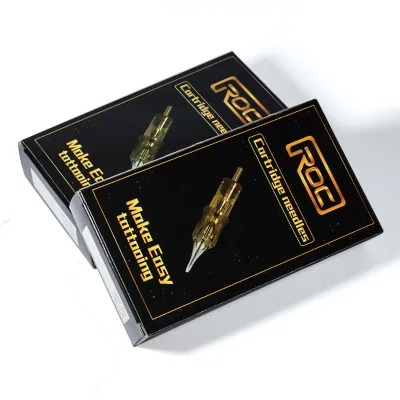
Buyers should also consider the packaging implications for different usage scenarios. The product is commonly packed in paper boxes, cartons, or plastic boxes, with quantities ranging from 1pc/set to 20pcs/box. For mobile tattoo artists or those working in varying environments, the durability of the packaging is essential. The "130box/CTN" specification suggests that bulk cartons are designed for efficient storage and transport, which is beneficial for large studios or distributors. Understanding the specific application helps in selecting the right model; for example, a permanent makeup artist might prioritize 0.15mm or 0.20mm needles for delicate work, while a traditional tattoo artist might opt for 0.35mm or 0.40mm needles for bold outlines.
Supplier Evaluation and Quality Control Protocols
Selecting a reliable supplier is paramount when sourcing Tattoo Cartridge needles, given the direct contact with human skin and the potential health risks involved. The market data indicates that suppliers are located in various regions of China, including Guangzhou, Guangdong, Wujiang, and Zhejiang. While these regions are known for manufacturing, buyers must conduct due diligence to ensure that the specific factory meets international quality standards. The presence of ISO/CE/MSDS certifications is a positive indicator, but it should be verified through official channels rather than relying solely on supplier claims.
Quality control should focus on several key areas: material consistency, sterilization efficacy, and packaging integrity. The use of stainless steel for the needles and aluminium for the housing is standard, but buyers should request material certificates to confirm the grade of steel used, as this affects flexibility and corrosion resistance. The sterilization process, specifically E.O. Gas, must be validated with batch-specific test results. Buyers should ask for a Certificate of Analysis (CoA) for each shipment to ensure that the sterilization parameters were met and that no harmful residues remain.
The packaging standards also serve as a proxy for overall quality. The observed packing formats, such as "20PCS/Box" or "1pc/set," should be consistent and robust enough to prevent damage during transit. Any deviation in packaging quality could indicate a lapse in the supplier's quality control processes. Furthermore, the "OEM/ODM" capability suggests that the supplier has the flexibility to meet specific buyer requirements, but this should not come at the expense of standard quality benchmarks. Buyers should establish a clear quality agreement that defines acceptable defect rates and outlines the procedure for handling non-conforming products.
Long-Term Procurement Considerations and Market Trends
Sourcing Tattoo Cartridge needles is not merely a transactional activity but a strategic decision that impacts the long-term success of a studio or distribution business. The market shows a clear trend toward customization and specialization, with suppliers offering a wide array of models and configurations. As the industry evolves, buyers should anticipate a continued demand for innovative needle designs that improve artist performance and client safety. The ability to source customized diameters and configurations will become increasingly important as artists seek to refine their techniques.
Supply chain resilience is another critical consideration. With suppliers located in specific regions of China, buyers should develop relationships with multiple vendors to mitigate the risk of supply disruptions. The observed MOQ range of 1 to 500 units offers flexibility, but buyers should plan their inventory levels carefully to balance storage costs with the need for immediate availability. The "Accept OEM" and "Accept ODM" attributes suggest that suppliers are open to long-term partnerships, which can lead to better pricing and priority production slots.
Finally, buyers must stay informed about evolving regulatory landscapes. As the body art industry becomes more regulated, the requirements for certifications and safety standards may tighten. Maintaining a proactive approach to compliance, by regularly updating supplier certifications and staying abreast of changes in ISO or CE standards, will ensure that the procurement strategy remains robust and compliant. The "Permanent" nature of the product means that the reputation of the buyer is directly tied to the quality of the needles they use, making thorough vetting and ongoing quality monitoring essential for long-term success.
Summary of Key Product Attributes
To facilitate quick reference, the following table summarizes the key attributes observed in the market data for Tattoo Cartridge needles. This overview highlights the variability in models, materials, and packaging that buyers should consider during the sourcing process.
| Attribute Category | Observed Values & Specifications |
|---|---|
| Product Type | Tattoo Needle Cartridge, Tattoo Cartridge Needles |
| Materials | Stainless Steel (Needles), Aluminium (Housing) |
| Diameter Range | 0.15mm, 0.20mm, 0.25mm, 0.30mm, 0.35mm, 0.40mm |
| Configurations | RL, RS, RM, M, RLT, HRL (Over 100 configurations) |
| Sterilization | 100% E.O. Gas Sterilized |
| Packaging | Paper Box, Box, Carton, 1pc/set, 10pcs, 20pcs, 50pcs |
| Certifications | ISO, CE, MSDS (Verify specific validity) |
| Customization | OEM/ODM Acceptable, Customized Diameters Available |
| Origin | Guangzhou, Guangdong; Wujiang; Zhejiang, China |
| Usage | Body Art, Cosmetic, Skin Care, Manicure & Pedicure |
By adhering to these guidelines and maintaining a rigorous approach to verification, buyers can secure high-quality Tattoo Cartridge needles that meet the demanding standards of the modern body art industry.
FAQs
What materials are used for Tattoo Cartridge needles?
The needles are primarily made of stainless steel while the cartridge housing is constructed from aluminium. This combination ensures durability and corrosion resistance for professional body art applications.
How are the tattoo needles sterilized before shipping?
All units undergo 100% Ethylene Oxide gas sterilization to ensure they are free from pathogens. This process is the industry standard for maintaining hygiene in cosmetic and body art procedures.
Which certifications do these tattoo cartridges typically hold?
Products often come with ISO, CE, and MSDS certifications to verify safety and compliance. Buyers should verify specific batch documentation to ensure the certificates cover the intended usage.
Can I request custom needle diameters for my brand?
Yes, OEM and ODM services are acceptable for customizing needle diameters and branding. Suppliers offer standard sizes ranging from 0.15mm to 0.40mm with options for customized specifications upon request.
What is the standard packaging quantity per box?
Standard packaging typically contains 20 pieces per box, though 10 or 50 piece variations exist. Bulk orders are often shipped in cartons containing 130 boxes for efficient transport and storage.
Where are the manufacturers of these cartridges located?
Manufacturers are located in regions such as Guangzhou, Guangdong, Wujiang, and Zhejiang in China. These locations are known for producing professional tattoo equipment with varying lead times and logistics capabilities.
What is the minimum order quantity for these needles?
The minimum order quantity ranges from 1 to 500 units depending on the supplier and model. Small studios can start with single units while larger distributors leverage bulk pricing for higher volumes.