Source Tatting Sleeveless Nightgown for Home Life, Sleepwear, and Fashion
Find 30 Tatting Sleeveless Nightgown options from Zhejiang, China, featuring cotton and polyester materials in sizes S to L. Buyers can compare styles, prices, and customization services for home life and sleepwear needs.
Key considerations
Products List
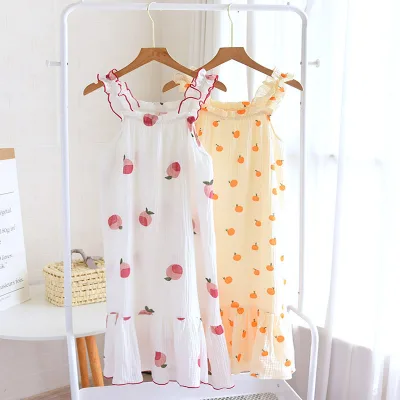
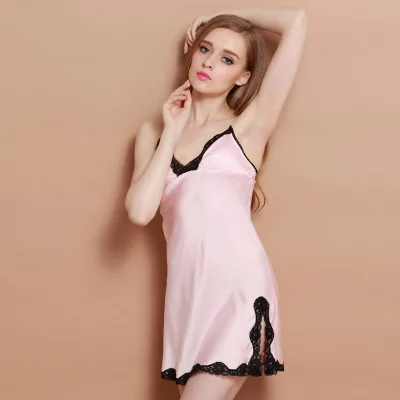
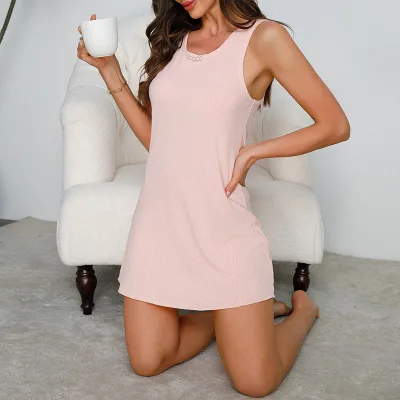
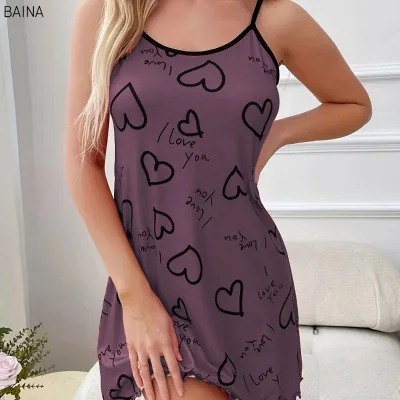
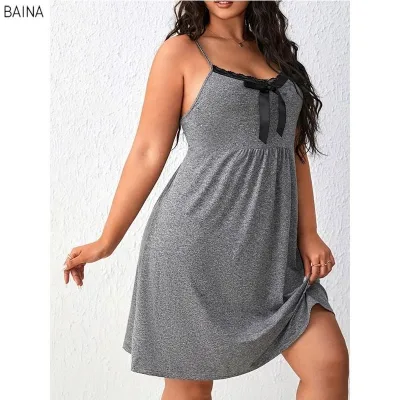
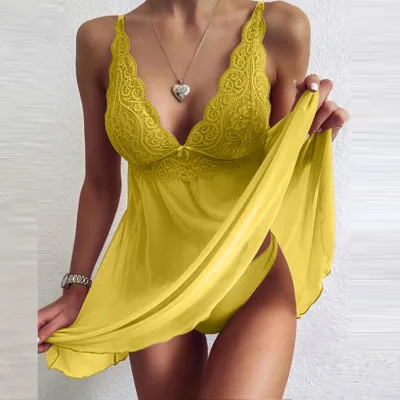
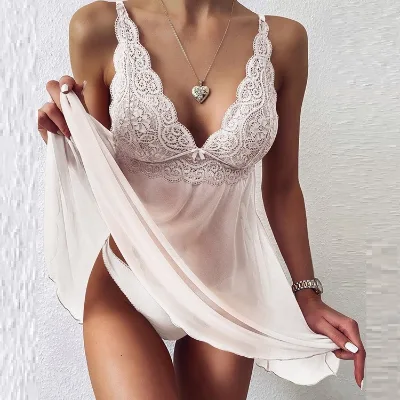


Ladies Cool Soft Viscose Nightdress Pajamas Sleeveless Loungewear Women's Nightgown
$6.99 - $8.99
MOQ: 100 Pieces


Comprehensive Sourcing Guide
Strategic Sourcing Guide for Tatting Sleeveless Nightgowns
Understanding Product Definitions and Technical Specifications
When sourcing a "Tatting Sleeveless Nightgown," buyers must first reconcile the specific terminology with the actual product attributes observed in the market. The term "tatting" typically refers to a lace-making technique involving knots and loops, yet the provided product data indicates a broader category of sleepwear that includes "Print" and "Digital Printing" techniques alongside "Solid" fabric types. The core keyword suggests a focus on delicate, decorative elements, but the observed inventory reveals a mix of styles ranging from "Fashion, Sexy" designs to "Home Life" essentials. The technical specifications for these garments are diverse. One observed model features a "Cotton" material with a "Woven" fabric type, while another is constructed from "100% Polyester" with a "Satin" fabric type. Both categories share the "Sleeveless" attribute, with specific "Sleeve Length" confirmed as "Sleeveless" in the data.
The neckline variations are equally critical for procurement decisions. The market data presents options such as "COLLARLESS" and "V-neck" styles. The "Rise Style" is noted as "High rise," which influences the fit and comfort profile of the garment. Length specifications vary, with one observed model listed as "Knee Length," suggesting a mid-thigh to knee coverage that is common for summer and transitional seasons. The "Number of Pieces" is consistently listed as "1" or "Combo," indicating that these are typically sold as single-unit items, often packaged in a "1pcs/polybag." The "Model Number" varies significantly, with examples like "28" and "TMSQK001," which buyers should use to track specific SKUs rather than relying solely on generic descriptions. The "Season" suitability is broadly defined as "Spring Autumn Summer," implying these garments are designed for warmer weather or indoor climate-controlled environments rather than winter.
Material Composition and Fabric Performance Analysis
The material composition is a primary driver of quality and cost in the nightgown sector. The supplied facts highlight two distinct material profiles: "Cotton" and "100% Polyester." Cotton-based options are described with features such as "Quick Dry," "Thermal," and "Breathable," making them suitable for "Home Life" usage. The "Fabric Type" for these items is "Woven," which generally offers a structured feel. In contrast, the polyester options are characterized as "100% Polyester" with a "Satin" fabric type. These are marketed with features like "silky" and "Breathable," targeting a "Sexy" aesthetic. The "Technic" for the cotton variant is listed as "Printed," while the polyester variant is described as "Solid."
Buyers must verify the actual fiber content against the marketing claims. While the data lists "100% Polyester" for specific models, it is essential to confirm whether this refers to the entire garment or specific trims. The "Print Method" for the cotton items is specified as "Digital Printing," which allows for complex patterns and "Print" designs. The "Color" options observed include "White," "Yellow," and "Pink," suggesting a palette that leans towards light, airy tones suitable for the "Spring Autumn Summer" seasons. The "Feature" set for the cotton nightgown includes "Quick Dry" and "Thermal," which may seem contradictory to the "Summer" season label, but likely refers to moisture management and temperature regulation in varying indoor conditions. The polyester satin option emphasizes a "silky" feel, which is a key differentiator for buyers seeking a luxurious texture.
Compliance, Certification, and Quality Verification Protocols
In the realm of sleepwear, compliance and certification are non-negotiable, yet the supplied data presents a nuanced picture. The "Low-confidence background" section lists "GOTS" (Global Organic Textile Standard) and "Oeko-Tex" as potential certifications, but explicitly states these should not be used for concrete claims without verification. This means that while a supplier may claim GOTS or Oeko-Tex status, the buyer must treat these as unverified assertions until physical documentation is provided. The "Product Care Instructions" for the polyester satin nightgown are listed as "Hand wash," which is a critical quality indicator. Hand-wash requirements often suggest a more delicate fabric construction that may not withstand industrial laundering, influencing the end-user experience and potential return rates.
Buyers should establish a verification protocol for the "OEM" (Original Equipment Manufacturer) capabilities. The data shows "Accpet" (Accept) and "Accepeted" (Accepted) statuses for OEM services, indicating that customization is a viable option. However, the "Supply Type" varies between "Oem Service" and "In-Stock Items." This distinction is vital for compliance; in-stock items may have pre-existing certifications that are easier to verify, whereas OEM orders require the supplier to source compliant materials specifically for the order. The "Design" attribute confirms that customization is "Accept Customzied," allowing buyers to specify fabric blends, print methods, and trims. However, any claim regarding "GOTS" or "Oeko-Tex" must be backed by valid certificates from the specific batch, as the presence of these standards in the background data does not guarantee their application to every listed product.
Cost Drivers and Pricing Structure Analysis
The pricing landscape for sleeveless nightgowns is influenced by material costs, production techniques, and order volume. The observed price range in USD is between 1.5 and 100, a significant spread that reflects the diversity in product quality and customization levels. The lower end of the spectrum likely corresponds to the "100% Polyester" satin options with "Digital Printing" or simple "Solid" designs, while the higher end may involve "Cotton" blends with complex "Print" patterns or custom "OEM" specifications. The "MOQ" (Minimum Order Quantity) ranges from 2 to 1000, indicating flexibility for both small-batch testing and large-scale production.
Several factors drive these costs. The "Technic" of "Digital Printing" generally incurs higher setup costs than traditional methods but offers greater design flexibility. The "Fabric Type" also plays a role; "Satin" polyester is often less expensive than high-quality "Woven" cotton, yet the "silky" finish may command a premium in the market. The "Packing" method, specified as "1pcs/polybag," is a standard low-cost approach, but buyers should verify if this meets their branding requirements or if custom packaging adds to the unit cost. The "Lead Time" for samples is another cost driver; one model supports a "7 days sample order lead time," while another does not. Faster sample turnaround often comes with a premium, but it accelerates the time-to-market for new designs. Buyers must balance the "Selling Units" (Single item) against the "MOQ" to optimize their inventory investment.
Supplier Evaluation and Operational Capabilities
Evaluating suppliers requires a deep dive into their operational consistency and geographic location. The "Place of Origin" is consistently identified as "Zhejiang, China," a major hub for textile manufacturing. This location offers access to a robust supply chain but requires buyers to conduct rigorous on-site or third-party audits. The "Supply Type" varies, with some suppliers offering "Oem Service" and others focusing on "In-Stock Items." This distinction affects the buyer's ability to control quality and design. Suppliers offering "Oem Service" are better suited for brands seeking unique designs, while "In-Stock" suppliers are ideal for immediate replenishment.
The "Brand Name" "Tingmei" appears in the data, serving as a reference point for one specific product line. However, buyers should not limit their search to this brand. The "Design" capability is highlighted as "Accept Customzied," suggesting that suppliers are willing to adapt to buyer specifications. The "Gender" is listed as "Women," and the "Age Group" as "Adults," ensuring the products are targeted correctly. The "Usage" is split between "Home Life" and "sleepwear," which may require different marketing strategies depending on the target market. Buyers should verify the "Number of Pieces" consistency, as some listings show "Combo" while others show "1," which could indicate bundling strategies or inventory discrepancies.
Quality Control and Long-Term Procurement Strategies
Maintaining quality in the nightgown sector requires a focus on fabric integrity, print durability, and stitching consistency. The "Feature" set, including "Quick Dry," "Thermal," and "Breathable," must be validated through actual testing rather than relying on supplier claims. For the "Cotton" variants, the "Woven" fabric type should be inspected for pilling and shrinkage. For the "Polyester" satin options, the "silky" feel must be verified to ensure it does not degrade after washing, especially given the "Hand wash" instruction. The "Print Method" of "Digital Printing" should be checked for color fastness and cracking after multiple wash cycles.
Long-term procurement strategies should focus on building relationships with suppliers who can maintain consistency across batches. The "Model Number" variations, such as "28" and "TMSQK001," indicate that suppliers may have multiple production lines or styles. Buyers should establish a standard for "Size" consistency, as the data lists "M,L" for one model and "S,M,L" for another. This variation can lead to sizing issues if not managed carefully. The "Season" alignment is also crucial; since the products are designed for "Spring Autumn Summer," buyers should plan their inventory cycles to avoid overstocking during winter months. The "Lead Time" for sample orders, with one supporting "7 days" and another not, should be factored into the production timeline.
| Attribute | Observation A (Cotton) | Observation B (Polyester) | Procurement Implication |
|---|---|---|---|
| Material | Cotton | 100% Polyester | Verify fiber content for compliance. |
| Fabric Type | Woven | Satin | Check for pilling (Cotton) vs. sheen loss (Poly). |
| Technic | Printed | Solid | Digital printing requires color fastness testing. |
| Neckline | COLLARLESS | V-neck | Ensure pattern alignment at the neckline. |
| Care | Not specified | Hand wash | Hand wash adds to end-user effort/cost. |
| Season | Spring Autumn Summer | Summer Spring Autumn | Align inventory with seasonal demand. |
| MOQ | 2-1000 (General) | 2-1000 (General) | Negotiate based on volume tiers. |
Final Procurement Considerations and Risk Mitigation
The final stage of procurement involves synthesizing all technical, financial, and operational data into a coherent strategy. The "Feature" claims of "Quick Dry" and "Thermal" must be treated as observations rather than guaranteed performance metrics. Buyers should request sample testing reports to validate these claims, especially given the "Low-confidence" status of certifications like "GOTS" and "Oeko-Tex." The "Design" flexibility allows for customization, but the "OEM" acceptance must be confirmed with clear specifications to avoid miscommunication.
Risk mitigation strategies should include a robust quality control plan that covers fabric inspection, print verification, and packaging checks. The "Packing" method of "1pcs/polybag" is standard, but buyers should ensure it meets their sustainability goals or branding requirements. The "Lead Time" for samples is a critical factor; a "7 days" lead time is advantageous for rapid prototyping, while a "Not Support" status may delay the project. Buyers should also consider the "Usage" context; "Home Life" and "sleepwear" may require different durability standards. Finally, the "Place of Origin" in Zhejiang, China, offers a competitive advantage in cost and speed, but buyers must remain vigilant about supply chain disruptions and ensure that all "Supply Type" claims are backed by reliable logistics partners. By adhering to these evidence-based guidelines, buyers can navigate the complex landscape of sleeveless nightgown sourcing with confidence and precision.
FAQs
What materials are used for tatting sleeveless nightgowns?
The products are primarily made from Cotton or 100% Polyester. Cotton options feature a woven fabric type with quick dry and thermal properties, while polyester variants offer a satin finish with a silky feel.
Can I customize the design of these nightgowns?
Yes, suppliers accept customized designs and offer OEM services. Buyers can specify details like print methods, fabric types, and colors such as white, yellow, or pink for their specific orders.
How long does it take to get a sample order?
Some suppliers support a seven-day sample order lead time, while others do not support this service. Buyers should verify the specific lead time capability before placing a sample request.
Which sizes are available for these sleeveless nightgowns?
Available sizes include M, L, and S depending on the specific model number. Some listings specify M and L, while others offer a broader range including S, M, and L for adult women.
What is the minimum order quantity for these items?
The minimum order quantity ranges from 2 to 1000 pieces based on the supplier and product type. Buyers can find options suitable for small batch testing or larger production runs within this range.
Where are these nightgowns manufactured?
All listed products originate from Zhejiang, China. This region is a known hub for textile manufacturing, offering access to a robust supply chain for both cotton and polyester sleepwear items.
How should I care for the polyester satin nightgown?
The polyester satin nightgown requires hand washing to maintain its quality and silky texture. Buyers should follow these care instructions to prevent damage to the delicate fabric during cleaning.