Find Tattoo Lamp for Body Art, Shops, and Studios
Source 22 Tattoo Lamp listings with varying MOQs, delivery times, and materials. Buyers can compare specifications like size, power, and features to find suitable lighting equipment for tattoo body art applications.
Key considerations
Products List
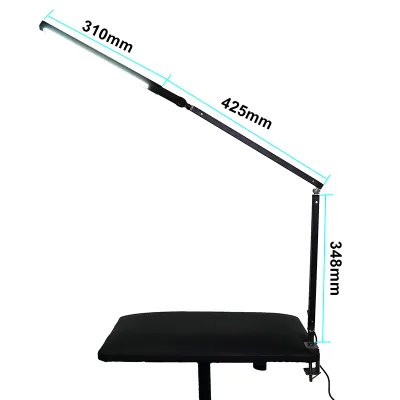
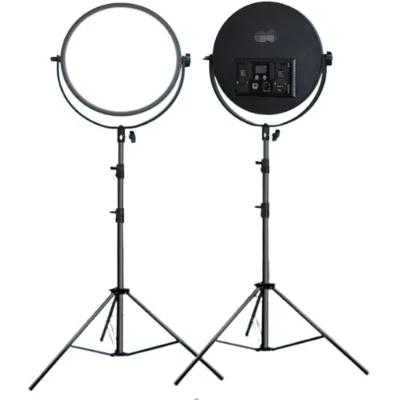
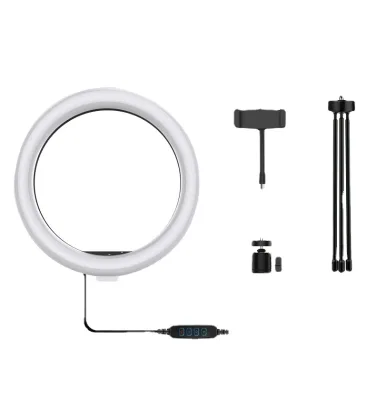
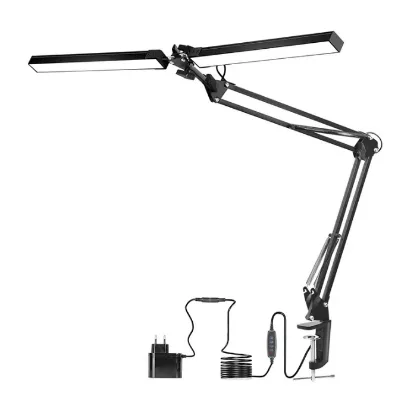



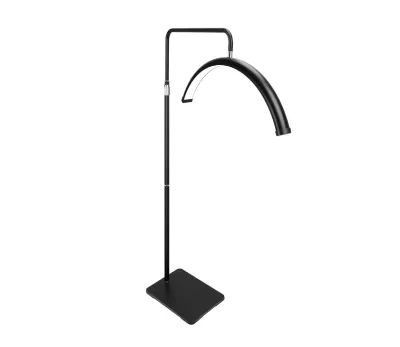
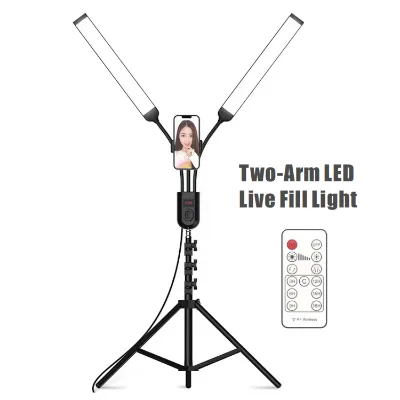
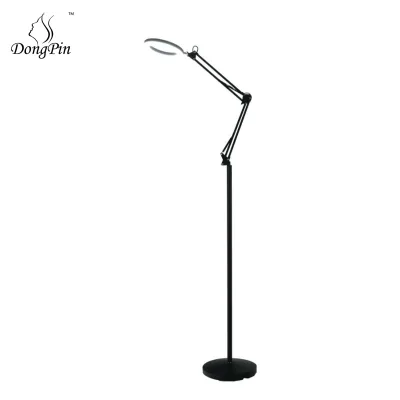
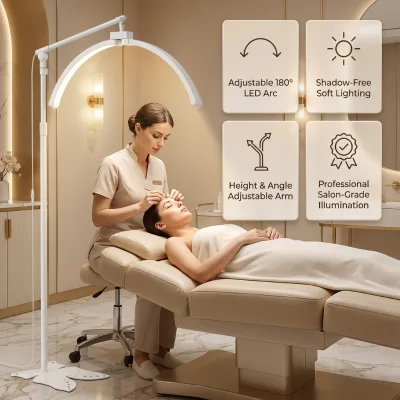
Comprehensive Sourcing Guide
Strategic Sourcing Guide for Tattoo LED Lighting Equipment
The global tattoo industry relies heavily on specialized lighting solutions to ensure precision, hygiene, and artist comfort during extended procedures. For procurement professionals and studio owners, sourcing tattoo lamps requires a nuanced understanding of technical specifications, supply chain logistics, and quality assurance protocols. The market offers a diverse array of products ranging from compact, portable units to heavy-duty, adjustable fixtures. This guide provides a structured approach to evaluating tattoo LED lamps based on verified product attributes and industry standards, ensuring that buyers make informed decisions without relying on unverified marketing claims.
Technical Specifications and Functional Requirements
When evaluating tattoo lamps, the primary focus must be on the physical dimensions, power consumption, and functional capabilities that directly impact the artist's workflow. The observed market data indicates significant variation in product sizes and packaging. For instance, specific models are listed with dimensions of 40030010mm, while others are described simply as 36 cm in size. These discrepancies highlight the necessity for buyers to verify the actual working dimensions against their studio's spatial constraints. The single package size also varies widely, ranging from 20X20X8 cm to 40X30X20 cm, which directly influences shipping costs and storage requirements.
Power consumption is another critical technical parameter. Verified data points to a 10W power rating for certain models, suggesting energy efficiency is a common design goal. However, buyers must confirm the wattage for each specific unit, as this affects heat generation and electricity costs over time. The material composition is equally important; observed listings cite both metal and plastic constructions. Metal bodies typically offer better heat dissipation and durability, whereas plastic components may reduce weight but could be less robust in high-traffic environments.
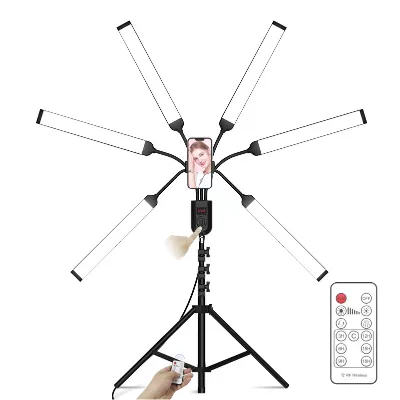
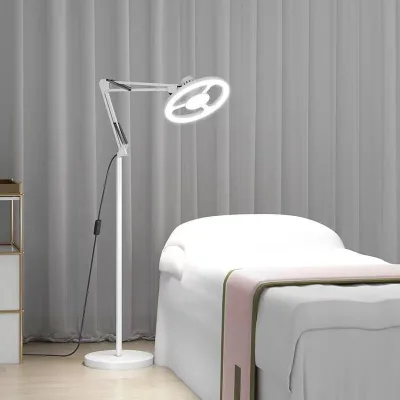
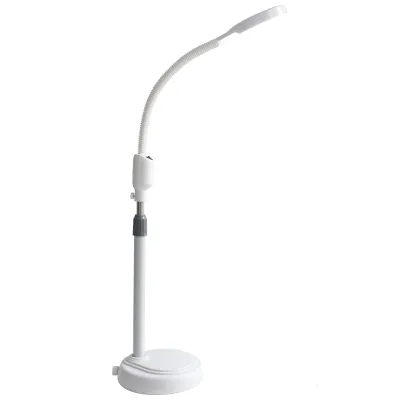
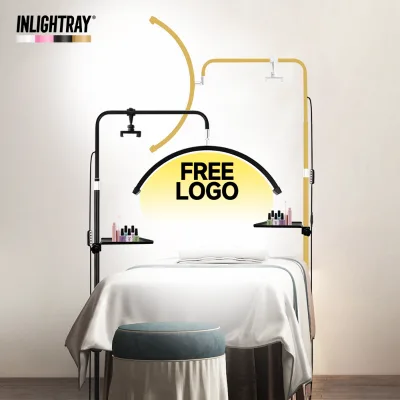
Functionality is often the deciding factor in procurement. The market features lamps described as "Convenient," "Adjustable," "Foldable," and "Movable." These attributes suggest that flexibility in positioning is a standard expectation for tattoo lighting. Adjustable features allow artists to direct light precisely onto the work area, minimizing shadows and eye strain. Foldable designs are particularly valuable for mobile tattoo artists who require equipment that can be easily transported and stored. Buyers should prioritize units that offer a balance of stability and adjustability, ensuring the light source remains fixed during intricate procedures while allowing for quick repositioning when necessary.
Compliance, Certification, and Safety Standards
In the B2B procurement of lighting equipment, compliance with safety standards is non-negotiable, particularly for devices used in close proximity to human skin. While the provided product data does not list specific certification numbers, it is imperative for buyers to verify that all LED lamps meet international electrical safety standards such as IEC 60598 or local equivalents like UL (Underwriters Laboratories) and CE (Conformité Européenne). Tattoo lamps operate in environments where water and cleaning chemicals are present, making electrical insulation and waterproofing critical.
Buyers must request documentation proving that the electrical components, including the LED drivers and wiring, are rated for the intended operating environment. The absence of explicit certification data in product listings should not be interpreted as a lack of compliance, but rather as a signal to demand proof of testing. Suppliers should be able to provide test reports confirming that the lamps do not emit harmful UV radiation or excessive heat that could damage the skin or degrade tattoo ink. Additionally, the materials used in the construction should be non-toxic and easy to sanitize, adhering to hygiene protocols essential for tattoo studios.
Cost Drivers and Pricing Structures
The pricing landscape for tattoo lamps is influenced by several factors, including material quality, feature complexity, and packaging efficiency. The observed price range in the market spans from $5.40 to $3,000 USD, a vast disparity that reflects differences in product tiers. Lower-priced units often correspond to basic models with minimal adjustability and simpler packaging, while higher-priced items likely include advanced features such as superior light distribution, durable metal housings, or integrated battery systems.
Minimum Order Quantity (MOQ) is a significant cost driver in B2B transactions. The data shows MOQs ranging from 1 set to 100 pieces, with specific instances of 2 pieces, 5 sets, and 5 pieces. For small studios or individual practitioners, suppliers with low MOQs are essential to minimize upfront capital expenditure. Conversely, bulk buyers may negotiate better unit prices by ordering larger quantities, provided the supplier can accommodate the volume. Packaging efficiency also impacts the final cost; for example, a carton containing 30 pieces will have a different shipping cost per unit compared to a carton with only 5 pieces. Buyers should calculate the total landed cost, including shipping and duties, rather than focusing solely on the unit price.
Typical Applications and Operational Context
Tattoo lamps are designed for specific applications within the tattooing ecosystem, primarily serving tattoo body art and tattoo shop environments. The versatility of these devices allows them to be used for various tasks, including eyebrow cream application and general tattoo accessories. The "Tattoo Body Art" application suggests that the lighting must provide high color rendering to ensure accurate ink placement and shading. Artists require lighting that reveals true colors without distortion, which is crucial for achieving the desired aesthetic results.
The operational context often involves long working hours, where the durability and heat management of the lamp are tested. Lamps with features like "Movable" and "Foldable" designs are particularly suited for mobile tattoo artists who travel to different locations. These artists need equipment that can be quickly set up and packed away without compromising performance. In fixed studio settings, the focus shifts to stability and long-term reliability. The "High Quality" designation found in product attributes indicates that buyers should expect a certain baseline of performance, but they must verify this through independent reviews or trial periods.
Supplier Evaluation and Logistics Management
Selecting a reliable supplier is as important as selecting the product itself. The supply chain for tattoo lamps involves multiple logistical considerations, including origin, delivery time, and shipping methods. The observed data indicates that products originate from Zhejiang, China, a major manufacturing hub for lighting and tattoo equipment. This location offers a competitive advantage in terms of production capacity and cost, but it also necessitates careful management of international shipping.
Delivery times vary significantly, with observed ranges from 5-7 working days to 15-20 days. These variations often depend on the shipping method selected, such as TNT, DHL, FedEx, UPS, or EMS. Buyers should align their ordering schedule with these lead times to avoid delays in studio setup or restocking. Payment terms are another critical factor, with options including PayPal, Western Union, and Trade Assurance. Trade Assurance is particularly recommended for B2B transactions as it offers protection against non-delivery or quality issues.
When evaluating suppliers, buyers should assess their ability to provide OEM/ODM services, as indicated in the product data. This capability allows for customization of branding and design, which is valuable for businesses looking to create a unique identity. Additionally, the supplier's responsiveness to inquiries and their willingness to provide detailed product specifications are strong indicators of reliability. A supplier that can clearly communicate lead times, packaging details, and payment terms is more likely to deliver a smooth procurement experience.
Quality Control and Long-Term Procurement Considerations
Ensuring consistent quality is paramount for tattoo equipment, as failures during a procedure can disrupt workflow and compromise client safety. Quality control measures should include visual inspections for defects, functional testing of adjustable mechanisms, and verification of electrical safety. The observed single gross weights, ranging from 0.0 kg to 15.0 kg, suggest that some products may have inconsistent weight specifications, which could indicate variations in material density or packaging. Buyers should request samples to verify the actual weight and build quality before placing large orders.
Long-term procurement considerations involve the lifecycle of the product and the availability of replacement parts. LED lamps are generally durable, but components like bulbs or drivers may eventually need replacement. Suppliers that offer warranty support and spare parts availability are preferable. The "High Quality" attribute observed in listings should be validated through performance testing over time. Buyers should also consider the environmental impact of the products, looking for energy-efficient models that reduce electricity consumption and waste.
In conclusion, sourcing tattoo lamps requires a comprehensive approach that balances technical specifications, compliance, cost, and logistics. By carefully evaluating the factors outlined in this guide, buyers can identify suppliers and products that meet their specific operational needs while maintaining high standards of safety and quality. The diversity of the market offers numerous options, but success lies in rigorous due diligence and a clear understanding of the unique requirements of the tattoo industry.
FAQs
What are the typical delivery times for tattoo lamps?
Delivery times typically range from 5 to 20 working days depending on the specific model and shipping method selected. Some listings indicate a fast turnaround of 5 to 7 working days, while others require 15 to 20 days for processing and shipment from the origin.
Which shipping carriers are available for Tattoo Lamp orders?
Orders can be shipped via major international carriers including TNT, DHL, FedEx, UPS, and EMS. These options provide reliable logistics for transporting the equipment from the manufacturing hub in Zhejiang, China, to the buyer's location.
What is the minimum order quantity for tattoo LED lamps?
Minimum order quantities vary significantly by product, ranging from 1 set to 100 pieces depending on the supplier. Specific models may require as few as 2 pieces or 5 sets, allowing flexibility for both small studios and bulk buyers.
How much do tattoo lamps typically weigh per package?
Single package weights vary widely, observed from 0.0 kg to 15.0 kg depending on the model and packaging density. Some compact units weigh around 1.5 kg, while larger industrial fixtures may reach up to 15 kg in gross weight.
Can I find tattoo lamps with adjustable features?
Yes, many available models feature adjustable, foldable, and movable designs to suit different studio setups. These functional attributes allow artists to direct light precisely and adapt the equipment for mobile tattoo work or fixed station requirements.
What payment methods are accepted for Tattoo Lamp purchases?
Accepted payment terms include PayPal, Western Union, and Trade Assurance. These options provide secure transaction methods for international buyers, with Trade Assurance offering additional protection against delivery or quality issues.
Are OEM and ODM services available for tattoo lamps?
Yes, suppliers offer available OEM and ODM services to customize branding and design for specific business needs. This capability allows buyers to create unique product identities while sourcing from manufacturers in Zhejiang, China.