Source Tattoo Cartridge Needle for Cosmetic, Body Art, Skin Care
Find 30 verified Tattoo Cartridge Needle options from Chinese manufacturers. Compare specifications like pin counts, materials, and sterilization methods to select the right disposable needles for cosmetic, body art, and skin care applications.
Key considerations
Products List




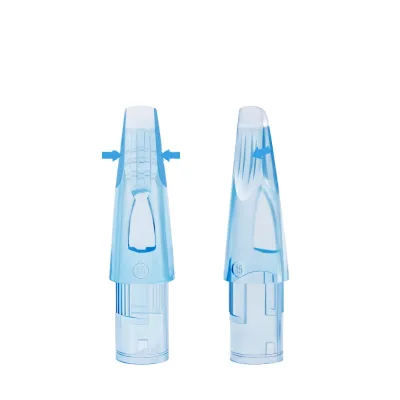
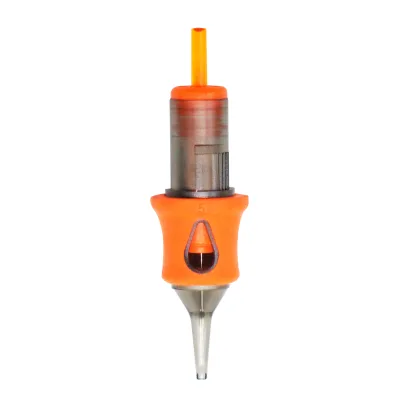

Comprehensive Sourcing Guide
Strategic Sourcing Guide for Tattoo Cartridge Needles
The global market for professional tattoo equipment has evolved significantly, with the Tattoo Cartridge Needle emerging as a critical component for modern artists and studios. These disposable units combine the precision of traditional needles with the hygiene and convenience of a pre-assembled cartridge system. For procurement professionals and studio owners, sourcing these items requires a nuanced understanding of material composition, sterilization protocols, and regulatory compliance. This guide synthesizes available product data to provide a framework for evaluating suppliers and selecting the right equipment for professional body art applications.
Technical Specifications and Material Composition
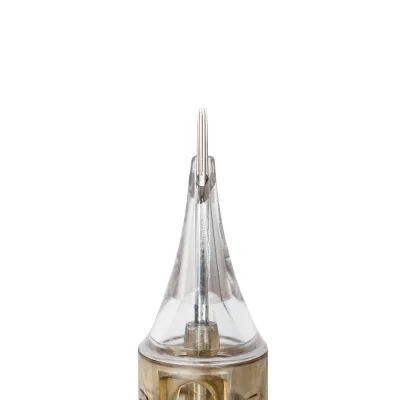
The foundation of a reliable Tattoo Cartridge Needle lies in its physical construction and material integrity. Based on observed product attributes, the primary material for the needle assembly is stainless steel, which offers the necessary rigidity and corrosion resistance required for skin penetration. However, the cartridge housing itself may vary; some units are constructed from aluminium, while others utilize plastic components to ensure lightweight handling and cost efficiency. Buyers must verify the specific material composition of the needle bundle versus the cartridge body, as this impacts the overall durability and the artist's tactile experience.
A critical technical differentiator is the configuration of the needle points. The market offers a wide array of pin counts, ranging from single needles to complex multi-pin configurations. Observed specifications indicate availability in sizes such as 1, 3, 5, 7, 9, 11, 13, 15, 17, 19, 21, 23, 25, and 27 pins. This variety allows artists to select the appropriate density for shading, lining, or coloring. Furthermore, the taper of the needle is a vital specification. Products are available with medium, short, or long tapers, each influencing how deeply the needle penetrates the dermis and how the ink is deposited. The diameter of the needles also varies, with common specifications including 8# (0.25mm), 10# (0.30mm), and 12# (0.35mm).
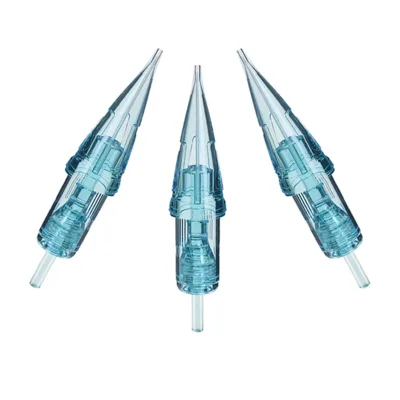
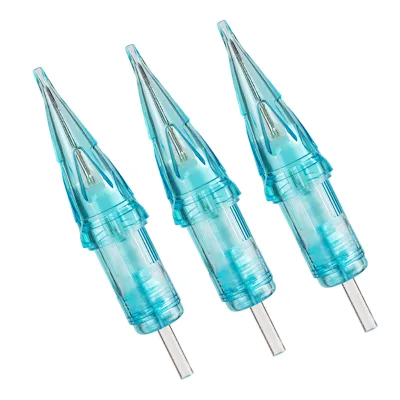
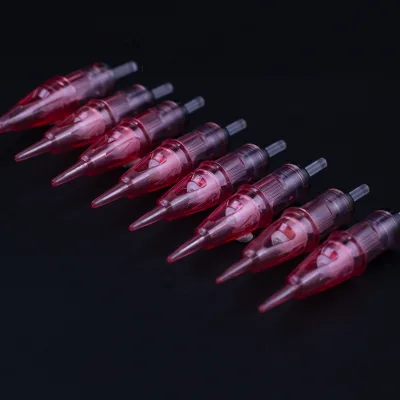
The cartridge design often includes a protective membrane, a feature designed to maintain sterility until the moment of use. This membrane acts as a barrier against contaminants, ensuring that the needle bundle remains pristine. Additionally, the packaging standard typically involves individual boxes containing a specific quantity, such as 20 pieces per box, which are then consolidated into larger cartons for shipping. Some suppliers offer specific model numbers like SP3, SP4, or alphanumeric codes such as 1001RLLT and 1201RLLT, which denote specific configurations of pin count and taper.
Compliance and Sterilization Protocols
In the realm of body art, hygiene is non-negotiable. The primary product attribute observed is that these tattoo cartridge needles are 100% E.O. (Ethylene Oxide) gas sterilized. This method is the industry standard for medical and cosmetic devices, effectively eliminating bacteria, viruses, and spores without damaging the delicate needle tips. It is essential for buyers to confirm that the sterilization process is documented and that the packaging remains intact to guarantee the "100% sterilized" claim. Some product listings explicitly state that the items are "100% E.O. gas sterilized and individually packaged," which adds a layer of security against cross-contamination during storage and transport.
Regarding regulatory compliance, the presence of a CE Certificate is a significant indicator of adherence to European health, safety, and environmental protection standards. While ISO 13485 is often cited in the broader medical device context, the specific product data provided highlights the CE Certificate as a confirmed attribute. Buyers should request valid certification documents from potential suppliers to verify that the manufacturing facility operates under a quality management system that aligns with these standards. The absence of a valid certificate should be treated as a red flag, regardless of the supplier's claims regarding their factory capabilities.
Cost Drivers and Pricing Structures
The pricing for tattoo cartridge needles is influenced by several factors, including material costs, sterilization methods, and order volume. The observed price range in the market spans from $0.28 to $35 per unit. This wide disparity suggests that price is not solely a function of the needle itself but is heavily dependent on the packaging format, the brand reputation, and the quantity ordered. Lower-priced items often correspond to bulk purchases or standard configurations, while higher prices may reflect specialized models, premium packaging, or branded products like those associated with the "Roc" brand name.
Minimum Order Quantity (MOQ) is another critical cost driver. The observed MOQ range varies significantly from 1 unit to 2,000 units. Some suppliers offer a low barrier to entry with an MOQ of just 1 box, while others may require a minimum of 10 boxes or higher. For small studios or individual artists, finding a supplier with a flexible MOQ is crucial to manage cash flow and inventory risk. Conversely, large distributors or chains may leverage high-volume orders to negotiate better unit prices. Buyers should also consider the "Factory Wholesale" status of a supplier, as this often indicates a direct relationship with the manufacturer, potentially reducing intermediary markups.
Typical Applications and Usage Scenarios
Tattoo cartridge needles are designed primarily for cosmetic and body art applications. The versatility of these products allows them to be used for a wide range of artistic techniques. The observed usage categories include general body art, cosmetic procedures, and hair care applications. This broad applicability means that a single supplier can cater to diverse client needs, from traditional tattooing to permanent makeup and scalp micropigmentation.
The specific application often dictates the choice of needle configuration. For instance, a single needle (1RL) or a small round liner configuration might be preferred for fine line work and detailed outlines. In contrast, larger pin counts like 11RL, 13RL, or 15RL are better suited for shading and filling larger areas of skin. The availability of specific models such as 1014RL, 1007RL, and 1009RL indicates that suppliers stock a comprehensive range of configurations to meet these varied artistic requirements. The "Disposable" attribute is paramount here; unlike reusable needle bars, cartridge needles are designed for single-use to prevent cross-infection, making them the standard for professional hygiene in modern studios.
Supplier Evaluation and Manufacturing Capabilities
When evaluating potential suppliers, buyers must look beyond the product listing and assess the manufacturing capabilities and business practices. A key attribute observed is the availability of OEM (Original Equipment Manufacturer) and ODM (Original Design Manufacturer) services. This indicates that the supplier can customize the product, including branding, packaging, and potentially needle specifications, to meet the specific needs of a buyer. This flexibility is particularly valuable for brands looking to launch their own line of tattoo equipment.
The location of the manufacturing facility is another important factor. The supplied data points to China as the primary place of origin, with specific mentions of Beijing. While this provides a baseline for logistics, buyers should verify the specific factory location to understand shipping lead times and potential import duties. The shipping methods available, including Express, Air, and Sea, offer flexibility in managing delivery schedules. For urgent restocking needs, express shipping may be necessary, while bulk inventory replenishment can be handled via sea freight to reduce costs.
Additionally, the sample policy is a practical tool for supplier evaluation. Some suppliers offer free samples, typically 2-3 boxes, allowing buyers to physically inspect the quality of the needles, the integrity of the membrane, and the sterility packaging before committing to a large order. This "Sample" attribute is a strong indicator of a supplier's confidence in their product quality and their willingness to engage in a transparent procurement process.
Quality Control and Long-Term Procurement Considerations
Ensuring consistent quality is the primary challenge in long-term procurement. The standard packaging configuration, such as 20 pieces per box and 50 boxes per carton, must be maintained consistently to prevent damage during transit. Buyers should verify that the "Single package size" (e.g., 18x12x4 cm) is standardized, as this affects storage efficiency and shipping costs. The "Set" attribute, which can be either "Set" or "Not set," suggests that some suppliers offer bundled configurations, while others sell individual units. Understanding this distinction is vital for inventory management.
For long-term partnerships, the supplier's ability to maintain the "100% E.O. gas sterilized" standard is paramount. Any deviation in this process could lead to health risks and legal liabilities. Buyers should also consider the "vibrating frequency" attribute, which is listed as customizable. While this may seem niche, it indicates a level of technical sophistication in the manufacturing process that could be relevant for specific types of tattoo machines or devices.
Finally, the procurement strategy should account for the variability in product models. With a wide range of model numbers like L1001RL, 0.30/1RLLT, and 0803RLLT, buyers must ensure that their ordering system can accurately track these variations to avoid stockouts of critical configurations. The "Factory Wholesale" status suggests that direct sourcing is possible, but buyers must balance this with the need for reliable after-sales support and consistent quality assurance. By focusing on these technical and operational details, buyers can build a robust supply chain that supports the high standards required in the professional tattoo and body art industry.
| Feature Category | Observed Specification | Procurement Consideration |
|---|---|---|
| Material | Stainless Steel, Aluminium | Verify needle vs. housing material for durability. |
| Sterilization | 100% E.O. Gas Sterilized | Demand proof of sterilization and intact packaging. |
| Certification | CE Certificate | Request valid documentation for regulatory compliance. |
| Packaging | 20pcs/box, 50 boxes/carton | Check for damage resistance and storage efficiency. |
| Customization | OEM & ODM Available | Assess capability for branding and spec changes. |
| Sample Policy | 2-3 Boxes for Free | Utilize samples to verify physical quality before bulk order. |
| Origin | China (Beijing) | Factor in lead times and import regulations. |
| Usage | Cosmetic, Body Art, Hair Care | Ensure model range matches specific service offerings. |
In conclusion, sourcing tattoo cartridge needles requires a meticulous approach that balances technical specifications with regulatory compliance and supplier reliability. By leveraging the observed data points regarding material, sterilization, and customization options, buyers can make informed decisions that ensure the safety and satisfaction of their clients while maintaining a sustainable and efficient procurement operation.
FAQs
What material is used for tattoo cartridge needles?
The needle assembly is primarily made of stainless steel for rigidity and corrosion resistance. Some cartridge housings may also be constructed from aluminum to ensure lightweight handling and cost efficiency for the artist.
How are these needles sterilized before use?
The products are 100% E.O. gas sterilized to eliminate bacteria and viruses without damaging the needle tips. This process ensures the items remain sterile until the protective membrane is broken during application.
Which certifications do these tattoo needles hold?
The products carry a CE Certificate indicating adherence to European health and safety standards. Buyers should verify valid documentation to ensure the manufacturing facility operates under a compliant quality management system.
Can suppliers offer customization for branding and specs?
Yes, OEM and ODM services are available for customization of branding and packaging. Suppliers can also adjust specifications like pin count and taper to meet specific client requirements for their own product lines.
What is the typical minimum order quantity for these needles?
The minimum order quantity ranges from 1 to 2000 units depending on the supplier. Some vendors require a minimum of 10 boxes, while others offer flexible entry points for small studios or individual artists.
Where are these tattoo cartridge needles manufactured?
The primary place of origin is China, with specific mentions of Beijing as a manufacturing hub. Buyers should factor in lead times and import regulations when sourcing from these specific locations for their inventory.
What pin configurations are available for these needles?
Available sizes range from single needles to complex multi-pin configurations up to 27 pins. This variety allows artists to select the appropriate density for shading, lining, or coloring specific body art techniques.