Source Telescoping Marine Drop Ladder for Yacht, Boat, Pool
Compare 30 listings for the Telescoping Marine Drop Ladder designed for yacht, boat, and swimming pool applications. These professional equipment options feature marine grade stainless steel, various step counts, and customizable surface treatments to meet specific marine hardware needs.
Key considerations
Products List


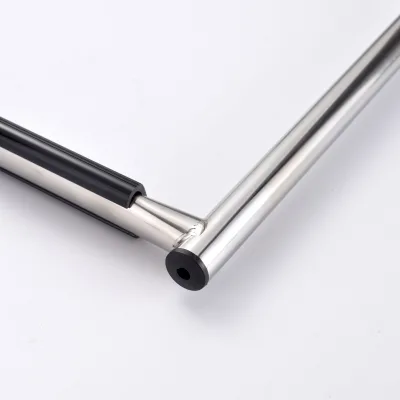
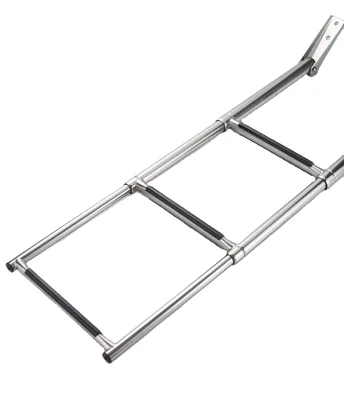


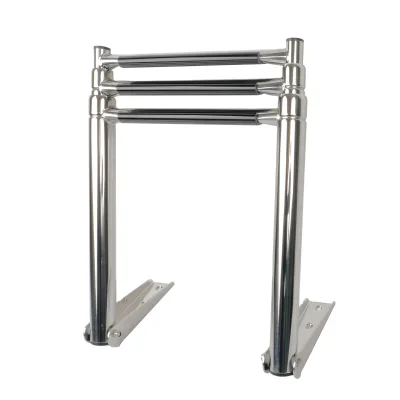
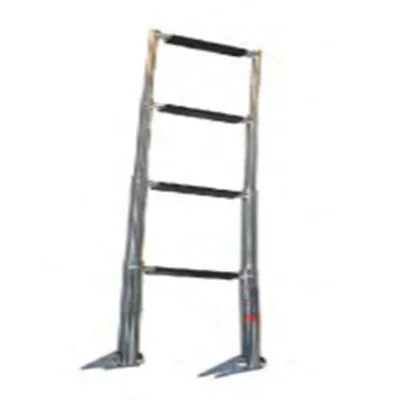


Factory Directly Export Staineless Steel Telescoping Marine Boat Transom Ladder
$25.00 - $39.00
MOQ: 50 Pieces


2 Step Boat Ladder 304 Stainless Steel Telescoping Extendable Ladder for Marine Boat
$25.00 - $39.00
MOQ: 50 Pieces
Comprehensive Sourcing Guide
Strategic Sourcing Guide for Telescoping Marine Drop Ladders
Understanding Technical Specifications and Core Attributes
When sourcing a Telescoping Marine Drop Ladder, the primary objective is to identify equipment that balances structural integrity with the specific operational requirements of the vessel. Based on available market data, these units are frequently categorized under professional equipment designed for aquatic environments, specifically for yachts and boats. The core mechanical design often involves a telescoping mechanism that allows the ladder to be stowed compactly when not in use and extended for safe access to the water.
A critical observation in the current market is the variation in step counts. Buyers should verify that the supplier can accommodate specific step requirements, as observed ranges indicate options from 4 steps up to 52 steps, with customization available for intermediate counts. The physical dimensions and extension length are equally vital; specifications in the market often reference standard lengths ranging from 6 meters to 30 meters, though these figures must be validated against the specific vessel's freeboard and usage scenario.
Material selection is the cornerstone of durability in a marine setting. The predominant material observed for high-performance units is marine-grade stainless steel, which offers superior resistance to corrosion compared to standard steel. However, standard steel options with specific surface treatments are also present. The surface finish plays a significant role in both safety and longevity. High mirror polishing is a common specification for aesthetic and functional reasons, reducing drag and preventing debris accumulation. Alternatively, galvanized treatments are utilized to enhance corrosion resistance, particularly in environments where stainless steel might be cost-prohibitive or where specific coating requirements exist. The surface treatment process, whether polished or galvanized, must be consistent with the intended use environment, which ranges from marine environments to swimming pools and general outdoor applications.
Compliance, Certification, and Standard Verification
Navigating the compliance landscape for marine hardware requires a rigorous verification process. Unlike consumer goods, marine equipment often adheres to a complex web of international and regional standards. Buyers must demand documentation that aligns with the specific regulatory framework of the vessel's flag state and the waters in which it operates.
The market data indicates a presence of certifications such as CE, ISO 9001, SGS, and GL/EC. These certifications suggest that the manufacturer adheres to specific quality management systems and safety protocols. However, the presence of a certificate on a product listing does not guarantee that every unit in a specific batch meets the standard without independent verification. Buyers should explicitly request the validity of these certificates and ensure they cover the specific model being procured.
Regarding technical standards, the observed data references a broad spectrum including ISO, JIS, ANSI, DIN, GB, and ASTM. This variety highlights the importance of matching the product standard to the operational jurisdiction. For instance, a vessel operating in European waters may require compliance with specific EN standards, while North American vessels might prioritize ANSI or ASTM compliance. The standard "marine hardware" is a general classification, but specific models may also adhere to customized standards if the application is unique.
Buyers should not assume that a product labeled with a standard like EN131 or ISO automatically satisfies all local maritime safety regulations. Instead, the procurement process must include a step where the supplier provides the specific test reports or certification documents that prove the ladder's compliance with the relevant standard for the intended application. The absence of a specific standard in the product description should trigger a direct inquiry to the supplier regarding their testing protocols and the specific standards their product meets.
Cost Drivers and Pricing Structure Analysis
The pricing of telescoping marine drop ladders is influenced by a confluence of factors, including material composition, surface treatment complexity, customization level, and order volume. The observed price range in the market spans from approximately $1 to $3,100, reflecting the vast difference between basic, small-scale units and large, custom-engineered professional equipment.
Material cost is a primary driver. Units constructed from marine-grade stainless steel typically command a higher price point than those made from standard steel with galvanized or polished finishes. The cost of the raw material, combined with the labor-intensive processes of cutting and welding required to create the telescoping mechanism, directly impacts the final unit price. Furthermore, the surface treatment process adds to the cost; a high mirror polish requires more labor and time than a standard galvanized finish, thereby increasing the price.
Customization is another significant cost variable. The market shows that customization is widely available, including specific step counts, lengths, and surface finishes. Orders that require non-standard dimensions or unique features will inevitably incur higher costs due to the setup time and specialized tooling required. The Minimum Order Quantity (MOQ) also plays a role in the unit price. While some suppliers list an MOQ as low as 2 pieces, others may have higher thresholds. Bulk orders often benefit from economies of scale, reducing the per-unit cost, but buyers must balance this against storage and capital tie-up costs.
Packing and logistics also contribute to the total landed cost. Observed packaging options range from simple woven bags to robust carton boxes with wooden pallets or export-grade wooden cases. For heavy-duty marine equipment, the cost of protective packaging is substantial but necessary to prevent damage during transit. Buyers should clarify whether the quoted price includes export packaging and whether the packaging is designed to withstand long-distance shipping without additional reinforcement.
Typical Applications and Operational Environments
Telescoping marine drop ladders are versatile tools designed for a wide array of applications, primarily centered around water access. The primary use case is for marine yachts and boats, where the ladder serves as a critical safety and convenience feature for swimming, diving, or boarding from the water. The "drop" mechanism allows the ladder to be deployed quickly and securely, ensuring safe entry and exit for crew and passengers.
Beyond recreational yachting, these ladders are utilized in professional aquatic settings. The "Professional Equipment" classification suggests their use in commercial vessels, rescue boats, or specialized marine research platforms. In these contexts, the reliability of the ladder is paramount, as failure could lead to severe safety incidents. The ability to customize the ladder for specific step counts and lengths makes it suitable for vessels with varying freeboard heights, from small cabin cruisers to large superyachts.
The market data also indicates applications in swimming pools and home outdoor environments. While less common for high-end marine applications, these units serve as a bridge between recreational swimming and marine hardware, offering a robust solution for private pools or waterfront properties. The "Use Environment" attribute confirms suitability for marine environments, home use, and outdoor settings, highlighting the product's adaptability.
However, the environment dictates the necessary specifications. A ladder used in a freshwater swimming pool may not require the same level of corrosion resistance as one used in saltwater marine environments. Buyers must carefully assess the specific conditions in which the ladder will operate. For instance, the "Grooved Anti-Slippery WPC Decking" option suggests that safety features can be integrated to prevent slipping, which is crucial in wet, high-traffic areas. Understanding the specific operational context is essential for selecting the right material and surface treatment to ensure longevity and safety.
Supplier Evaluation and Manufacturing Capabilities
Selecting the right supplier is as critical as selecting the right product. The sourcing landscape for telescoping marine drop ladders includes manufacturers from various regions, with China being a prominent origin point, specifically from provinces like Jiangsu and Shandong. When evaluating potential suppliers, buyers should look beyond the basic product listing and assess the manufacturer's actual capabilities.
Key evaluation criteria include the supplier's ability to provide customization. The market data confirms that customization is available, but the depth of this capability varies. A capable supplier should be able to accommodate specific requests for step counts, lengths, and surface finishes without compromising the structural integrity of the ladder. The "Craft" attribute, which includes cutting and welding, indicates that the manufacturer performs these processes in-house. Buyers should verify the quality of these welding processes, as poor welding can lead to structural failures in telescoping mechanisms.
The supplier's location and logistics capabilities are also important. Suppliers located in major industrial hubs like Zhenjiang or Shandong often have established supply chains and logistics networks. However, buyers should confirm the lead times and delivery capabilities. While some suppliers claim delivery times of "Within 3 Days After Payment," this is likely applicable only to stock items or small orders. For customized units, lead times will be significantly longer. Buyers must obtain realistic lead time estimates based on their specific order requirements to avoid delays in project timelines.
Furthermore, the supplier's commitment to quality control should be evident. The presence of certifications like ISO 9001 and SGS suggests a commitment to quality management, but buyers should request evidence of these certifications and inquire about their internal quality control processes. A supplier that offers a wide range of packaging options, from woven bags to wooden cases, demonstrates an understanding of the need to protect the product during transit.
Quality Control and Long-Term Procurement Considerations
Ensuring the long-term reliability of telescoping marine drop ladders requires a robust quality control strategy. The procurement process should include pre-shipment inspections to verify that the product matches the agreed-upon specifications. This includes checking the material grade, surface treatment quality, and the functionality of the telescoping mechanism. Buyers should insist on visual inspections for surface defects, such as scratches or uneven polishing, which can compromise the aesthetic and functional quality of the ladder.
For long-term procurement, the focus should shift to the lifecycle of the product. The material and surface treatment are the primary determinants of longevity. Marine-grade stainless steel with a high mirror polish or galvanized finish offers the best protection against corrosion in harsh marine environments. Buyers should verify that the surface treatment is applied uniformly and that the material specifications meet the required standards for the intended use environment.
Maintenance and repair considerations are also part of the long-term strategy. A telescoping ladder with a complex mechanism may require periodic lubrication and inspection to ensure smooth operation. Buyers should inquire about the availability of spare parts and the supplier's support for maintenance. A supplier that offers a warranty or after-sales support can provide added value and peace of mind.
Finally, the procurement process should be flexible enough to accommodate future needs. As vessel requirements change or new regulations are introduced, the ability to source customized ladders with updated specifications becomes crucial. Building a relationship with a supplier that has a proven track record of customization and quality will ensure a steady supply of reliable marine hardware. By focusing on these long-term considerations, buyers can secure a procurement strategy that delivers value and safety over the lifespan of the equipment.
FAQs
What certifications do telescoping marine drop ladders typically have?
These ladders often carry certifications like CE, ISO 9001, SGS, and GL/EC. Buyers should verify that specific certificates cover the exact model and batch to ensure compliance with maritime safety regulations.
Which materials are used for marine-grade telescoping ladders?
Marine-grade stainless steel is the predominant material for high-performance units due to superior corrosion resistance. Standard steel options with galvanized or polished finishes are also available for specific budget or application needs.
Can I customize the step count for this ladder?
Yes, customization is available for step counts ranging from 4 to 52 steps. Suppliers can adjust dimensions and features to match specific vessel freeboard requirements or unique operational scenarios.
What is the typical lead time for delivery after payment?
Some suppliers offer delivery within 3 days after payment for stock items. Customized units will require longer lead times depending on the complexity of the requested specifications and production schedule.
How are these ladders packaged for export shipping?
Packaging options range from woven bags and carton boxes to wooden pallets and export-grade wooden cases. Robust packaging is essential to protect the ladder from damage during long-distance transit.
What surface treatments are applied to the ladder?
Common surface treatments include high mirror polishing and galvanization. Mirror polishing reduces drag and prevents debris, while galvanization enhances corrosion resistance for specific environmental conditions.
What is the minimum order quantity for these products?
The minimum order quantity can be as low as 2 pieces for some suppliers. Bulk orders often benefit from economies of scale, reducing the per-unit cost significantly.