Source Temperature And Humidity Control Incubator for Lab Hospital School
Explore 30 verified options for the Temperature And Humidity Control Incubator designed for laboratory, hospital, and school applications. Buyers can compare specifications like temperature range, resolution, and chamber size to find the right equipment for their needs.
Key considerations
Products List


Temperature Control System Constant Temperature and Humidity Incubator
$500.00 - $2000.00
MOQ: 1 Pieces


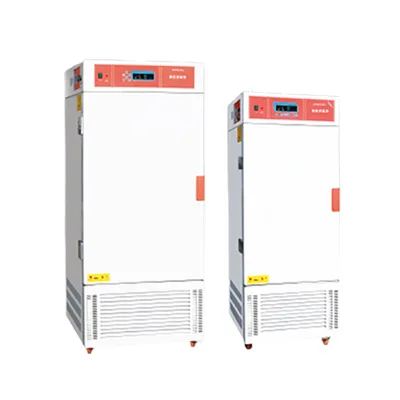

Incubation Heat Incubator Heater Incubator Controller Automatic Heating Incubator
$310.00 - $622.00
MOQ: 1 Pieces


Comprehensive Sourcing Guide
Strategic Sourcing Guide for Temperature and Humidity Control Incubators
Selecting the right Temperature And Humidity Control Incubator is a critical decision for laboratories, hospitals, and educational institutions. These specialized units are designed to maintain precise environmental conditions for biological cultures, material testing, and scientific research. The procurement process requires a rigorous evaluation of technical specifications, regulatory compliance, and supplier reliability. Buyers must navigate a market where product attributes vary significantly between models, ranging from desktop configurations to large-scale industrial units. This guide provides a structured approach to sourcing these essential pieces of equipment, ensuring that the final selection aligns with specific operational needs and safety standards.
Technical Specifications and Environmental Control
The core functionality of an incubator lies in its ability to maintain stable temperature and humidity levels. When evaluating potential units, buyers should first examine the temperature range and resolution. Available models in the current market demonstrate a variety of capabilities. Some units offer a broad operating range from 0°C to 65°C, while others are designed for more specific applications, such as a range of Room Temperature plus 5°C to 80°C. Precision is equally important; observed resolution ratios as fine as 0.1°C are common in high-end models, ensuring that minute fluctuations do not compromise experimental results.
Humidity control is another critical specification. For applications requiring moisture retention, such as cell culture or specific material storage, units with a defined humidity range, such as 50% to 90%, are necessary. The uniformity of the temperature distribution within the chamber is also a key performance metric. Disparities in temperature across the chamber can lead to inconsistent results. Buyers should verify the uniformity specifications, noting that some models advertise ranges like 5°C to 40°C for uniformity, though this requires careful interpretation based on the specific model's design.
Physical dimensions and internal capacity must also align with the intended application. The market offers a spectrum of sizes, from compact desktop units to large-scale chambers. Specific models feature inner chamber dimensions of 500mm x 450mm x 550mm, with exterior dimensions around 640mm x 630mm x 935mm. Other models are categorized simply as "Big Size," indicating a need for detailed inquiry regarding exact cubic capacity. The number of shelves provided, such as two shelves in certain configurations, impacts the flexibility of the internal layout. Additionally, the structural material, often stainless steel or steel, determines the durability and resistance to corrosion, which is vital for long-term hygiene and maintenance.
Compliance and Certification Standards
In the B2B procurement of medical and laboratory equipment, regulatory compliance is non-negotiable. Buyers must verify that the equipment meets international safety and quality standards. The supply chain for these incubators frequently references certifications such as ISO and CE. These certifications indicate that the manufacturer adheres to specific quality management systems and safety directives. Some product listings also mention SGS, a global inspection and verification company, suggesting an additional layer of third-party validation.
When evaluating a supplier, it is essential to request current certification documents rather than relying solely on marketing claims. The presence of a CE mark implies conformity with health, safety, and environmental protection standards for products sold within the European Economic Area, while ISO certification suggests adherence to international standards for quality management. However, buyers should be aware that not every listed product may possess every certification mentioned in a general category description. Verification of the specific model's certification status is required before purchase.
Furthermore, the electrical standards must match the local infrastructure. Voltage requirements vary, with some units designed for 200240V/100120V dual voltage compatibility, while others are specified for AC220V at 50Hz. Ensuring the power supply matches the facility's electrical grid is crucial to prevent equipment failure. The working environment specifications, such as an ambient temperature range of 10°C to 30°C, also dictate where the unit can be safely installed. Ignoring these environmental constraints can lead to operational inefficiencies or safety hazards.
Cost Drivers and Pricing Variables
The pricing of temperature and humidity control incubators is influenced by a complex array of factors. The observed price range in the market spans from $1 to $9,500, reflecting the vast diversity in product capabilities, size, and brand positioning. Several key drivers contribute to these cost variations. First, the material composition plays a significant role; units constructed with high-grade stainless steel generally command a higher price than those made from standard steel due to superior corrosion resistance and ease of cleaning.
Second, the level of customization available affects the final cost. While some models are offered as standard, non-customized units, others provide options for tailored specifications. Customization can include specific temperature ranges, unique chamber dimensions, or specialized control interfaces. The availability of custom features allows buyers to optimize the equipment for niche applications but typically incurs a premium. Additionally, the complexity of the control system, such as digital displays with LED indicators versus analog controls, influences the price point.
Packaging and logistics also factor into the total cost of ownership. Products are often shipped in standard export wooden packs or heavy-duty cartons designed to protect the unit during transit. The origin of the product, typically China for many of these units, impacts shipping costs and lead times. Buyers should consider the total landed cost, including freight, insurance, and potential import duties, rather than focusing solely on the unit price. The minimum order quantity (MOQ) is another variable; in this category, MOQs are often as low as one unit, allowing for flexible purchasing strategies for small labs or large institutions alike.
Typical Applications and Operational Requirements
Temperature and humidity control incubators serve a wide array of sectors, each with distinct operational requirements. The primary applications identified include laboratories, hospitals, and schools. In a laboratory setting, these units are essential for growing microorganisms, cell cultures, and biological samples where precise environmental control is mandatory. The ability to maintain a specific temperature range, such as 0°C to 50°C or 0°C to 60°C, is critical for the viability of the samples.
Hospitals utilize these incubators for storing biological specimens, preparing reagents, and conducting diagnostic tests. The reliability of the temperature control is paramount in a medical context, where deviations can lead to compromised patient care or invalid test results. Schools and educational institutions use these units for teaching purposes, allowing students to conduct experiments in microbiology and biology. In these environments, the durability of the unit and the ease of use are important considerations.
Beyond these primary sectors, some models are designed for industrial applications. In an industrial context, incubators may be used for quality control testing of materials, aging tests for components, or environmental simulations. The versatility of the equipment allows it to adapt to various needs, from small-scale research to large-scale production testing. The working environment of the unit, such as the ability to operate continuously or for set periods up to 99 hours and 59 minutes, must align with the specific workflow of the application.
Supplier Evaluation and Quality Assurance
Evaluating a supplier requires a holistic approach that goes beyond the product specifications. Buyers should assess the supplier's track record in providing after-sales support. A reliable supplier typically offers a 24-hour reply service for technical inquiries, ensuring that any operational issues are addressed promptly. The warranty period is another critical indicator of supplier confidence; a standard one-year warranty is common, but buyers should verify the terms and conditions regarding coverage and claim processes.
Quality control during the manufacturing process is equally important. Buyers should inquire about the quality assurance protocols employed by the manufacturer. The use of high-quality materials, such as stainless steel for the interior chamber, is a baseline requirement for hygiene and longevity. The structural integrity of the unit, including the strength of the packaging, ensures that the equipment arrives in perfect condition. The "Standard Export Extra Heavy Extra Strong Carton" or "Wooden Pack" options indicate a commitment to safe transportation, reducing the risk of damage during shipping.
When comparing suppliers, buyers should look for transparency in their product listings. Detailed specifications regarding model numbers, such as HWS-150B, DH3600, or WPL-45BE, allow for precise comparisons. However, buyers must be cautious of generic listings that do not clearly distinguish between different models. Verifying the specific model's capabilities against the intended application is essential. Additionally, checking the origin of the product, often listed as China or Cn, helps in understanding the supply chain dynamics and potential lead times.
Long-Term Procurement Considerations
Sourcing an incubator is not just a one-time transaction but an investment in long-term operational efficiency. Buyers should consider the energy consumption of the unit, as indicated by power ratings such as 600W. While energy efficiency is important, it should not come at the expense of performance stability. The ability to set time durations, ranging from continuous operation to specific hour and minute settings, adds to the versatility of the unit for various experimental protocols.
Maintenance and serviceability are also key long-term factors. Units with clear temperature resolution, such as 0.1 degree, often require regular calibration to maintain accuracy. Buyers should ensure that the supplier provides access to calibration services or documentation on how to perform routine checks. The warranty period of one year offers a safety net, but understanding the scope of coverage is vital. Does the warranty cover the compressor, the control board, or just the general unit?
Finally, the scalability of the procurement strategy should be considered. As a laboratory or institution grows, the need for additional or larger units may arise. Suppliers that offer a range of models, from desktop units to large industrial chambers, provide a more sustainable partnership. The ability to source compatible accessories, such as additional shelves or specialized probes, further enhances the value of the initial purchase. By focusing on these long-term aspects, buyers can ensure that their investment in temperature and humidity control incubators delivers consistent value and reliability over the lifespan of the equipment.
Comparative Analysis of Key Model Attributes
To assist in the decision-making process, the following table summarizes the observed attributes of various incubator models found in the market. This comparison highlights the diversity in specifications and helps buyers identify the most suitable options for their specific needs.
| Attribute | Model HWS-150B | Model DH3600 | Model WPL-45BE | Model DH4000BII |
|---|---|---|---|---|
| Type | Incubator | Incubator | Incubator | Incubator |
| Material | Stainless Steel | Steel | Steel | Steel |
| Structure | Desktop | Desktop | Desktop | Desktop |
| Temp. Range | 0-65°C | 0-50°C | Rt+5-80°C | 0-60°C |
| Temp. Resolution | 0.1°C | 0.1°C | 0.1/0.2°C | 0.1°C |
| Humidity Range | N/A | N/A | N/A | 50%-90% |
| Power Supply | 200 | AC220V 50Hz | N/A | N/A |
| Shelves | N/A | 2 | N/A | N/A |
| Certification | ISO, CE | ISO, CE | ISO, CE | ISO, CE |
| Origin | China | China | China | China |
This table illustrates that while many models share common certifications and origins, their technical capabilities vary significantly. Buyers must carefully match these attributes to their specific experimental requirements. For instance, if humidity control is a priority, the model with the 50%-90% humidity range is the only viable option among those listed. Similarly, if a broader temperature range is needed, the model capable of reaching 80°C would be preferred over those limited to 65°C.
In conclusion, sourcing a Temperature And Humidity Control Incubator requires a meticulous approach that balances technical specifications, regulatory compliance, and supplier reliability. By adhering to the guidelines outlined in this guide, buyers can make informed decisions that ensure the safety, accuracy, and efficiency of their laboratory or industrial operations. The diversity of available models offers solutions for a wide range of applications, but the key to success lies in thorough verification and alignment with specific operational needs.
FAQs
What certifications do temperature and humidity control incubators typically have?
These units typically carry ISO and CE certifications, with some models also listing SGS. Buyers should verify specific model documentation to confirm compliance before purchase, as not every listed product may possess every certification mentioned in general descriptions.
How does the temperature range vary across different incubator models?
Operating ranges vary significantly, with some units covering 0 to 65 degrees Celsius while others offer Room Temperature plus 5 to 80 degrees Celsius. Specific models may also feature narrower ranges like 0 to 50 degrees Celsius depending on their intended application and design.
Can buyers request customization for these incubator units?
Customization is available for some models, allowing for tailored specifications, while other units are sold as non-customized standard products. Buyers must check individual product listings to determine if specific features like unique dimensions or control interfaces can be modified.
What is the typical warranty period for these laboratory incubators?
A standard one-year warranty is commonly offered by suppliers for these units. Buyers should verify the specific terms and conditions regarding coverage for components like compressors or control boards to ensure adequate protection against potential equipment failures.
Which materials are used to construct the inner chambers of these incubators?
Inner chambers are frequently constructed from stainless steel or standard steel to ensure durability and corrosion resistance. Stainless steel is preferred for its superior hygiene and ease of cleaning, which is vital for long-term use in laboratory and hospital environments.
How precise is the temperature resolution in high-end incubator models?
High-end models often provide a temperature resolution as fine as 0.1 degree Celsius to ensure experimental accuracy. Some units may offer a resolution of 0.2 degrees, so buyers should check specific model specifications to match their precision requirements.