Find Thermo King Pilot Solenoid Valve for trucks, buses, and refrigeration units
Source 30 Thermo King Pilot Solenoid Valve options with varying models, voltages, and port sizes. Buyers can compare specifications for Thermo King refrigeration trucks, bus systems, and general flow control applications to find the right fit.
Key considerations
Products List


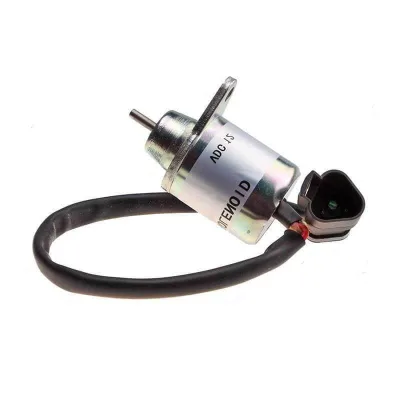
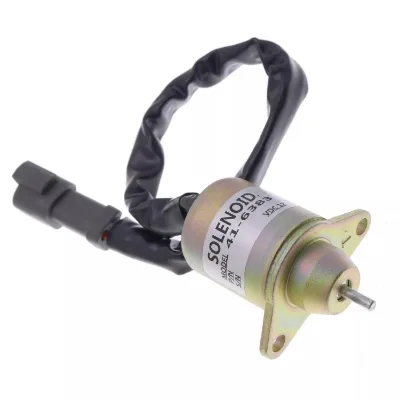
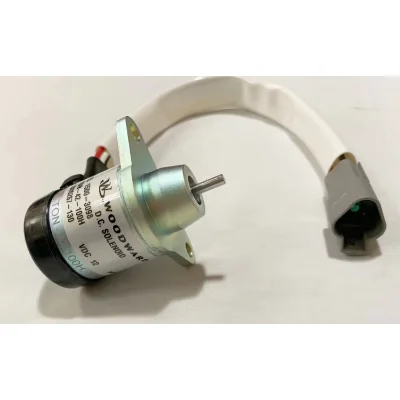
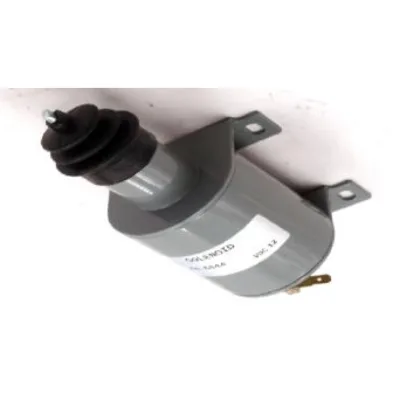
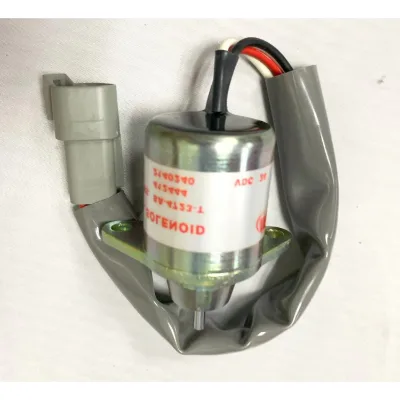
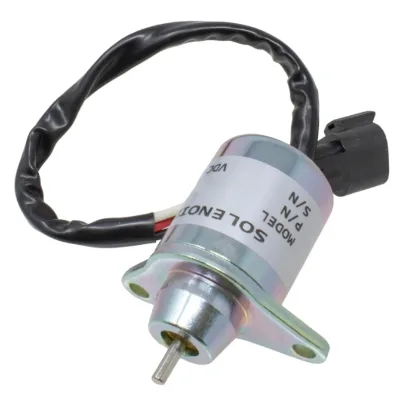


Customized Thermo King 61-8938 Pilot Solenoid Valve (For SB Series Units)
$175.00 - $188.00
MOQ: 10 Pieces


Best Quality Thermo King 61-8938 Pilot Solenoid Valve (For SB Series Units)
$175.00 - $188.00
MOQ: 10 Pieces

Wholesale Price Thermo King 61-8938 Pilot Solenoid Valve (For SB Series Units)
$175.00 - $188.00
MOQ: 10 Pieces


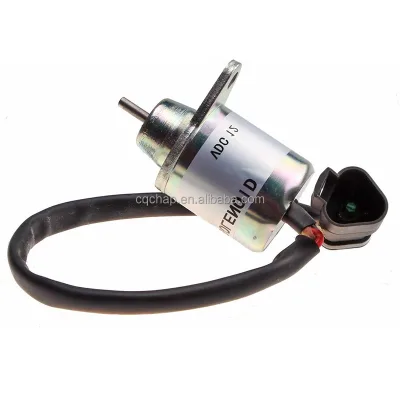
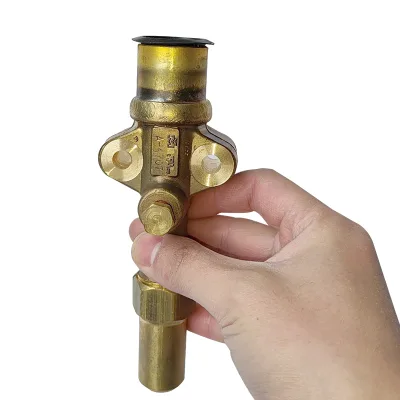


Comprehensive Sourcing Guide
Strategic Sourcing Guide for Thermo King Pilot Solenoid Valves
The global logistics and refrigeration transport sector relies heavily on the reliability of temperature-controlled cargo systems. Within this ecosystem, the Thermo King Pilot Solenoid Valve serves as a critical control component, managing the flow of refrigerant or hydraulic fluids to maintain precise thermal conditions. For procurement professionals, sourcing these specific components requires a disciplined approach that balances technical compatibility, supply chain resilience, and rigorous quality verification. This guide outlines the essential factors for evaluating and acquiring pilot solenoid valves designed for Thermo King refrigeration units, ensuring that buyers can navigate the market with confidence and minimize operational risks.
Technical Specifications and Compatibility Verification
The primary challenge in sourcing a pilot solenoid valve for a Thermo King unit lies in ensuring exact technical compatibility. The market offers various models, and a mismatch in specifications can lead to system failure or inefficient cooling performance. Based on available product data, buyers must prioritize the identification of specific model numbers and part codes. Common identifiers observed in the market include OE numbers such as 42-100 and 42-0100, as well as specific model numbers like 41-6383. These codes are not merely labels; they represent the engineering blueprint for the valve's internal geometry and electrical characteristics.
Voltage requirements are another critical specification that must be verified before purchase. The electrical supply in many refrigeration trucks operates on 24V systems, and the solenoid valve must match this voltage exactly to function correctly. Deviations in voltage can cause coil burnout or failure to actuate. Furthermore, the physical connection form is a vital mechanical constraint. Most compatible units utilize a threaded connection form, which must align with the existing piping in the refrigeration unit. Buyers should also confirm the port size, as variations such as 1/2", 25mm, or 3/4" exist in the component market. Selecting a valve with an incorrect port size will necessitate costly and time-consuming modifications to the truck's refrigeration system.
The media compatibility is equally significant. While some solenoid valves are designed for general water flow control, the specific application for Thermo King units often involves refrigerant or specialized hydraulic fluids. The product attributes indicate that while some valves are rated for water, the specific "Purpose" for these components is explicitly for Thermo King refrigeration. Therefore, the internal sealing materials and coil insulation must be compatible with the specific refrigerant type used in the truck, not just water.
Compliance, Certification, and Standardization
When evaluating solenoid valves for commercial transport, compliance with industry standards is non-negotiable. The reliability of a refrigeration unit directly impacts the safety of perishable cargo, making adherence to manufacturing standards a key procurement criterion. Buyers should look for evidence that the product meets specific dimensional and structural standards. For instance, observed product data references standard dimensions such as 93.549138 mm or 10854118 mm, which likely correspond to specific mounting or housing requirements.
However, the presence of a standard number alone does not guarantee compliance. Procurement teams must verify that the manufacturer adheres to recognized international or regional safety and quality standards relevant to automotive and refrigeration components. While specific certification bodies are not listed in the provided data, buyers should request documentation proving that the solenoid valves have undergone testing for pressure ratings, electrical insulation, and environmental durability. The "Condition" of the product is typically listed as "New," but this should be accompanied by test reports or quality assurance certificates to confirm that the unit has not been refurbished or damaged during storage.
Additionally, the origin of the product plays a role in compliance. The supply chain data indicates origins in regions such as Zhejiang and Hunan, China. While these are major manufacturing hubs, buyers should ensure that the specific factory adheres to the quality management systems required by their own organization or the regulations of the destination market. The "Brand Name" and "OEM NO" provided in listings serve as initial indicators of authenticity, but they do not replace the need for independent verification of the manufacturing process and quality control protocols.
Cost Drivers and Pricing Dynamics
Understanding the cost structure of pilot solenoid valves is essential for budgeting and negotiation. The observed price range in the market spans from 5 to 1000 USD, a wide variance that reflects differences in brand reputation, material quality, and production volume. Several factors drive these costs. First, the level of customization available significantly impacts the price. Products offering logo customization or specific model adaptations often command a premium over standard off-the-shelf units.
The Minimum Order Quantity (MOQ) is another critical cost driver. The market data shows an MOQ range of 1 to 10 pieces, with some specific listings requiring 10 pcs as a baseline. Buyers purchasing small quantities for immediate repairs may face higher unit costs compared to those placing bulk orders. However, bulk purchasing is not always feasible for emergency repairs, making the ability to source single units a valuable feature for maintaining fleet continuity.
Packaging and logistics also contribute to the final cost. The product attributes mention packaging in cartons or wooden boxes, with single package sizes ranging from compact 1x1x1 cm units to larger 53x38x34 cm boxes. The weight of the single item, ranging from 1.000 kg to 3.000 kg, affects shipping costs, particularly for international freight. Buyers should factor in these logistics costs when comparing total landed costs across different suppliers. Additionally, the warranty period, observed as 12 to 13 months in the data, can influence the perceived value and long-term cost of ownership. A longer warranty may justify a slightly higher upfront price by reducing the risk of premature failure.
Typical Applications and Operational Context
The primary application for the Thermo King Pilot Solenoid Valve is within the refrigeration units of transport trucks and buses. These valves are integral to the temperature control system, managing the flow of refrigerant to the evaporator and condenser coils. The specific "Purpose" is often listed as "for replace/repair," indicating that these components are frequently used in maintenance scenarios rather than initial manufacturing. This highlights the importance of availability and quick lead times for fleet managers.
The "Car Fitment" data specifies compatibility with "Other" models and "truck/Bus" categories, suggesting that these valves are versatile but must be matched to the specific refrigeration unit model. The "Application" is explicitly noted as "Thermo King Refrigeration truck unit," confirming their specialized use in the cold chain logistics sector. In this context, the valve must operate reliably under varying environmental conditions, including vibration, temperature fluctuations, and exposure to moisture.
The "Type" of valve is identified as a "solenoid" or "solenoid valve pilot," which implies a specific mechanism for controlling larger fluid flows with a smaller electrical signal. This pilot operation is crucial for the efficiency of the refrigeration cycle, allowing for precise modulation of cooling capacity. Buyers should understand that the valve is not a standalone component but part of a complex system where its failure can lead to cargo spoilage. Therefore, the operational context demands a high degree of reliability and performance consistency.
Supplier Evaluation and Sourcing Strategy
Evaluating suppliers for pilot solenoid valves requires a focus on transparency and capability. While specific supplier names should not be recommended, buyers can assess potential partners based on the information provided in product listings. Key indicators of a reliable supplier include clear product descriptions, accurate model numbers, and detailed specifications. The presence of attributes like "Customization: Available" and "Logo Customization: Yes" suggests a supplier capable of meeting specific client needs, which is valuable for fleet operators requiring branded or custom-fit parts.
The "Place of Origin" provides insight into the supply chain location. With origins in Zhejiang and Hunan, China, buyers should be aware of the logistical implications of sourcing from these regions. While these areas are known for manufacturing, buyers must verify the supplier's ability to meet lead time expectations and maintain consistent quality. The "Condition" of the product being "New" is a basic requirement, but buyers should also inquire about the supplier's inventory management and storage practices to ensure the valves have not been compromised by environmental factors.
Furthermore, the "Warranty" and "Guarantee" terms are critical indicators of supplier confidence. A 12-month or 13-month warranty suggests that the supplier stands behind the product's durability. Buyers should compare these terms across different suppliers to identify those offering the most comprehensive protection. Additionally, the "Selling Units" information, which often lists "Single item," indicates flexibility in purchasing, which is beneficial for small-scale procurement needs.
Quality Control and Long-Term Procurement Considerations
Ensuring the quality of pilot solenoid valves is paramount to preventing system failures. Buyers should implement a robust quality control process that includes visual inspection, dimensional verification, and functional testing upon receipt. The "Single gross weight" and "Single package size" data can be used to verify that the received goods match the ordered specifications, ensuring that no substitutions or damaged items have been sent.
Long-term procurement considerations involve building a relationship with suppliers who can provide consistent quality and support. The availability of "Customization" options allows buyers to tailor components to specific fleet requirements, reducing the need for multiple part numbers and simplifying inventory management. Additionally, the "Standard" dimensions and "Port Size" consistency across batches are essential for maintaining interchangeability within a fleet.
Buyers should also consider the total cost of ownership, which includes not just the purchase price but also maintenance, replacement frequency, and potential downtime costs. A valve with a higher upfront cost but a longer warranty and better durability may offer a lower total cost of ownership over time. Finally, maintaining a clear record of part numbers, supplier performance, and warranty claims will facilitate future procurement decisions and help in identifying the most reliable sources for critical components.
Conclusion
Sourcing Thermo King pilot solenoid valves requires a meticulous approach that prioritizes technical accuracy, compliance, and supplier reliability. By focusing on specific model numbers, voltage ratings, and port sizes, buyers can ensure compatibility with their refrigeration units. Understanding the cost drivers, such as customization and MOQ, allows for effective budgeting and negotiation. Ultimately, a disciplined procurement strategy that emphasizes quality control and long-term supplier relationships will secure the reliability of the cold chain logistics network.
FAQs
What voltage does the Thermo King Pilot Solenoid Valve require?
The valve operates on a 24V electrical supply. This voltage matches standard refrigeration truck systems to prevent coil burnout or actuation failure.
Which port sizes are available for this solenoid valve?
Available port sizes include 1/2 inch, 25mm, and 3/4 inch. Buyers must verify the specific size to ensure it aligns with existing piping in the unit.
Can I customize the logo on the Thermo King Pilot Solenoid Valve?
Yes, logo customization is available for this product. This option allows fleet operators to brand components while maintaining the required technical specifications for their trucks.
What is the warranty period for the Thermo King Pilot Solenoid Valve?
The product comes with a warranty ranging from 12 to 13 months. This guarantee period covers defects and provides assurance against premature failure in refrigeration units.
How is the Thermo King Pilot Solenoid Valve packaged for shipping?
Items are packed in cartons or wooden boxes. Packaging dimensions vary, with some single packages measuring as small as 1x1x1 cm or up to 53x38x34 cm.
Which model numbers are compatible with Thermo King refrigeration units?
Compatible model numbers include 42-100, 42-0100, and 41-6383. These codes represent specific engineering blueprints required for exact compatibility with the refrigeration system.
What is the minimum order quantity for the Thermo King Pilot Solenoid Valve?
The minimum order quantity ranges from 1 to 10 pieces depending on the supplier. Some specific listings require a baseline of 10 pieces for bulk pricing.