Source Toddler Gym Bar for home workouts, pull-ups, and body rotation
Compare 30 Toddler Gym Bar options from Zhejiang suppliers with adjustable heights and steel construction. These indoor horizontal bars support children's pull-ups and body rotation exercises with a maximum load of 50kg.
Key considerations
Products List
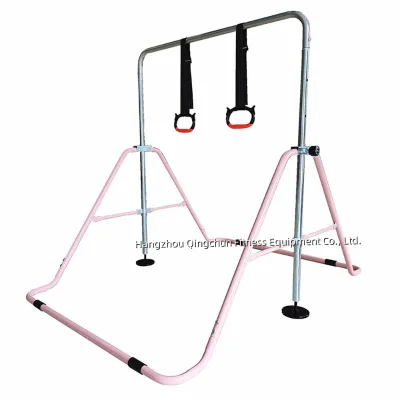
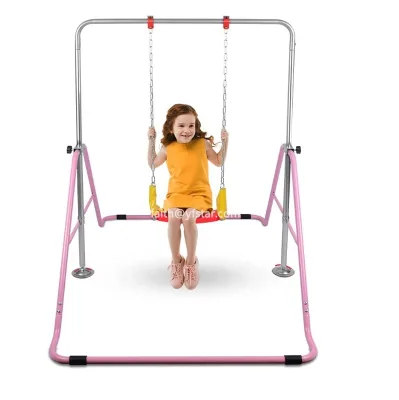
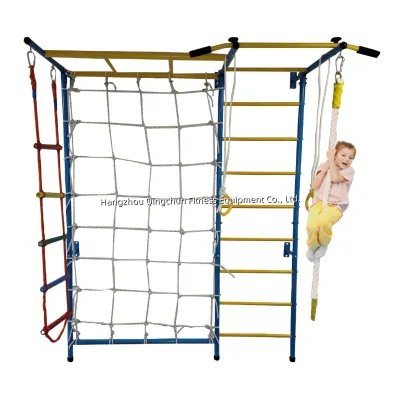
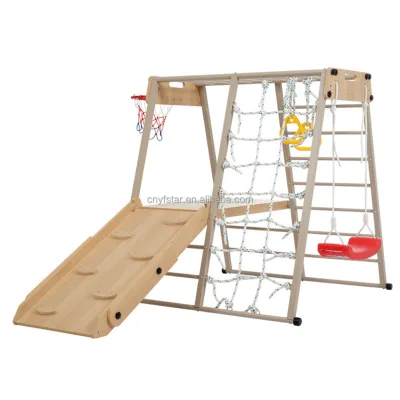
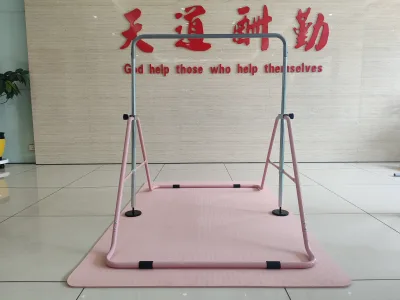
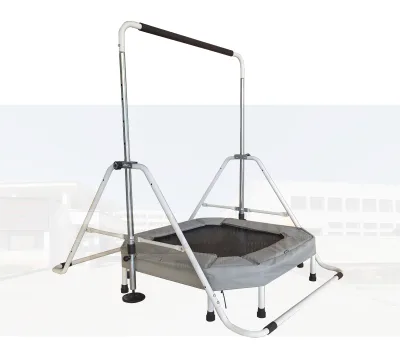
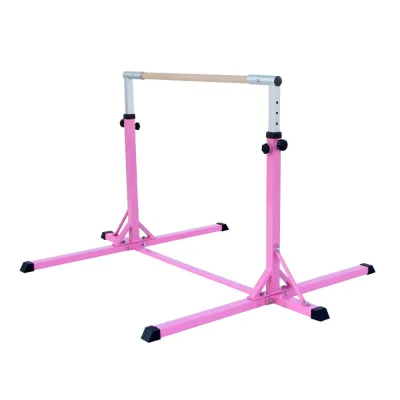
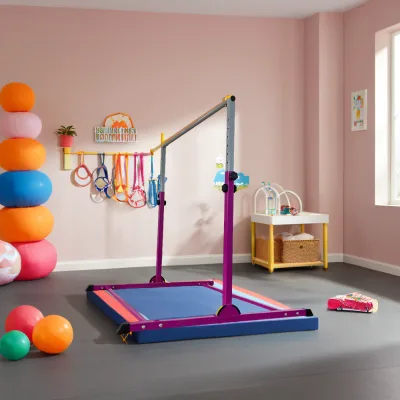
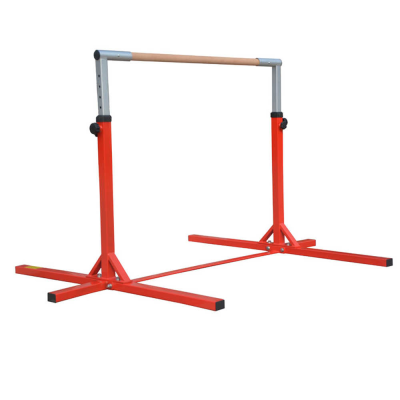

Gym Equipmentskids Barbells Bar Children Strength Aluminum Training Bar
$49.00 - $59.00
MOQ: 10 Pieces

China Factory Wholesale Gym Equipments Kids Training Bar with Custom Logo
$49.00 - $59.00
MOQ: 10 Pieces


Ldk Hight Quality Equipment Training Exercise Kid Use Horizontal Bar for Sales
$99.00 - $165.00
MOQ: 10 Pieces

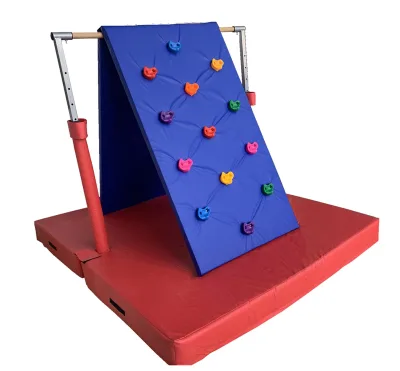
Kids Gym/Gymnastic Equipment Aadjustable Post Uneven Bars with Landing Mat for Sale
$200.00 - $400.00
MOQ: 10 Pieces

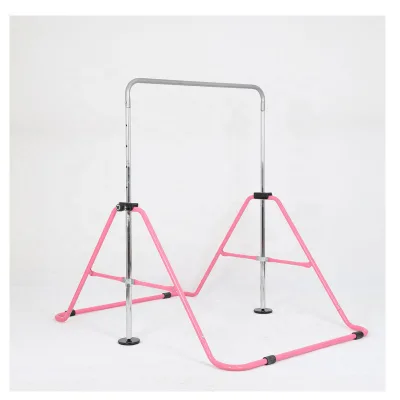
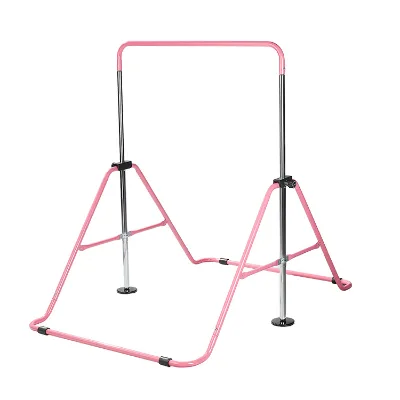
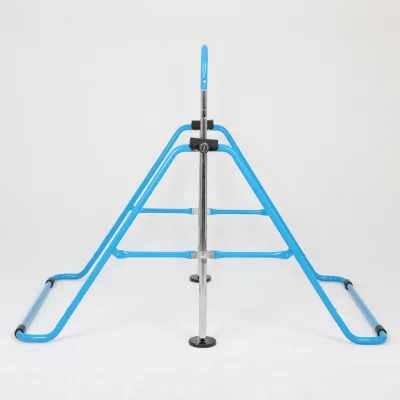
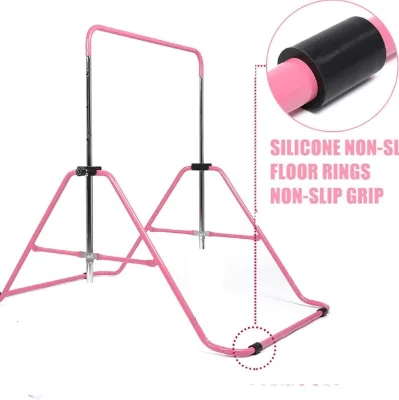
Gymnastics Training Bar- Height Adjustable 85 to 129.5 cm Kids Horizontal Bar
$24.06 - $26.31
MOQ: 200 pieces
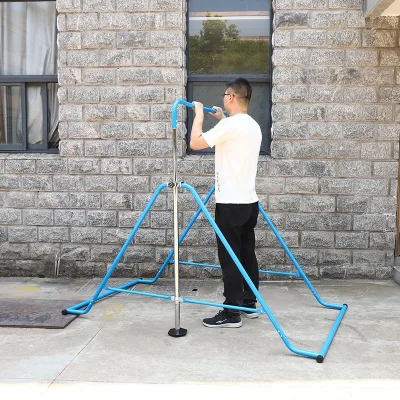


Adjustable Kids Horizontal Pull up Bar Indoor Home Gym Fitness Workout Bar
$27.00 - $29.00
MOQ: 50 pieces


Comprehensive Sourcing Guide
Toddler Gym Bar Sourcing Guide
Sourcing equipment for early childhood physical development requires a careful balance between structural integrity and age-appropriate design. The Toddler Gym Bar category encompasses horizontal bars designed specifically for young children, focusing on safe pull-up and body rotation exercises. Buyers must distinguish between generic fitness equipment and specialized units built for smaller users, ensuring that dimensions, load capacities, and material choices align with the physical capabilities of the target demographic. This guide provides a structured approach to evaluating suppliers, verifying technical specifications, and managing commercial risks associated with importing these specialized fitness items.
The procurement process for toddler gym bars involves navigating specific manufacturing constraints and quality expectations. Observed market data indicates a wide variance in pricing and minimum order quantities, reflecting differences in material quality, customization options, and production lead times. Buyers should approach this category with a focus on verified supplier capabilities rather than price alone, as the safety of young users demands rigorous adherence to structural standards. Understanding the nuances of product scope, technical verification, and long-term supplier performance is essential for building a reliable supply chain for this sensitive product category.
Product Scope and Observed Listing Signals
The product scope for toddler gym bars includes specialized horizontal bars intended for indoor home use or small-scale playgrounds. Observed listings reveal a variety of models, such as the XK-022A, XK-022S, and XK-022T, each featuring distinct size ranges and material compositions. These units are typically constructed from steel or iron combined with polyester components, designed to support children’s weight while providing stability during exercise. The application is strictly defined for indoor environments, with a focus on helping children perform pull-ups and body rotations in a controlled setting.
Listing signals indicate that manufacturers often offer customization options, including brand names, colors, and specific model adjustments. For instance, some models allow for customized branding, while others come with fixed brand identities like ZFSTAR or Star Leisure. The color palette is extensive, ranging from primary colors like red, yellow, and blue to softer tones like pink and white, catering to aesthetic preferences for home or commercial play areas. Buyers should note that while customization is available, it may impact production timelines and minimum order quantities, requiring careful planning during the sourcing phase.
Technical Specifications to Verify
Technical verification begins with assessing the physical dimensions and load-bearing capacity of the gym bars. Observed specifications show size variations, such as 146x107x(88-12)cm for the XK-022A and 146107(94-130)CM for the XK-022T, indicating adjustable height features to accommodate growing children. The maximum load capacity is a critical safety parameter, with observed limits ranging from 50kg to 110lbs, which must be clearly documented and verified against the intended user weight. Buyers should ensure that the height-adjustable mechanisms, often featuring multiple levels, are robust and secure to prevent accidental collapse during use.
Material composition and packaging details are equally important for logistics and durability assessment. The primary materials are typically steel pipes or iron, providing the necessary structural strength, while polyester components may be used for padding or aesthetic elements. Packaging dimensions, such as 1032915CM, and gross weights, ranging from 9.7kg to 10kg per unit, directly impact shipping costs and storage requirements. Buyers must verify that the packaging is designed to protect the product during transit, minimizing the risk of damage to the steel components or finish, which could compromise safety and appearance.
Compliance and Safety Documentation
Safety compliance is paramount when sourcing equipment for toddlers, as young children are more vulnerable to injury from structural failures or sharp edges. Buyers must request comprehensive safety documentation from suppliers, including test reports that verify the stability and load-bearing capacity of the gym bars. While specific certification standards are not explicitly listed in the observed data, buyers should insist on compliance with relevant international safety standards for children’s fitness equipment, such as ASTM or EN standards, depending on the target market. This ensures that the product has undergone rigorous testing for durability, toxicity, and mechanical safety.
Documentation should also include detailed installation manuals and user guidelines, which are essential for proper setup and safe usage. The observed listings mention the availability of installation manuals, which should be clear, multilingual, and include visual aids to assist users in assembling the equipment correctly. Buyers should verify that the supplier provides these materials in the required languages for the destination market, ensuring that end-users can assemble the gym bar safely and understand the weight limits and usage instructions. This reduces the risk of improper assembly, which is a common cause of accidents in home fitness equipment.
Cost Drivers and Commercial Terms
Cost drivers for toddler gym bars include material quality, customization levels, and production lead times. The observed lead time of 40 days suggests a standard production cycle, which may be extended for customized orders involving specific branding or color requirements. Minimum order quantities (MOQ) are typically set at 300 units, reflecting the manufacturing efficiency required to produce these items profitably. Buyers should consider the trade-off between lower unit costs associated with larger orders and the flexibility of smaller orders, keeping in mind the storage and inventory management implications.
Commercial terms should be clearly defined to manage cash flow and delivery expectations. The observed price range of 1-2000 USD indicates significant variation, likely due to differences in material thickness, finish quality, and included accessories. Buyers should negotiate terms that include clear definitions of shipping responsibilities, such as Incoterms, to avoid unexpected costs. Additionally, payment terms should be structured to protect the buyer’s interests, such as using letters of credit or escrow services, especially for initial orders with new suppliers. Understanding these commercial dynamics is crucial for accurate budgeting and risk management.
Supplier Qualification and Quality Control
Supplier qualification involves verifying the manufacturer’s capabilities, production facilities, and quality control processes. Buyers should prioritize suppliers with a proven track record in producing children’s fitness equipment, as this indicates familiarity with the specific safety and durability requirements of the market. The observed data shows that suppliers are located in Zhejiang, China, a region known for its manufacturing expertise. Buyers should conduct due diligence to confirm the supplier’s ability to maintain consistent quality across production batches, particularly when dealing with customized orders.
Quality control measures should be integrated into the procurement process to ensure that the final products meet the specified standards. Buyers should request pre-shipment inspections to verify that the gym bars meet the agreed-upon specifications for size, weight, and material composition. This includes checking for defects in the steel pipes, such as rust or sharp edges, and ensuring that the height-adjustable mechanisms function smoothly. Implementing a robust quality control plan helps mitigate the risk of receiving substandard products, which could lead to customer complaints, returns, or safety incidents.
Long-Term Procurement Checks
Long-term procurement success depends on establishing a reliable and responsive supply chain for toddler gym bars. Buyers should regularly review supplier performance metrics, including on-time delivery rates, product quality consistency, and responsiveness to issues. The observed lead time of 40 days should be monitored to ensure that production schedules are being met, as delays can impact inventory levels and customer satisfaction. Building a strong relationship with the supplier can facilitate better communication and problem-solving, especially when dealing with customized orders or unexpected production challenges.
Continuous improvement and adaptation are essential in the dynamic market for children’s fitness equipment. Buyers should stay informed about emerging trends, such as new safety standards or design innovations, and work with suppliers to incorporate these improvements into their product offerings. This may involve updating specifications, enhancing safety features, or exploring new material options that offer better durability or sustainability. By maintaining a proactive approach to procurement, buyers can ensure that their Toddler Gym Bar offerings remain competitive, safe, and aligned with market demands, fostering long-term business growth and customer loyalty.
FAQs
What is the maximum load capacity for this Toddler Gym Bar?
The maximum load capacity is 50 kilograms or 110 pounds. This limit applies to children aged over three years who use the bar for pull-ups and body rotation exercises safely.
How many height levels does the adjustable Toddler Gym Bar offer?
The unit features four distinct height levels to accommodate growing children. The overall size ranges from 146 by 107 centimeters with a height adjustment between 88 and 130 centimeters depending on the specific model.
Can I customize the color and brand name for this gym bar?
Yes, customization is available for both the color and the brand name. Buyers can select from various colors like black, yellow, or pink, and choose a custom brand name for the product.
What is the lead time for ordering this indoor horizontal bar?
The standard lead time for production is 40 days. This duration applies to orders placed for the indoor horizontal bar used for children's gymnastics and home playground activities.
Which material is used to construct the main frame of this bar?
The main frame is constructed from steel pipe and iron materials. Some models also incorporate polyester components, ensuring durability for indoor use and children's physical activities.
What is the minimum order quantity for purchasing this Toddler Gym Bar?
The minimum order quantity is 300 sets or pieces. This requirement applies to the standard models available for purchase from the manufacturer in Zhejiang, China.
How is the product packaged for shipping to international buyers?
Each unit is packed individually in a carton measuring approximately 103 by 29 by 15 centimeters. The single gross weight per carton is around 9.7 to 10 kilograms depending on the specific model variant.