Source Toddler Jumpsuit for Spring, Autumn, and Winter Wear
Compare 30 Toddler Jumpsuit options featuring 100% cotton and woven or knitted fabrics. These unisex rompers offer long sleeve designs with snap or lace-up closures, suitable for infants aged 0-24 months. Evaluate customization, lead times, and material safety for your sourcing needs.
Key considerations
Products List

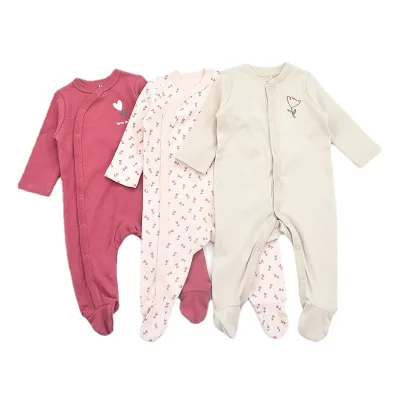
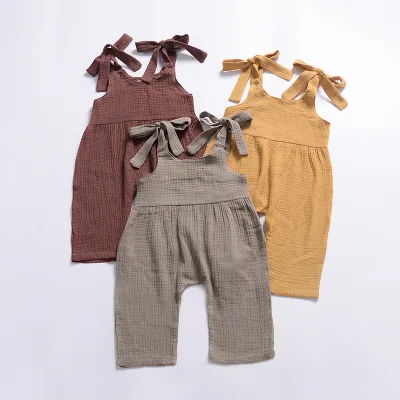
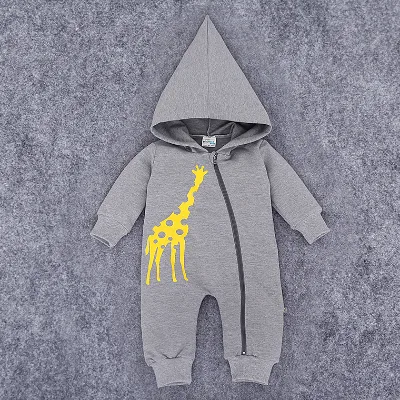
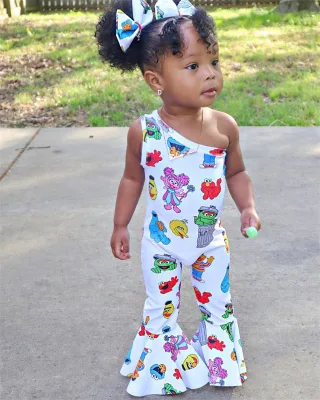
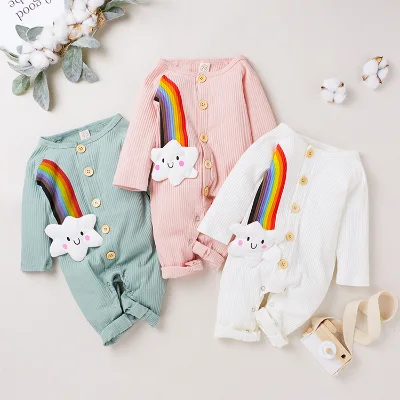


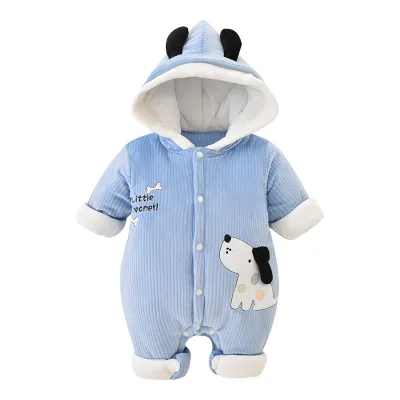
Cute Pure Cotton Baby Romper Infant Clothing Toddler Jumpsuits for Spring
$8.00 - $18.00
MOQ: 1 pieces


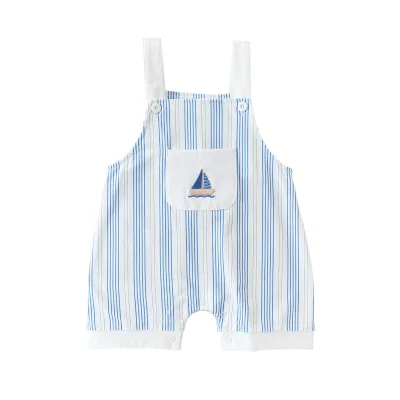
100%Cotton Knitted Baby Suspender Shorts Unisex Toddler Overalls Kids' Jumpsuit.
$8.00 - $15.00
MOQ: 1 pieces


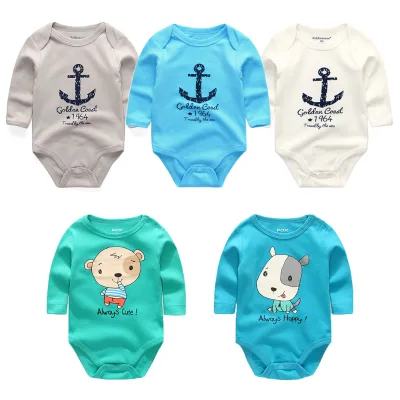
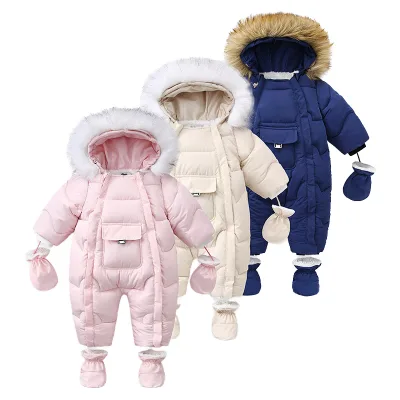


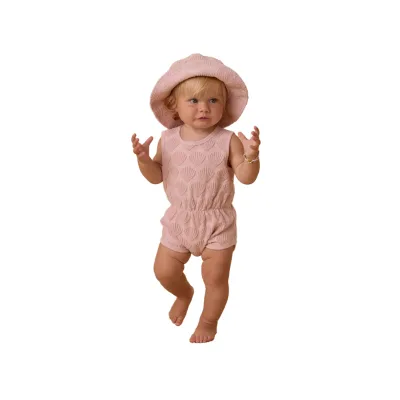


Comprehensive Sourcing Guide
Toddler Jumpsuit Sourcing Guide
Sourcing toddler jumpsuits requires careful attention to material composition and construction methods to ensure durability and comfort for active young children. The available market data indicates a strong preference for natural fibers, specifically 100% cotton or cotton-spandex blends, which offer the necessary breathability and softness required for infant skin. Buyers should prioritize listings that explicitly state woven or knitted techniques, as these determine the garment's drape and stretch properties essential for growing toddlers.
Procurement decisions must also account for the specific design features observed in current listings, such as long sleeves and round neck shapes that provide full coverage and ease of dressing. The presence of snap button closures or lace-up styles significantly impacts the user experience, allowing for quick diaper changes while maintaining a secure fit. Understanding these structural elements helps buyers distinguish between basic rompers and more complex jumpsuits designed for specific seasonal needs or activity levels.
Product Scope and Observed Listing Signals
The current market for toddler jumpsuits displays a wide range of customization options, with many suppliers offering OEM services alongside in-stock inventory. Listings frequently highlight features like fashion-forward designs, safety certifications, and skin-friendly attributes such as being free from fluorescent agents. Buyers should verify that the product name and description align with their specific needs, noting that some items are marketed specifically as baby pajamas or infant rompers depending on the intended use case.
Variations in sizing and color availability are critical signals when evaluating potential suppliers, as observed ranges include sizes from 0-3 months up to 24 months and colors like khaki, pink, white, and red. The supply type often dictates the lead time, with some vendors supporting sample orders within seven to ten days while others focus on bulk stock availability. It is essential to confirm the exact model numbers, such as Ly-Bip-01 or CBBR2038, to ensure consistency in quality and design across different production batches.
Technical Specifications to Verify
Technical verification begins with confirming the fabric type and material composition, as listings vary between 100% cotton and cotton-spandex blends that affect stretch and recovery. Buyers must ensure the specified sleeve style matches the seasonal requirement, noting that long sleeves are common for spring and autumn, while sleeveless options may appear for summer. The closure type, whether snap buttons or lace-up, must be tested for durability and ease of use, as these components undergo significant stress during daily wear and diaper changes.
Packaging details and labeling requirements are equally important technical specifications that influence logistics and brand presentation. Standard packaging often involves individual polybags with larger cartons for bulk shipping, but suppliers may offer customized carton options upon request. Buyers should verify the model number and size chart accuracy, ensuring that measurements align with international standards for the target age groups, from 0-3 months to 18-24 months, to prevent sizing discrepancies in the final product.
Compliance and Safety Documentation
Safety compliance is paramount when sourcing toddler clothing, with many suppliers citing standards such as CE, ISO, and EN to demonstrate adherence to international safety regulations. While some background knowledge suggests certifications like GOTS or OEKO-TEX, buyers must rely on the specific documentation provided by the supplier to confirm that the fabric is free from harmful substances and meets local safety requirements. It is crucial to request test reports that verify the absence of fluorescent agents and ensure the material is highly absorbent and breathable for sensitive skin.
Documentation should also cover the origin of the product, with Guangdong, China, being a common place of origin for these items. Buyers need to verify that the supplier can provide evidence of their supply chain transparency and quality control processes, especially when dealing with high-volume orders. Ensuring that the product meets the specific safety standards of the destination market is a non-negotiable step to avoid regulatory hurdles and protect the brand reputation from potential safety recalls.
Cost Drivers and Commercial Terms
Cost drivers for toddler jumpsuits include the complexity of the design, the quality of the cotton material, and the level of customization required for labels and packaging. The observed price range of 0.1 to 20 USD reflects these variables, with higher costs associated with premium materials, intricate stitching, and specialized features like snap buttons or lace-up closures. Buyers should analyze the total cost of ownership, including shipping and potential tariffs, rather than focusing solely on the unit price to ensure a profitable margin.
Commercial terms such as MOQ and lead times significantly impact procurement planning, with observed minimum order quantities ranging from 10 pieces to 1000 pieces depending on the supplier. Sample lead times are typically around seven to ten days, but bulk production times can vary based on the supplier's capacity and current order volume. Negotiating clear terms for payment, delivery, and quality assurance is essential to manage cash flow and ensure timely receipt of goods, especially when dealing with seasonal inventory requirements.
Supplier Qualification and Quality Control
Supplier qualification involves assessing their production capacity and ability to maintain consistent quality across large orders, with some vendors boasting supply abilities of up to 500,000 pieces per month. Buyers should verify the supplier's experience with toddler clothing specifically, ensuring they understand the unique challenges of manufacturing garments for this age group, such as the need for soft, non-irritating fabrics and secure closures. Checking references and reviewing past performance data can provide insights into their reliability and commitment to meeting delivery schedules.
Quality control measures must be rigorous, focusing on fabric integrity, stitching strength, and the functionality of closures like snap buttons and lace-ups. Buyers should implement a pre-shipment inspection protocol to verify that the finished products match the approved samples in terms of color, size, and overall finish. Establishing clear quality standards and communication channels with the supplier ensures that any deviations are identified and corrected before the goods leave the factory, minimizing the risk of returns and customer dissatisfaction.
Long-Term Procurement Checks
Long-term procurement success depends on establishing a strategic partnership with suppliers who can adapt to changing market demands and seasonal trends. Buyers should regularly review supplier performance metrics, including on-time delivery rates, defect rates, and responsiveness to quality issues, to ensure continued reliability. Building a relationship based on mutual trust and clear communication allows for better negotiation of terms and more flexible responses to unexpected supply chain disruptions.
Continuous monitoring of product specifications and market trends is essential to maintain a competitive edge in the Toddler Jumpsuit sector. Buyers should stay informed about new material innovations, safety regulation updates, and consumer preferences to ensure their product offerings remain relevant and compliant. By maintaining a proactive approach to supplier management and quality assurance, companies can secure a stable supply chain that supports long-term growth and brand integrity in the global market.
FAQs
What materials are used for these toddler jumpsuits?
The toddler jumpsuits are crafted from 100% cotton or cotton-spandex blends. These fabrics ensure the garments are soft, breathable, and safe for sensitive skin. The material choice supports comfort during active play and provides durability for daily wear, making them suitable for various seasons and activities.
Can I customize the labels on these jumpsuits?
Yes, customized labels are accepted for these toddler jumpsuits. This OEM service allows buyers to add their own branding or size tags. The supplier supports both in-stock items and custom orders, providing flexibility for businesses looking to establish their unique identity in the baby clothing market.
What is the minimum order quantity for these items?
The minimum order quantity is typically 10 pieces. This low MOQ allows buyers to test the market or order small batches without significant commitment. The supplier also supports larger orders with a monthly supply ability of 500,000 pieces, ensuring scalability for growing business needs and inventory requirements.
How long does it take to get a sample?
Sample orders are supported with a lead time of 7 to 10 days. This timeframe allows buyers to evaluate the quality, fit, and fabric of the toddler jumpsuits before placing bulk orders. The quick turnaround ensures that product validation can proceed efficiently without delaying the overall sourcing timeline.
Are these jumpsuits suitable for all seasons?
Yes, the toddler jumpsuits are suitable for spring, summer, autumn, and winter. The breathable cotton fabric helps regulate temperature, keeping the child comfortable in various weather conditions. The long-sleeve design offers protection while maintaining airflow, making them versatile choices for year-round wear and diverse climate environments.
What certifications do these baby clothes have?
These toddler jumpsuits comply with CE, ISO, and EN standards. These certifications indicate adherence to safety and quality regulations for children's clothing. Buyers can trust that the products meet recognized industry benchmarks for safety, ensuring peace of mind regarding the materials and manufacturing processes used in production.