Source Touch Screen OPS Mini PC for Digital Signage, Retail, and Industrial Use
Find and compare 30 Touch Screen OPS Mini PC units from verified suppliers. These devices support Windows and Linux, feature Intel processors, and include options for capacitive touch and various storage capacities to suit commercial needs.
Key considerations
Products List


Embedded OPS Computer OPS Mini PC for Display OPS Computer for Intercative Board
$219.00 - $237.00
MOQ: 5 Pieces


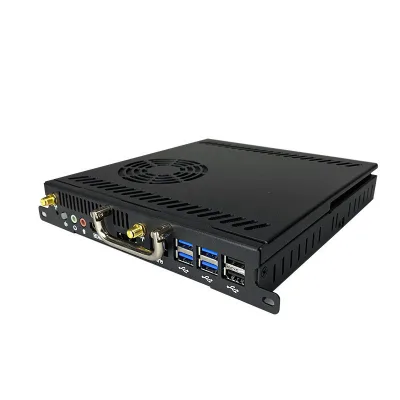


$300.00 - $500.00
MOQ: 1 Pieces

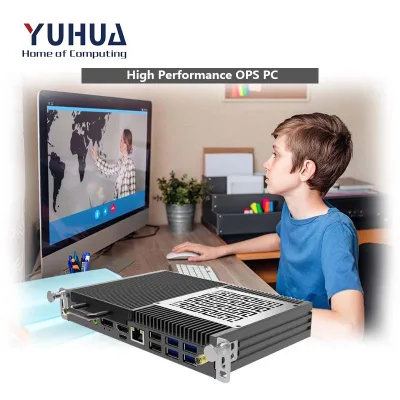
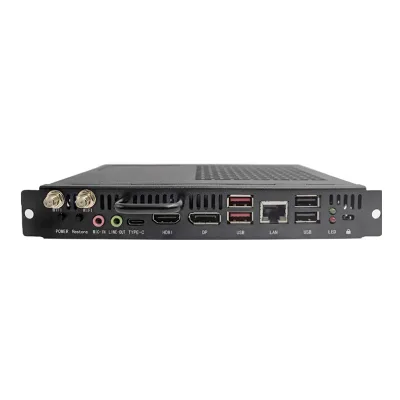
Desktop OPS Mini PC High Quality I5-8400 Industrial Control Tiny PC OPS 4K 60Hz
$300.00 - $500.00
MOQ: 1 Pieces



Comprehensive Sourcing Guide
Strategic Sourcing Guide for Touch Screen OPS Mini PCs
Understanding the Core Architecture and Form Factor
The intersection of OPS (Open Pluggable Specification) and Mini PC technology creates a specialized category of industrial computing hardware designed for digital signage, interactive kiosks, and compact commercial displays. When sourcing a "Touch Screen OPS Mini PC," buyers must first distinguish between the display unit and the computing module. The OPS standard typically refers to a slot-in computer module that plugs directly into the back of a compatible display, eliminating external cables and reducing clutter. However, the market also offers all-in-one units where the touch screen and the OPS-compatible mini PC are integrated into a single chassis.
Based on observed product attributes, the form factor for these devices is predominantly "Mini Desktop." This compact design is critical for applications where space is at a premium, such as retail counters or wall-mounted information terminals. The physical dimensions observed in the supply data vary significantly depending on the specific model configuration. Some industrial-grade units adhere to standards like 19518042mm, while larger all-in-one displays with integrated computing may reach dimensions of 405320140mm. Buyers must verify the exact envelope of the unit against their mounting requirements, whether for wall-mounting or desktop placement.
The internal architecture relies heavily on Intel processors, with generations ranging from the 7th to the 12th Gen observed in current listings. This range indicates a spectrum of performance capabilities, from entry-level tasks to high-throughput data processing. The operating system support is flexible, with systems typically supporting Windows 10, Windows 11, and various Linux distributions. This OS flexibility is a key differentiator for industrial applications where specific software environments are required. The presence of an "80 Pin Slot in OPS PC" connector confirms the device's ability to interface directly with compatible display panels, a standard feature for seamless integration in commercial environments.
Technical Specifications and Interface Capabilities
When evaluating the technical specifications of a Touch Screen OPS Mini PC, the interface portfolio is often the most critical factor for integration success. The observed product data highlights a robust array of connectivity options. Standard interfaces include HDMI, DisplayPort (DP), USB ports, RJ45 Ethernet, and Type-C connections. This diversity ensures compatibility with a wide range of peripherals and network infrastructures. For industrial applications requiring rugged connectivity, some models feature specific waterproof ports, such as 2USB and 1LAN, designed to withstand harsher environments.
The memory and storage configurations are highly customizable, reflecting the modular nature of these devices. RAM options typically span from 4GB to 32GB, allowing buyers to select capacity based on the multitasking demands of their specific application. Storage solutions are equally varied, offering solid-state drives (SSD) ranging from 128GB to 1TB, as well as traditional hard disk drives (HDD) up to 1TB. The drive type is primarily SSD, which provides the speed and reliability necessary for commercial use, though some configurations may include DVD-ROM drives for legacy media support. The memory type is consistently observed as DDR4, ensuring modern performance standards.
Touch technology is a defining feature of this category. The sourcing data indicates the use of capacitive touch technology, which offers high sensitivity and multi-touch capabilities suitable for interactive kiosks and educational displays. However, buyers must be vigilant, as some listed models are explicitly marked as "Without Touch Screen." This distinction is vital; a unit labeled as an OPS mini PC may be a bare computing module intended for an external display, whereas an all-in-one unit includes the screen. The display screen size varies, with some specifications noting 15.6-inch screens, while others may not list a specific size if the unit is a standalone module. The resolution is typically observed as 1920x1080, providing clear visual output for commercial signage.
Compliance, Certification, and Environmental Standards
In the B2B procurement of industrial electronics, compliance and environmental robustness are non-negotiable. The supply data references specific operating temperature ranges, with some units rated for environments between -20℃ and 60℃. This wide temperature tolerance is essential for deployments in uncontrolled environments, such as outdoor kiosks or warehouses. Buyers should verify that the specific unit they are purchasing meets the thermal requirements of their intended location, as standard consumer-grade mini PCs often have narrower operating ranges.
Regarding certifications, while the supply data mentions ISO 9001 and CE as background information, these should be treated as general market indicators rather than guaranteed attributes for every listed product. Buyers must request specific certification documentation for the exact model number they intend to purchase. The CE mark, for instance, indicates conformity with health, safety, and environmental protection standards for products sold within the European Economic Area. Similarly, ISO 9001 certification relates to the supplier's quality management systems. Without explicit verification, assuming a product possesses these certifications can lead to compliance risks, particularly in regulated industries.
The physical protection rating is another critical compliance aspect. Some industrial models feature a "Protection Rating" that includes specific screen resolutions and sizes, suggesting a level of durability. The material construction is often aluminum, which provides both heat dissipation and physical durability. For applications requiring resistance to dust or water, buyers should inquire about the specific IP rating, although the provided data does not explicitly list a standard IP number beyond general waterproof port descriptions. The packaging standard is typically carton, which is suitable for bulk shipping but requires proper handling to prevent damage during transit.
Cost Drivers and Procurement Economics
The pricing for touch screen OPS mini PCs is influenced by a complex interplay of factors, including processor generation, memory capacity, storage type, and the integration of touch technology. The observed price range in the market spans from $70 to $1,000 USD. This wide variance reflects the difference between basic computing modules and fully integrated, high-specification all-in-one units. A unit with a 12th Gen Intel processor, 32GB of RAM, and a 1TB SSD will naturally command a higher price than a 7th Gen model with 4GB RAM and 128GB storage.
Minimum Order Quantity (MOQ) is another significant economic factor. The observed MOQ range is 1 to 100 units. This flexibility allows small businesses to purchase single units for prototyping or pilot programs, while larger enterprises can leverage bulk ordering to negotiate better terms. However, buyers should be aware that the lowest price points often correspond to the highest MOQs. The customization availability is a key cost driver; products that allow for custom branding, specific OS pre-installation, or tailored interface configurations may incur additional costs or longer lead times.
The total cost of ownership (TCO) should also be considered beyond the initial purchase price. Factors such as energy efficiency, the longevity of the SSD versus HDD, and the availability of replacement parts contribute to long-term costs. Industrial-grade units with wider operating temperature ranges and ruggedized materials may have a higher upfront cost but offer lower maintenance costs over time due to reduced failure rates in harsh environments. Buyers should evaluate the specific use case to determine if the premium for industrial-grade components is justified by the operational environment.
Typical Applications and Use Cases
The versatility of touch screen OPS mini PCs makes them suitable for a diverse range of commercial and industrial applications. The primary use case identified in the data is "Commercial," which encompasses digital signage, retail point-of-sale systems, and information kiosks. In retail environments, these units can serve as interactive product displays, allowing customers to browse catalogs or check inventory levels. The capacitive touch technology ensures a responsive user experience, which is critical for customer engagement.
Industrial applications are another major sector. The "Industrial" classification in the product data points to uses in manufacturing plants, logistics centers, and healthcare facilities. In these settings, the mini PC can be mounted on walls or desks to monitor production lines, manage inventory, or provide access to patient records. The wide operating temperature range and ruggedized design make these units suitable for environments where standard consumer electronics would fail. The ability to run Linux or Windows allows for the deployment of specialized industrial software.
Other applications include educational settings, where the units can be used as interactive whiteboards or learning stations. The compact form factor allows for easy integration into existing furniture or wall mounts without consuming excessive space. The variety of mounting options, including wall-mounted and desktop configurations, further expands the potential use cases. Buyers should align the specific technical specifications, such as screen size and touch sensitivity, with the intended application to ensure optimal performance.
Supplier Evaluation and Quality Assurance
Selecting the right supplier is paramount when sourcing specialized hardware like touch screen OPS mini PCs. The supply data indicates that the products originate from China, a major hub for electronics manufacturing. Buyers should prioritize suppliers who demonstrate transparency in their manufacturing processes and provide clear documentation regarding product specifications. While specific supplier names should not be recommended, buyers can evaluate potential partners based on their responsiveness, technical support capabilities, and willingness to provide samples.
Quality control is a critical component of the procurement process. Buyers should request detailed test results and performance data for the specific models they are considering. This includes verifying the operating temperature limits, the durability of the touch screen, and the reliability of the storage components. The presence of an "80 Pin Slot" and other interface standards should be physically verified to ensure compatibility with existing display infrastructure. Additionally, buyers should inquire about the supplier's return policies and warranty terms, as these factors can significantly impact the risk profile of the purchase.
The customization options available from suppliers can also serve as a differentiator. Suppliers that offer flexible configurations, such as custom RAM/ROM combinations or specific OS installations, can provide a more tailored solution. However, buyers must balance the benefits of customization against the potential for increased lead times and costs. It is advisable to establish a clear communication channel with the supplier to ensure that all customization requests are accurately understood and executed.
Long-Term Procurement and Lifecycle Management
Sourcing touch screen OPS mini PCs is not merely a one-time transaction but part of a long-term procurement strategy. Buyers should consider the lifecycle of the product, including the availability of firmware updates, driver support, and replacement parts. The rapid evolution of processor generations means that older models may eventually become obsolete, necessitating a refresh strategy. Buyers should evaluate the supplier's roadmap to ensure that they can support the product line for the required duration.
Scalability is another important consideration. As business needs grow, the procurement strategy should allow for the easy expansion of the deployed units. The modular nature of OPS mini PCs facilitates this, as individual units can be replaced or upgraded without replacing the entire display system. Buyers should also consider the energy consumption of the units, as large-scale deployments can result in significant electricity costs over time. Selecting units with energy-efficient processors and power management features can help mitigate these costs.
Finally, buyers should plan for potential supply chain disruptions. The global electronics market is subject to fluctuations in component availability, which can impact lead times and pricing. Establishing relationships with multiple suppliers or maintaining a buffer stock of critical components can help mitigate these risks. By adopting a proactive approach to lifecycle management, buyers can ensure that their investment in touch screen OPS mini PCs continues to deliver value over the long term.
FAQs
What customization options are available for Touch Screen OPS Mini PC?
Customization is available for these devices to meet specific business needs. Buyers can request tailored configurations for operating systems, memory capacity, and storage types to ensure the unit fits their unique industrial or commercial application requirements.
Which Intel processor generations are supported in these mini PCs?
The devices support Intel processors ranging from the 7th to the 12th Generation. This wide range allows buyers to select a unit that balances performance needs with budget constraints for various commercial or industrial tasks.
How much RAM and storage capacity can be configured?
RAM options typically span from 4GB to 32GB using DDR4 memory. Storage capacities include SSDs from 128GB up to 1TB, as well as HDD options, providing flexible data storage solutions for different operational demands.
Can these units operate in extreme temperature environments?
Yes, specific industrial models operate within a temperature range of -20℃ to 60℃. This wide tolerance makes them suitable for harsh environments like warehouses or outdoor kiosks where standard consumer electronics might fail.
What interfaces are included for connectivity and display?
Standard interfaces include HDMI, DisplayPort, USB, RJ45 Ethernet, and Type-C connections. Some models also feature specific waterproof ports and an 80-pin OPS slot for direct integration with compatible display panels.
What is the typical minimum order quantity for these devices?
The minimum order quantity ranges from 1 to 100 units depending on the supplier and configuration. This flexibility allows small businesses to order single units for prototyping while larger enterprises can leverage bulk ordering for cost efficiency.
Are these mini PCs suitable for wall mounting or desktop use?
Mounting options include both wall-mounted and desktop configurations to suit various installation needs. The compact mini desktop form factor ensures they fit well in space-constrained commercial or industrial environments.