Source Tractor Gear Drive Potato Planter for Corn, Rice, and Beans
Find and compare 30 Tractor Gear Drive Potato Planter models from Chinese manufacturers. Evaluate specifications like row spacing, power requirements, and seeding functions to select the right machinery for corn, rice, and bean cultivation.
Key considerations
Products List


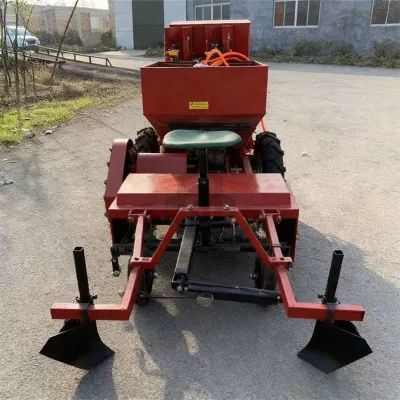
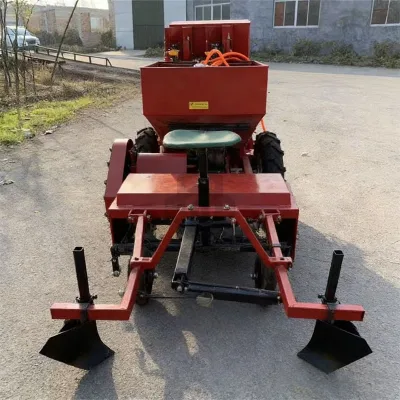
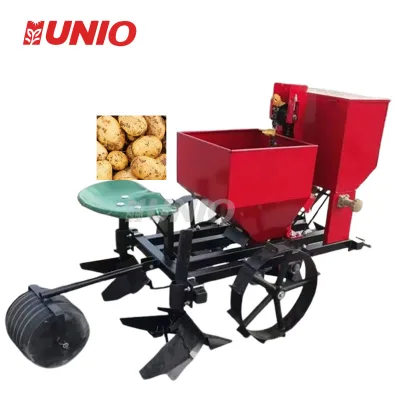
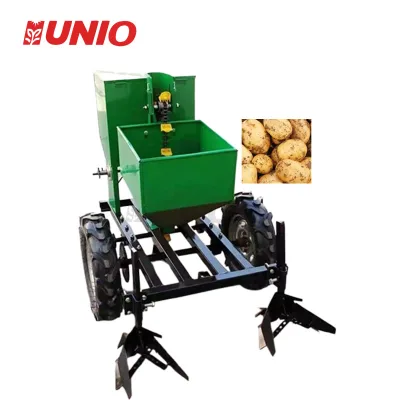
High Efficiency, Convenient and Durable Agricultural Machinery Potato Planter
$1428.60 - $1500.00
MOQ: 1 Pieces


2cm Series - Multi-Functional, High-Efficiency, Advanced Potato Planter
$628.00 - $660.00
MOQ: 1 Pieces
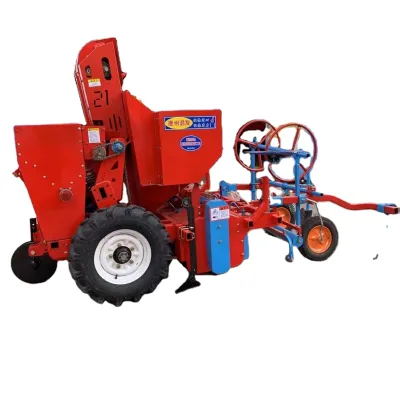
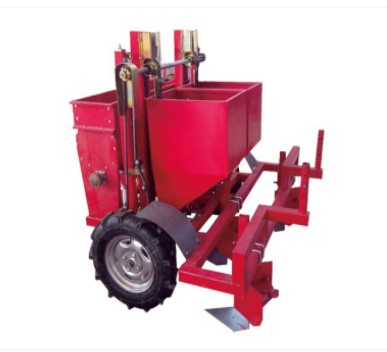
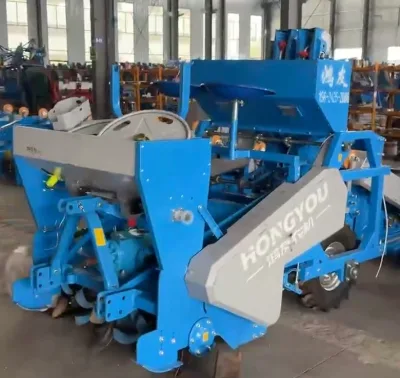
China Agricultural Potato Planter / for 20-80HP Tractor / OEM Available
$3104.79 - $3166.07
MOQ: 1 sets
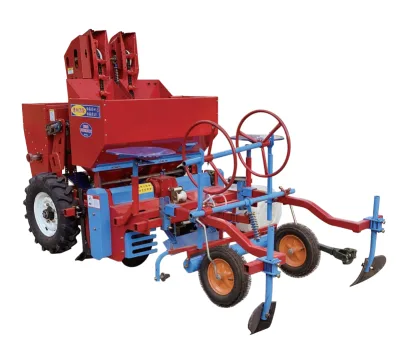
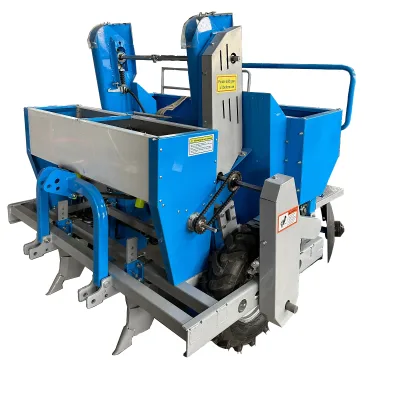
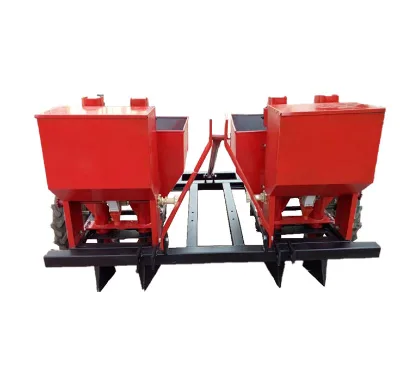
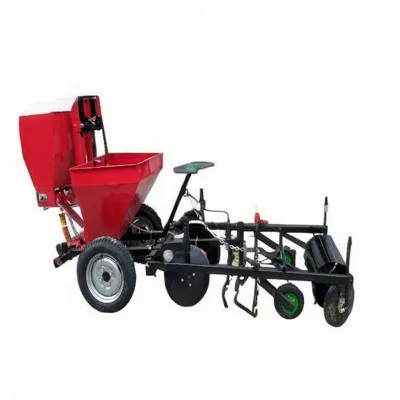
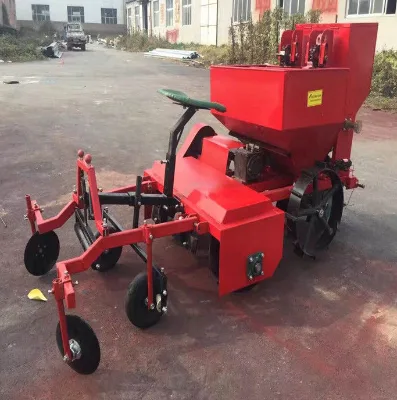
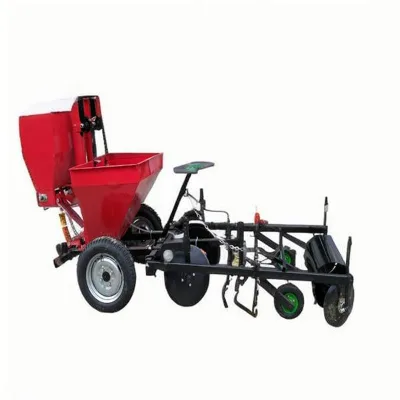
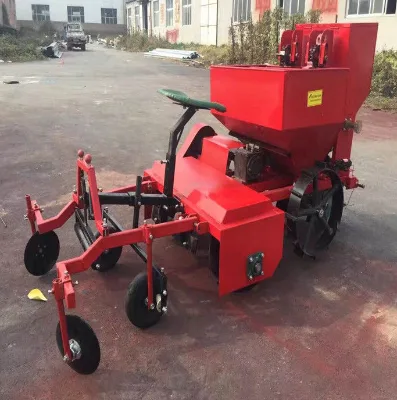
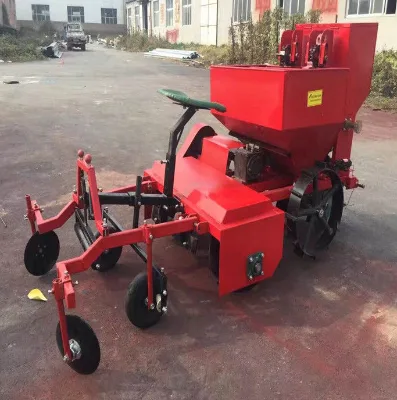


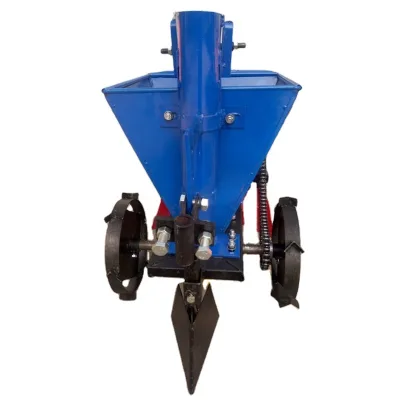
Factory-Direct Potato Planter with Seed Bunker, Fertilizer Bunker, Pesticide Tank
$28660.00 - $29000.00
MOQ: 1 Sets


Comprehensive Sourcing Guide
Tractor Gear Drive Potato Planter Sourcing Guide
Product Scope and Observed Listing Signals
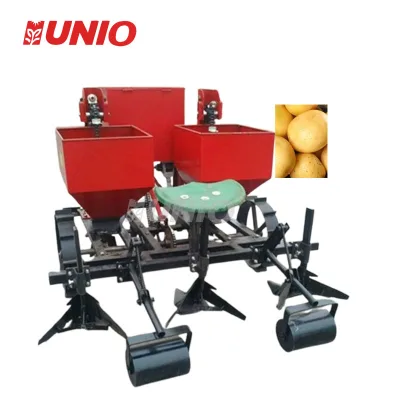
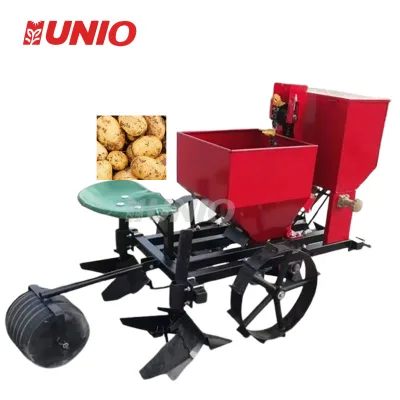
The market for tractor-mounted potato planters features a diverse range of semi-automatic and fully mechanized units designed to enhance planting efficiency for crops such as potatoes, corn, rice, and beans. Observed listings indicate that these machines are primarily classified as seedling planting machines with dual seeding and fertilization functions, allowing for simultaneous soil preparation and nutrient application. The power source for these units is predominantly diesel or tractor-driven, with specific models requiring a matched power range of 20-35 HP for smaller units and up to 50-90 HP for heavier-duty configurations. Buyers should note that while the core function remains consistent, the structural type varies, with many units utilizing a three-point suspended design for easy attachment to wheel-type tractors.
Commercial signals from current listings reveal a significant variance in pricing, ranging from approximately $160 to $29,000 USD, which reflects differences in capacity, row count, and automation level. The minimum order quantity (MOQ) is consistently observed at one unit, suggesting that suppliers are flexible for both individual farm purchases and small-scale distributor orders. Product origins are frequently cited as regions in China, such as Shandong and Dezhou, with standard export packaging or iron box protection used to ensure safe transit. These signals suggest a mature supply chain where customization is available, allowing buyers to tailor row spacing and other parameters to specific field conditions.
Technical Specifications to Verify
When evaluating technical specifications, the number of working rows and row spacing are critical determinants of field coverage and operational efficiency. Available models include four-row configurations with adjustable row spacing, typically ranging from 500mm to 1000mm, and plant spacing adjustable between 180mm and 350mm. The working width of these machines can be adjusted, with some models offering a width of up to 3600mm, which directly impacts the operation efficiency, often cited between 0.2 and 0.3 hectares per hour. Buyers must verify the specific model number, such as 2CM-2A2 or 2CM-1, as these identifiers correlate with distinct dimensional and performance characteristics, including overall dimensions and weight.
The mechanical transmission and seeding mechanism are equally important for ensuring consistent planting depth and seed distribution. Many units utilize a hard shaft transmission system and a scoop-type seeder, with quantities varying based on the number of rows, such as 40x4 units. The furrow opener type is often a double-faced share, designed to create clean furrows for precise seed placement. Additionally, the ground wheel type, typically a rubber tire with specific diameter and rim width, affects traction and ground clearance, which should be at least 300mm to prevent damage during transport. The seed box capacity, observed at 1280L for larger models, is a key factor in determining the frequency of refueling stops during large-scale planting operations.
Compliance and Safety Documentation
Certification requirements are a primary concern for international buyers, with CE certification being a commonly observed standard for machinery exported to various global markets. Buyers should verify that the supplier provides valid CE certificates and ISO9001 quality management certifications, ensuring that the manufacturing process adheres to recognized international standards. The condition of the machinery is typically listed as new, but documentation must confirm that all safety guards, warning labels, and operational manuals are included and compliant with the destination country’s regulations. Without proper certification, customs clearance may be delayed, and the machinery may not be legally operable in certain jurisdictions.
Safety documentation should also include detailed operational manuals that cover the proper use of the three-point suspension system and the tractor connection interface. Since these machines are often semi-automatic, the manual must clearly outline the procedures for adjusting row spacing, plant spacing, and fertilization rates to prevent mechanical failure or injury. Buyers should request evidence of factory testing or quality control reports that verify the structural integrity of the frame and the reliability of the gear drive system. Ensuring that the supplier provides comprehensive safety guidelines helps mitigate risks associated with high-speed agricultural operations and heavy machinery handling.
Cost Drivers and Commercial Terms
The cost of a Tractor Gear Drive Potato Planter is influenced by several key factors, including the number of working rows, the capacity of the seed box, and the complexity of the transmission system. Models with higher matched power requirements, such as those needing 50-90 HP, generally command higher prices due to the robust construction and heavier components required to handle the increased load. Additionally, the inclusion of dual seeding and fertilization functions adds to the manufacturing complexity and cost, offering greater value by combining two operations into one pass. Buyers should consider the total cost of ownership, including maintenance and spare parts availability, rather than focusing solely on the initial purchase price.
Commercial terms such as packaging and shipping methods also impact the final landed cost. Standard export packaging or iron box protection is commonly used to prevent damage during transit, but buyers should confirm who bears the cost of these materials and the associated freight charges. The MOQ of one unit allows for flexible purchasing, but buyers should negotiate for volume discounts if ordering multiple units or planning for future expansion. It is advisable to clarify the Incoterms of the sale, such as FOB or CIF, to understand the responsibilities for insurance and logistics. Clear communication regarding payment terms and delivery schedules is essential to avoid unexpected costs or delays.
Supplier Qualification and Quality Control
Supplier qualification begins with verifying the manufacturer’s location and production capabilities, with many reputable suppliers based in industrial hubs like Shandong and Dezhou. Buyers should assess the supplier’s ability to provide customization services, as this indicates a higher level of engineering support and flexibility. Checking for ISO9001 certification is a reliable indicator of a supplier’s commitment to quality management systems, ensuring that each unit undergoes consistent quality checks before shipment. Buyers should also inquire about the supplier’s after-sales support structure, including the availability of technical assistance and spare parts, to ensure long-term operational reliability.
Quality control processes should be transparent and documented, with suppliers providing pre-shipment inspection reports or video demonstrations of the machinery in operation. Buyers should verify the materials used in construction, such as the type of steel for the frame and the durability of the rubber tires, to ensure longevity in harsh field conditions. It is advisable to request references from previous clients or to conduct a factory audit if the order value is significant. Establishing a clear quality assurance protocol, including acceptance criteria for dimensional accuracy and functional performance, helps protect the buyer from receiving substandard equipment.
Long-Term Procurement Checks
Long-term procurement success depends on the availability of spare parts and the supplier’s ability to provide ongoing technical support. Buyers should establish a relationship with the supplier to ensure a steady supply of critical components such as seed scoops, furrow openers, and transmission gears. Regular maintenance schedules should be developed in consultation with the supplier to maximize the lifespan of the machinery and prevent unexpected breakdowns during the planting season. Keeping a record of maintenance activities and part replacements helps in predicting future needs and budgeting for operational costs.
Continuous evaluation of the machinery’s performance in the field is essential for identifying any design flaws or operational inefficiencies. Buyers should monitor metrics such as planting accuracy, fuel consumption, and downtime to assess the true value of the investment. If issues arise, prompt communication with the supplier is crucial for resolving technical problems and obtaining necessary adjustments or replacements. Building a long-term partnership with a reliable supplier can lead to better pricing, priority service, and access to new product innovations, ensuring that the procurement strategy remains aligned with evolving agricultural needs.
FAQs
What is the power source for the Tractor Gear Drive Potato Planter?
The machine uses a diesel power source or connects to a tractor for operation. It matches with wheel-type tractors providing 36.8 to 58.8 horsepower for efficient field performance.
Which certification does the potato planter hold for safety compliance?
The product holds CE and ISO9001 certifications ensuring it meets international safety and quality standards. These certifications confirm the machine is new and compliant for export markets.
How adjustable is the row spacing on the Hill-Drop Potato Planter?
The row spacing is adjustable up to 900 millimeters to accommodate different crop layouts. This flexibility allows farmers to optimize planting density for various agricultural conditions effectively.
Can the planter handle multiple crops like corn and rice?
Yes, the machine is designed for application on corn, rice, beans, and soybeans. Its dual seeding and fertilization function supports diverse agricultural needs across different crop types.
What is the working efficiency of the semi-automatic planting machine?
The operation efficiency ranges from 0.2 to 0.3 hectares per hour depending on field conditions. This rate ensures steady progress while maintaining precision in seed placement.
Where is the Tractor Gear Drive Potato Planter manufactured?
The product originates from Shandong, China, with some models sourced from Dezhou. These locations are known for producing standard agricultural machinery meeting export requirements.