Source Tractor Chock Block for Railway, Tunnel, and Parking
Find and compare 30 Tractor Chock Block options for railway, tunnel, and parking applications. These rubber blocks feature customizable dimensions, ISO and CE certifications, and durable materials like chrome carbide or mild steel to secure vehicles effectively.
Key considerations
Products List


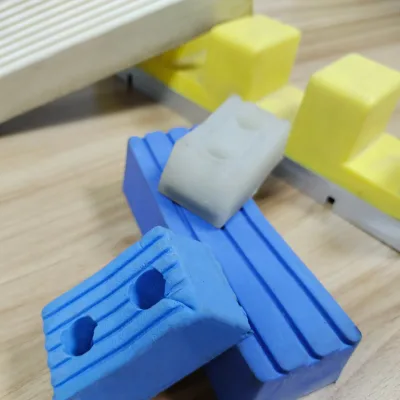


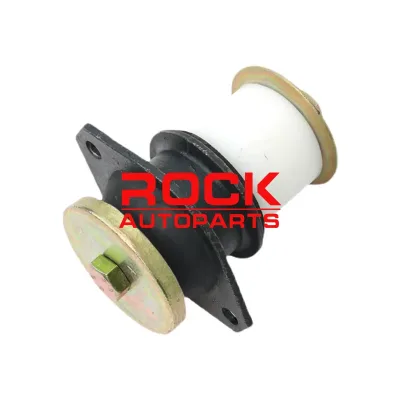


$2.50 - $3.20
MOQ: 300 Pieces


$1.00 - $5.00
MOQ: 100 Pieces
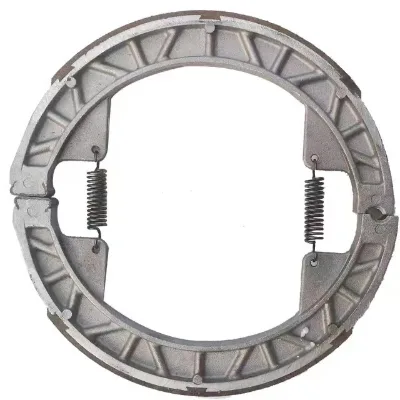
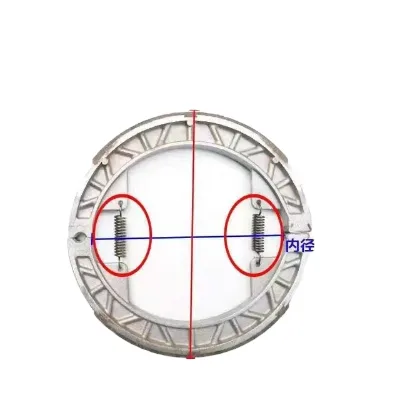


Comprehensive Sourcing Guide
Tractor Chock Block Sourcing Guide
Sourcing chock blocks for tractors and heavy agricultural machinery requires a disciplined approach to material selection, dimensional accuracy, and load-bearing reliability. These devices serve as critical safety components, preventing unintended movement of equipment during maintenance, storage, or transport. Buyers must distinguish between general-purpose wheel chocks and specialized blocks designed for the specific tire profiles and ground conditions associated with agricultural operations. The procurement process involves evaluating suppliers based on their ability to provide consistent quality, appropriate certifications, and scalable production capabilities that align with fleet maintenance schedules.
This guide provides evidence-based procurement strategies for sourcing tractor chock blocks, focusing on the technical and commercial realities observed in the current market. It addresses the verification of material properties, the interpretation of technical specifications, and the assessment of supplier qualifications. By adhering to these guidelines, procurement professionals can mitigate risks associated with product failure, ensure compliance with safety standards, and optimize total cost of ownership through informed supplier selection and contract structuring.
Product Scope and Observed Listing Signals
The market for chock blocks encompasses a diverse range of products, from simple rubber wedges to complex, multi-component locking systems. Observed listings indicate a wide variation in dimensions, with lengths ranging from 120mm to 270mm and heights from 60mm to 190mm. This variability suggests that buyers must carefully match the chock block specifications to the specific tire diameter and tread width of their tractor models. Generic blocks may not provide adequate contact area or stability for larger agricultural tires, potentially leading to slippage or damage to the tire sidewall during securing operations.
Material composition is a primary differentiator in product listings, with rubber being a common choice for its flexibility and grip, while metal variants offer superior durability under extreme loads. Some listings highlight features such as bendability or cut-to-shape capabilities, indicating the use of softer rubber compounds or specific manufacturing processes. Conversely, other products are described using high-hardness materials like Chrome Carbide Hyster White Iron or Mild Steel, suggesting applications where abrasion resistance and structural integrity are paramount. Buyers should interpret these material claims as observations of specific product lines rather than universal standards for all chock blocks.
Technical Specifications to Verify
Dimensional accuracy is critical for ensuring that chock blocks fit securely against tractor tires without causing instability. Standardized dimensions such as 250mm x 190mm x 150mm or 200mm x 100mm x 150mm are observed in the market, but buyers must verify that these measurements align with the actual tire geometry of their equipment. The weight of the chock block, ranging from 0.3kg to 3kg per piece, also plays a role in usability and portability. Lighter blocks may be easier to handle but could lack the mass necessary to resist high-torque forces, while heavier blocks provide stability but may be cumbersome for frequent repositioning.
The working mode and operational characteristics of the chock block should also be scrutinized. Some products are designed for unmanned operation, implying a passive design that relies on friction and geometry to hold the vehicle in place. Others may feature specific driving modes, such as positive operation, which could indicate a mechanical locking mechanism or a design that engages more firmly under load. Buyers should verify these operational attributes to ensure that the chosen chock block integrates seamlessly with their existing safety protocols and maintenance workflows.
Compliance and Safety Documentation
Certification status is a key indicator of a supplier’s commitment to quality and safety. Observed listings include certifications such as ISO, CE, and ISO9001, which suggest that the manufacturer adheres to recognized quality management systems and European safety directives. However, buyers should not assume that all listed products automatically possess these certifications. It is essential to request valid certification documents and verify their authenticity with the issuing body. Compliance with these standards can provide assurance that the chock blocks have undergone rigorous testing and quality control processes.
Safety documentation should also include detailed product specifications and usage guidelines. Buyers should ensure that the supplier provides clear instructions on how to properly position and secure the chock block to prevent accidents. This may include information on the maximum load capacity, recommended surface conditions, and maintenance requirements. Additionally, buyers should verify that the product meets any local or industry-specific safety regulations applicable to agricultural equipment maintenance.
Cost Drivers and Commercial Terms
Pricing for chock blocks varies significantly based on material, size, and customization options. Observed price ranges span from $0.36 to $10,000, reflecting the diversity of products available, from simple rubber wedges to complex, high-end locking systems. Buyers should analyze the cost structure to understand the value proposition of each option. Higher-priced items may offer superior durability, specialized features, or bulk discounts, while lower-priced items may be suitable for light-duty or occasional use.
Minimum Order Quantities (MOQ) and packaging methods are also important commercial considerations. MOQs range from 1 to 500 pieces, allowing buyers to scale their orders based on demand. Packaging options include woven bags, cartons, pallets, and neutral packing, which can impact shipping costs and storage efficiency. Buyers should negotiate terms that align with their inventory management strategies and logistical capabilities, ensuring that the total cost of acquisition, including shipping and handling, remains within budget.
Supplier Qualification and Quality Control
Supplier location and origin can influence lead times, shipping costs, and communication efficiency. Many observed products originate from China, with specific mentions of locations such as Sanmen, Taizhou, Zhejiang. Buyers should assess the supplier’s production capacity, quality control processes, and track record to ensure reliability. Requesting samples and conducting factory audits can provide valuable insights into the supplier’s capabilities and commitment to quality.
Quality control measures should include regular inspections of raw materials, production processes, and finished products. Buyers should verify that the supplier implements robust testing protocols to ensure that each chock block meets the specified dimensional and material requirements. Additionally, buyers should inquire about the supplier’s warranty and return policies to mitigate risks associated with defective products. Establishing a strong relationship with a qualified supplier can lead to better pricing, improved service, and consistent product quality over time.
Long-Term Procurement Checks
Continuous monitoring of supplier performance is essential for maintaining a reliable supply chain. Buyers should establish key performance indicators (KPIs) such as on-time delivery, product quality, and responsiveness to issues. Regular reviews of these metrics can help identify potential problems early and allow for corrective actions. Additionally, buyers should stay informed about industry trends and technological advancements in chock block design to ensure that their procurement strategies remain competitive and effective.
Long-term procurement also involves evaluating the sustainability and environmental impact of the products and suppliers. Buyers should consider the recyclability of materials, the energy efficiency of production processes, and the supplier’s adherence to environmental regulations. By prioritizing sustainable practices, buyers can reduce their carbon footprint and contribute to a more responsible supply chain. Regularly updating procurement policies to reflect these considerations can enhance the overall value and resilience of the sourcing strategy.
FAQs
What materials are used for tractor chock blocks?
Tractor chock blocks are primarily made from rubber, chrome carbide, and mild steel. Some models feature chrome carbide hysteresis white iron for enhanced durability and hardness up to 63HRC, ensuring they withstand heavy loads and harsh environments effectively.
Which certifications do these chock blocks hold?
These products commonly hold ISO and CE certifications to ensure quality and safety compliance. Specific models may also meet ISO9001 standards, indicating that the manufacturing processes adhere to strict quality management systems for reliable industrial applications.
How can I customize the dimensions of the chock?
Customization is available for various dimensions, including lengths of 120mm, 200mm, 250mm, and 270mm. Buyers can select specific models like ZTQ-101-6 or ZTQ-001-12 to match their exact width and height requirements for different vehicle types.
What is the typical weight of a single chock block?
The weight varies by model, ranging from 0.3kg for smaller units to 3kg for larger heavy-duty blocks. Specific models like ZTQ-102 weigh 2.9kg, while others such as ZTQ-201-18 are rated at 3kg per piece for stability.
Can these chock blocks be used in tunnels and railways?
Yes, these chock blocks are designed for applications in parking, tunnels, railways, and roads. Their robust construction and specific dimensions make them suitable for securing vehicles in diverse infrastructure environments including underground tunnels and railway tracks.
What packaging options are available for bulk orders?
Packaging options include woven bags, cartons, pallets, and neutral packing depending on the model. Larger units often come in cartons or on pallets, while smaller items may be packed in woven bags to ensure safe transport and storage.
Where are these tractor chock blocks manufactured?
Most products originate from China, with specific manufacturing locations in Sanmen, Taizhou, Zhejiang. This regional production ensures access to established supply chains and competitive pricing for international buyers seeking reliable industrial safety equipment.