Source Tractor Use Ride-on Plow Truck for Farming
Find 30 listings for Tractor Use Ride-on Plow Truck options suitable for agricultural and industrial tasks. Compare specifications including power, drive type, and automation features to identify the right machinery for your operational needs; compare the available evidence and request quotations based on your requirements.
Key considerations
Products List


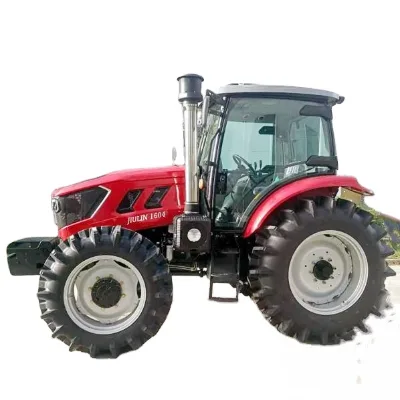
Utility Tractor Ride on Tractor Mower Heavy Duty Diesel 4X4 220HP Tractor
$31600.00 - $31700.00
MOQ: 1 Pieces




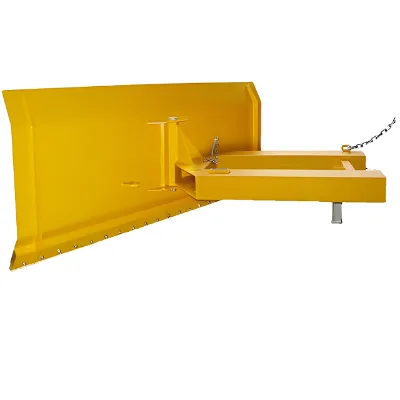
Hydraulic-Driven for Heavy Trucks Straight Blade Truck Snow Plow Machine
$1200.00 - $3000.00
MOQ: 1 Pieces


High-Performance Vehicle-Mounted Snow Plow for Highways & National Roads
$1500.00 - $4500.00
MOQ: 1 piece


Comprehensive Sourcing Guide
Tractor Use Ride-on Plow Truck Sourcing Guide
The market for ride-on tractors designed for plowing and heavy-duty utility tasks presents a diverse range of configurations, from compact garden units to large agricultural machines. Buyers must distinguish between gasoline-powered sweepers and high-horsepower wheel tractors, as the intended application dictates the necessary powertrain and chassis specifications. The observed product data indicates a clear split between smaller, single-brush sweepers and robust 4WD tractors capable of handling significant loads, requiring careful alignment of machine type with operational needs.
Procurement decisions should prioritize the specific operational environment, whether it involves lawn maintenance, farm plowing, or general garden tasks. The available listings show variations in drive systems, with some units featuring 4WD capabilities essential for uneven terrain, while others rely on standard configurations. Understanding these distinctions is critical before engaging with suppliers, as the wrong selection can lead to operational inefficiencies or premature equipment failure in demanding field conditions.
Product Scope and Observed Listing Signals
Buyers should expect to encounter a wide spectrum of product sizes, ranging from middle-sized units to large-scale agricultural tractors with substantial dimensions. The observed listings include specific model identifiers like TC130 and TK-50, alongside detailed standard measurements such as 130CM or 5580x2550x3200mm, which serve as primary filters for matching equipment to physical site constraints. These size variations directly influence the machine's maneuverability and the type of attachments it can support during plowing or hauling operations.
Power sources and fuel types are equally critical differentiators in the current market, with options spanning gasoline, diesel, and electric battery systems. The data reveals that many heavy-duty units operate on gasoline or diesel engines, offering high horsepower ratings up to 260HP, while other specialized units may utilize lead-acid batteries for quieter, emission-free operation. This diversity requires buyers to verify fuel availability and infrastructure compatibility at their specific site before finalizing a purchase to ensure uninterrupted workflow.
Technical Specifications to Verify
Engine performance metrics, including rated speed and cylinder count, must be rigorously checked to ensure the tractor can handle the torque requirements of plowing heavy soil. The observed specifications highlight engines with six cylinders and rated speeds around 2100r/Min, which are indicative of robust power delivery for sustained agricultural work. Buyers should confirm that the gearbox configuration, such as the 16 forward and 16 reverse gears, aligns with the specific speed and torque needs of their terrain to prevent mechanical strain during operation.
Chassis and drivetrain details, including wheel base, track width, and tire specifications, are vital for stability and traction during heavy lifting or plowing tasks. Listings indicate wheel bases around 2880mm and tire sizes like 16.9-28, which provide the necessary footprint for large-scale operations. Additionally, the presence of a mechanical differential lock and hydraulic output sets should be verified to ensure the machine can maintain traction in slippery conditions and power auxiliary implements effectively.
Compliance and Safety Documentation
Certification status is a non-negotiable aspect of procurement, as the market data confirms the presence of CE, ISO, and EPA certifications across various models. Buyers must request current certification documents to verify that the equipment meets the regulatory safety and environmental standards required for their specific region of operation. The absence of these documents can lead to legal liabilities and operational bans, making it essential to validate that the supplier provides up-to-date compliance proof for every unit purchased.
Emission standards and safety features must also be scrutinized to ensure the machinery adheres to local environmental regulations and workplace safety protocols. The observed listings reference Euro II emission standards, which is a critical benchmark for diesel-powered units in many jurisdictions. Furthermore, safety features such as LED lighting and specific control mechanisms should be confirmed to ensure the operator has adequate visibility and control, reducing the risk of accidents during complex plowing maneuvers.
Cost Drivers and Commercial Terms
Pricing in this sector is heavily influenced by horsepower ratings, engine type, and the complexity of the drivetrain, with observed ranges spanning from modest entry-level prices to substantial investments for high-horsepower units. The significant variance in listed prices reflects the difference between compact sweepers and heavy-duty 4WD tractors, requiring buyers to budget based on the specific power and capacity requirements of their project. Understanding these cost drivers helps in negotiating effectively and avoiding overpayment for features that are not essential to the intended application.
Minimum Order Quantities (MOQ) and packaging requirements also play a significant role in the total cost of ownership and logistics planning. The data shows MOQs ranging from single units to twenty, allowing flexibility for both small contractors and large agricultural enterprises. Packaging options, from wooden boxes to nude shipping, impact freight costs and protection during transit, so buyers should clarify these terms early to prevent unexpected expenses and ensure the equipment arrives in pristine condition.
Supplier Qualification and Quality Control
Supplier origin and manufacturing location are key indicators of supply chain reliability and potential logistical challenges. The observed data points to manufacturers primarily located in China and specifically in the Shandong province, a known hub for agricultural machinery production. Buyers should verify the specific factory location to assess shipping times and potential tariffs, while also ensuring the supplier has a proven track record of exporting to their target market to mitigate risks associated with cross-border trade.
Quality control processes and service life expectations must be validated through direct inquiry and review of past performance data. The listings suggest a service life of 6 to 10 years for certain models, which sets a benchmark for durability and long-term value. Buyers should request detailed maintenance schedules and warranty terms to ensure the supplier stands behind their product quality, as the longevity of the tractor is directly tied to the robustness of its frame material and the precision of its assembly.
Long-Term Procurement Checks
Maintenance requirements and the availability of spare parts are critical factors that determine the operational continuity of the tractor fleet over its service life. Buyers should confirm that the supplier offers a comprehensive supply chain for replacement parts, particularly for high-wear components like brushes, tires, and hydraulic systems. A lack of readily available parts can lead to extended downtime, negating the benefits of the initial investment and disrupting critical agricultural or landscaping schedules.
Future scalability and compatibility with additional attachments should be evaluated to ensure the tractor remains a versatile asset as operational needs evolve. The observed data includes options for customizations and various working parts, suggesting that many units can be adapted for different tasks beyond initial plowing. Buyers should verify the availability of optional upgrades, such as different PTO shaft speeds or hydraulic configurations, to ensure the machine can grow with their business requirements without necessitating a complete replacement.
FAQs
What certifications are available for ride-on tractors?
Certifications include CE, ISO, ISO/TSISO, CCC, and EPA depending on the model. These ensure compliance with regional safety and emission standards. Buyers should verify specific certificates for their target market to avoid import issues and ensure operational legality.
Can I customize the tractor specifications?
Yes, customization is available for many models. Buyers can often request specific packaging, color variations, or functional adjustments. This allows for tailored solutions that meet unique operational requirements or branding needs in different agricultural or industrial sectors.
What is the typical service life of these tractors?
The service life is typically 6-10 years with proper maintenance. This duration depends on usage intensity and environmental conditions. Regular servicing of the engine, hydraulic system, and drive components ensures longevity and consistent performance throughout the operational lifespan.
How is the power output defined for large models?
Large models like the LTS2204 offer power ratings of 220HP, 240HP, or 260HP. These high-output engines support heavy-duty tasks. The rated speed is 2100r/Min with a 6-cylinder configuration, providing robust torque for demanding agricultural applications.
What drive systems are used in these tractors?
Drive systems include 4WD configurations for enhanced traction. Models feature mechanical differential locks and various gearbox options, such as 16 forward and 16 reverse gears. This setup ensures stability and control on uneven terrain or during heavy load operations.
What are the standard packaging options for shipment?
Packaging options include wooden boxes or nude shipping based on customer requirements. Wooden boxes provide extra protection for smaller units, while nude shipping is common for larger tractors. This flexibility helps optimize logistics costs and ensures safe delivery to the destination.