Source Transparent Carbon Fishing Line for Sea, Bench, and Water
Compare 30 Transparent Carbon Fishing Line options from China suppliers with varying diameters, strengths, and lengths. Buyers can evaluate sink lines, main lines, and fluorocarbon materials for sea, bench, and water applications with customizable packaging and OEM services; compare the available evidence and request quotations based on your requirements.
Key considerations
Products List


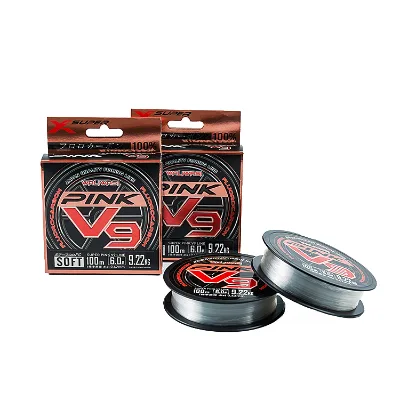
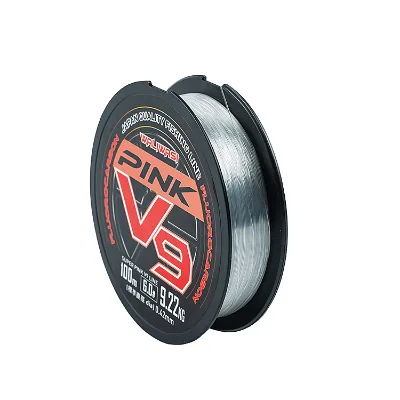
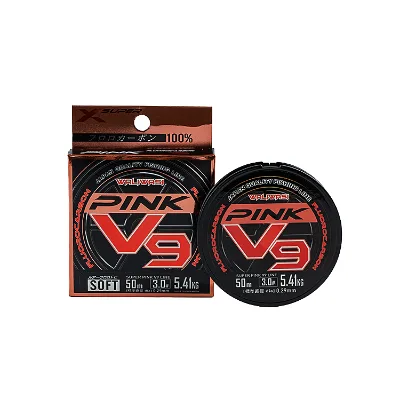
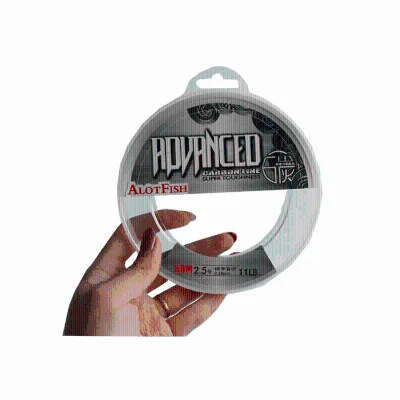
Original Transparent 100% Fluorocarbon Fishing Lines Catfish Fishing Line
$3.60 - $4.32
MOQ: 100 Pieces


High Abrasion Resistance 111lb Transparent Wire Fluorocarbon Fishing Line
$19.55 - $23.46
MOQ: 100 Pieces

High Abrasion Resistant Fishing Wire Transparent Fluorocarbon Fishing Lines
$12.77 - $15.32
MOQ: 100 Pieces



Comprehensive Sourcing Guide
Transparent Carbon Fishing Line Sourcing Guide
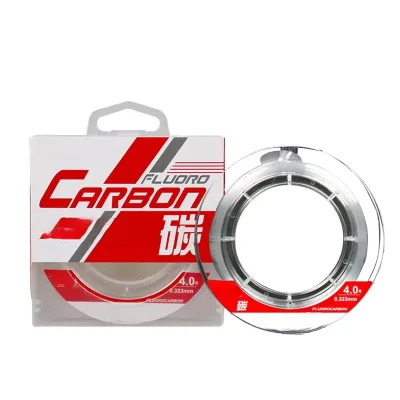
Procuring transparent fluorocarbon fishing line requires a nuanced understanding of material properties and supply chain dynamics. Buyers must distinguish between true fluorocarbon and standard nylon monofilament, as visual transparency alone is insufficient for verification. The core keyword highlights a specific aesthetic and functional preference, but the underlying material science dictates performance in saltwater environments. Sourcing decisions should prioritize suppliers who can provide clear evidence of polymer composition rather than relying solely on product titles or marketing imagery.
This guide outlines the critical verification steps for B2B buyers seeking high-quality transparent fishing lines. It addresses technical specifications, compliance documentation, and commercial terms observed in current market listings. By focusing on observable data points such as diameter, strength, and packaging standards, buyers can mitigate risks associated with counterfeit or substandard products. The following sections provide a structured approach to evaluating suppliers and ensuring that the final product meets the rigorous demands of professional fishing applications.
Product Scope and Observed Listing Signals
The current market for transparent fishing lines exhibits a wide range of price points, typically spanning from low-cost options to premium specialized lines. Observed listings indicate a price range of $0.30 to $23.46 USD, reflecting significant variation in material quality and brand positioning. Buyers should interpret this broad spectrum as a signal to scrutinize product details closely, as lower prices may correlate with inferior abrasion resistance or higher water absorption rates. Understanding this variance is essential for aligning procurement budgets with expected performance levels.
Minimum Order Quantities (MOQs) vary considerably, with observed ranges starting from as low as 9 units up to 1,000 units. This flexibility allows both small-scale retailers and large distributors to find suitable entry points, but it also necessitates careful inventory planning. Many suppliers offer customization options, including OEM branding and custom packaging, which are critical for private-label strategies. Buyers should verify whether the quoted MOQ applies to specific diameters or strengths, as niche specifications may carry higher minimums due to production constraints.
Technical Specifications to Verify
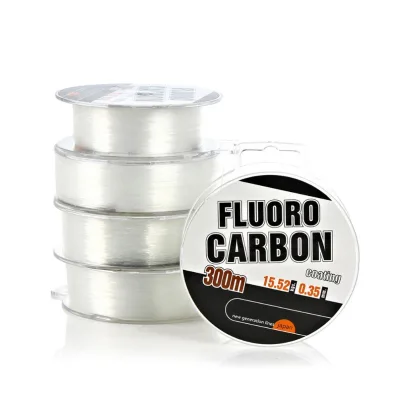
Verifying the physical attributes of the fishing line is paramount to ensuring product integrity. Key specifications to confirm include diameter, tensile strength, and length per spool. Observed data points suggest diameters ranging from 0.30mm to 0.50mm, with specific strengths noted at 15lb, 20lb, and higher variants. Buyers must ensure that the listed diameter corresponds accurately to the stated strength, as discrepancies can lead to line failure during use. Additionally, length specifications, such as 300m per spool, should be validated against industry norms to prevent short-changing.
The buoyancy characteristic of fluorocarbon line is a critical differentiator, with most high-quality options being sink lines due to their higher density than water. Buyers should confirm that the product is indeed a sink line if that is the desired performance trait. Furthermore, the presence of a ruler or measurement tool on the spool is often a no, requiring buyers to rely on external verification methods. Transparency in labeling regarding line number, such as 3.5# to 8#, should be cross-referenced with actual diameter measurements to ensure consistency across batches.
Compliance and Safety Documentation
While specific certification statuses are not universally disclosed in all listings, buyers must request relevant safety and quality documentation from suppliers. This includes material safety data sheets (MSDS) to verify the absence of harmful chemicals in the fluorocarbon polymer. For international trade, compliance with destination country regulations regarding fishing gear materials is essential. Buyers should inquire about any internal quality control standards that the supplier adheres to, such as ISO certifications or specific industry benchmarks for line durability.
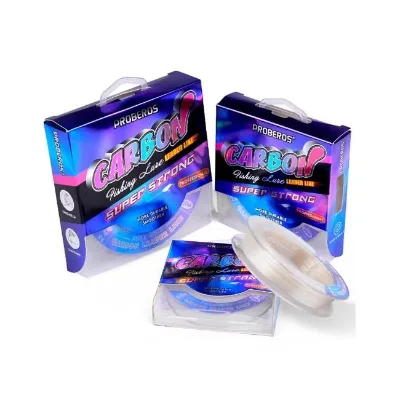
Packaging standards also play a role in compliance and product protection. Observed packaging formats include cartons with specific counts, such as six pieces per box or ten pieces per box, as well as narrow spool configurations. Buyers should ensure that the packaging protects the line from UV degradation and physical damage during transit. Custom packaging options are available, but they must meet the same protective standards to maintain product integrity. Verifying these details helps prevent damage claims and ensures that the product arrives in sellable condition.
Cost Drivers and Commercial Terms
Several factors influence the final cost of transparent fishing lines, including raw material prices, production complexity, and order volume. The availability of OEM and ODM services can add to the cost due to custom branding and packaging requirements. Buyers should analyze the total landed cost, which includes shipping, tariffs, and insurance, rather than focusing solely on the unit price. Understanding these cost drivers allows for more accurate budgeting and negotiation strategies when engaging with suppliers.
Commercial terms vary widely, with payment options including wire transfer, PayPal, L/C, and Alipay. Trading terms such as FOB, CIF, CNF, EXW, DDP, and DDU offer different levels of responsibility and risk allocation. Buyers should select terms that align with their logistical capabilities and risk tolerance. For instance, EXW places maximum responsibility on the buyer, while DDP minimizes it. Clarifying these terms early in the negotiation process prevents unexpected costs and ensures a smooth transaction.
Supplier Qualification and Quality Control
Evaluating supplier qualifications is crucial for establishing a reliable supply chain. Buyers should verify the supplier’s origin, with many listings indicating production in China, particularly in Guangdong province. This regional concentration often correlates with established manufacturing infrastructure and competitive pricing. However, buyers must conduct due diligence to ensure that the supplier has a proven track record of quality and consistency. Requesting samples is a vital step in this process, as it allows for hands-on evaluation of the product’s physical properties.
Quality control measures should be explicitly discussed with potential suppliers. Buyers should inquire about the supplier’s testing protocols for tensile strength, abrasion resistance, and knot strength. While specific test results may not be publicly listed, reputable suppliers should be willing to share their internal QC procedures. Additionally, buyers should assess the supplier’s ability to maintain consistency across large orders. Establishing clear quality expectations and communication channels helps mitigate the risk of receiving substandard products.
Long-Term Procurement Checks
Building a long-term relationship with a fishing line supplier requires ongoing monitoring and evaluation. Buyers should regularly review product performance in the market, gathering feedback from end-users regarding durability and handling. This feedback loop is essential for identifying any emerging quality issues or changes in material composition. Maintaining open communication with the supplier allows for timely adjustments and continuous improvement in product quality.
Supply chain resilience is another critical aspect of long-term procurement. Buyers should diversify their supplier base to mitigate risks associated with production delays or geopolitical factors. Regularly reviewing commercial terms and market prices ensures that the procurement strategy remains competitive. Additionally, staying informed about industry trends and technological advancements in fishing line materials can provide a strategic advantage. By proactively managing these factors, buyers can secure a stable and high-quality supply of transparent carbon fishing lines.
FAQs
What customization options are available for this fishing line?
Customization is available for this fluorocarbon fishing line to meet specific buyer needs. The product accepts OEM requests and offers customer-made packaging options. Buyers can select from various line numbers and diameters while maintaining the transparent color and sink line characteristics required for sea fishing applications.
Which specifications define the diameter and strength of this line?
The line features diameters ranging from 0.3mm to 0.5mm with strengths varying from 15lb to 111lb. Specific models include fluorocarbon lines with diameters like 0.32mm and 0.415mm. These specifications ensure the line is suitable for different fishing scenarios while maintaining the required sink line buoyancy characteristic for effective performance.
Can buyers request samples before placing a bulk order?
Yes, samples are available for buyers who wish to test the product quality before committing to a larger purchase. The product originates from China Mainland and offers fast delivery options. Buyers can negotiate packaging and payment terms including wire transfer or PayPal to facilitate the sample acquisition process smoothly.
How is the product packed and what is the minimum order quantity?
The product is packed in cartons or narrow spools with standards like 6 pieces or 10 pieces per box. The minimum order quantity is 100 pieces, though some listings show ranges up to 1000. Buyers can also negotiate package details to suit their specific logistical requirements for shipping and storage.
What trading terms and payment methods are accepted for this line?
Accepted payment terms include wire transfer, PayPal, L/C, and Alipay to ensure secure transactions. Trading terms cover FOB, CIF, CNF, EXW, DDP, and DDU for flexible shipping arrangements. These options allow buyers to manage costs and logistics effectively while sourcing fluorocarbon fishing lines from verified Chinese manufacturers.
Which locations are associated with the production and usage of this line?
The product originates from Guangdong, China, and is designed for use in sea and bench fishing environments. The line is specifically noted for its location in sea applications with line numbers ranging from 3.5 to 8. This ensures the product meets the specific demands of marine fishing conditions while maintaining high transparency and strength.