Source Transparent Class 1 Adhesive Bandages for Wound Care, IV Fixing, and Muscle Relief
Find and compare Transparent Class 1 Adhesive Bandages from 30 verified suppliers. Evaluate options for wound care, IV cannula fixation, and physical therapy applications based on material, size, and certification details.
Key considerations
Products List


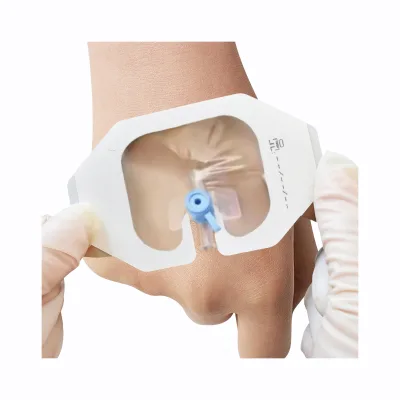


Comprehensive Sourcing Guide
Transparent Class 1 Adhesive Bandages Sourcing Guide
Sourcing Transparent Class 1 Adhesive Bandages requires a nuanced understanding of how material transparency intersects with medical device classification and adhesive performance. In the B2B medical supply chain, "Class 1" typically denotes low-risk devices that provide basic protection or fixation without making systemic claims. The transparency of the bandage is not merely an aesthetic choice; it serves a critical clinical function by allowing healthcare providers and patients to monitor wound conditions without removing the dressing. This reduces the risk of wound contamination and minimizes patient discomfort associated with frequent dressing changes. When evaluating suppliers, buyers must distinguish between simple transparent films used for fixation and more complex hydrocolloid or foam-based transparent dressings that offer active wound management properties.
The procurement landscape for these items is characterized by a wide variance in material composition, ranging from simple polyethylene (PE) perforated tapes to advanced cotton-plaster combinations or specialized transparent wound dressings with absorbent pads. Buyers often encounter listings that mix attributes such as "waterproof," "ventilation," and "anti-allergy" features, which significantly impact the suitability of the product for specific clinical environments. It is essential to verify whether the transparent layer is a standalone film or part of a composite structure that includes an adhesive, a pad, or a backing material. The decision to source Class 1 devices often hinges on the balance between cost-efficiency for high-volume usage and the need for specific biological compatibility, such as hypoallergenic properties for sensitive skin applications.
Product Scope and Observed Listing Signals
The observed market signals indicate a diverse range of product types that fall under the broad umbrella of transparent adhesive bandages. Listings frequently describe products as "PE Perforated Tape" or "Bandage" with specific dimensions such as 5cmx4.5m, 7.5cmx4.5m, and wider variants up to 20cmx4.5m. These dimensions suggest applications ranging from small wound coverage to larger area fixation for IV cannulas or injection needles. Some products are explicitly marketed for "Muscle Relief" or "Physical Therapy," indicating that the adhesive component may be designed for therapeutic support rather than just wound protection. Buyers should note that the term "transparent" may refer to the visual appearance of the backing material, which can be clear, white, or various other colors, and this visual attribute does not necessarily correlate with the material's breathability or water resistance.
Further analysis of listing attributes reveals that many products are classified as "Disposable" and are "Without Disinfection" or "Without Ethylene Oxide Sterilization," which aligns with the low-risk nature of Class 1 devices. However, some listings mention "Medical Materials & Accessories" and specific functions like "Protect Leg/Arm/Back/Feet," suggesting a broader utility beyond simple wound care. The presence of "Neutral Packing" or "Plastic Packing" options indicates that suppliers are prepared for private labeling or bulk distribution. Buyers must carefully cross-reference the stated "Shelf Life," which varies from two to three years, with their inventory turnover rates. Additionally, the mention of "Solidifying Time" in some listings, particularly those involving cotton and plaster of Paris, suggests that not all transparent bandages are simple adhesive strips; some may be casting materials that require specific handling and application protocols.
Technical Specifications to Verify
Verifying the technical specifications of Transparent Class 1 Adhesive Bandages is critical to ensuring they meet the intended clinical or commercial use case. Buyers should prioritize the verification of material composition, as the listed materials range from simple PE to complex blends like "Cotton+Plaster of Paris." The presence of an "absorbent pad" in some transparent dressings, such as those with a 10*25cm size, indicates a multi-layer construction that requires validation of the pad's absorbency rate and the adhesive's strength. It is essential to confirm whether the adhesive is acrylic-based, rubber-based, or silicone-based, as this determines the skin tolerance and residue left after removal. The "Instrument Classification" of Class I implies that the device does not penetrate the body or sustain contact for extended periods, but buyers must still verify the tensile strength and elongation properties of the transparent film to prevent tearing during application.
Dimensional accuracy and packaging specifications are another area requiring strict verification. The observed standard sizes, such as 67cm, 1015cm, and 10*20cm, must be confirmed against the supplier's actual production tolerances. Buyers should also inquire about the "prod_packing" details, whether it is individual sterile packs, bulk cartons, or neutral packaging, as this affects storage and handling logistics. The "Shape" attribute, such as "Without U Port," suggests that some transparent dressings may have specific cutouts or designs for anatomical fit, which must be validated against the intended application site. Furthermore, the "Logo Printing" and "Customization" options available from suppliers like those in Xinghua, Jiangsu, or Hubei, China, should be evaluated for print quality and durability, especially if the bandage is intended for retail or branded medical kits.
Compliance and Safety Documentation
Compliance with international standards is a non-negotiable aspect of sourcing medical adhesive bandages. The observed certifications include CE, ISO, FDA, and ISO13485, which are critical indicators of a supplier's quality management system and regulatory adherence. Buyers must verify that the CE marking corresponds to the correct directive for medical devices and that the ISO13485 certification is current and covers the specific product line being sourced. The mention of "En 149 -2001+A1-2009" as a safety standard is notable, although this standard typically relates to respiratory protective devices; buyers should clarify if this reference is a misclassification or if it pertains to a specific filtration or breathability test relevant to the transparent film's ventilation properties. Similarly, the reference to "ISO 13485" and "EN 13726" in background knowledge suggests a need for rigorous quality control, but buyers must ensure these standards are explicitly listed on the supplier's certificate of analysis or conformity.
Safety documentation should also include biocompatibility testing results, particularly for skin irritation and sensitization, given the "Anti-Allergy" features claimed in some listings. Buyers should request data sheets that confirm the absence of harmful substances such as latex, phthalates, or heavy metals, especially since the products are in direct contact with skin. The "Disinfection" status of "Without Disinfection" implies that the products are non-sterile, which is acceptable for Class 1 devices used on intact skin or minor wounds, but buyers must ensure that the manufacturing environment meets good manufacturing practices (GMP) to prevent microbial contamination. Additionally, the "Storage" instructions, such as "Store in a Dry, Well-Ventilated Warehouse," should be reviewed to ensure that the supplier's logistics chain maintains the required environmental conditions to preserve the adhesive's integrity and the bandage's shelf life.
Cost Drivers and Commercial Terms
The cost of Transparent Class 1 Adhesive Bandages is influenced by several factors, including material complexity, certification requirements, and order volume. The observed price range of 0.01-6 USD per unit reflects the vast difference between simple PE tapes and more complex transparent wound dressings with absorbent pads. Buyers should understand that lower prices may correlate with basic materials and minimal packaging, while higher prices may include sterile packaging, custom branding, or advanced adhesive technologies. The minimum order quantity (MOQ) ranges from 60 to 500,000 units, offering flexibility for both small-scale procurement and large-scale distribution. Buyers must evaluate the total cost of ownership, including shipping, customs duties, and potential returns due to quality issues, rather than focusing solely on the unit price.
Commercial terms such as payment methods, lead times, and sample availability are crucial for managing supply chain risk. The offer of "Free Sample" by some suppliers allows buyers to conduct physical testing before committing to a large order. Buyers should verify the lead times for both sample production and bulk manufacturing, as delays can impact inventory levels and customer satisfaction. The availability of OEM and ODM services indicates that suppliers are willing to customize products, but this may involve additional tooling costs or longer lead times. Buyers should also clarify the terms for "Neutral Packing" versus branded packaging, as this can affect the final retail price and market positioning. Understanding the cost structure helps buyers negotiate better terms and ensures that the selected supplier can meet their volume and quality requirements consistently.
Supplier Qualification and Quality Control
Qualifying suppliers for Transparent Class 1 Adhesive Bandages requires a thorough assessment of their manufacturing capabilities and quality control processes. Buyers should prioritize suppliers located in established medical device manufacturing hubs, such as Xinghua, Taizhou, Jiangsu, or Hubei, China, as these regions often have mature supply chains and regulatory expertise. It is essential to verify the supplier's production capacity and their ability to maintain consistent quality across large batches. Buyers should request information about the supplier's quality management system, including their procedures for incoming material inspection, in-process control, and final product testing. The "Service" offerings of OEM and ODM suggest that the supplier has the flexibility to adapt to specific buyer requirements, but this must be backed by robust engineering and production support.
Quality control should also extend to the packaging and labeling process, as improper packaging can compromise the integrity of the bandage. Buyers should verify that the "prod_packing" methods, whether plastic, tin, or carton, are designed to protect the product from moisture, light, and physical damage during transit. The "Shelf Life" of two to three years must be validated through accelerated aging tests or stability data provided by the supplier. Buyers should also assess the supplier's ability to handle recalls or quality issues, including their traceability systems and customer service responsiveness. By conducting a comprehensive supplier qualification process, buyers can mitigate the risk of receiving substandard products and ensure a reliable supply of Transparent Class 1 Adhesive Bandages for their market.
Long-Term Procurement Checks
Long-term procurement of Transparent Class 1 Adhesive Bandages requires ongoing monitoring of supplier performance and market trends. Buyers should establish key performance indicators (KPIs) such as on-time delivery rate, defect rate, and responsiveness to quality issues. Regular audits of the supplier's manufacturing facility and quality management system are recommended to ensure continued compliance with regulatory standards. Buyers should also stay informed about changes in medical device regulations, such as updates to CE marking requirements or FDA guidelines, to ensure that the sourced products remain compliant. The evolution of material science may lead to new adhesive technologies or more breathable transparent films, so buyers should periodically review their product specifications to ensure they remain competitive and meet evolving clinical needs.
Additionally, buyers should diversify their supplier base to mitigate supply chain risks. Maintaining relationships with multiple suppliers in different regions can provide flexibility in case of disruptions. Buyers should also engage in continuous improvement initiatives with their suppliers, such as joint quality improvement projects or cost reduction strategies. By fostering strong partnerships and maintaining rigorous quality standards, buyers can ensure a stable and reliable supply of Transparent Class 1 Adhesive Bandages, supporting their business growth and customer satisfaction in the long run. Regularly reviewing the product portfolio and market feedback will help buyers adapt to changing customer preferences and technological advancements in the medical device industry.
FAQs
What certifications do Transparent Class 1 Adhesive Bandages have?
Transparent Class 1 Adhesive Bandages typically hold CE, ISO, FDA, and ISO13485 certifications. These credentials verify compliance with medical device regulations and quality management systems. Buyers should verify specific certificates for each product batch to ensure regulatory alignment for their target markets.
What are the standard specifications for these bandages?
Standard specifications include sizes like 5x4.5m, 7.5x4.5m, and 10x4.5m, or smaller wound dressing dimensions such as 6x7cm and 10x25cm. The material often combines cotton with plaster of Paris or features transparent adhesive properties. Customized dimensions are available to meet specific clinical or packaging requirements.
Can these bandages be customized with a logo?
Yes, customization is available, including logo printing on the packaging or product. OEM and ODM services allow buyers to tailor branding and specifications. This flexibility supports private labeling strategies for distributors and healthcare providers seeking distinct product identities in competitive markets.
What is the shelf life of these medical bandages?
The shelf life is generally two to three years when stored correctly. Products must be kept in a dry, well-ventilated warehouse to maintain integrity. Buyers should check the expiration date on neutral, plastic, or tin packing to ensure optimal performance upon arrival and usage.
Where are these bandages typically manufactured?
These products are primarily manufactured in Xinghua, Taizhou, Jiangsu, China, and some in Hubei, China. These regions are known for medical material production. Buyers can source directly from factories in these locations to leverage established supply chains and competitive manufacturing capabilities for bulk orders.
What features do waterproof transparent bandages offer?
Waterproof transparent bandages provide ventilation, anti-allergy properties, and protection for limbs or wounds. They are often disposable and designed for muscle relief or physical therapy applications. The transparent nature allows for wound monitoring without removal, while waterproofing ensures durability during daily activities or bathing.