Source Transparent Durable Inflatable Bubble Tent for Party Beach Tent
Compare 30 listings for the Transparent Durable Inflatable Bubble Tent suitable for party, beach, and advertising uses. Buyers can review PVC materials, waterproof features, and customization options across models with varying sizes and lifespans.
Key considerations
Products List


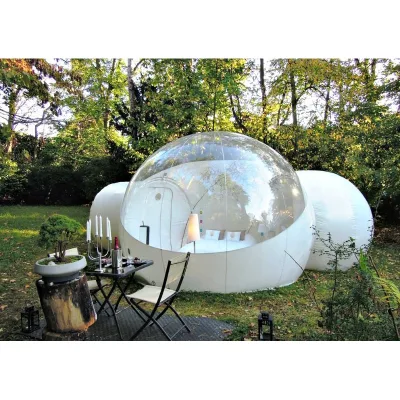


Outdoor Camping Inflatable Transparent Bubble Tent with Airtight Frame
$875.00 - $998.00
MOQ: 1 Pieces

Outdoor Camping Clear PVC Transparent Inflatable Bubble Tent House for Sale
$500.00 - $825.00
MOQ: 1 Pieces

Commercial Outdoor Christmas Advertising PVC Inflatable Clear Bubble Dome Tent
$450.00 - $780.00
MOQ: 1 Pieces


Tent with Double Door and Transparent Window Design — Inflatable Tent.
$349.00 - $899.00
MOQ: 1 Pieces


Custom Logo Tent for Exhibitions and Entertainment Activities — Inflatable Tent.
$349.00 - $899.00
MOQ: 1 Pieces
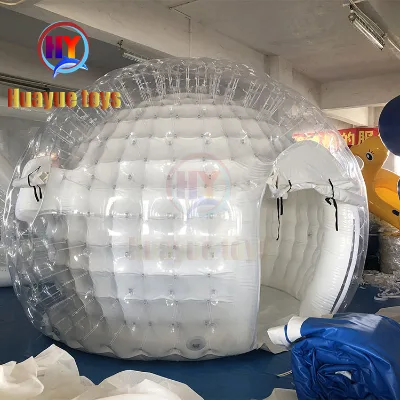
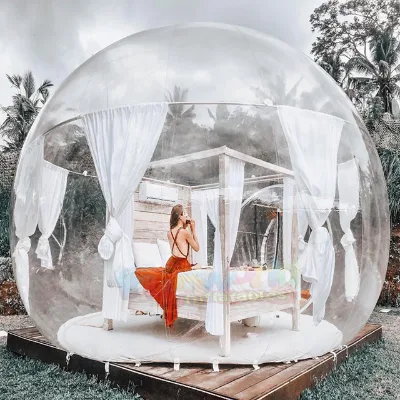

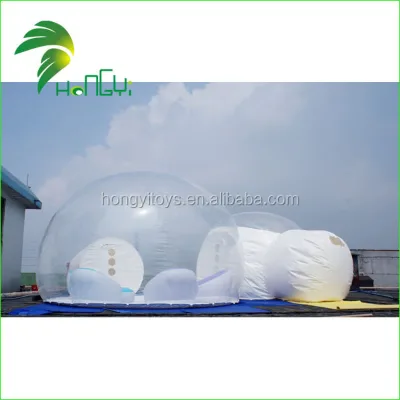


Comprehensive Sourcing Guide
Strategic Sourcing Guide for Transparent Durable Inflatable Bubble Tents
Understanding Technical Specifications and Material Composition
When sourcing a Transparent Durable Inflatable Bubble Tent, the primary focus must be on the material composition and structural integrity, as these factors dictate the product's longevity and safety. Based on available market data, the core material for these structures is consistently identified as PVC (Polyvinyl Chloride). Specifically, the fabric often features a PVC coating on the surface, which is essential for achieving the necessary transparency and durability required for outdoor applications. The structural design frequently varies, with some units utilizing a single-skin formation while others may offer customized configurations.
The physical dimensions of these tents are highly flexible, catering to diverse event and commercial needs. The width of the fabric rolls typically ranges from 1.02 meters to 3.20 meters, with standard roll lengths often cited around 50 meters. For the final assembled product, the diameter can vary significantly, spanning from 3 meters up to 20 meters, allowing for a wide range of capacity options. Some models are explicitly designed with a capacity for two people, while others offer fully customized capacity solutions. The door configuration is another critical specification, with options available for single-door or two-door setups.
Water resistance is a non-negotiable attribute for any inflatable structure intended for outdoor use. The supplied data confirms that these products are marketed as waterproof, a claim supported by the PVC material properties. However, buyers must verify the specific seam construction, as double stitching is a common feature noted in high-quality listings to ensure the integrity of the waterproof seal. The lifespan of these units is a key performance indicator, with observed data suggesting durability ranging from over five years to over eight years, depending on the specific model and maintenance protocols.
Compliance, Certification, and Safety Standards
In the B2B procurement of inflatable structures, verifying compliance with international safety and quality standards is paramount. The market data indicates that reputable suppliers often align their products with a range of recognized standards, including SGS, CE, COC, UL, and EN14960. These certifications serve as third-party validations of the product's safety and quality, though buyers should treat them as observations of specific listings rather than universal guarantees for every product in the category.
Fire resistance is a critical safety parameter, particularly for tents used in public gatherings or commercial advertising. The supplied facts highlight specific flame retardancy processes, noting classifications such as FR, M2, B1, and B2. These designations refer to the material's reaction to fire, and it is essential for procurement teams to request specific test reports corresponding to the fire rating required by the destination country's regulations. For instance, European markets often require adherence to EN14960, while other regions may have different fire safety codes.
Beyond fire safety, environmental and chemical compliance is increasingly important. While background knowledge suggests certifications like RoHS and REACH are relevant to PVC products, buyers must rely on the specific documentation provided by the supplier for each batch. The presence of a CE mark or UL listing implies that the product has undergone specific testing protocols, but the buyer must confirm that the certification applies to the exact model being purchased. The origin of the product, frequently listed as China or specifically Guangdong, China, should be cross-referenced with the supplier's ability to provide valid, up-to-date certification documents that are recognized in the buyer's jurisdiction.
Cost Drivers and Pricing Dynamics
The pricing structure for transparent durable inflatable bubble tents is influenced by a complex interplay of factors, including material thickness, customization levels, and order volume. The observed market price range for these units spans from 60 USD to 2,990 USD. This wide disparity is not arbitrary; it reflects the significant differences in product scale, complexity, and the inclusion of additional features. A basic unit with a standard diameter and minimal customization will sit at the lower end of this spectrum, while a large-scale, custom-designed tent with advanced fire ratings and specialized printing will command a premium price.
The Minimum Order Quantity (MOQ) is another significant cost driver. Data indicates that MOQs can range from as low as 1 piece to 10 pieces. Suppliers offering an MOQ of 1 piece are typically catering to trial orders or small-scale events, which may result in a higher unit cost due to the lack of economies of scale. Conversely, buyers placing larger orders can often negotiate better pricing tiers. The trade terms, such as EXW (Ex Works), also play a crucial role in the final landed cost. Buyers must calculate not only the product price but also the logistics, insurance, and customs duties associated with shipping methods like sea freight, air freight, or express delivery.
Additional cost factors include the printing requirements. Digital printing is a common feature, allowing for custom branding and designs. The complexity and size of the digital print can influence the manufacturing time and cost. Furthermore, the inclusion of accessories, such as repair kits, and the type of packaging (Kraft paper, hard tube, or PVC bags) can add to the overall expense. Buyers should request detailed breakdowns of costs to understand where the value lies, ensuring they are not paying for unnecessary features while securing the essential durability and safety attributes required for their specific application.
Typical Applications and Usage Scenarios
Transparent durable inflatable bubble tents are versatile structures designed to serve a multitude of purposes across various industries. The observed usage categories highlight their adaptability for party events, beach activities, advertising campaigns, and traditional camping. The "Party" usage suggests suitability for weddings, corporate gatherings, and social events where a unique, enclosed atmosphere is desired. The "Beach Tent" application points to their utility in coastal environments, where their waterproof and durable nature protects users from sun and wind while offering a clear view of the surroundings.
In the realm of advertising, these tents function as high-visibility marketing tools. Their inflatable nature allows for rapid deployment and striking visual impact, making them ideal for trade shows, promotional events, and brand activations. The "Advertising Tent" classification underscores their role in capturing attention in crowded public spaces. Additionally, the "Camping Tent" usage indicates that these structures are suitable for recreational outdoor activities, providing a comfortable and sheltered environment for overnight stays.
The data also mentions specific use cases such as "Relief," suggesting potential applications in emergency response or humanitarian aid scenarios where quick setup and durability are critical. The "Summer" season designation implies that these products are optimized for warm-weather conditions, though their waterproof features make them viable for variable weather. The capacity of the tents, ranging from 2-person units to fully customized large-scale structures, allows them to be scaled for intimate gatherings or large public events. Buyers should align their selection with the specific environmental conditions and operational requirements of their intended use case.
Supplier Evaluation and Operational Capabilities
Evaluating a supplier for inflatable bubble tents requires a rigorous assessment of their operational capabilities, production processes, and logistical reliability. The production origin is frequently cited as China, with specific regions like Guangdong highlighted as manufacturing hubs. Buyers should verify the supplier's location and ensure they have the infrastructure to support large-scale production if required. The lead time for these products is a critical operational metric, with observed ranges of 10 to 15 days. This timeline must be factored into the project schedule, especially for time-sensitive events.
The customization capabilities of the supplier are a key differentiator. The data confirms that customization is available for various attributes, including size, capacity, color, and printing. Suppliers should be able to accommodate specific requests for door configurations (1 or 2 doors) and structural formations. The ability to offer OEM (Original Equipment Manufacturer) services is another indicator of a supplier's flexibility and willingness to tailor products to the buyer's brand. Buyers should inquire about the customization process, including the time required for design approval and the impact on the lead time.
Logistics and shipping are also vital considerations. The observed shipment methods include express, sea, and air freight. The choice of shipping method will depend on the urgency of the order and the size of the shipment. The packaging options, ranging from Kraft paper and hard tubes to PVC bags and cartons, must be selected to ensure the product arrives in pristine condition. Suppliers should provide clear information on how they protect the inflatable structures during transit to prevent damage. Additionally, the availability of after-sales support, such as repair kits and warranty coverage (ranging from 1 to 2 years), is essential for long-term satisfaction and risk mitigation.
Quality Control and Long-Term Procurement Strategy
Implementing a robust quality control (QC) strategy is essential for ensuring the reliability of transparent durable inflatable bubble tents. Given the critical nature of safety and durability, buyers should establish clear QC checkpoints before shipment. This includes verifying the material thickness, the integrity of the double stitching, and the effectiveness of the waterproofing. The presence of a warranty, typically ranging from 1 to 2 years, serves as a baseline commitment from the supplier, but buyers should seek detailed warranty terms that cover specific failure modes.
Long-term procurement considerations involve building a sustainable relationship with suppliers who can consistently deliver high-quality products. The lifespan of the tents, observed to be over 5 to 8 years, suggests that these are long-term assets. Buyers should develop maintenance protocols to extend the life of the equipment, including proper cleaning, storage, and repair procedures. The availability of repair kits as standard accessories is a positive indicator, but buyers should ensure that replacement parts are readily available in the future.
When evaluating suppliers for long-term partnerships, buyers should look for those who demonstrate a commitment to continuous improvement and adherence to standards. The ability to provide consistent test results and maintain certification validity over time is crucial. Buyers should also consider the environmental impact of the PVC material and inquire about the supplier's sustainability practices. By focusing on these long-term factors, buyers can secure a reliable supply chain that supports their operational needs while minimizing risks associated with product failure or non-compliance.
Comparative Analysis of Product Attributes
To facilitate informed decision-making, the following table summarizes the key attributes observed in the market for transparent durable inflatable bubble tents. This comparison highlights the variability in specifications and helps buyers identify the features most relevant to their specific requirements.
| Attribute | Observed Range/Options | Relevance to Procurement |
|---|---|---|
| Material | PVC, PVC Coated on Surface | Determines transparency, durability, and waterproofing. |
| Structure | Single Skin, Customized | Affects insulation, weight, and structural stability. |
| Size (Diameter) | 3m - 20m | Dictates capacity and suitability for specific venues. |
| Door Style | 1 Door, 2 Doors | Influences accessibility and flow management. |
| Fire Rating | FR, M2, B1, B2 | Critical for compliance with local safety regulations. |
| Lifespan | Over 5 years, Over 8 years | Indicates long-term value and durability expectations. |
| Warranty | 1 Year, 2 Years | Reflects supplier confidence and risk coverage. |
| Customization | Available (Size, Color, Print) | Essential for branding and specific functional needs. |
| MOQ | 1 Piece - 10 Pieces | Impacts initial investment and inventory planning. |
| Lead Time | 10 to 15 Days | Crucial for project scheduling and event planning. |
This comparative overview underscores the importance of aligning product specifications with the buyer's specific operational and safety requirements. By carefully evaluating these attributes, procurement teams can select the most suitable inflatable bubble tents that balance cost, quality, and functionality.
FAQs
What material is used for transparent durable inflatable bubble tents?
The primary material is PVC with a PVC coating on the surface. This composition ensures the structure is durable and waterproof, suitable for various outdoor applications like parties and beach events.
Can I customize the size and capacity of these inflatable tents?
Yes, customization is available for size, capacity, and color. Dimensions can range from a width of 1.02m to 3.20m with roll lengths of 50m, and diameters vary from 3m to 20m to meet specific needs.
Which certifications do these tents typically meet for safety?
Products often comply with standards such as SGS, CE, COC, UL, and EN14960. These certifications validate safety and quality, though buyers should verify specific documentation for the exact model being purchased.
How long is the lead time for manufacturing these tents?
The typical lead time ranges from 10 to 15 days. This duration applies to standard production cycles, but custom orders may require additional time for design approval and specialized processing.
What is the minimum order quantity for these inflatable structures?
The minimum order quantity can be as low as 1 piece. However, some listings indicate an MOQ of up to 10 pieces, depending on the supplier and the specific customization requirements of the order.
Which fire safety ratings are available for these PVC tents?
Special processes include fire ratings such as FR, M2, B1, and B2. These ratings indicate the material's reaction to fire, which is critical for tents used in public gatherings or advertising campaigns.
Can I get digital printing on the surface of the tent?
Yes, digital printing is a standard feature available for these tents. This allows for custom branding and designs, which can be applied to the PVC material to enhance visibility for advertising purposes.