Source Transparent Waterproof Coating for Exterior Walls, Floors, and Roofs
Find 30 Transparent Waterproof Coating for Construction options with varying materials like acrylic and polyurethane. Buyers can compare specifications such as drying time, coverage rates, and waterproofing pressure resistance to select the right product for their projects.
Key considerations
Products List


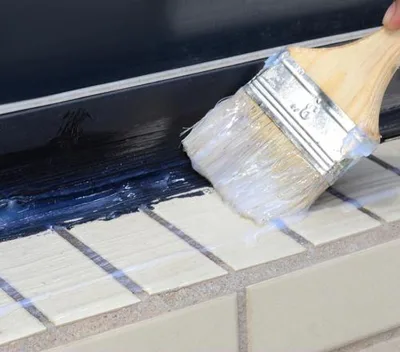
Acrylic Waterproof Coating for Construction Use Bathroom Leak-proof Invisible Transparent Liquid
$0.95 - $1.20
MOQ: 1000 kilograms


Comprehensive Sourcing Guide
Transparent Waterproof Coating for Construction Sourcing Guide
Procuring transparent waterproof coatings for construction projects requires a nuanced understanding of material chemistry, application methodologies, and long-term performance metrics. These coatings are primarily designed to provide a protective, invisible barrier on existing substrates, making them ideal for retrofitting and maintenance scenarios where aesthetic preservation is critical. Buyers must distinguish between pure acrylic formulations and hybrid systems, as the latter may offer enhanced durability but differ significantly in application requirements and curing behaviors. The decision to source these materials should be driven by the specific environmental exposure of the structure, the nature of the substrate, and the desired lifespan of the waterproofing layer.
Successful sourcing begins with aligning product specifications with the intended use case, whether it involves exterior wall leakage repair, floor protection, or specialized underwater adhesion. The market offers a variety of options ranging from water-based acrylics to polyurethane-acrylic hybrids, each with distinct advantages regarding flexibility, breathability, and chemical resistance. Procurement teams must evaluate not just the initial coating performance but also the logistical aspects of storage, shelf life, and application conditions to ensure that the product remains viable from factory to final installation. This guide outlines the critical verification steps and commercial considerations necessary to mitigate risk and ensure project success.
Product Scope and Observed Listing Signals
The current market landscape for transparent waterproof coatings reveals a diverse range of product types, primarily centered around acrylic and polyurethane-acrylic compositions. Listings frequently highlight water-based formulations that offer easy application via brush, spray, or roller, catering to both professional contractors and DIY users. Key features often emphasized include transparent film formation, stable film integrity, and good low-temperature performance, which are crucial for maintaining flexibility in varying climatic conditions. Buyers should note that while many products claim to be "waterproof," the specific impermeability ratings and drying times vary significantly, requiring careful comparison of technical data sheets rather than relying on marketing terminology alone.
Observed listing signals indicate a strong emphasis on customization and specific application scenarios, such as waterproof repair of leakage on exterior walls or general floor and wall protection. Products are often described with attributes like "clear" or "customizable" colors, though the primary value proposition remains the invisibility of the cured film. Packaging varies from standard buckets to wooden crates, reflecting different volume requirements and logistical needs. The presence of terms like "underwater adhesive" or "organic material" suggests a subset of products designed for more demanding or specialized construction environments, necessitating a deeper technical review to ensure compatibility with the specific project requirements.
Technical Specifications to Verify
Verifying the technical specifications of transparent waterproof coatings is essential to ensure compatibility with the substrate and environmental conditions. Buyers must confirm the solid content percentage, as this directly impacts the thickness and durability of the final film; for instance, some formulations specify a solid content of 40±1%, which influences the coverage rate and material consumption. Drying time is another critical parameter, with surface dry times often ranging around four hours and total cure times extending up to 24 hours or more, depending on humidity and temperature. Understanding these timelines is vital for project scheduling, as premature exposure to water or traffic can compromise the integrity of the coating.
Coverage rates and dosage requirements vary significantly between products, with some listing figures such as 1.7kg per square meter for a 1mm thickness or 5 square meters per kilogram, while others suggest a dosage of 2-3kg per square meter. These discrepancies highlight the importance of verifying the recommended number of coats, which typically ranges from two to three, to achieve the desired impermeability. Additionally, the mix ratio for certain hybrid products, such as a liquid-to-powder ratio of 1:2.5, must be strictly adhered to during application. Buyers should also check the specified thickness of the cured film, as some products are designed for a 1.2mm thickness, which may require multiple layers or specific application techniques to achieve.
Compliance and Safety Documentation
Compliance with international and local standards is a non-negotiable aspect of sourcing construction materials, particularly those used in waterproofing. Buyers should verify that products hold relevant certifications, such as ISO and CCC, which indicate adherence to quality management and safety standards. These certifications provide a baseline assurance of manufacturing consistency and product reliability, reducing the risk of substandard materials entering the supply chain. However, certification alone is not a guarantee of performance in specific environmental conditions, so it should be complemented by detailed technical data sheets and test reports.
Safety documentation, including Material Safety Data Sheets (MSDS), is crucial for ensuring the safe handling and application of the coatings. Water-based acrylics are generally considered eco-friendly and low in volatile organic compounds (VOCs), but buyers must still verify the specific composition and any potential hazards associated with the product. Storage conditions are another critical compliance factor, with many products requiring storage at temperatures above 5°C and protection from freezing to maintain stability. The validity period, typically 12 months for unopened containers, must be clearly stated to prevent the use of degraded materials, which can lead to application failures and costly rework.
Cost Drivers and Commercial Terms
The cost of transparent waterproof coatings is influenced by several factors, including the raw material composition, packaging type, and order volume. Observed price ranges in the market can vary widely, from low-cost basic formulations to premium products with enhanced features like superior low-temperature performance or specialized bonding functions. Minimum Order Quantities (MOQs) also play a significant role in pricing, with ranges extending from small quantities for testing to large volumes for bulk construction projects. Buyers should negotiate based on the total cost of ownership, considering not just the unit price but also the coverage rate and application efficiency.
Commercial terms such as lead times, shipping methods, and payment conditions are critical for supply chain planning. Products originating from major manufacturing hubs like Suzhou or Shanghai may have different logistical advantages depending on the buyer's location. Packaging options, ranging from standard buckets to customized wooden crates, can impact shipping costs and handling requirements. Buyers should also consider the availability of customized services, which may incur additional costs but can provide tailored solutions for specific project needs. Clear communication regarding these terms helps avoid unexpected expenses and ensures timely delivery to the construction site.
Supplier Qualification and Quality Control
Selecting a qualified supplier is paramount to ensuring the consistent quality and reliability of transparent waterproof coatings. Buyers should prioritize suppliers who demonstrate a commitment to quality control through standardized manufacturing processes and rigorous testing protocols. The availability of customized services and support indicates a supplier's flexibility and ability to meet specific project requirements. It is also important to verify the supplier's production capacity and lead times to ensure they can meet the project's timeline without compromising on quality.
Quality control measures should include regular inspections of raw materials, in-process checks during manufacturing, and final product testing before shipment. Buyers should request samples for preliminary testing to evaluate the coating's application properties, drying time, and final film quality. Establishing a clear communication channel with the supplier for technical support and issue resolution is essential for addressing any problems that may arise during application. Long-term partnerships with reliable suppliers can lead to better pricing, priority service, and access to new product developments, enhancing the overall procurement strategy.
Long-Term Procurement Checks
Long-term procurement success depends on continuous monitoring of product performance and supplier reliability. Buyers should establish a feedback loop with contractors and end-users to gather data on the coating's durability, adhesion, and resistance to environmental factors over time. This information is invaluable for refining future procurement decisions and identifying potential issues before they become widespread problems. Regular audits of supplier quality systems and performance metrics help maintain high standards and ensure that the supplier remains aligned with the buyer's expectations.
Additionally, buyers should stay informed about advancements in waterproofing technology and changes in regulatory requirements that may impact product specifications. Periodic reviews of the product portfolio allow for the introduction of improved formulations or alternative solutions that may offer better performance or cost-efficiency. By maintaining a proactive approach to supplier management and product evaluation, buyers can mitigate risks, optimize costs, and ensure the long-term integrity of their construction projects. This strategic perspective transforms procurement from a transactional activity into a value-adding component of the overall project lifecycle.
FAQs
What is the drying time for this coating?
The surface dries in 4 hours while total drying takes 24 hours. Some variants achieve hard dry status in 8 hours depending on environmental conditions and application thickness.
Can I customize the color of the coating?
Yes, customization is available for this product. The coating comes in clear or customizable colors to match specific project requirements for exterior wall repairs.
How is the product packaged for shipping?
The product is typically packed in wooden crates or standard packaging. Customized packaging options are also supported to meet specific logistical needs.
What certifications does the coating hold?
The product holds ISO and CCC certifications. These standards ensure the coating meets specific quality and safety requirements for construction applications.
Where is this coating manufactured?
The product originates from Suzhou and Shanghai in China. These locations serve as the primary production hubs for this transparent waterproof coating.
What is the coverage rate per kilogram?
The coverage rate is approximately 1.7kg per square meter for a 1mm thickness. Some formulations offer a rate of 5 square meters per kilogram.
How many coats are recommended for application?
Apply 2 to 3 coats for optimal waterproofing results. The dosage typically ranges from 2 to 3 kilograms per square meter depending on the surface condition.